TL;DR:
- Returning luxury fashion items online requires careful preparation, documentation, and adherence to strict policies to avoid rejection or delays. The process involves authentication checks, original packaging, timely initiation, and proper repackaging, making it more complex than mainstream retail returns. A seamless return experience fosters trust and loyalty, which is essential for both brands and discerning shoppers.
Returning a luxury purchase online should feel as refined as the item itself. Yet for most shoppers, the process is anything but smooth. Tags, authentication cards, condition checks, strict return windows, and opaque policies all stack up fast, turning what should be a simple task into a stressful experience. Sizing and fit drive 65% of fashion returns, and with luxury return rates running as high as 25 to 30%, this is a challenge that affects nearly every serious shopper at some point. This guide gives you the exact steps, preparation checklist, and troubleshooting tools you need to return luxury fashion items with confidence and zero guesswork.
Table of Contents
- What makes luxury fashion returns unique?
- Preparation: What you need before starting a return
- Step-by-step: How to return luxury fashion items correctly
- Common mistakes, troubleshooting, and how to verify your return
- Our take: Why real luxury means frictionless returns
- Explore authenticated luxury fashion and seamless returns
- Frequently asked questions
Key Takeaways
| Point | Details |
|---|---|
| Luxury returns differ | Returning luxury items means stricter authentication, packaging, and condition requirements than most online retailers. |
| Preparation is critical | Organize all documents, tags, and photographs before starting a return to avoid delays and denials. |
| Follow each step | Use official labels and track your package to ensure your return is processed quickly and successfully. |
| Avoid common mistakes | Don’t bracket, miss deadlines, or skip photo documentation—these trip up many shoppers. |
| Loyalty comes from ease | The best luxury brands build repeat business with frictionless returns and transparent policies. |
What makes luxury fashion returns unique?
Now that you’re aware of the challenges, let’s break down what makes luxury fashion returns different from your typical online order.
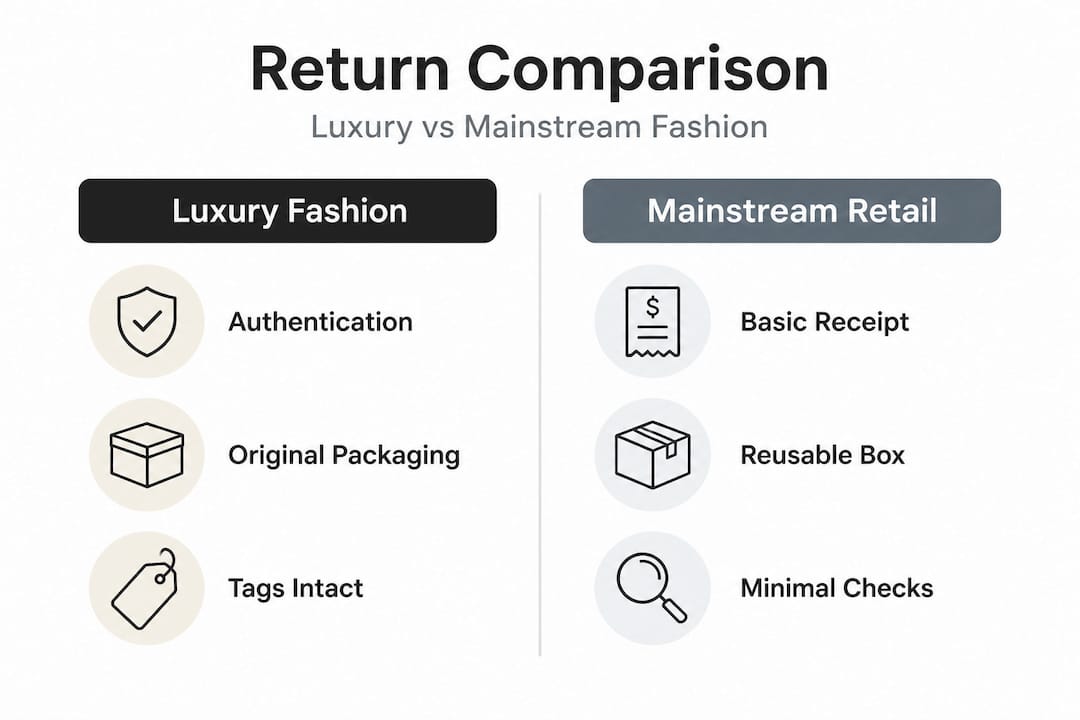
When you return a pair of sneakers from a mainstream retailer, the bar is low. Throw them in the box, slap on the label, and you’re done. Luxury fashion? Entirely different world. Every return involves authentication checks, condition assessments, and a level of scrutiny that mirrors what happens when the item is first sold. A Chanel flap bag or a pair of Prada heels must arrive back in pristine, documented condition, or the return may be rejected outright.
Luxury return rates sit between 25% and 30%, higher than the average for most e-commerce categories. This is partly driven by the impossibility of truly knowing how a garment or bag will feel until it’s in your hands. The nuance of sizing, leather texture, color in natural light, and proportions can all shift between photography and reality. That gap fuels returns, and it also fuels shopper frustration when the process isn’t built to handle volume gracefully.
Here’s something that might surprise you: only 5% of shoppers trust luxury retailers to deliver a seamless returns experience, compared to 50% who trust major online pure-players like Zalando. That’s a striking confidence gap. Meanwhile, 70% of fashion shoppers cite post-purchase service as core to their loyalty decisions. The stakes for getting returns right are enormous, and most luxury platforms are still falling short.
Keeping up with the latest luxury trends is part of the luxury shopping experience, but so is knowing what to do when something doesn’t work for your wardrobe. Understanding how luxury fashion e-commerce operates differently from mainstream retail is the first step toward making smarter, more confident purchases.
Luxury vs. mainstream returns: a quick comparison
| Factor | Luxury fashion | Mainstream retail |
|---|---|---|
| Authentication check required | Yes, always | Rarely |
| Original packaging required | Yes | Often optional |
| Return window | Typically 14–30 days | Often 30–90 days |
| Condition standards | Strict: unworn, tags attached | More flexible |
| Refund processing time | 7–14 business days | 3–7 business days |
| High-effort return experience | Common | Less common |
| Shopper trust in seamless process | 5% | 50% |
The takeaway is clear: luxury returns demand more preparation, more documentation, and more precision. But done right, the process is absolutely manageable.
Preparation: What you need before starting a return
Knowing how luxury returns are different, it’s crucial to gather the right materials first. Let’s make sure you’re fully prepared before initiating a return.
Preparation is everything. Walking into a luxury return without the right documentation or packaging is like showing up to a couture fitting without your measurements. It simply doesn’t work. Before you click “start a return” on any platform, take stock of what you have and what you need.
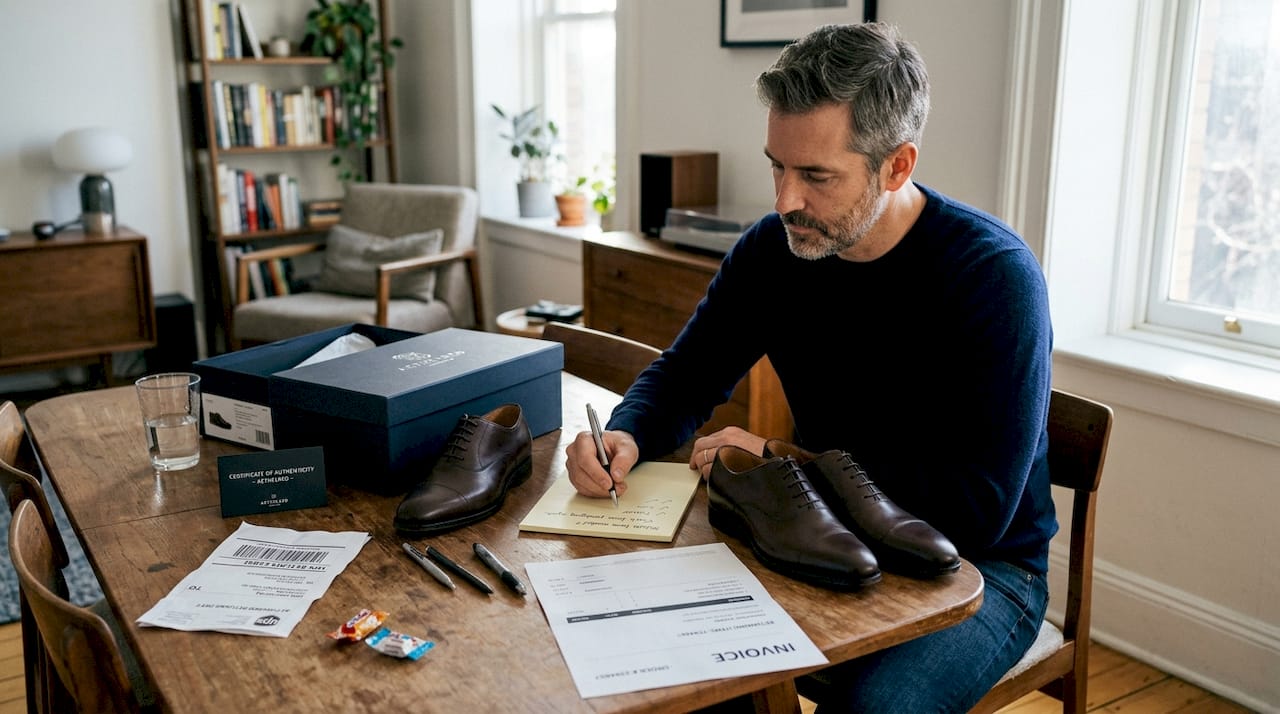
Your pre-return checklist:
- Return eligibility confirmed: Check that your item falls within the return window (typically 14 to 30 days from delivery) and is in the condition required by the retailer.
- Original packaging intact: Boxes, dust bags, tissue paper, and any brand-specific wrapping should all be in hand.
- Tags and authentication cards: Every luxury piece comes with security tags, authenticity cards, and sometimes serial number stickers. These must be attached and undamaged.
- Proof of purchase: Your order confirmation email, invoice, or printed receipt.
- Photo documentation: Before repackaging, photograph the item from multiple angles, along with the tags, packaging, and any accessories included.
- Pre-paid return label: Download this from the retailer’s official website or app, not from any third-party source.
The virtual try-on technology now helps reduce sizing returns by a significant margin, improving conversion rates by up to 5.7x, which shows just how much sizing uncertainty drives the return cycle in the first place. Photographing your items before sealing them is also standard good practice and can be critical if a dispute arises later.
Pro Tip: Don’t bracket your orders. Bracketing means buying multiple sizes or colorways with the intent to return most of them. Many luxury retailers have algorithms that flag high-return-rate accounts, which can result in restrictions or even account bans. If you’re unsure about sizing, use the retailer’s sizing guide, reach out to their support team, or consult a personal shopper before purchasing. Understanding how trends shape style can also guide smarter buying decisions before a purchase is made.
Materials and information needed before starting a return:
| Item | Why it’s needed |
|---|---|
| Order confirmation / invoice | Proves purchase date and item details |
| Security tags (attached) | Required for authentication and return acceptance |
| Authentication card | Verifies item genuineness |
| Original box and dust bag | Required for luxury-grade condition |
| Pre-paid return label (official) | Ensures trackable, insured return shipping |
| Item photographs (pre-seal) | Evidence of condition at time of return |
| Return policy page (saved/screenshotted) | Confirms your eligibility and terms |
Think of this checklist as your insurance policy. Every item you have in hand before starting gives you leverage if something goes wrong. If you’re also thinking about the long-term value of your pieces, learning more about investing in handbags and apparel can help you make choices that hold their worth whether you keep them or return them.
Step-by-step: How to return luxury fashion items correctly
With all your return materials ready, follow these steps for a flawless luxury return.
-
Log in to the official retailer platform. Always start from the brand or retailer’s official website or app. Navigate to your order history and locate the specific item you want to return. Read the return policy once more before proceeding. Policies can vary by item category, sale status, or season.
-
Initiate the return within the stated window. Don’t wait. Luxury return windows are strict, and missing the deadline by even a day can result in a rejected return. If you’re on the fence about an item, initiate the return first, then make your final decision before you ship.
-
Select the correct return reason. This step matters more than people realize. Retailers use return reason data to improve inventory and sizing. Selecting “fit/sizing issue” when that’s the real reason helps you, future shoppers, and the platform. It also triggers the right internal process for a smooth resolution.
-
Download and print your pre-paid return label. Always use the official label provided by the retailer. Using a generic shipping label or a third-party service can void your return eligibility, create tracking gaps, or delay your refund significantly.
-
Repackage the item with all original materials. Place the item back in its original dust bag, then in the box, with all tissue paper, authentication cards, and accessories exactly as received. Seal the box securely. Use the original box when possible; a replacement box can raise condition concerns.
-
Photograph the packaged return before sealing and shipping. Take clear photos of the open box showing all contents, then photos of the sealed package with the label visible. This is your final line of evidence if the return is disputed.
-
Ship using the retailer’s specified method. Drop off at the designated carrier location and request a receipt. This receipt is your proof of handoff. Always use a trackable shipping method.
Pro Tip: Screenshot every confirmation screen, every tracking update, and every email you receive during the return process. Store them in a dedicated folder. If your return is delayed or disputed, this paper trail is your strongest asset.
“Sizing and fit account for 65% of luxury fashion returns, making it the single largest driver of returns in the category.”
Consulting the full shopping workflow guide can help you build better habits before, during, and after each luxury purchase, reducing the need for returns altogether.
Common mistakes, troubleshooting, and how to verify your return
Mistakes happen, but you can avoid the most common return errors and check your progress with these troubleshooting tips.
Even with the best preparation, things can go sideways. The good news is that most return problems are predictable and entirely preventable. Here’s what to watch for and how to course-correct.
Most common return mistakes and how to fix them:
| Mistake | What goes wrong | Correct action |
|---|---|---|
| Missing the return window | Return rejected outright | Initiate returns immediately after deciding |
| Returning without original tags | Authentication fails, return denied | Always keep tags on until certain about keeping |
| Using unofficial shipping labels | Loss of tracking, voided return | Only use retailer-provided pre-paid labels |
| Forgetting to photograph packaging | No evidence if item arrives damaged | Photograph before sealing every time |
| Not saving return confirmations | Can’t track or escalate | Screenshot all digital confirmations |
| Bracketing orders regularly | Account flagged or restricted | Size carefully before purchasing |
Avoiding bracketing and using official return portals are the two habits that will protect your account standing and make every future purchase smoother.
How to verify your return has been processed:
- Check your email for a return received confirmation from the retailer, usually triggered when the carrier scans the package.
- Log in to your account and check the order status. It should update to “return in progress” or similar.
- If no update appears within 7 business days of the carrier delivering the package, contact the retailer’s support team directly with your tracking number and return confirmation.
- If your refund hasn’t posted to your account within 14 business days of the retailer confirming receipt, escalate with your payment provider.
Understanding the safe designer buying process from start to finish, including what happens post-purchase, is one of the clearest ways to protect yourself as a luxury shopper.
Our take: Why real luxury means frictionless returns
With the how-to and troubleshooting covered, let’s look at why brands and shoppers should demand and expect truly painless luxury returns.
Here’s the uncomfortable truth: difficult returns are not a sign of exclusivity. They’re a sign of a brand that hasn’t caught up with what its customers actually want. The idea that friction is somehow synonymous with prestige is outdated, and frankly, it’s costing luxury brands their most valuable asset, which is customer loyalty.
70% of fashion shoppers say post-purchase service is central to their loyalty, yet only 5% trust luxury retailers to deliver a seamless return experience. That’s not a minor gap. That’s a fundamental disconnect between what the industry believes it offers and what shoppers actually experience. And when high-effort returns push even affluent buyers away, the business cost is real.
We believe luxury is defined by how a brand makes you feel at every stage of the relationship, not just at the point of sale. The key standards in luxury have always included impeccable service, and returns are service. A seamless return process deepens trust, increases repeat purchase rates, and signals that the brand respects your time and confidence.
The brands that understand this are already winning repeat business by making returns as elegant as their packaging. Everyone else is leaving loyalty on the table. As a shopper, you should expect nothing less from any platform you trust with your investment in designer fashion.
Explore authenticated luxury fashion and seamless returns
If you expect more from luxury shopping, make sure your next purchase and return experience lives up to the promise.
At Naise Shopper, every item in our curated collection is fully authenticated before it reaches you. That means you shop with the confidence of knowing exactly what you’re getting, from the condition to the documentation, before it even ships. And when a return is needed, our process is built to match the standard of the products we carry.
Browse styles like the sleek Prada designer heels or the refined Gucci G-Timeless watch, knowing that every detail, from authentication to return policy, is transparent and designed with you in mind. We offer verified conditions, clear return terms, and a shopping experience that respects the standards you hold for luxury. This is how designer fashion should feel from first click to final resolution.
Frequently asked questions
What are the key requirements for a luxury fashion return to be accepted?
Items must be in original condition with all tags, authentication cards, and packaging intact. Returns must also be initiated within the retailer’s stated timeframe, as luxury return windows are strict and rarely extended.
Why is ‘bracketing’ discouraged in luxury fashion shopping?
Bracketing, which means buying multiple sizes or styles with the intent to return most of them, can trigger account flags and potential restrictions by luxury retailers who monitor return patterns closely.
How long does it take to get a refund for returned luxury fashion items?
Refunds typically process within 7 to 14 business days after the return is received and authenticated by the retailer, though timelines can vary based on the platform and your payment method.
Are online luxury fashion returns different from in-store returns?
Yes. Online returns require official pre-paid labels, photo documentation, and stricter authenticity inspections compared to the more conversational in-store process, where staff can assess items immediately.
What should I do if my luxury return is delayed or denied?
Contact the retailer’s support team immediately with your full documentation including tracking numbers and confirmation emails. If the issue isn’t resolved within 30 days, escalate the dispute directly to your payment provider or credit card company.