TL;DR:
- Genuine limited editions are deliberately produced in restricted quantities with unique features.
- Scarcity drives demand, making limited editions significantly more valuable and desirable.
- Authenticity, condition, and provenance are critical for maximizing resale value and investment potential.
A label that reads “limited edition” can feel like pure marketing spin. But the reality is far more interesting. These pieces move markets, command resale premiums, and trigger genuine emotional responses in buyers worldwide. The difference between a standard drop and a true limited edition touches psychology, craftsmanship, and real financial value. Whether you’re eyeing a rare Gucci watch, a capsule collab, or a one-season colorway, understanding what limited edition actually means will change how you shop, what you buy, and how much you spend wisely.
Table of Contents
- What does ‘limited edition’ mean in fashion?
- Why limited editions spark desire (and sales)
- The real value: Rarity, investment, and authentic access
- How to navigate the limited edition market smartly
- What most shoppers miss about limited edition fashion
- Find genuine limited edition luxury for less
- Frequently asked questions
Key Takeaways
| Point | Details |
|---|---|
| True limited edition definition | Limited edition fashion features small, planned runs and unique characteristics, not just marketing slogans. |
| Scarcity drives demand | Psychological effects like FOMO and exclusivity make limited editions more desirable and valuable. |
| Investment potential exists | Select limited edition pieces can appreciate over time, especially from iconic luxury brands when authenticated. |
| Smart buying is essential | Buy only from trusted sellers and verify authenticity to avoid scams and maximize value. |
| Luxury for less is possible | The pre-owned resale market makes accessing genuine limited edition designer pieces more affordable than you think. |
What does ‘limited edition’ mean in fashion?
Not every item stamped “limited” is genuinely rare. In fashion, the term has a specific meaning rooted in production strategy and brand intent. A true limited edition piece is produced in a deliberately restricted quantity, often tied to a specific event, collaboration, or creative vision. It is not simply a product that sold out fast.
So what actually qualifies something as limited edition? The mechanics are more structured than most shoppers realize. Planned production limits are set based on demand forecasts to minimize waste, often with numbered pieces, short availability windows, collaborations, unique materials or colorways, and seasonal capsules. Each of these elements serves a purpose beyond marketing.
Here are the most common methods brands use to create genuine limited editions:
- Numbered production runs: Each piece carries a unique number, confirming its place in the total count.
- Designer collaborations: Think Louis Vuitton x Supreme or Gucci x Adidas. These collabs merge audiences and create one-time-only pieces.
- Seasonal capsule collections: Small, curated drops released outside the main runway calendar, often tied to a theme or cultural moment.
- Exclusive colorways or materials: A classic silhouette reimagined in a rare fabric or unexpected color palette that won’t appear in the standard line.
- Signature or artist editions: Pieces bearing an artist’s hand, signature, or custom artwork that elevates them beyond standard production.
“Limited edition in fashion is not a loophole for hype. It is a deliberate production and creative decision that shapes how a brand is perceived and how consumers relate to it.”
Brands use limited editions for smart reasons. Restricting supply keeps demand high, protects brand prestige, and reduces overproduction waste. For the buyer, it signals that what you’re holding is genuinely rare. That distinction matters enormously when you’re deciding whether a piece is worth its price tag.
Why limited editions spark desire (and sales)
Having defined what makes a piece limited edition, it’s important to unpack why these items drive such intense demand. The answer sits squarely in human psychology.
Scarcity is one of the most powerful triggers in consumer behavior. When something is available to everyone, its perceived value drops. When supply is tight, desire spikes. This is not accidental. Brands engineer it. The result is a powerful cocktail of FOMO (fear of missing out), emotional urgency, and the thrill of exclusivity.
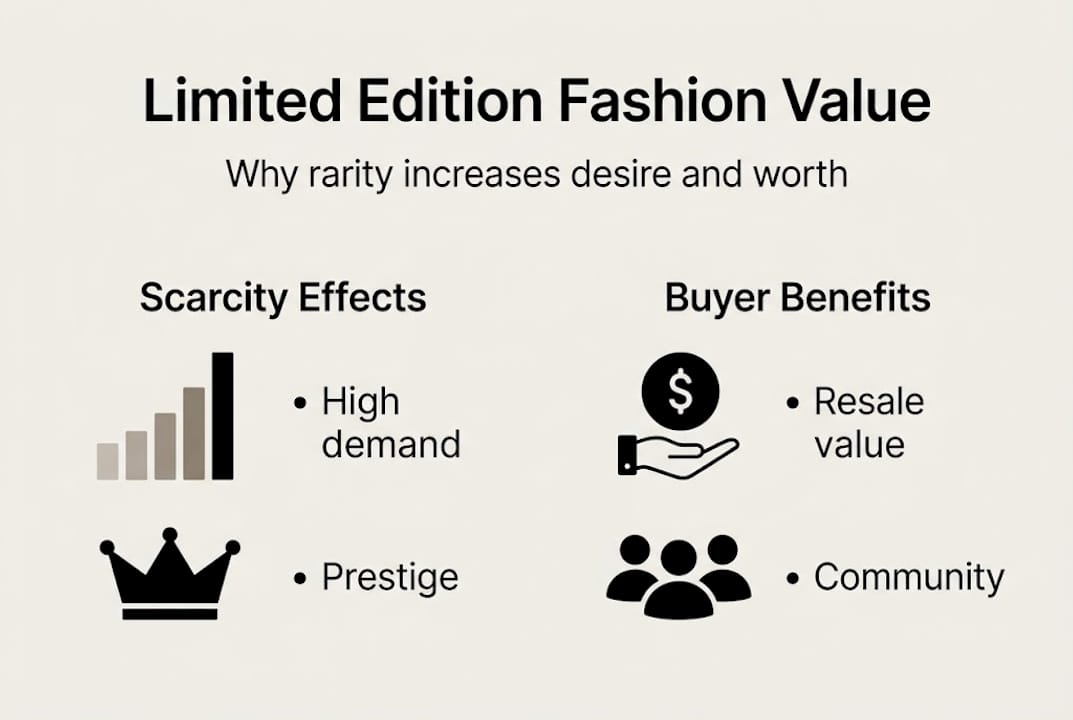
The numbers back this up. Up to 200% sales increase has been recorded for products labeled as limited edition compared to standard releases, driven by scarcity psychology, emotional attachment, and perceived higher value. That is not a small bump. It is a complete transformation of a product’s commercial performance.
| Feature | Standard release | Limited edition |
|---|---|---|
| Production volume | High | Restricted |
| Availability period | Ongoing | Short window |
| Perceived value | Moderate | Elevated |
| Resale potential | Low | High |
| Emotional urgency | Low | Very high |
Beyond the numbers, there is a community dimension that often gets overlooked. Owning a limited edition piece connects you to a specific moment in fashion history. It signals taste, timing, and access. That social currency is real, especially in circles where style literacy matters.
Understanding the designer fashion benefits goes beyond aesthetics. It includes the psychological satisfaction of owning something genuinely rare and the social recognition that comes with it.
Pro Tip: Not every brand’s “limited edition” claim is equal. Research the actual production numbers before buying. A run of 50,000 units is not truly rare. Look for numbered pieces, verified collabs, or documented capsule drops to confirm genuine scarcity.
The real value: Rarity, investment, and authentic access
Understanding the why is powerful, but what does this look like when you buy, own, or resell a limited edition piece? The financial picture is compelling, but it requires context.
Luxury limited editions are among the few fashion purchases that can grow in value over time. The Hermès Birkin is the most cited example, showing 138% average resale value retention in 2025 and decade-long appreciation of 92%. That outperforms many traditional investment vehicles.

But it is not just Hermès. Rare sneaker collabs, limited Chanel flaps in seasonal colorways, and exclusive Dior capsule pieces all show strong resale performance when the brand, timing, and condition align.
| Item | Retail price (approx.) | Resale value (2025 avg.) | Appreciation |
|---|---|---|---|
| Hermès Birkin 25 | $10,000 | $23,800 | +138% |
| Chanel Classic Flap (limited) | $9,500 | $14,000 | +47% |
| Nike x Off-White collab sneaker | $190 | $900+ | +373% |
| Gucci x Adidas capsule bag | $1,800 | $2,600 | +44% |
Here is what to keep in mind when evaluating limited edition value:
- Condition is everything. Even a rare piece loses value fast if it shows wear, missing hardware, or damaged packaging.
- Provenance matters. Original receipts, dust bags, and authentication cards all support resale price.
- Brand power drives premiums. Not every collab appreciates. The brand’s cultural relevance at the time of release shapes long-term value.
The designer bag resale value landscape has matured significantly. Certified resale platforms now make it easier to access pre-owned limited editions at prices below retail, while still getting genuine pieces. The pre-owned designer advantages are real: lower entry price, immediate availability, and often better value than chasing a new drop.
Pro Tip: Always request authentication documentation when buying pre-owned limited editions. Reputable resellers provide certificates, condition reports, and item history. If a seller cannot provide these, walk away.
How to navigate the limited edition market smartly
With the opportunity for high value comes risk. Here is how to approach the limited edition market with confidence and avoid costly mistakes.
Step-by-step guide to buying limited edition fashion:
- Research the piece thoroughly. Know the production run size, the retail price, and the current resale market value before you commit.
- Buy from certified sellers only. Whether retail or resale, certified platforms with authentication guarantees protect your investment.
- Understand the price premium. Limited editions carry price premiums but also come with hype risks and counterfeit exposure. Know what fair market value looks like.
- Verify authenticity documents. Serial numbers, dust bags, original receipts, and brand authentication cards are non-negotiable for high-value pieces.
- Track collaborations and drops. Sign up for brand newsletters, join waitlists early, and set alerts on trusted resale platforms for incoming inventory.
Red flags to watch for:
- Prices dramatically below market value (too good to be true always is)
- Sellers who cannot provide authentication paperwork
- Listings with blurry photos or inconsistent hardware details
- No return policy or buyer protection
For care, store limited edition pieces in their original dust bags, away from direct sunlight and humidity. Leather pieces benefit from occasional conditioning. For shoes, use cedar shoe trees and rotate wear to preserve shape.
Exploring certified luxury resale platforms is one of the smartest moves you can make in 2026. These platforms combine authentication guarantees with competitive pricing, giving you access to rare pieces without the risk of fakes or inflated premiums.
Pro Tip: Join brand waitlists and resale platform alerts at least 30 days before anticipated drops. The best limited edition pieces move within hours, and early access is everything.
What most shoppers miss about limited edition fashion
Equipped with the practical steps, let’s step back and consider what makes the pursuit of limited editions truly meaningful. Most shoppers focus on the label. Savvy ones focus on the story behind it.
Here is the uncomfortable truth: not every limited edition is a smart investment. Hype cycles are real, and plenty of “exclusive” drops lose their premium within a year when the cultural moment fades. Brand power, timing, and genuine scarcity are what separate lasting value from short-lived buzz.
The luxury fashion shopper benefits that truly matter are not just financial. They include the joy of owning something beautifully made, the confidence that comes from wearing a piece with genuine heritage, and the satisfaction of knowing you bought smart.
Our honest advice: buy for joy first, investment second. Research deeply before spending. Learn to love the hunt for real gems, because that knowledge is what separates collectors from impulse buyers. Spend time understanding a brand’s history, a collab’s cultural context, and a piece’s condition before your money moves. That is where the real edge lives.
Find genuine limited edition luxury for less
Ready to shop smarter? At Naise Shopper, we curate authenticated limited edition and designer pieces at prices that make luxury genuinely accessible.
From the Gucci G-Timeless watch to the striking Versace logo vest, every item in our collection comes with authenticity guaranteed. We specialize in rare finds from Gucci, Chanel, Prada, Valentino, and more, all available at significant discounts. Whether you’re building a collection or adding one standout piece, explore our full designer selection and discover what genuine luxury looks like at a fraction of the typical price.
Frequently asked questions
How does limited edition fashion differ from regular collections?
Limited edition pieces are made in restricted quantities with unique features and short availability windows, unlike regular mass-produced collections that remain available season after season.
Are limited edition luxury items worth investing in?
Top limited editions like Hermès Birkin bags show 138% resale retention in 2025 with 92% decade-long appreciation, but brand strength and verified authenticity are essential to realizing that value.
How do I avoid fakes when buying limited edition designer pieces?
Only buy from certified resellers with authentication guarantees, and always request original documentation. Pre-owned limited editions carry counterfeit risk, so provenance verification is non-negotiable.
What brands are known for the best limited edition value?
Hermès, Chanel, and Dior consistently lead in limited edition value retention and long-term appreciation, making them the gold standard for investment-minded shoppers.