Buying a luxury designer handbag is as much about smart decision-making as it is about style. With counterfeit bags and unpredictable resale values in the market, even experienced collectors can find it challenging to make a truly sound investment. Understanding what separates a wise purchase from a costly mistake is the key to growing your collection and protecting your money.
This list delivers the practical steps you need to spot authentic bags, assess quality, and maximize value. You will learn how established inspection methods, expert authentication, and brand reputation all play a role in protecting your investment. Get ready to uncover proven secrets that will help you make confident choices every time you purchase a luxury handbag.
Table of Contents
- 1. Verify Bag Authenticity And Brand Reputation
- 2. Check Demand And Resale Value Trends
- 3. Inspect Bag Condition And Material Quality
- 4. Review Included Accessories And Original Packaging
- 5. Compare International Price Differences
- 6. Evaluate Seasonal Promotions And Discounts
- 7. Consider Long-Term Care And Storage Needs
Quick Summary
| Key Message | Explanation |
|---|---|
| 1. Verify Authenticity and Brand Reputation | Ensure the bag is genuine and assess brand value for long-term investment potential. |
| 2. Analyze Resale Value Trends | Understand factors that affect resale values like rarity and condition to make informed decisions. |
| 3. Inspect Condition and Material Quality | Evaluate the bag’s physical state and material to maintain aesthetic and financial value over time. |
| 4. Review Packaging and Accessories | Ensure all original elements are included, which enhances the bag’s overall collector value. |
| 5. Consider International Pricing | Compare global prices and demand dynamics to maximize the value of your luxury handbag investment. |
1. Verify Bag Authenticity and Brand Reputation
Authenticity is the cornerstone of luxury handbag investments. Your goal is simple: ensure the designer bag you are considering is 100% genuine and represents a solid long-term value.
Brand reputation plays a critical role in determining a handbag’s investment potential. Not all designer brands appreciate equally some have more stable resale markets than others. Understanding how to verify authentic luxury bags requires meticulous attention to detail.
Key authentication strategies include:
- Examining precise stitching quality and consistency
- Checking hardware materials and brand-specific metalwork details
- Verifying serial numbers and authenticity cards
- Analyzing leather grain and material texture
Brand reputation assessment involves researching:
- Historical brand performance in secondary markets
- Consistent design heritage and innovation track record
- Global brand recognition and collector interest
Authentic designer bags are not just accessories. They are carefully crafted investments requiring expert verification.
Most collectors recommend working with professional authentication services or purchasing from reputable platforms that guarantee authenticity. Platforms like Naise Shopper provide built-in verification processes to protect your investment.
Pro tip: Always request multiple high-resolution photographs from different angles before purchasing a pre-owned luxury handbag.
2. Check Demand and Resale Value Trends
Luxury handbags are more than fashion statements they are potential financial assets. Understanding market demand and resale value trends is crucial for making intelligent investment decisions.
Resale value depends on multiple complex factors beyond brand prestige. Collectors and investors must analyze nuanced market dynamics to predict a bag’s future worth. Luxury item authenticity plays a significant role in maintaining investment potential.
Key factors influencing resale trends include:
- Limited edition releases
- Designer brand reputation
- Current fashion trends
- Overall condition of the bag
- Original packaging and documentation
Strategic research methods for evaluating resale potential:
- Track recent auction and secondhand marketplace prices
- Monitor brand-specific collector forums
- Analyze historical price appreciation for specific models
- Evaluate long-term brand investment performance
Successful luxury handbag investments require deep market intelligence and strategic thinking.
Some designer bags appreciate significantly more than others. Brands like Hermès Birkin and Chanel Classic Flap have demonstrated remarkable consistent investment performance.
Pro tip: Focus on classic designs and neutral colors that maintain broad market appeal across multiple fashion seasons.
3. Inspect Bag Condition and Material Quality
Every luxury handbag investment hinges on meticulous material assessment. Condition evaluation determines not just aesthetic appeal but long-term value potential.
Professional collectors understand that material integrity goes far beyond surface appearances. Luxury item authenticity directly correlates with precise condition examination.
Critical inspection points for bag condition include:
- Leather grain consistency and quality
- Hardware metal oxidation and plating integrity
- Stitching precision and thread durability
- Interior lining wear and potential damage
- Structural shape maintenance
Detailed material quality assessment requires:
- Natural light examination for subtle imperfections
- Careful hardware and zipper functionality testing
- Checking leather flexibility and potential cracking
- Verifying original protective treatments remain intact
A pristine designer bag is more than beautiful it is a carefully preserved investment.
Leather quality markers vary significantly between designer brands. Premium materials like full-grain leather from brands such as Hermès demonstrate superior longevity and potential appreciation.
Pro tip: Invest in professional leather conditioning treatments to maintain your bag’s material integrity and prevent premature aging.
4. Review Included Accessories and Original Packaging
Original packaging and accessories can significantly impact a luxury handbag’s investment potential. Collector value extends far beyond the bag itself.
Savvy investors understand that luxury item authenticity includes comprehensive documentation and original elements.
Critical accessories to verify include:
- Dust bags in pristine condition
- Original authenticity cards
- Protective storage tags
- Original purchase receipts
- Manufacturer certificates
Packaging evaluation steps:
- Check for manufacturer hologram stickers
- Verify serial number matching
- Assess packaging wear and preservation
- Confirm brand-specific packaging details
Complete documentation transforms a beautiful bag into a documented investment asset.
Packaging preservation factors dramatically influence resale value. Some limited edition bags can appreciate exponentially when all original elements remain intact.
Top-tier designers like Hermès and Chanel place extraordinary emphasis on packaging integrity. A bag with full original documentation can command significantly higher prices in collector markets.
Pro tip: Store original packaging and accessories separately in acid-free archival containers to maintain their pristine condition.
5. Compare International Price Differences
Luxury handbag investments transcend geographical boundaries. Smart collectors understand global pricing dynamics that can dramatically impact purchase value.
Luxury item authenticity plays a critical role in international market valuation. Prices for identical designer bags can fluctuate significantly across different countries.
Key international pricing factors include:
- Currency exchange rates
- Local import taxes
- Regional brand positioning
- Market demand variations
- Luxury goods regulations
Strategic price comparison methods:
- Research global retail prices from multiple regions
- Calculate total acquisition costs including taxes
- Monitor international resale market trends
- Consider shipping and import expenses
Sophisticated investors view designer bags as global financial assets not just fashion statements.
Price variation hotspots exist in markets like Hong Kong Singapore and European Union countries. A Chanel bag might cost 15% less in Paris compared to New York due to complex economic factors.
Some designer brands intentionally maintain different pricing strategies across international markets creating unique arbitrage opportunities for informed collectors.
Pro tip: Leverage currency fluctuations and understand tax refund strategies to maximize your international luxury handbag investment potential.
6. Evaluate Seasonal Promotions and Discounts
Seasonal promotions represent strategic opportunities for luxury handbag investments. Smart collectors understand timing can dramatically impact purchase value.
Luxury item authenticity remains paramount even during discount periods. Navigating promotional landscapes requires sophisticated market understanding.
Key seasonal discount strategies include:
- End-of-season designer sales
- Holiday markdown events
- Pre-collection clearance windows
- Anniversary promotions
- Flash sales with limited inventory
Timing your luxury purchase requires:
- Track designer sale calendars
- Monitor inventory fluctuations
- Understand brand-specific discount patterns
- Compare prices across multiple platforms
Intelligent investors transform seasonal discounts into strategic investment opportunities.
Discount window characteristics vary significantly across luxury markets. Some designers offer more aggressive markdowns during specific periods like January and July.
Top luxury brands strategically manage discount frequencies to maintain brand prestige while providing selective purchasing opportunities for discerning collectors.
Pro tip: Subscribe to designer newsletters and follow luxury platforms to get early insider information on upcoming seasonal promotions.
7. Consider Long-Term Care and Storage Needs
Luxury handbags are delicate investments requiring sophisticated preservation strategies. Proper storage protects financial value and maintains aesthetic integrity.
Luxury item authenticity extends beyond initial purchase through meticulous long-term maintenance.
Critical storage considerations include:
- Climate-controlled environments
- Acid-free archival storage materials
- Structured bag supports
- Minimal direct sunlight exposure
- Controlled humidity levels
Comprehensive care strategies involve:
- Regular leather conditioning
- Professional cleaning services
- Rotation of bag usage
- Careful handling techniques
A well-preserved designer bag appreciates like a fine investment portfolio.
Storage environment impact factors dramatically influence long-term bag condition. Leather can degrade rapidly without proper environmental controls.
Top collectors invest in specialized storage solutions including climate-controlled cabinets professional preservation services and archival quality protective materials.
Pro tip: Invest in breathable cotton dust bags and cedar wood inserts to prevent moisture buildup and protect against potential insect damage.
Below is a comprehensive table summarizing the concepts and strategies shared in the article about evaluating and investing in luxury handbags intelligently.
| Topic | Description | Key Considerations |
|---|---|---|
| Authenticity Verification | Strategies for ensuring the authenticity of luxury handbags, such as stitching, hardware, and serialization checks. | Collaborate with professionals or utilize trusted platforms for authentication. |
| Brand Reputation Analysis | Factors that indicate a brand’s reliability and investment potential, including resale performance and global recognition. | Focus on brands with established secondary market values like Hermès. |
| Market Demand and Resale Trends | Insights into factors determining resale value, including exclusivity and current demand. | Monitor auction prices and collector forums for market trends. |
| Bag Condition Assessment | Importance of evaluating material quality and condition for investment longevity. | Conduct thorough inspections and invest in maintenance treatments. |
| Accessories and Packaging Value | Role of original elements, such as authentication cards and receipts, in enhancing bag value. | Preserve packaging integrity to maximize resale potential. |
| International Pricing Dynamics | How regional differences affect luxury handbag costs. | Leverage currency fluctuations and tax refund opportunities for better pricing. |
| Seasonal Promotions Utilization | Opportunities in discounted purchasing during annual sales events. | Subscribe to newsletters for notifications about discounts. |
| Long-Term Bag Care and Storage | Techniques for preserving bag quality over time, such as climate-controlled storage. | Implement professional cleaning and maintenance strategies. |
Secure Your Designer Bag Investment with Confidence
Navigating the complex world of luxury handbag investments requires more than just passion. You need trusted authenticity verification, transparent pricing, and expert care options to protect your purchase. This 7-step investment checklist highlights critical factors like verifying genuine craftsmanship, assessing resale trends, and maintaining original packaging to maximize your bag’s value.
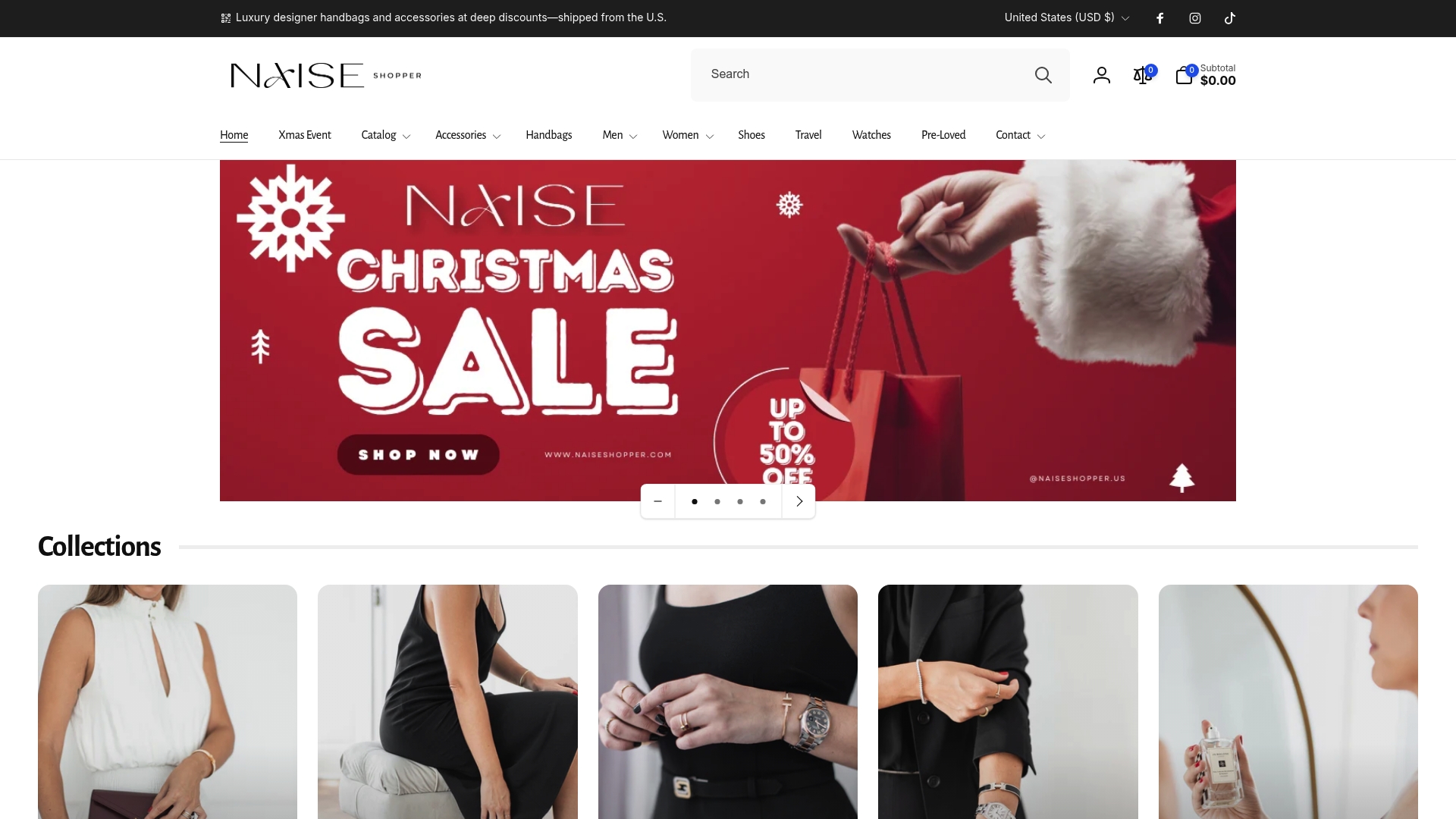
Explore Naise Shopper’s authenticated designer handbags where every item comes with guaranteed authenticity and curated quality. With global pricing, secure shipping, and seasonal promotions tailored for savvy collectors, now is the perfect time to make your investment smart and effortless. Visit Naise Shopper today and transform your luxury fashion aspirations into a valuable, lasting asset.
Frequently Asked Questions
How can I verify the authenticity of a designer bag before purchasing?
To verify the authenticity of a designer bag, inspect key features such as stitching quality, hardware materials, and serial numbers. Request multiple high-resolution photographs from the seller to ensure you can assess these details clearly.
What factors should I consider when assessing the resale value of a luxury handbag?
When evaluating the resale value of a luxury handbag, consider factors like brand reputation, limited edition status, and overall condition. Research recent secondary market prices to understand current demand trends, allowing you to make informed investment decisions.
How can I properly evaluate the condition of a used designer bag?
Inspect the bag for signs of wear, such as leather grain consistency, hardware functionality, and stitching precision. Conduct your evaluation in natural light to detect subtle imperfections, ensuring you fully understand the bag’s condition before investing.
What accessories and packaging should I look for with a luxury handbag?
Check for original accessories like dust bags, authenticity cards, and purchase receipts, as they significantly impact the bag’s investment value. Ensure these items are in excellent condition to maximize the bag’s resale potential.
How do seasonal promotions affect the price of luxury handbags?
Seasonal promotions can provide strategic opportunities to purchase luxury handbags at reduced prices. Keep track of designers’ sale calendars and understand historical discount patterns to align your purchases with these events, potentially saving you a significant amount.
What are the best practices for storing a luxury handbag?
Proper storage of a luxury handbag involves keeping it in a climate-controlled environment and using acid-free archival materials. Invest in breathable dust bags and structured supports to maintain the bag’s shape while protecting it from moisture and sunlight.