Most luxury shoppers now turn to digital platforms, with over $20 billion in luxury fashion sales expected online in 2024. For buyers from every continent, including american trendsetters, e-commerce means designer pieces are just a click away. Demand for authentication, global access, and unique experiences has never been higher. This article explores the evolution of luxury fashion e-commerce and offers insights on making secure, rewarding purchases wherever you shop.
Table of Contents
- Defining Luxury Fashion E-Commerce Today
- Types of Luxury Fashion E-Commerce Models
- Authentication and Quality Assurance Processes
- Global Shopping Experience and User Benefits
- Risks, Red Flags, and Secure Buying Tips
Key Takeaways
| Point | Details |
|---|---|
| E-Commerce Transformation | Luxury fashion e-commerce has shifted to personalized, immersive digital platforms, emphasizing consumer interaction with high-end fashion. |
| Authentication Importance | Robust authentication processes are crucial for verifying luxury product legitimacy, protecting consumers from counterfeits. |
| Diverse Trade Models | Single-brand sites and multi-brand platforms are key players in luxury e-commerce, each offering unique user experiences. |
| Global Accessibility | Luxury fashion e-commerce enables global access to designer collections, enhancing consumer benefits through technology-driven experiences. |
Defining Luxury Fashion E-Commerce Today
Luxury fashion e-commerce has undergone a dramatic transformation, shifting from traditional retail models to sophisticated digital platforms that offer personalized, immersive shopping experiences. Global market data reveals that fashion leads luxury product online sales, with projected revenues expected to exceed $20 billion in 2024. This evolution represents more than just a sales channel transition - it signifies a fundamental reimagining of how consumers interact with high-end fashion.
Today’s luxury e-commerce platforms leverage advanced technologies to create seamless, intelligent shopping experiences. Advanced data analytics and AI enable personalized recommendations that mirror the tailored service once exclusive to boutique in-store interactions. These digital platforms now offer virtual styling consultations, precise size recommendations, and curated collections that feel individually crafted for each shopper.
The contemporary luxury fashion e-commerce model distinguishes itself through several key characteristics. Brands are integrating sustainability initiatives, offering eco-friendly materials and carbon-neutral shipping options that appeal to environmentally conscious consumers. Transparency in sourcing, authentication processes, and ethical production have become critical differentiators. Moreover, these platforms provide global access to designer collections, democratizing luxury fashion by removing geographic and economic barriers that traditionally limited high-end fashion consumption.
Pro Tip for Smart Luxury Shopping: Research authentication processes and understand return policies before making significant luxury fashion investments online. Always verify the platform’s reputation, customer protection guarantees, and detailed product verification methods to ensure a secure purchasing experience.
The future of luxury fashion e-commerce lies in creating immersive, personalized digital environments that seamlessly blend technology, style, and individual expression.
Types of Luxury Fashion E-Commerce Models
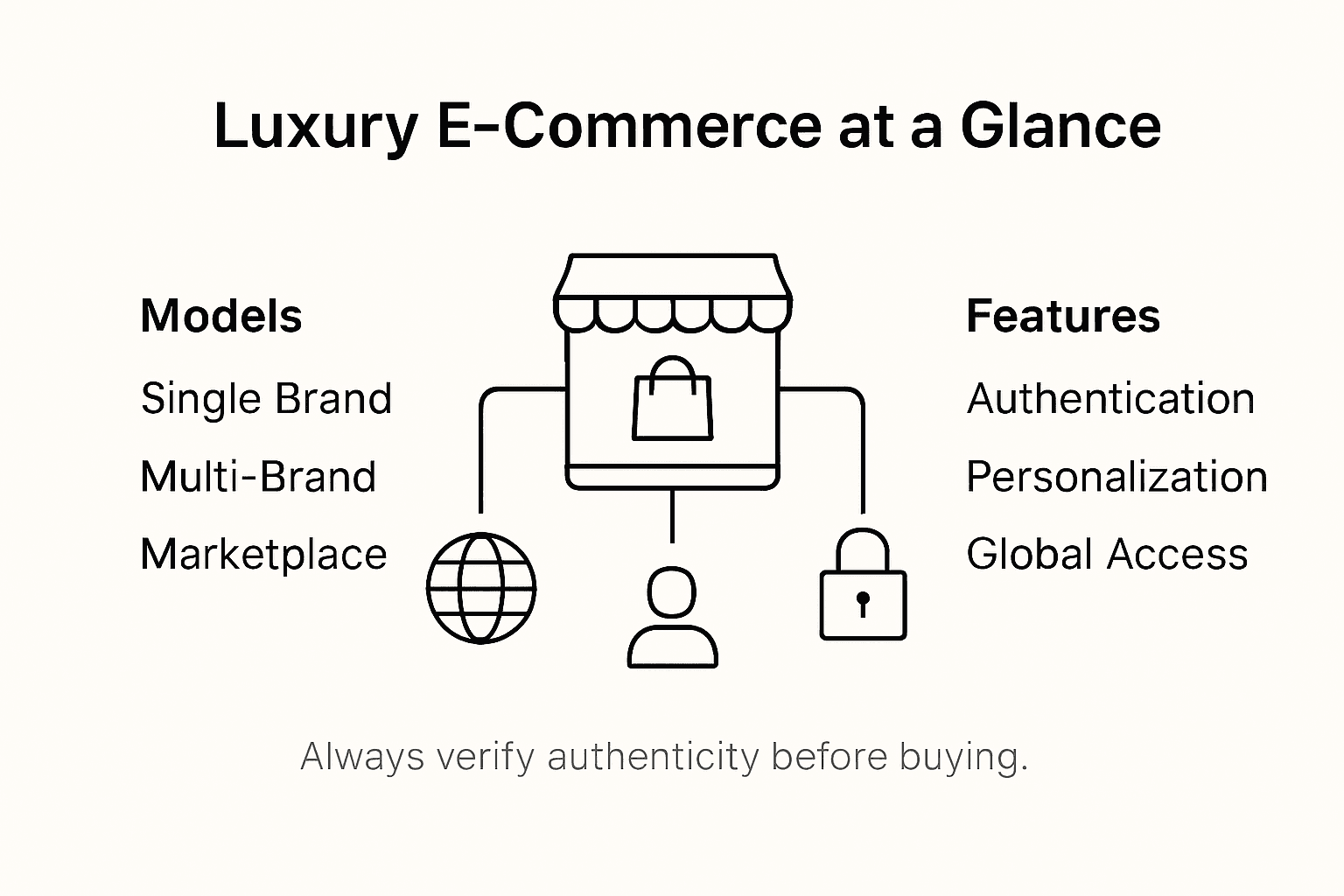
Luxury fashion e-commerce has evolved into a diverse ecosystem of digital retail models, each offering unique approaches to connecting high-end fashion with discerning consumers. Single-brand websites, multi-brand platforms, and digital marketplaces now compete for consumer attention, representing a sophisticated landscape of online luxury retail strategies.
The primary models of luxury fashion e-commerce can be categorized into distinct approaches. Single-brand websites remain dominant, allowing designer labels to maintain strict brand control and provide immersive brand experiences directly to consumers. Multi-brand platforms have gained significant traction by offering curated collections from multiple designers, providing shoppers with broader selection and comparative shopping experiences. Emerging designers are increasingly utilizing innovative digital commerce models, integrating social media marketing and direct-to-consumer platforms to compete with established luxury retailers.
These e-commerce models differ significantly in their strategic approaches. Dedicated single-brand sites focus on brand storytelling and exclusive product presentations, while multi-brand marketplaces emphasize convenience and variety. Collaborative platforms are emerging that blend traditional retail strategies with digital innovations, allowing smaller designers to reach global audiences through strategic online partnerships. The most successful models incorporate personalized shopping experiences, robust authentication processes, and seamless digital interactions that mirror the luxury in-store experience.
Here is a quick comparison of major luxury fashion e-commerce models and their strategic strengths:
| Model Type | Unique Advantages | Typical User Experience |
|---|---|---|
| Single-Brand Website | Consistent brand vision and control | Immersive, tailored brand journey |
| Multi-Brand Platform | Diverse designer selection | Easy product comparison, variety |
| Digital Marketplace | Access to emerging designers | Dynamic, community-driven curation |
Pro Tip for Smart Online Luxury Shopping: Research the platform’s authentication processes and return policies before making significant fashion investments. Verify the website’s reputation, understand their customer protection guarantees, and carefully examine their product verification methods to ensure a secure purchasing experience.
The future of luxury fashion e-commerce will continue to evolve, driven by technological innovations and changing consumer expectations for personalized, accessible, and transparent online shopping experiences.
Authentication and Quality Assurance Processes
Authentication has become a critical cornerstone of luxury fashion e-commerce, transforming how consumers validate the legitimacy and quality of high-end designer products. Advanced named-entity recognition models are now being developed to address complex challenges in product verification, leveraging sophisticated technological approaches to distinguish genuine luxury items from potential counterfeits.
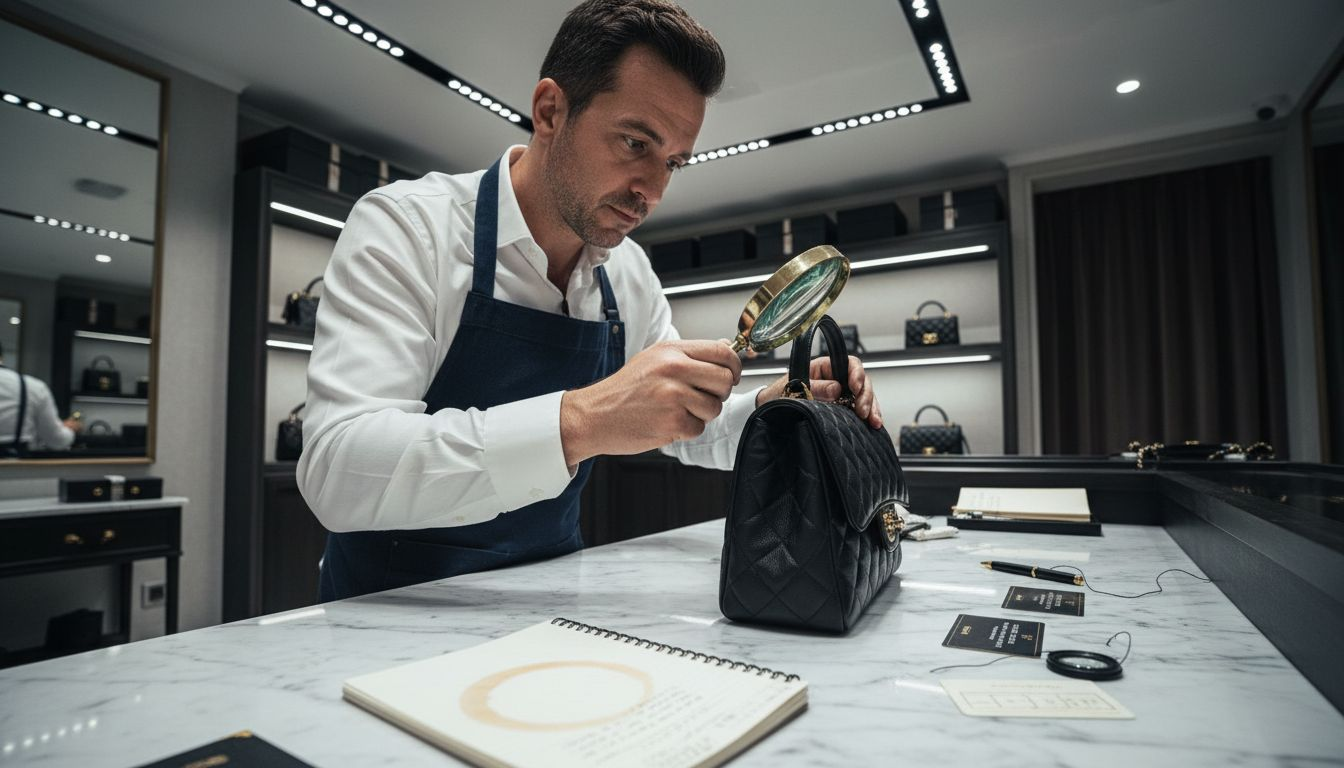
The authentication process in luxury e-commerce involves multiple sophisticated layers of verification. Technical expertise and advanced technological frameworks play crucial roles in ensuring product integrity. Sequential large language model frameworks are emerging as powerful tools for improving product authentication, enabling more nuanced and accurate verification processes that go beyond traditional visual inspection methods. These technological innovations allow platforms to cross-reference intricate details, material specifications, manufacturing histories, and unique product characteristics with unprecedented precision.
Modern authentication protocols typically incorporate a comprehensive approach that combines multiple verification techniques. These include detailed visual inspections by trained experts, advanced digital imaging technologies, provenance documentation analysis, and machine learning algorithms capable of detecting microscopic variations that might indicate counterfeit production. Luxury fashion e-commerce platforms invest heavily in developing robust verification systems that provide consumers with transparent, trustworthy mechanisms for validating product authenticity, ultimately protecting both the brand’s reputation and the consumer’s investment.
This table summarizes key authentication methods and the benefits they provide for luxury shoppers:
| Authentication Method | Description | User Benefit |
|---|---|---|
| Expert Visual Review | Specialist inspects physical details | Reduces risk of counterfeits |
| Provenance Documentation | Tracks product ownership history | Verifies legitimacy and authenticity |
| AI-Powered Analysis | Uses algorithms to detect discrepancies | Identifies subtle or hidden forgeries |
Pro Tip for Smart Authentication: Request comprehensive authentication documentation, including detailed provenance records and expert verification certificates, before finalizing any significant luxury fashion purchase online. Always confirm the platform’s specific authentication processes and guarantee mechanisms.
The future of luxury fashion authentication lies in continuously evolving technological frameworks that balance sophisticated verification techniques with seamless, user-friendly consumer experiences.
Global Shopping Experience and User Benefits
Luxury fashion e-commerce has transformed the global shopping landscape, providing unprecedented access to high-end designer collections through sophisticated digital platforms. Global luxury retail platforms now offer enhanced customer support and personalized experiences, revolutionizing how consumers interact with premium fashion brands across international markets.
The modern global shopping experience extends far beyond traditional transactional models. Personalization and global accessibility have become key differentiators in luxury e-commerce. Digital platforms now leverage advanced technologies to create immersive shopping experiences that transcend geographic boundaries, offering curated collections, real-time styling consultations, and seamless international shipping options. Luxury fashion brands are strategically integrating sustainability initiatives into their digital strategies, appealing to environmentally conscious consumers by showcasing eco-friendly practices and materials.
User benefits in contemporary luxury e-commerce are multifaceted and sophisticated. Consumers now enjoy unprecedented advantages such as comprehensive product authentication, detailed digital product representations, virtual try-on technologies, and transparent sourcing information. These platforms provide global shoppers with tools to make informed purchasing decisions, including high-resolution imagery, precise sizing recommendations, material composition details, and comprehensive product histories that were previously unavailable in traditional retail environments.
Pro Tip for Smart Global Shopping: Research the platform’s international shipping policies, import duties, and return procedures before making cross-border luxury fashion purchases. Understanding these details can help you avoid unexpected costs and complications.
The future of global luxury fashion shopping will continue to evolve, driven by technological innovations that prioritize personalization, sustainability, and seamless international consumer experiences.
Risks, Red Flags, and Secure Buying Tips
The rise of online luxury fashion resale platforms has significantly increased the complexity of purchasing designer items, introducing unprecedented challenges for discerning consumers seeking authentic luxury products. Navigating this intricate digital marketplace requires a strategic approach to identifying potential risks and protecting one’s investment in high-end fashion.
Key red flags in luxury e-commerce transactions encompass multiple dimensions of risk. Pricing anomalies, inconsistent product descriptions, and suspiciously low prices often signal potential counterfeit merchandise. Luxury brands are increasingly warning consumers about the proliferation of fraudulent online sales channels, emphasizing the critical importance of purchasing through verified, reputable platforms. Sophisticated buyers must develop a keen eye for detecting subtle indicators of potential fraud, including examining product photography, verifying seller credentials, and cross-referencing item details across multiple authoritative sources.
Secure buying in luxury e-commerce demands a comprehensive verification strategy. Consumers should prioritize platforms offering transparent authentication processes, including detailed provenance documentation, expert verification mechanisms, and robust return policies. Advanced buyers utilize multiple verification techniques such as examining high-resolution product images, requesting additional documentation, checking serial numbers, and consulting expert authentication services. Payment protection, secure transaction methods, and platforms with established reputations provide additional layers of consumer security.
Pro Tip for Fraud Prevention: Always request comprehensive authentication documentation and verify the platform’s return policy before completing any luxury fashion purchase. Utilize reverse image search tools and consult multiple expert sources to validate product authenticity.
The future of secure luxury fashion e-commerce will depend on continuous technological innovations that enhance consumer protection and streamline authentication processes.
Experience Authentic Luxury Fashion With Confidence
The article highlights key challenges like verifying authenticity and navigating complex global luxury e-commerce. You want genuine designer pieces from brands like Gucci or Chanel without risking counterfeit products or confusing international shipping policies. Naise Shopper understands these concerns and offers a secure solution that aligns with concepts such as advanced authentication, worldwide access, and transparent shopping experiences.
Shop with peace of mind at Naise Shopper where every item is guaranteed authentic. Benefit from curated collections, secure international shipping, and flexible payments tailored to your location. Discover how we make luxury accessible through expert verification processes and personal shopper assistance.
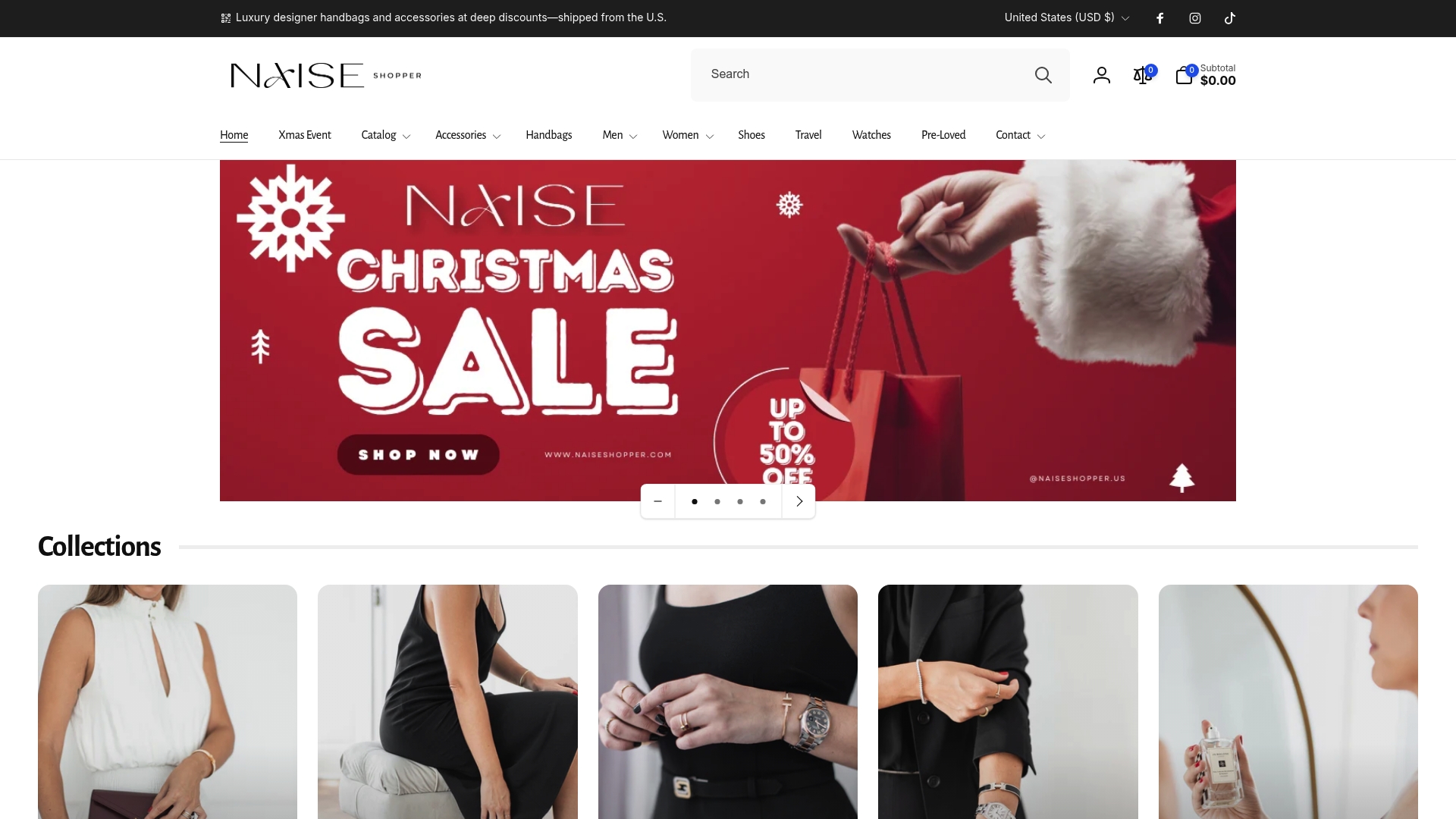
Find your next statement piece today by visiting the Naise Shopper landing page. Unlock exclusive discounts on designer handbags, shoes, and accessories while enjoying safe, verified purchases. Act now to elevate your wardrobe with authentic luxury without compromise.
Frequently Asked Questions
What are the key characteristics of luxury fashion e-commerce today?
Luxury fashion e-commerce today is characterized by personalized shopping experiences, advanced technologies for product recommendations, and an emphasis on sustainability and transparency in sourcing and production.
How do authentication processes work in luxury fashion e-commerce?
Authentication processes often involve multiple verification techniques, including expert visual inspections, provenance documentation, and AI-powered analysis to ensure the legitimacy of luxury products and reduce the risk of counterfeits.
What types of luxury fashion e-commerce models exist?
The main types of luxury fashion e-commerce models include single-brand websites, multi-brand platforms, and digital marketplaces, each offering distinct advantages in terms of brand control, product variety, and access to emerging designers.
What should consumers consider when shopping for luxury fashion online?
Consumers should research the platform’s authentication processes and return policies, verify seller credentials, and ensure secure payment options to protect their investments in luxury fashion products.