Luxury resale has transformed the way american and European women approach designer handbags, with over 40 percent of buyers now viewing authenticated secondhand bags as smart investments rather than just style statements. For fashion-savvy women who appreciate both timeless style and financial sense, understanding the essentials of designer handbag resale is key to making confident purchases. Discover how platform types, authentication, and secure transactions shape the vibrant market for discounted luxury in North America and across Europe.
Table of Contents
- Defining Designer Handbag Resale And Key Concepts
- Main Types Of Resale And Platform Models
- How The Resale Process Works Step-By-Step
- Authentication, Security, And Buyer Protection
- Risks, Costs, And Common Mistakes To Avoid
Key Takeaways
| Point | Details |
|---|---|
| Resale Market Dynamics | The designer handbag resale market emphasizes sustainability and investment opportunities, allowing consumers to buy and sell pre-owned luxury items securely. |
| Authentication is Essential | Authenticity verification is crucial; utilize professional services to establish trust and protect investments when buying or selling. |
| Understanding Platform Models | Familiarize yourself with different resale platforms and their commission structures to choose the best one for your buying or selling needs. |
| Mitigating Financial Risks | Be aware of transaction costs and market volatility; do thorough research to preserve value and make informed decisions on luxury handbag purchases. |
Defining Designer Handbag Resale and Key Concepts
The designer handbag resale market represents a dynamic ecosystem where luxury fashion intersects with economic opportunity and sustainable consumption. At its core, this market enables consumers to buy and sell pre-owned designer handbags through specialized platforms, creating a circular fashion economy that extends the lifecycle of high-end accessories. Exploring the economic dynamics of second-hand luxury goods reveals complex motivations beyond simple financial transactions.
Resale transactions in the designer handbag marketplace involve several key components: authentication, valuation, condition assessment, and secure transfer of ownership. Consumers are increasingly viewing these luxury items not just as fashion statements, but as potential investment assets. Factors like brand reputation, product condition, original packaging, and market demand significantly influence a handbag’s resale value. Authenticity emerges as the most critical factor, with professional verification services playing a crucial role in establishing trust between buyers and sellers.
The psychological and social dimensions of the designer handbag resale market extend far beyond pure economic exchange. Participants are motivated by multiple factors, including environmental consciousness, financial optimization, and the desire to access luxury goods at more accessible price points. The rise of pre-loved luxury reflects broader shifts in consumer attitudes toward sustainable fashion and circular consumption models.
Pro Tip - Authentication Strategy: Always request comprehensive authentication documentation and professional verification before finalizing any high-value designer handbag resale transaction, ensuring you protect your investment and receive a genuine product.
Main Types of Resale and Platform Models
The designer handbag resale landscape encompasses diverse platform models, each offering unique approaches to connecting buyers and sellers in the luxury secondhand market. Comprehensive analysis of luxury resale market structures reveals four primary platform types: digital pure-play resale platforms, traditional consignment shops, peer-to-peer marketplaces, and specialized auction houses.
Digital Pure-Play Platforms represent the most technologically advanced model, offering comprehensive online experiences with rigorous authentication processes. These platforms typically provide end-to-end services including professional photography, pricing guidance, secure payment processing, and guaranteed authenticity. Their business model centers on taking a percentage commission from successful sales, creating a low-risk environment for both sellers and buyers seeking designer handbags.
Consignment and peer-to-peer models offer alternative approaches to luxury handbag resale. Consignment shops function as intermediary services, accepting designer items from sellers, professionally evaluating and displaying them, and handling the entire sales transaction for a predetermined commission. Peer-to-peer marketplaces, in contrast, enable direct interactions between individual sellers and buyers, providing more flexibility but requiring more personal involvement in authentication and transaction management.
Specialized auction houses represent the most traditional resale model, often catering to high-end, rare, or collector-grade designer handbags. These platforms typically attract serious collectors and investors willing to pay premium prices for unique or limited-edition pieces. They offer extensive provenance documentation, expert authentication, and curated selling environments that appeal to discerning luxury consumers.
Here’s a comparison of leading designer handbag resale platform models and their distinct business features:
| Platform Type | Authentication Approach | Seller Involvement | Typical Commission Rates |
|---|---|---|---|
| Digital Pure-Play | In-house experts with technology | Minimal | 20%–35% |
| Consignment Shop | Professional staff verification | Moderate | 25%–40% |
| Peer-to-Peer Marketplace | Manual, often user led | High | 10%–20% |
| Auction House | Expert and provenance teams | Low | 15%–25% + listing fees |
Pro Tip - Platform Selection Strategy: Research each platform’s authentication process, commission rates, and seller protection policies before choosing where to sell or purchase your designer handbag, ensuring you select the most suitable marketplace for your specific needs.
How the Resale Process Works Step-by-Step
Comprehensive guidance on designer handbag resale transactions reveals a structured process that transforms pre-owned luxury accessories into valuable marketplace opportunities. The resale journey begins with careful preparation, where sellers must meticulously assess their designer handbag’s condition, authenticity, and market potential before initiating the selling process.
The initial stages involve critical steps of documentation and evaluation. Sellers must gather comprehensive information including original purchase receipts, authenticity cards, dust bags, and packaging. Professional Photography emerges as a crucial element, requiring high-quality, well-lit images that showcase the handbag from multiple angles, highlighting both its pristine features and any potential wear or imperfections. Detailed seller preparation techniques recommend creating a transparent visual narrative that builds buyer confidence and supports accurate pricing.
Authentication represents the most critical checkpoint in the resale process. Specialized platforms employ expert authentication teams who meticulously examine every aspect of the handbag, from stitching and hardware to interior tags and material quality. These professionals cross-reference multiple indicators to verify the item’s legitimacy, protecting both buyers and sellers from potential fraudulent transactions. Pricing strategies depend on factors like brand reputation, current market demand, product condition, and unique characteristics that might enhance or diminish the handbag’s resale value.
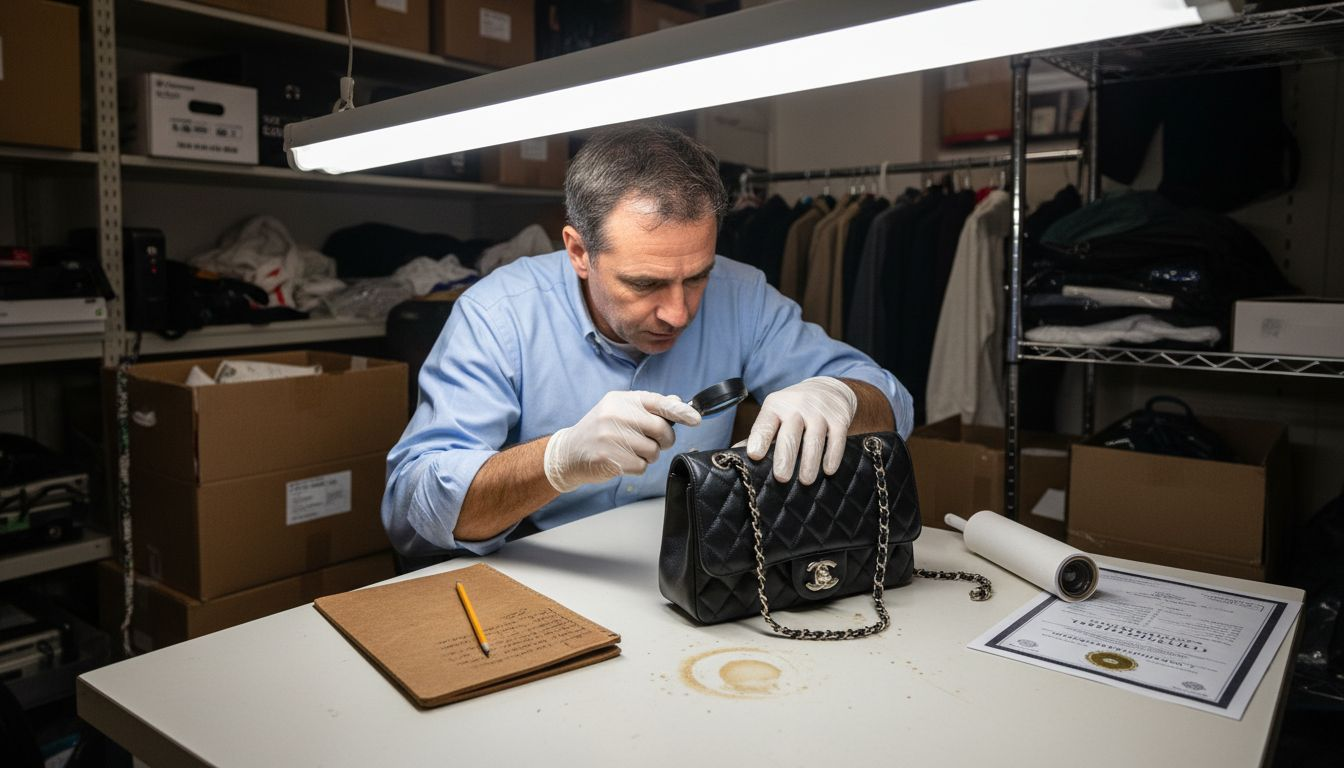
The final stages involve negotiation, secure payment processing, and shipping. Reputable platforms provide structured mechanisms for buyer-seller communication, secure payment escrow services, and comprehensive shipping guidelines that ensure the handbag reaches its new owner safely. Insurance and tracking become essential components, protecting the transaction’s financial and logistical integrity.
Pro Tip - Condition Documentation: Photograph and document every detail of your designer handbag, including minor imperfections, to establish complete transparency and build trust with potential buyers during the resale process.
Authentication, Security, and Buyer Protection
Comprehensive technological approaches to luxury item authentication reveal a complex ecosystem of security measures designed to protect consumers in the designer handbag resale market. Authentication has evolved from traditional expert-based processes to sophisticated multi-layered verification systems that combine human expertise with cutting-edge technological solutions.
Digital Authentication Technologies represent the most significant advancement in securing designer handbag transactions. Modern platforms employ advanced techniques including serial number tracking, blockchain verification, artificial intelligence image recognition, and microscopic material analysis. These technologies enable precise identification of genuine products, dramatically reducing the risk of counterfeiting. Expert authentication teams cross-reference multiple data points, examining intricate details such as stitching consistency, hardware quality, material sourcing, and manufacturing techniques that counterfeiters struggle to replicate accurately.
Buyer protection mechanisms have become increasingly sophisticated, offering comprehensive safeguards throughout the transaction process. Reputable resale platforms typically provide guaranteed authenticity warranties, secure escrow payment systems, and comprehensive return policies that protect consumers from potential fraudulent listings. These protections often include full refunds if an item is proven inauthentic, professional third-party verification services, and detailed condition reporting that ensures transparency between buyers and sellers. Sophisticated platforms implement multi-factor authentication protocols, including seller verification, transaction history reviews, and real-time communication tracking.
The legal and technological landscape of designer handbag resale continues to evolve, with emerging technologies like blockchain and AI creating unprecedented levels of transaction security. These innovations enable near-instantaneous verification, create permanent transaction records, and provide consumers with unprecedented confidence in secondhand luxury purchases. Machine learning algorithms can now detect microscopic differences in manufacturing techniques, material compositions, and design nuances that human experts might overlook.
Pro Tip - Authentication Verification: Always request comprehensive documentation, including original receipts, authenticity cards, and detailed provenance information before finalizing any high-value designer handbag purchase to ensure maximum transaction security.
Risks, Costs, and Common Mistakes to Avoid
Comprehensive analysis of designer handbag resale pitfalls reveals a complex landscape of financial and strategic challenges that can significantly impact investment returns. The designer handbag resale market demands careful navigation, with potential risks ranging from market volatility to authentication challenges that can dramatically affect a luxury item’s value.
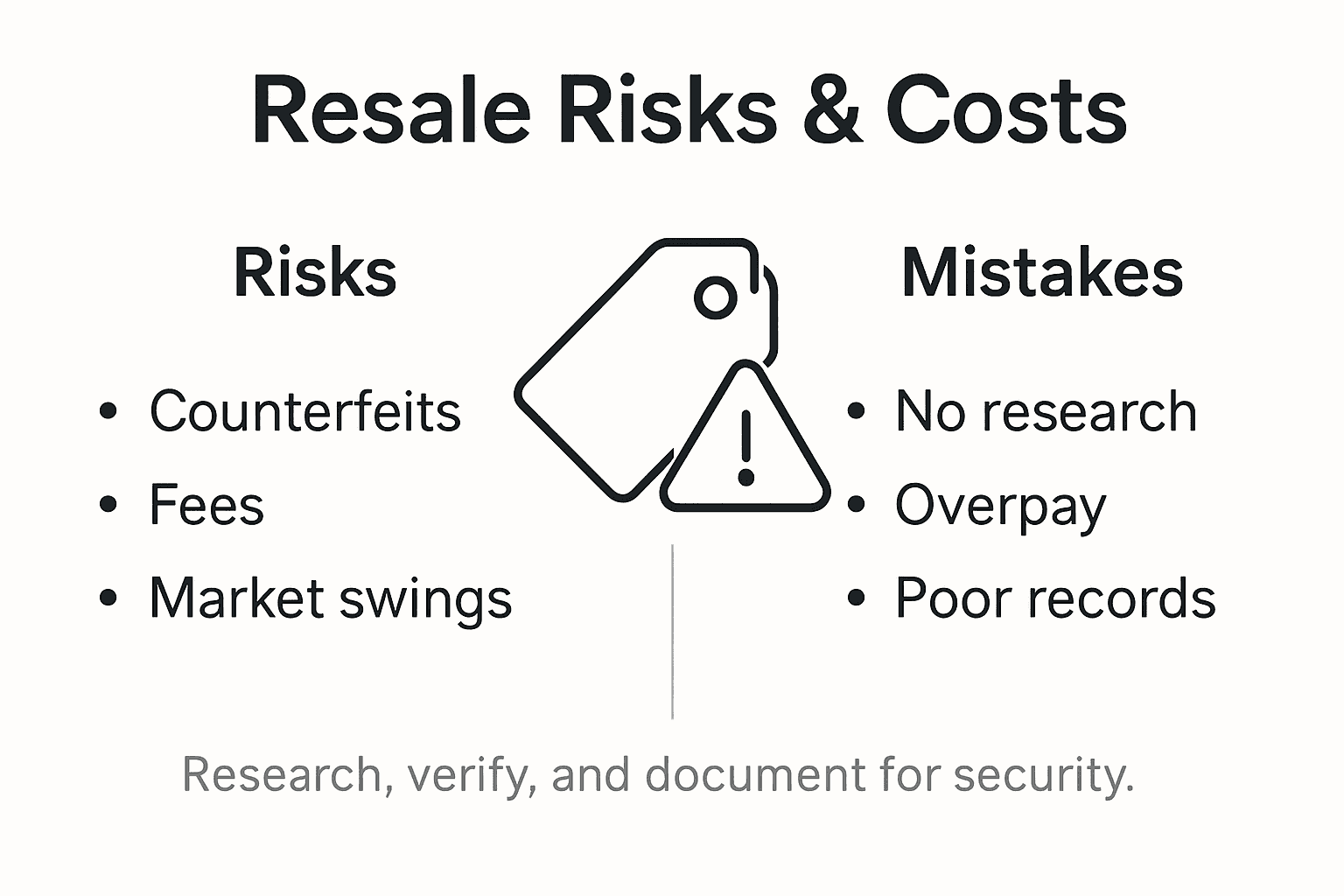
Financial Risks represent the most critical consideration for potential sellers and buyers. Transaction costs can consume a substantial portion of potential profits, including platform commissions typically ranging from 15% to 40%, shipping expenses, potential authentication fees, and potential value depreciation. Some platforms charge additional fees for professional photography, listing maintenance, and secure payment processing. Sellers must carefully calculate these expenses against potential resale value, understanding that not all designer handbags appreciate or maintain their initial investment value.
Market-specific risks include rapid trend cycles, brand reputation fluctuations, and condition-related value reductions. Luxury handbags can experience significant value drops based on factors like seasonal trends, designer reputation changes, and observable wear. Collectors and investors must develop sophisticated strategies to mitigate these risks, which include maintaining original packaging, preserving pristine condition, selecting timeless designs, and understanding nuanced market dynamics that influence resale potential. Some handbags might lose up to 50% of their original value within months of purchase, while others can become appreciating collectible assets.
Below is a summary of common financial risks, mitigation strategies, and market challenges in luxury handbag resale:
| Risk Category | Example Challenge | Mitigation Strategy |
|---|---|---|
| Transaction Costs | High platform commissions | Compare fees before selling |
| Value Depreciation | Style falls out of favor | Choose timeless designs |
| Authentication | Counterfeit risk | Use third-party verification |
| Trend Volatility | Rapid market shifts | Track price histories |
Common mistakes in the designer handbag resale market often stem from emotional purchasing, insufficient research, and neglecting long-term value preservation. Buyers frequently chase micro-trends, purchase based on momentary popularity, or fail to understand the importance of provenance and authentication. Successful resale participants develop a strategic approach that balances aesthetic appreciation with investment potential, carefully documenting each item’s history, maintaining meticulous condition, and making informed purchasing decisions based on comprehensive market research.
Pro Tip - Value Assessment Strategy: Conduct thorough market research, document your handbag’s complete provenance, and maintain impeccable condition to maximize potential resale value and minimize financial risks in the designer handbag marketplace.
Secure Your Designer Handbag Investment with Confidence
Navigating the complex world of designer handbag resale requires trust in authenticity and smart purchasing decisions. This article highlights the challenges of authentication, market volatility, and value preservation that every luxury shopper faces. At Naise Shopper, we understand these concerns and provide a seamless solution with a curated collection of authenticated designer handbags from brands like Gucci, Chanel, and Prada, ensuring you never compromise on quality or security.
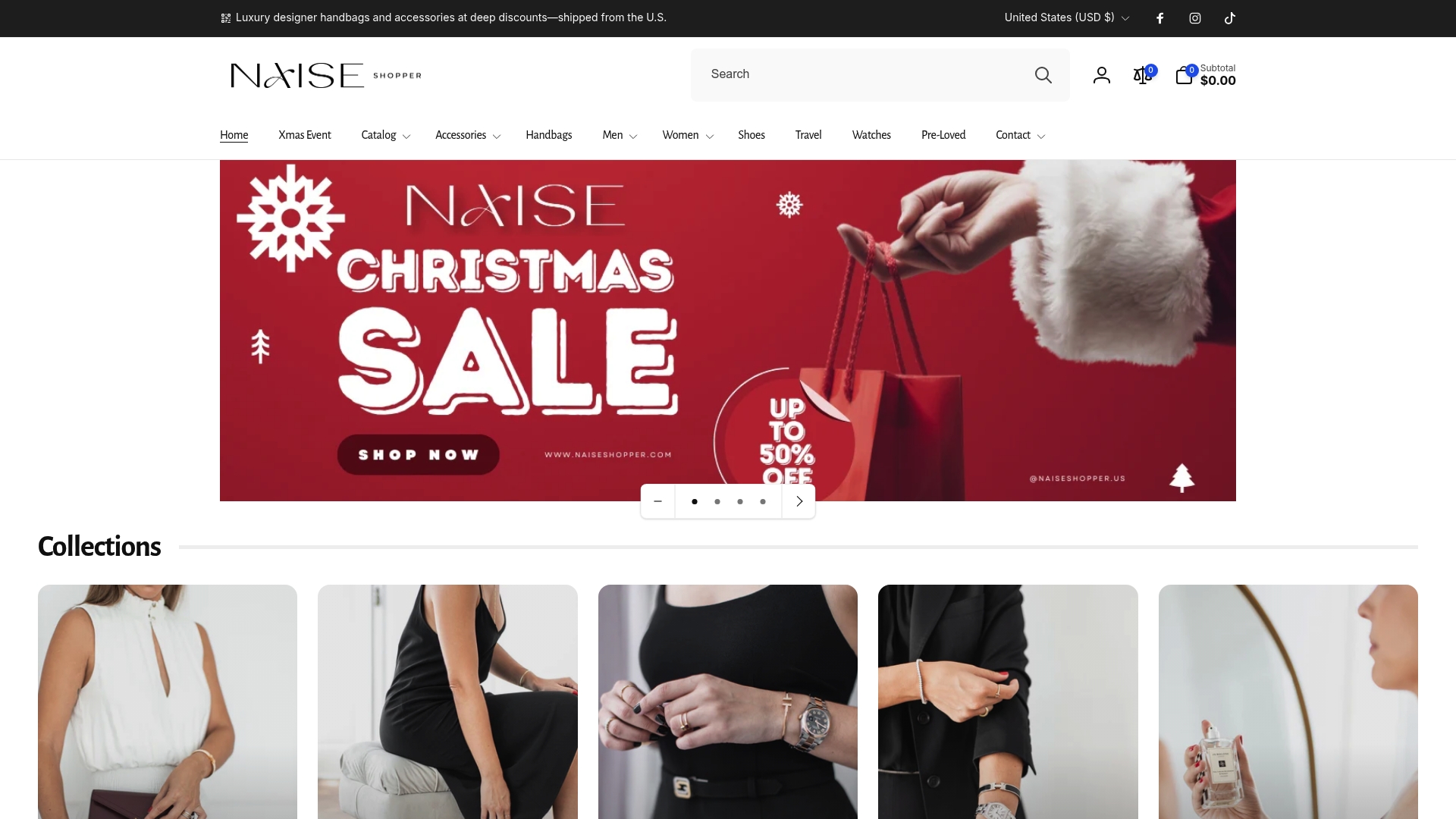
Explore our guaranteed authentic luxury handbags on Naise Shopper where deep discounts meet expert authentication processes. Benefit from international secure shipping and flexible payment options that make luxury more accessible. Take control of your luxury wardrobe and investment by shopping confidently today. Visit Naise Shopper and experience a new level of trust and convenience in luxury fashion shopping.
Frequently Asked Questions
What factors influence the resale value of designer handbags?
The resale value of designer handbags is influenced by brand reputation, product condition, original packaging, market demand, and authenticity verification. A well-maintained handbag from a reputable brand typically holds its value better.
How can I ensure the authenticity of a designer handbag before purchasing it?
To ensure authenticity, always request comprehensive documentation, including original receipts and authenticity cards. Utilize professional authentication services or platforms that offer guaranteed authenticity warranties to protect your investment.
What are the main types of resale platforms for designer handbags?
The primary types of resale platforms include digital pure-play platforms with robust online services, traditional consignment shops that handle sales on your behalf, peer-to-peer marketplaces for direct seller-buyer interactions, and specialized auction houses for high-end or collector items.
What are common mistakes to avoid when reselling designer handbags?
Common mistakes include neglecting market research, purchasing based on emotional decisions rather than investment potential, and failing to maintain the handbag’s condition and provenance documentation. Sellers should carefully consider transaction costs and market trends to maximize profits.