Most luxury shoppers are surprised to learn that over 40 percent of global high-end fashion sales now happen outside traditional European boutiques, with the American market leading in innovative shopping experiences. For affluent international buyers, luxury fashion is not just about owning rare pieces but expressing personal taste through authentically sourced items. This article offers insight into what truly defines luxury, revealing the cultural, emotional, and design-driven elements that set premium brands apart and help you identify genuine value beyond logos and price tags.
Table of Contents
- Defining Luxury Fashion In Modern Markets
- Categories And Key Brands In Luxury Fashion
- Essential Characteristics That Set Luxury Apart
- The Role Of Authenticity And Brand Heritage
- Common Misconceptions And Buyer Pitfalls
Key Takeaways
| Point | Details |
|---|---|
| Luxury Fashion Redefined | It is no longer just about high prices but embodies symbolic value, individual identity, and cultural significance. |
| Categories of Luxury Brands | Luxury encompasses diverse segments such as haute couture, contemporary, and digital-native brands, each with unique marketing and consumer engagement strategies. |
| Importance of Authenticity | Genuine luxury is distinguished by craftsmanship and heritage, emphasizing emotional connections over superficial attributes. |
| Avoiding Buyer Pitfalls | Consumers must be wary of equating high prices with value, focusing instead on brand history, quality, and authentic experiences. |
Defining Luxury Fashion in Modern Markets
Luxury fashion represents a sophisticated intersection of creativity, craftsmanship, and cultural expression that transcends traditional product boundaries. Understanding modern luxury requires examining its complex, multidimensional nature, which goes far beyond simple material value. Dynamic cultural definitions of luxury reveal a nuanced landscape where individual perception and social context play critical roles in determining what constitutes high-end fashion.
At its core, luxury fashion embodies more than exceptional quality - it communicates symbolic value, individual identity, and social positioning. Researchers have identified key universal attributes that define luxury across global markets, including rarity, superior craftsmanship, exclusivity, and emotional resonance. These characteristics manifest differently across cultures, demonstrating that luxury is not a monolithic concept but a fluid, adaptive experience shaped by regional economic and social dynamics.
Modern luxury markets increasingly emphasize personal meaning and experiential elements alongside traditional markers of status. Consumers now seek authentic narratives, sustainable practices, and innovative design that reflect individual values. This shift represents a profound transformation from viewing luxury as mere conspicuous consumption to understanding it as a complex form of self-expression and cultural dialogue. Brands must now navigate increasingly sophisticated consumer expectations that prioritize meaningful connections over pure material acquisition.
Pro tip: When evaluating luxury fashion items, look beyond brand names and consider the unique story, craftsmanship, and personal significance that make a piece truly valuable.
Categories and Key Brands in Luxury Fashion
Luxury fashion encompasses diverse categories that reflect sophisticated market segmentation and brand positioning strategies. Strategic brand classification frameworks reveal complex approaches to differentiating luxury offerings beyond traditional product lines. These categories typically include haute couture, ready-to-wear, leather goods, accessories, and specialized luxury segments that cater to increasingly discerning global consumers.
Traditional luxury fashion brands can be broadly classified into three primary archetypes: heritage houses, contemporary luxury brands, and emerging digital-native brands. Heritage houses like Chanel and Louis Vuitton represent generational craftsmanship and timeless design, while contemporary brands such as Gucci continuously reinvent themselves through innovative marketing and creative direction. Digital-native luxury brands are disrupting traditional market dynamics by leveraging technology, social media, and personalized consumer experiences to establish unique market positioning.
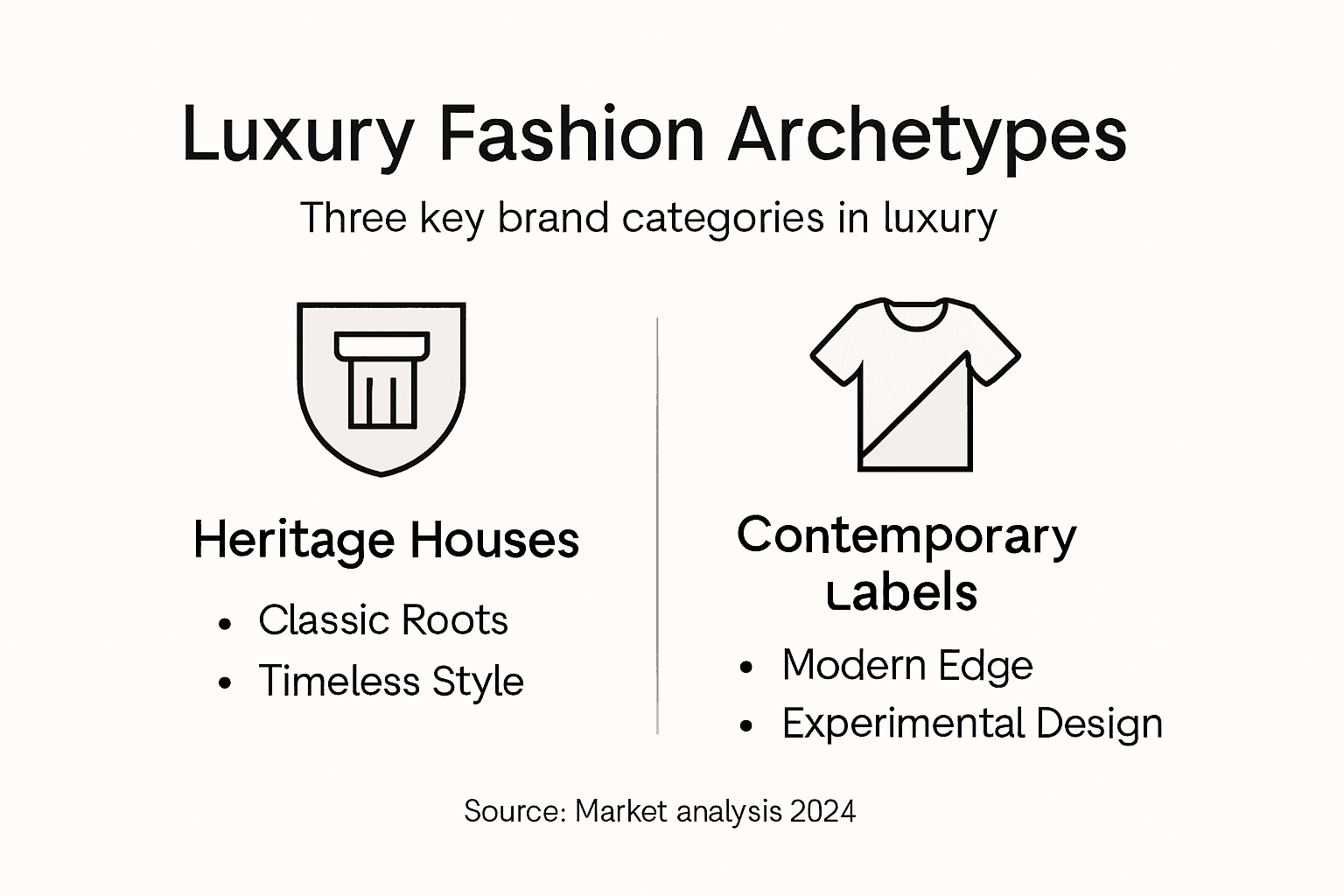
Here’s a summary of the main categories of luxury fashion brands and what distinguishes each type:
| Brand Archetype | Defining Traits | Key Examples |
|---|---|---|
| Heritage Houses | Generational legacy, timeless design | Chanel, Louis Vuitton |
| Contemporary Luxury | Innovation, trend adaptation | Gucci, Balenciaga |
| Digital-Native Brands | Tech-driven, personalized experiences | Farfetch, The RealReal |
Brands within luxury fashion distinguish themselves through multiple dimensions beyond product quality. Innovative design, cultural relevance, storytelling, craftsmanship, and brand heritage collectively contribute to a brand’s perceived value and consumer appeal. This multifaceted approach allows luxury brands to create emotional connections that transcend mere material transactions, transforming products into symbols of individual identity and cultural expression.
Pro tip: When exploring luxury fashion brands, look beyond surface aesthetics and investigate the unique narrative, design philosophy, and cultural significance that define each brand’s distinctive character.
Essential Characteristics That Set Luxury Apart
Defining luxury characteristics reveals a complex landscape of attributes that elevate fashion beyond standard consumer goods. Luxury is fundamentally distinguished by several core characteristics that create a profound psychological and social value proposition. These essential traits include unparalleled exclusivity, extraordinary craftsmanship, symbolic significance, and an ability to communicate status and personal identity far beyond the physical product itself.
The most critical dimensions of luxury fashion transcend mere material quality, encompassing emotional and experiential elements that resonate deeply with consumers. Superior design, meticulous attention to detail, limited production runs, and a compelling brand narrative collectively contribute to creating an aura of desirability. Luxury brands strategically cultivate these characteristics through innovative design, cultural relevance, and an unwavering commitment to maintaining a sense of rarity and exceptional performance that separates them from mainstream market offerings.
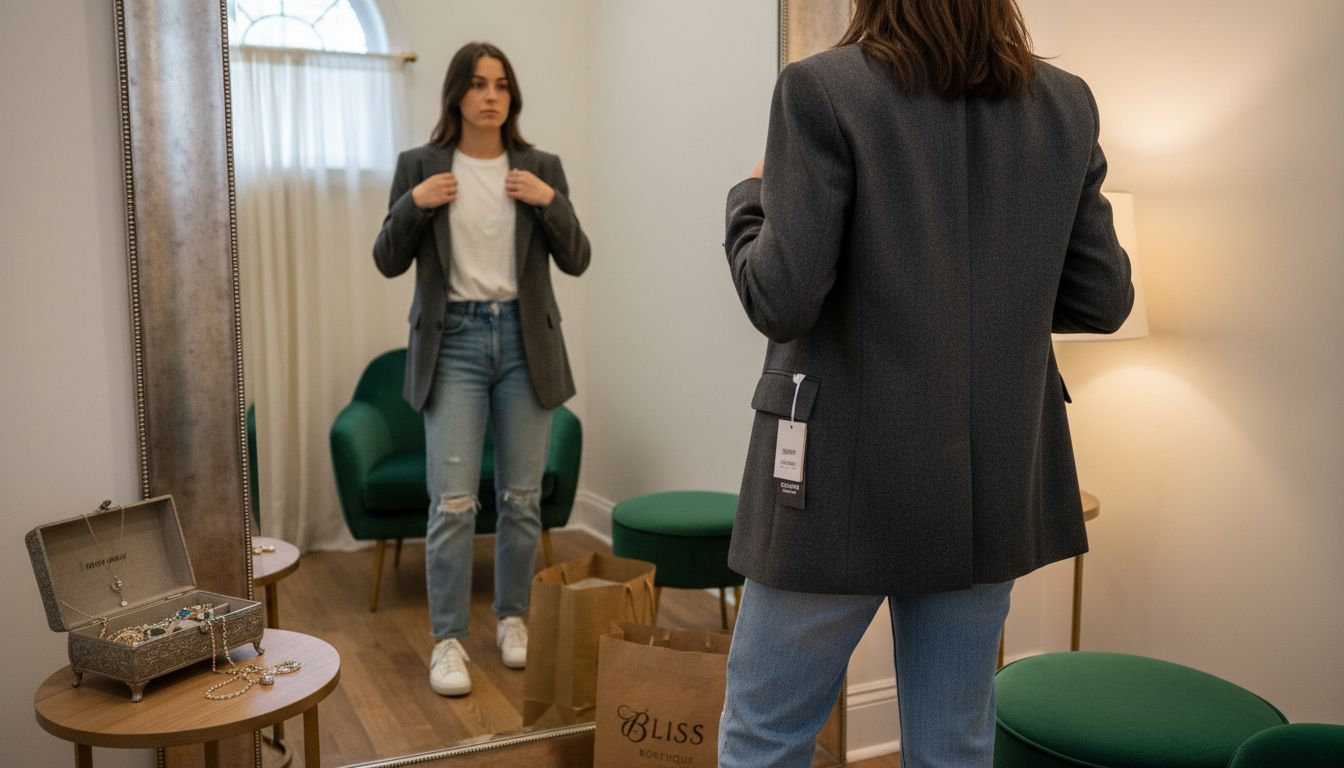
Beyond tangible attributes, luxury fashion generates profound psychological benefits for consumers. These brands offer more than products - they provide experiences, emotional connections, and social signaling mechanisms that allow individuals to express personal aspiration and cultural sophistication. The intricate combination of heritage, innovation, and carefully curated brand identity enables luxury fashion to transform ordinary objects into extraordinary symbols of personal achievement and aesthetic discernment.
Pro tip: When assessing luxury fashion items, evaluate them not just by price or brand name, but by their unique narrative, craftsmanship quality, and ability to communicate your individual style and cultural understanding.
The Role of Authenticity and Brand Heritage
Strategic brand heritage analysis reveals authenticity as a critical differentiator in luxury fashion’s complex ecosystem. Luxury brands cultivate profound narratives that transcend mere product creation, transforming historical legacies into powerful emotional experiences. These narratives are meticulously constructed through carefully curated storytelling that connects consumers with the brand’s foundational principles, craftsmanship traditions, and unique cultural significance.
Authenticity in luxury fashion operates on multiple sophisticated levels, extending far beyond simple historical references. Brands strategically leverage their heritage by demonstrating consistent design philosophy, maintaining rigorous quality standards, and preserving artisanal techniques passed through generations. This commitment to authenticity creates a sense of timelessness and credibility that distinguishes luxury brands from transient fashion trends, allowing them to develop deep, lasting connections with discerning consumers who value meaningful historical context.
The psychological impact of brand heritage cannot be overstated. Consumers seek luxury products that represent more than material possessions - they desire symbols of cultural sophistication, personal aspiration, and connection to larger narratives of excellence and creativity. By consistently reinforcing their unique origins, craftsmanship principles, and innovative spirit, luxury brands transform their heritage into a dynamic, living concept that continues to evolve while maintaining core authenticity and integrity.
Pro tip: When evaluating luxury brands, look beyond surface aesthetics and investigate the depth of their historical narrative, commitment to original craftsmanship principles, and ability to innovate while respecting traditional techniques.
Common Misconceptions and Buyer Pitfalls
Luxury brand misconceptions reveal complex psychological traps that frequently mislead consumers in the luxury fashion marketplace. The most pervasive misunderstanding is equating high price with inherent value, a dangerous assumption that can lead buyers to make uninformed purchasing decisions. Luxury is not simply about cost, but about craftsmanship, design integrity, brand heritage, and the emotional experience a product provides.
Consumers often fall into several critical pitfalls when navigating luxury fashion markets. These include overvaluing brand logos, misunderstanding authenticity, underestimating the importance of product research, and failing to distinguish between genuine luxury and mere marketing hype. Sophisticated buyers recognize that true luxury transcends superficial indicators, requiring deep understanding of design philosophy, material quality, and the brand’s unique narrative and cultural significance.
Use this table to distinguish true luxury from common misconceptions and pitfalls:
| Misconception | Reality About Luxury | Practical Tip |
|---|---|---|
| High Price Equals Luxury | Authenticity matters more | Check craftsmanship and history |
| Logos Signal Value | Substance outweighs symbols | Research brand narrative deeply |
| All Expensive Is Unique | Rarity and heritage are crucial | Verify production and origin |
The global luxury market presents increasingly complex challenges for discerning consumers. Counterfeit products, misleading marketing strategies, and rapidly changing consumer preferences create additional layers of complexity. Buyers must develop critical skills in distinguishing authentic luxury offerings from mass-market imitations, understanding the nuanced differences between premium and truly exceptional products, and recognizing the intrinsic value that goes beyond immediate visual appeal or temporary trends.
Pro tip: Always verify product authenticity through multiple sources, examine craftsmanship details closely, and prioritize understanding a brand’s unique heritage over superficial status symbols.
Discover Authentic Luxury That Matches Your Style and Values
The article highlights the challenges of distinguishing true luxury from superficial brands and overpriced items. You want more than just a high price or a logo. You seek exceptional craftsmanship, authentic heritage, and meaningful personal expression. At Naise Shopper, we understand these essential characteristics of luxury fashion and bring you verified designer collections that reflect real rarity, superior design, and cultural significance.
Explore our curated selection of authenticated luxury handbags, shoes, and apparel from brands like Gucci and Chanel to experience the emotional connection and exclusivity modern consumers demand.
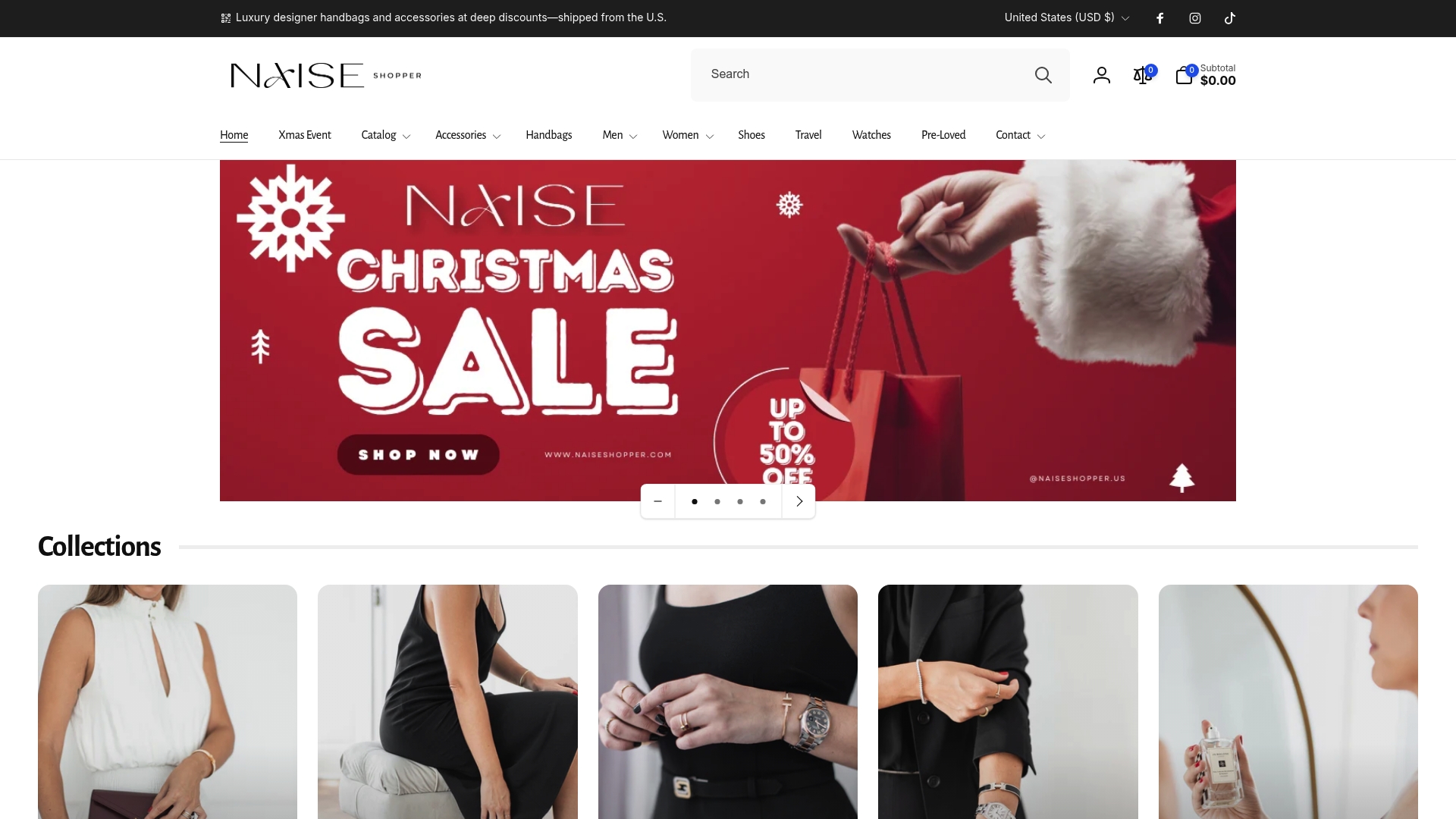
Shop now at Naise Shopper to enjoy deep discounts on genuine designer products accompanied by secure international shipping and personal shopper assistance. Don’t miss the chance to elevate your wardrobe with timeless pieces that communicate your unique identity and sophistication. Visit Naise Shopper today and redefine what luxury means to you.
Frequently Asked Questions
What are the key characteristics that define luxury fashion?
Luxury fashion is defined by traits such as unparalleled exclusivity, exceptional craftsmanship, symbolic significance, and the ability to communicate personal status and identity beyond just the physical product itself.
How do consumers’ expectations of luxury fashion change over time?
Consumers now prioritize personal meaning, authentic narratives, and sustainable practices in luxury fashion, moving away from purely material value to favoring experiences and meaningful connections.
What role does brand heritage play in luxury fashion?
Brand heritage is crucial in luxury fashion as it establishes authenticity, connects consumers with the brand’s history and craftsmanship, and creates deeper emotional experiences, making products more desirable.
How can consumers distinguish authentic luxury items from mere marketing hype?
To distinguish authentic luxury, consumers should evaluate craftsmanship, investigate the brand narrative, and look for unique qualities and rarity rather than just focusing on price or brand logos.