Most shoppers still believe luxury brands are defined by high price tags alone. In reality, the world of luxury is shaped by heritage, craftsmanship, and emotional connection, making each American or European piece far more meaningful than simple expense. For international buyers seeking genuine discounts and guaranteed authenticity, understanding the true value behind luxury names unlocks smarter wardrobe investments. Discover surprising truths about what sets verified designer collections apart from imitation, and how legacy brands earn loyal followers worldwide.
Table of Contents
- Defining Luxury Brands And Common Myths
- Heritage, Craftsmanship, And Brand Value
- Luxury Brands And Social Significance Today
- Investment Value And Long-Term Benefits
- Authenticity, Risk, And The Counterfeit Market
Key Takeaways
| Point | Details |
|---|---|
| Evolving Definition of Luxury | Luxury brands now encompass emotional resonance, identity expression, and social values, not just high prices. |
| Importance of Craftsmanship and Heritage | Authenticity and traditional craftsmanship significantly enhance brand value and consumer connection. |
| Shift Toward Ethical Consumption | Consumers increasingly prioritize sustainability and social responsibility in their luxury purchases. |
| Investment Potential of Luxury Goods | Select luxury items can appreciate in value, making them strategic investments beyond mere consumption. |
Defining Luxury Brands and Common Myths
Luxury brands represent far more than expensive products—they embody complex cultural and psychological narratives that transcend simple monetary value. Multifaceted luxury interpretations reveal a sophisticated landscape where symbolic significance and consumer perception intersect, challenging traditional assumptions about high-end consumption.
Historically, luxury was exclusively reserved for wealthy elites, characterized by extreme rarity and exceptional craftsmanship. Modern interpretations have dramatically expanded this definition, transforming luxury from an inaccessible domain into an aspirational experience accessible to broader global markets. The contemporary luxury ecosystem now incorporates nuanced elements of personal identity, emotional connection, and social signaling beyond mere material possession.
Several persistent myths surrounding luxury brands require careful deconstruction. Contrary to popular belief, luxury is not solely defined by astronomical price points but by excellence, uniqueness, and emotional resonance. Luxury brand meanings emerge through complex interactions between providers, consumers, and cultural contexts, challenging simplistic notions of exclusivity.
Pro tip: When evaluating luxury brands, look beyond price tags and focus on craftsmanship, design philosophy, and emotional storytelling to understand their true value and significance.
Here’s a summary of how luxury brands have evolved over time:
| Era | Key Attributes | Consumer Access | Brand Role |
|---|---|---|---|
| Historical Luxury | Extreme rarity, elite status | Restricted to wealthy elites | Status symbol, exclusive club |
| Modern Luxury | Emotional resonance, identity | Accessible to global markets | Personal expression, social values |
| Contemporary Luxury | Sustainability, heritage, innovation | Wider access with ethical focus | Agent of positive change, cultural narrative |
Heritage, Craftsmanship, and Brand Value
Luxury brands are narrative tapestries woven from generations of meticulous craftsmanship, where brand heritage transcends traditional marketing, creating profound emotional connections with discerning consumers. Each product represents more than a mere object—it embodies a rich story of skilled artisanship, cultural tradition, and generational expertise passed meticulously from one master craftsperson to another.

The modern luxury landscape requires brands to balance historic authenticity with contemporary innovation. Exemplary brands like those originating in Italy demonstrate how cultural legacy can be strategically transformed into a competitive advantage. These brands navigate complex consumer expectations by preserving traditional techniques while simultaneously embracing technological advancements and sustainable practices. The result is a dynamic brand identity that feels simultaneously timeless and contemporary.
Immersive brand storytelling technologies now enable luxury brands to communicate their heritage more effectively, allowing younger audiences to experience and appreciate intricate craftsmanship through virtual and augmented reality platforms. This digital bridge connects historical manufacturing techniques with technologically sophisticated consumer engagement strategies, ensuring that the nuanced narratives of skill and tradition remain vibrant and accessible.
Pro tip: When exploring luxury brands, pay attention to their origin stories, manufacturing processes, and cultural contexts to truly appreciate the depth of their craftsmanship and heritage.
Luxury Brands and Social Significance Today
Luxury brands have transcended their traditional role as mere status symbols, evolving into powerful platforms for social and cultural expression. Modern consumers view luxury not just as a product category, but as a complex language of personal identity, social positioning, and individual values. These brands now serve as sophisticated mediums through which individuals communicate nuanced aspects of their personality, aspirations, and worldview.
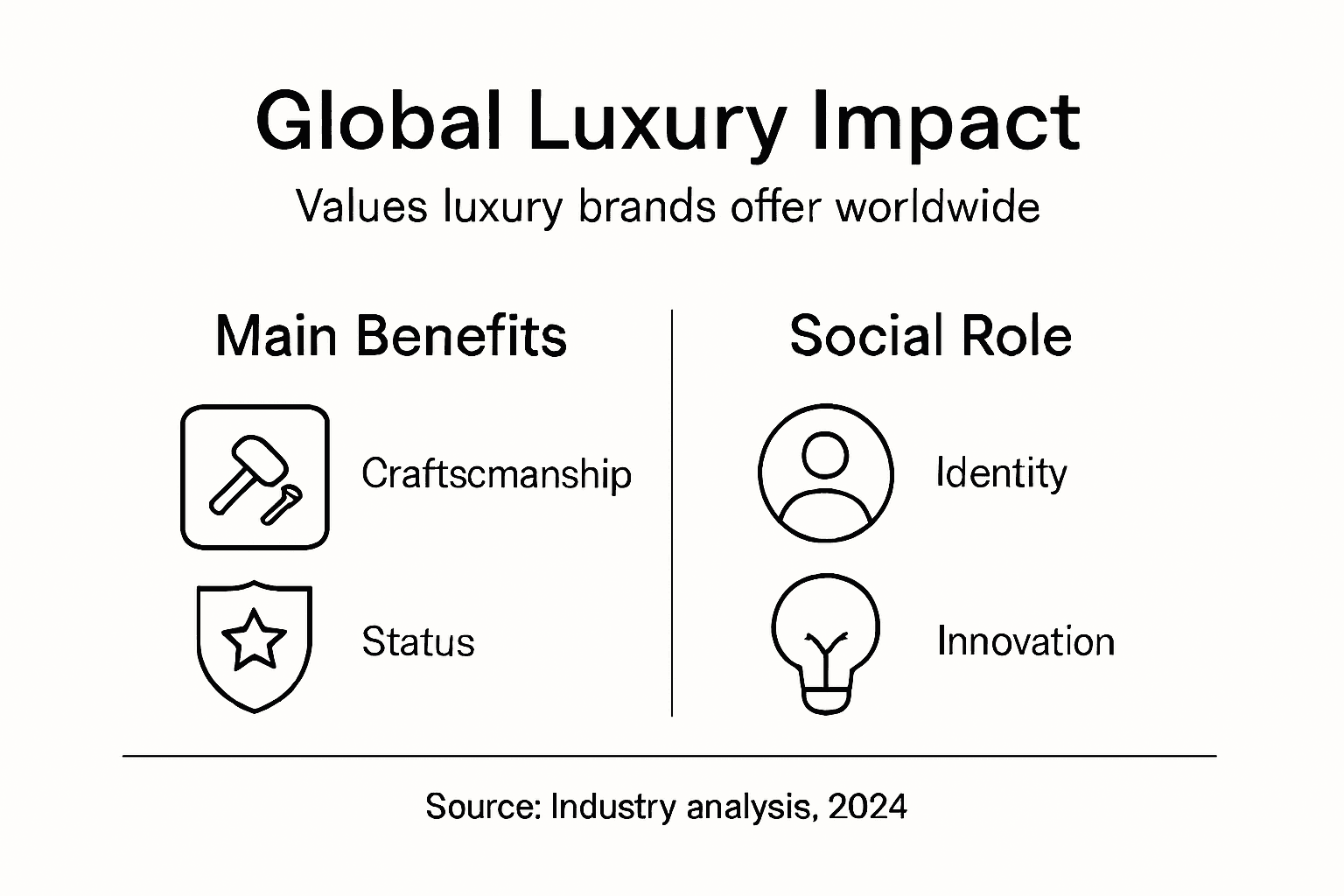
Today’s luxury landscape is dramatically different from previous generations, characterized by a profound shift towards ethical consumption and social consciousness. Sustainable luxury principles have become integral to brand perception, with consumers increasingly demanding transparency, environmental responsibility, and genuine social commitment. Brands that successfully integrate environmental and social governance (ESG) principles are now viewed as more authentic and worthy of consumer investment, signaling a fundamental transformation in how luxury is conceptualized and valued.
The social significance of luxury brands extends far beyond traditional status signaling. These brands now function as cultural intermediaries, bridging personal identity with broader societal narratives. Whether through sustainable practices, inclusive design, or meaningful social initiatives, luxury brands are redefining their role as agents of positive change. This evolution reflects a sophisticated understanding that true luxury is not just about what you own, but about the values you represent and the impact you can create in the world.
Pro tip: When selecting luxury brands, look beyond aesthetic appeal and investigate their social and environmental commitments to ensure your purchase aligns with your personal values and worldview.
Investment Value and Long-Term Benefits
Luxury brands represent far more than aesthetic purchases—they are sophisticated financial assets with remarkable investment potential. Global luxury market trends reveal a robust ecosystem where select pieces appreciate in value, transforming high-end purchases into strategic wealth preservation instruments. Certain designer handbags, watches, and limited-edition collections have demonstrated extraordinary financial performance, often outpacing traditional investment vehicles.
The contemporary luxury market has evolved into a nuanced landscape of value creation, characterized by exceptional return dynamics that extend beyond traditional consumption patterns. Between 2019 and 2023, luxury brands demonstrated a remarkable 5% compound annual growth rate, showcasing resilience through economic fluctuations. This performance stems from strategic brand positioning, scarcity management, and an ability to cultivate profound consumer loyalty through unique storytelling and uncompromising quality.
Investment-grade luxury items share critical characteristics that distinguish them from mere consumables. These include impeccable craftsmanship, limited production runs, historical significance, and brand provenance. Discerning collectors understand that true luxury transcends temporary trends, focusing instead on pieces with enduring cultural and financial value. Brands that maintain strict quality control, innovate responsibly, and preserve their heritage are most likely to generate sustained investment returns.
Pro tip: When considering luxury investments, prioritize iconic pieces from renowned designers with consistent market demand, authenticate thoroughly, and maintain pristine condition to maximize potential future value.
This table compares major factors influencing the investment value of luxury brands:
| Factor | Impact on Investment | Typical Examples |
|---|---|---|
| Craftsmanship | Drives long-term demand | Hand-stitched handbags |
| Brand Heritage | Increases provenance value | Historic watch brands |
| Limited Production | Boosts scarcity premium | Limited-edition collections |
| Sustained Market Demand | Ensures price appreciation | Iconic designer pieces |
Authenticity, Risk, and the Counterfeit Market
The luxury marketplace is a complex ecosystem where authenticity becomes a critical consumer concern. Counterfeiting represents more than an economic challenge—it’s a sophisticated psychological battleground that undermines brand trust and consumer confidence. Even moderate levels of authenticity uncertainty can dramatically shift purchasing behaviors, pushing discerning buyers toward verified channels and authenticated marketplaces.
Psychological motivations behind counterfeit luxury consumption reveal intricate social dynamics that challenge traditional brand protection strategies. Consumer demand for replica luxury goods stems from complex identity signaling and aspirational desires that transcend legal and ethical boundaries. Consumers often perceive counterfeits not as mere imitations, but as accessible pathways to experiencing luxury aesthetics and social positioning, creating a nuanced market phenomenon that luxury brands must strategically navigate.
Authentic luxury consumption requires a multifaceted approach combining technological verification, consumer education, and sophisticated brand storytelling. Successful brands now invest in transparent supply chains, blockchain authentication technologies, and comprehensive consumer engagement strategies that demystify the value of genuine products. By creating compelling narratives around craftsmanship, heritage, and unique design, luxury brands can effectively distinguish themselves from counterfeit alternatives and reinforce their intrinsic worth.
Pro tip: Always request comprehensive authentication documentation, verify serial numbers, and purchase exclusively from authorized retailers to protect yourself from counterfeit risks.
Discover Authentic Luxury with Confidence at Naise Shopper
The article highlights key challenges discerning global shoppers face such as ensuring authenticity, navigating the counterfeit market, and aligning luxury purchases with personal values on craftsmanship and heritage. If you seek to experience genuine designer brands without compromise, understanding the importance of verified authenticity and cultural legacy is crucial. Naise Shopper directly addresses these concerns by offering 100 percent authenticated luxury handbags, shoes, watches, and apparel from iconic brands like Gucci and Prada.
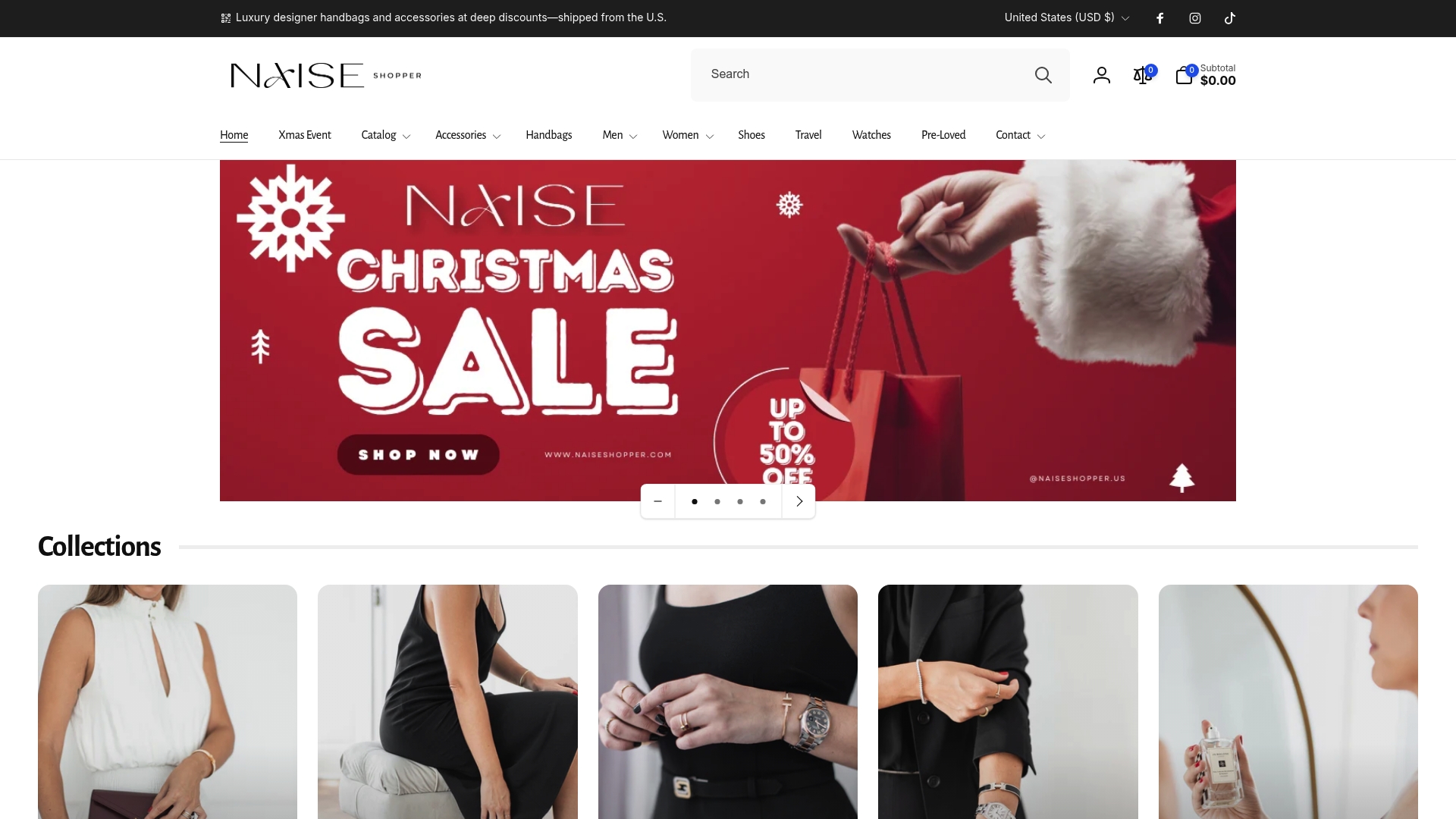
Shop at Naise Shopper to enjoy exclusive collections that honor craftsmanship while providing deep discounts and secure international shipping. Every purchase includes authentication guarantees and optional shipping insurance, giving you peace of mind in a market full of counterfeits. Take advantage of personalized shopper assistance for a seamless journey tailored to your preferences. Start elevating your luxury wardrobe today by exploring our curated selection and holiday promotions at Naise Shopper. Your trusted source for authentic luxury awaits.
Frequently Asked Questions
What defines a luxury brand?
Luxury brands are defined by their excellence, uniqueness, and emotional resonance rather than just high price points. They represent significant cultural and psychological narratives, emphasizing craftsmanship, innovative design, and personal identity.
How should consumers evaluate luxury brands?
Consumers should look beyond just price tags. Important factors include craftsmanship, design philosophy, emotional storytelling, and brand heritage. Understanding these elements provides insight into the true value and significance of luxury products.
Why is heritage important for luxury brands?
Heritage is vital for luxury brands as it creates a deep emotional connection with consumers. It showcases a brand’s history, craftsmanship, and cultural significance, which can enhance perceived value and authenticity in the market.
How do luxury brands fulfill social values?
Luxury brands have evolved to become platforms for social and cultural expression, embracing ethical consumption and sustainability. Modern consumers value brands that demonstrate environmental responsibility and social commitment, making them more authentic in the eyes of buyers.