Most luxury shoppers are surprised to learn that pre-owned designer items can sell for up to 70 percent less than regular retail prices, yet still retain their authenticity and prestige. As American, European, and Asian luxury icons become increasingly accessible, more affluent millennials and Gen Z buyers are turning to online consignment platforms for trustworthy deals. This article reveals how luxury consignment reshapes buying habits, empowers shoppers with secure transactions, and unlocks genuine value in the fashion world.
Table of Contents
- Defining Luxury Consignment In Fashion
- Types Of Luxury Consignment Services
- How The Luxury Consignment Process Works
- Financial Benefits For Shoppers And Sellers
- Risks And Legal Protections In Consignment
Key Takeaways
| Point | Details |
|---|---|
| Luxury Consignment Enhances Sustainability | The luxury consignment model extends the lifecycle of premium products, promoting sustainable consumption among consumers. |
| Diverse Service Options | Various types of luxury consignment services, including peer-to-peer platforms, boutique stores, and online marketplaces, cater to different buyer and seller needs. |
| Financial Benefits for Both Parties | Sellers can recover significant portions of their investments, while shoppers gain access to luxury items at reduced prices compared to retail. |
| Importance of Authentication and Legal Protections | Buyers and sellers should prioritize platforms with rigorous authentication processes and clear legal protections to mitigate risks associated with luxury consignment transactions. |
Defining Luxury Consignment in Fashion
Luxury consignment represents a sophisticated marketplace where pre-owned designer items are authenticated, resold, and given a second life. Exploring the intricate dynamics of luxury fashion, this model transforms how consumers engage with high-end fashion by extending the lifecycle of premium products.
At its core, luxury consignment is a curated process that bridges individual sellers with discerning buyers seeking authenticated designer items. Unlike traditional secondhand markets, luxury consignment platforms meticulously verify the authenticity, condition, and provenance of each item. This rigorous screening ensures that designer handbags, shoes, and accessories maintain their inherent value and prestige.
The contemporary luxury consignment ecosystem is driven by profound shifts in consumer behavior and sustainability consciousness. Digital technology and circular economy principles have transformed this market, enabling global platforms to connect sellers and buyers seamlessly. Younger generations, particularly Millennials and Gen Z, are increasingly viewing luxury consignment as an ethical and economically smart alternative to traditional retail, prioritizing sustainable consumption without compromising on style or quality.
Pro Tip: Always request detailed authentication certificates and condition reports when purchasing through luxury consignment platforms to ensure you’re making a genuinely valuable investment.
Types of Luxury Consignment Services
Luxury consignment services have evolved into a diverse ecosystem of platforms catering to different consumer needs and preferences. Cross-cultural research reveals multiple distribution channels that fundamentally transform how luxury goods are bought, sold, and appreciated in the modern marketplace.
Three primary types of luxury consignment services dominate the current landscape: peer-to-peer platforms, boutique consignment stores, and online luxury marketplaces. Peer-to-peer platforms enable direct transactions between individual sellers and buyers, offering maximum flexibility and often lower commission rates. Boutique consignment stores provide a curated, personalized experience with expert authentication and styling advice, appealing to luxury consumers seeking a more traditional and hands-on approach.
Academic research exploring luxury consumption models highlights the nuanced differences between direct sale platforms, consignment shops, and emerging rental models. Online luxury marketplaces represent the most technologically advanced category, leveraging sophisticated algorithms, global reach, and comprehensive authentication processes to connect sellers and buyers across international boundaries. These platforms often integrate sustainability metrics, providing transparent information about a product’s history, condition, and environmental impact.
Pro Tip: Always verify the authentication processes and return policies of different luxury consignment services to ensure you’re selecting the most reliable and transparent platform for your specific needs.
Here’s a comparison of the main types of luxury consignment services and their unique strengths:
| Service Type | Key Strength | Buyer Experience | Seller Experience |
|---|---|---|---|
| Peer-to-peer Platform | Lower commission | Direct negotiation, flexible | Max control, variable support |
| Boutique Consignment Store | Personalized service | In-store advice, try-ons | Expert curation, fast turnover |
| Online Luxury Marketplace | Global reach | Wide selection, convenience | Automated process, large audience |
How the Luxury Consignment Process Works
Detailed academic research on luxury consignment platforms reveals a meticulously structured process that transforms pre-owned luxury items into valuable marketplace commodities. The luxury consignment journey begins with careful seller onboarding, where individuals submit high-end items for potential resale through professional platforms.
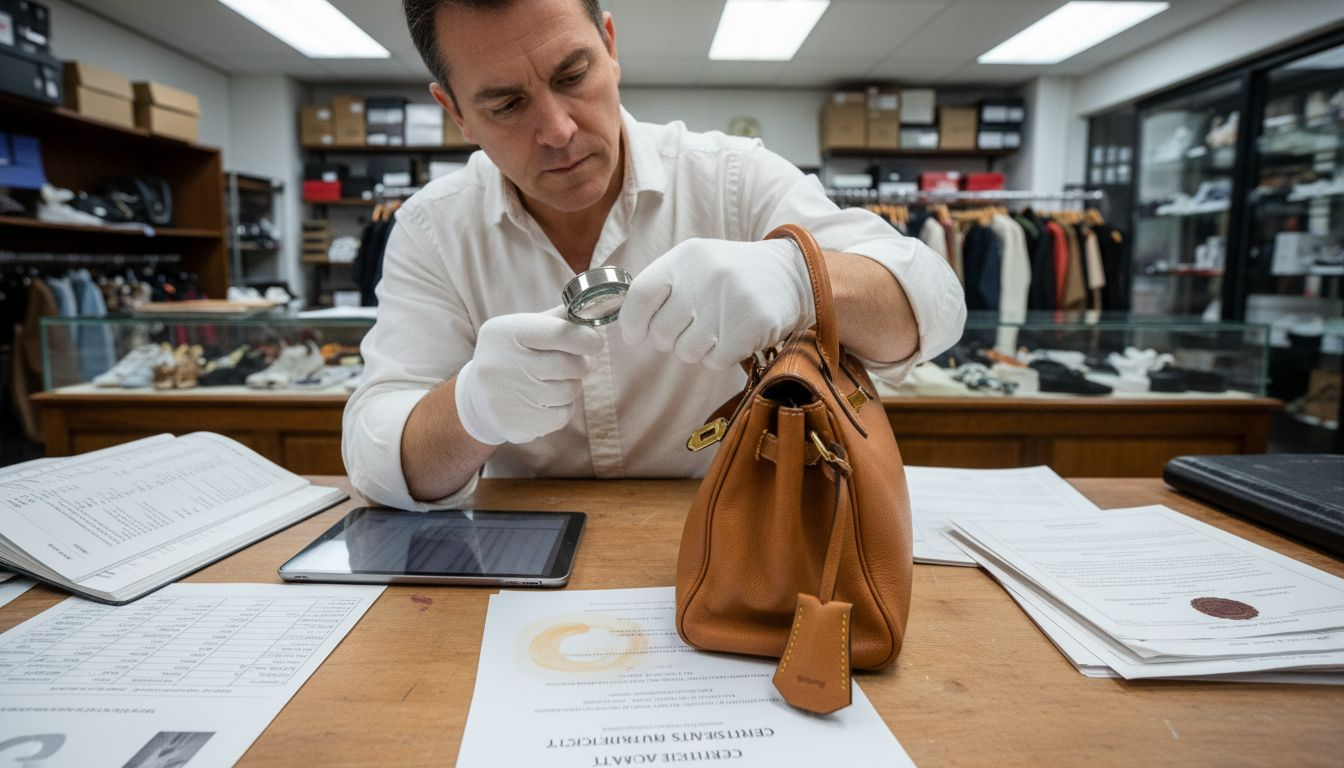
The core of the luxury consignment process centers on authentication and valuation. Expert authenticators thoroughly examine each item, assessing its condition, provenance, and market value. Systematic review of luxury fashion consumption highlights the critical digital technologies enabling precise item evaluation. This typically involves multiple verification steps including detailed visual inspection, hardware and material analysis, serial number verification, and cross-referencing with manufacturer databases.
Once authenticated, items are professionally photographed, cataloged, and listed on digital platforms with comprehensive descriptions and competitive pricing strategies. The consignment platform handles the entire sales process, including marketing, transaction processing, shipping, and customer support. Sellers receive payment after the item successfully sells, with the platform taking a predetermined commission. This streamlined approach reduces friction for both sellers looking to monetize luxury items and buyers seeking authenticated pre-owned designer pieces.
Pro Tip: Before consigning luxury items, carefully clean and preserve original packaging, authenticity cards, and receipts to maximize potential resale value and simplify the authentication process.
Financial Benefits for Shoppers and Sellers
Comprehensive market research on luxury consignment reveals a compelling economic ecosystem that generates significant financial advantages for both shoppers and sellers in the luxury resale market. This innovative marketplace transforms idle luxury assets into dynamic financial opportunities, challenging traditional consumption models.
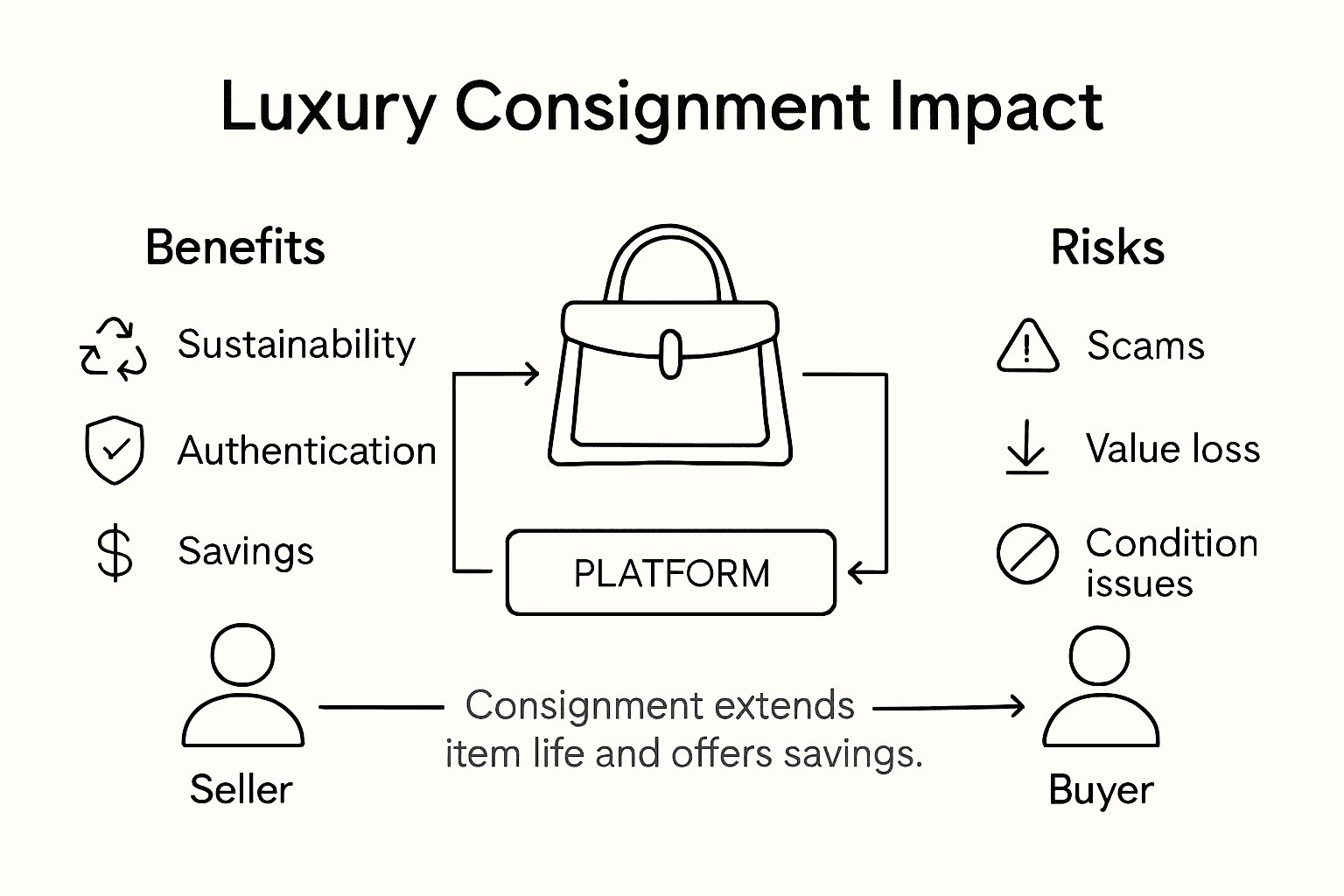
For sellers, luxury consignment platforms offer a strategic avenue to monetize previously unused high-end items. Sellers can recover substantial portions of their original investment without the complexity of managing individual sales. Unlike traditional resale methods, these platforms handle authentication, pricing, marketing, and transaction processing, reducing friction and maximizing potential returns. Research exploring product longevity and economic value demonstrates that consignment platforms contribute to a more sustainable economic model by extending the lifecycle of luxury goods and providing financial returns on previously dormant assets.
Buyers benefit equally from this ecosystem, gaining access to authenticated luxury items at significantly reduced prices. The price differential between retail and consignment can range from 30% to 70% off original retail value, making luxury goods more accessible to a broader consumer base. These platforms democratize luxury consumption by offering transparent pricing, rigorous authentication, and a curated selection of pre-owned designer items. The financial model creates a win-win scenario where sellers recoup value, buyers access affordable luxury, and platforms generate revenue through commission structures.
Pro Tip: Track the market value of your luxury items and consign them during peak seasonal demand to maximize potential resale returns.
This summary highlights the main financial benefits for both shoppers and sellers in luxury consignment:
| Role | Financial Benefit | Example Advantage | Platform Impact |
|---|---|---|---|
| Seller | Recoup investment | Higher resale value | Simplifies sales process |
| Shopper | Access to reduced prices | 30–70% off retail | Expands luxury ownership |
Risks and Legal Protections in Consignment
Global research on consumer perceptions in luxury markets reveals significant complexities surrounding legal protections and potential risks in luxury consignment. The absence of standardized international regulations creates a nuanced landscape where consumer protection varies dramatically across different jurisdictions.
The primary risks in luxury consignment center around authenticity verification, financial transactions, and product condition misrepresentation. Sophisticated fraud prevention mechanisms have emerged to mitigate these challenges, including multi-step authentication processes, blockchain verification technologies, and comprehensive documentation requirements. Reputable consignment platforms implement rigorous screening protocols that include expert visual inspections, serial number cross-referencing, and advanced material analysis to ensure product legitimacy and protect both buyers and sellers from potential fraudulent transactions.
Legal protections in luxury consignment typically encompass several critical areas: clear return policies, authenticity guarantees, transparent commission structures, and consumer rights frameworks. These protections are designed to create trust in the secondhand luxury marketplace by providing buyers with recourse in cases of misrepresentation or product defects. Many platforms now offer insurance options, detailed condition reports, and comprehensive documentation to further strengthen consumer confidence. The evolving legal landscape continues to adapt, with increasing regulatory attention focused on creating more robust consumer protection standards in the rapidly expanding luxury resale ecosystem.
Pro Tip: Always request and retain detailed authentication documentation and platform transaction records to protect your investment and ensure you have comprehensive evidence in case of future disputes.
Discover Authentic Luxury Consignment with Confidence
Navigating the world of luxury consignment can feel overwhelming when you worry about authenticity, quality, or fair pricing. This article highlights the challenges of verifying designer items and ensuring transparent transactions. At Naise Shopper, we understand your desire for genuine pre-owned luxury products that deliver style and value without compromise. We make it simple to shop with confidence by offering a curated collection of authenticated designer handbags, shoes, and accessories from top brands like Gucci and Chanel.
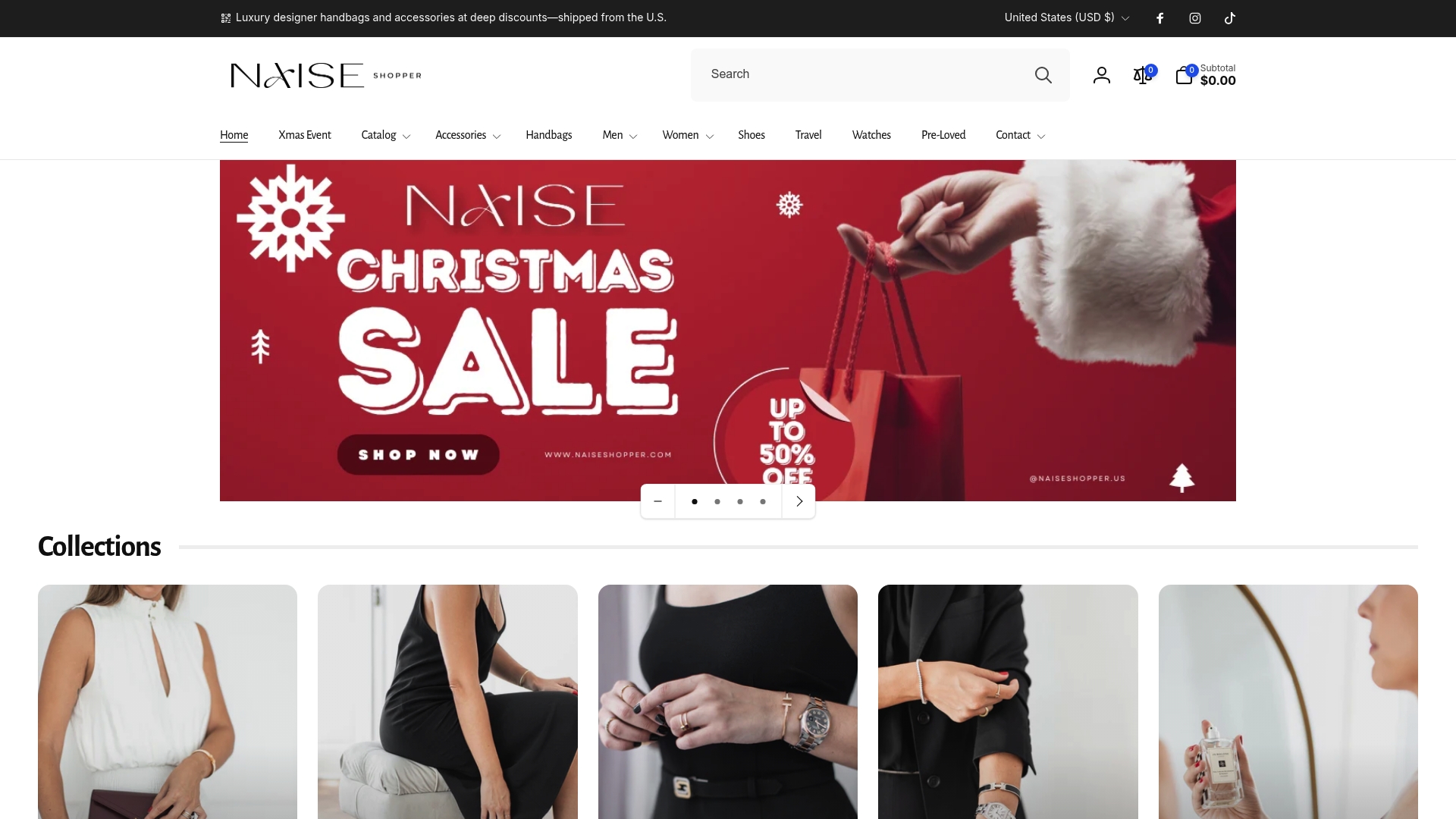
Explore our exclusive selections at Naise Shopper where each item undergoes rigorous authentication and comes with detailed condition information. Experience the best of luxury consignment with deep discounts, secure international shipping, and personalized shopper assistance. Don’t miss out on adding authenticated luxury pieces to your collection now—visit Naise Shopper to start shopping smart and safe today.
Frequently Asked Questions
What is luxury consignment in fashion?
Luxury consignment in fashion refers to a marketplace where pre-owned luxury items are authenticated, resold, and extended in lifecycle, offering consumers access to high-end fashion products at reduced prices.
How does the luxury consignment process work?
The process begins with seller onboarding, followed by expert authentication and valuation of the items. Once authenticated, items are photographed, cataloged, and listed for sale, with the consignment platform managing the transaction and payment once the item sells.
What are the financial benefits of luxury consignment for shoppers and sellers?
Sellers can recover a substantial portion of their original investment by selling through consignment platforms, while shoppers benefit by accessing luxury goods at prices reduced by 30% to 70% compared to retail.
What risks and legal protections are associated with luxury consignment?
Risks include authenticity verification, financial transaction issues, and misrepresentation of product condition. Legal protections typically involve clear return policies, authenticity guarantees, and documentation to safeguard both buyers and sellers against potential fraud.
Recommended
- The Rise of Pre-Loved Luxury: Why Secondhand Designer Bags Are a Very
- News
- From Investment to Icon: The Luxury Bags That Will Never Go Out of Sty
- Top 5 Luxury Handbag Trends Dominating 2025 (and How to Style Them)
- What Is Haute Couture? A Guide for Special Occasion Dresses 2025 - DressMeUpNY
- 8 Inspiring Examples of Luxury Textiles for Your Projects - fabric fabric