Nearly every american fashion collector knows that the right designer handbag can outpace the value of traditional investments by a remarkable margin. In a global market valued at over $40 billion, authenticity and brand heritage are critical concerns for those seeking premium pieces and exceptional service. This guide reveals how american shoppers and international buyers alike can navigate luxury handbag investments, understand real value trends, and confidently spot genuine opportunities among exclusive designer releases.
Table of Contents
- Designer Handbag Investments Explained
- Major Types and Iconic Handbag Models
- How Value Retention and Resale Work
- Authentication and Genuine Purchase Processes
- Risks, Costs, and What to Avoid
Key Takeaways
| Point | Details |
|---|---|
| Designer Handbags as Investments | Designer handbags combine aesthetic appeal with significant investment potential due to their rarity and brand reputation. |
| Key Characteristics for Value | Exceptional craftsmanship, limited editions, and strong brand heritage enhance a handbag’s investment value. |
| Resale Market Dynamics | Market trends and brand reputation significantly affect resale value, requiring careful consideration for potential buyers. |
| Research and Authentication | Always verify authenticity through reputable platforms and maintain documentation to ensure future resale value. |
Designer Handbag Investments Explained
Designer handbags represent far more than just fashion accessories - they are sophisticated investment vehicles with substantial financial potential. The global handbag market demonstrates remarkable growth dynamics, currently valued at over $40 billion and driven by brand reputation, exclusivity, and evolving consumer preferences.
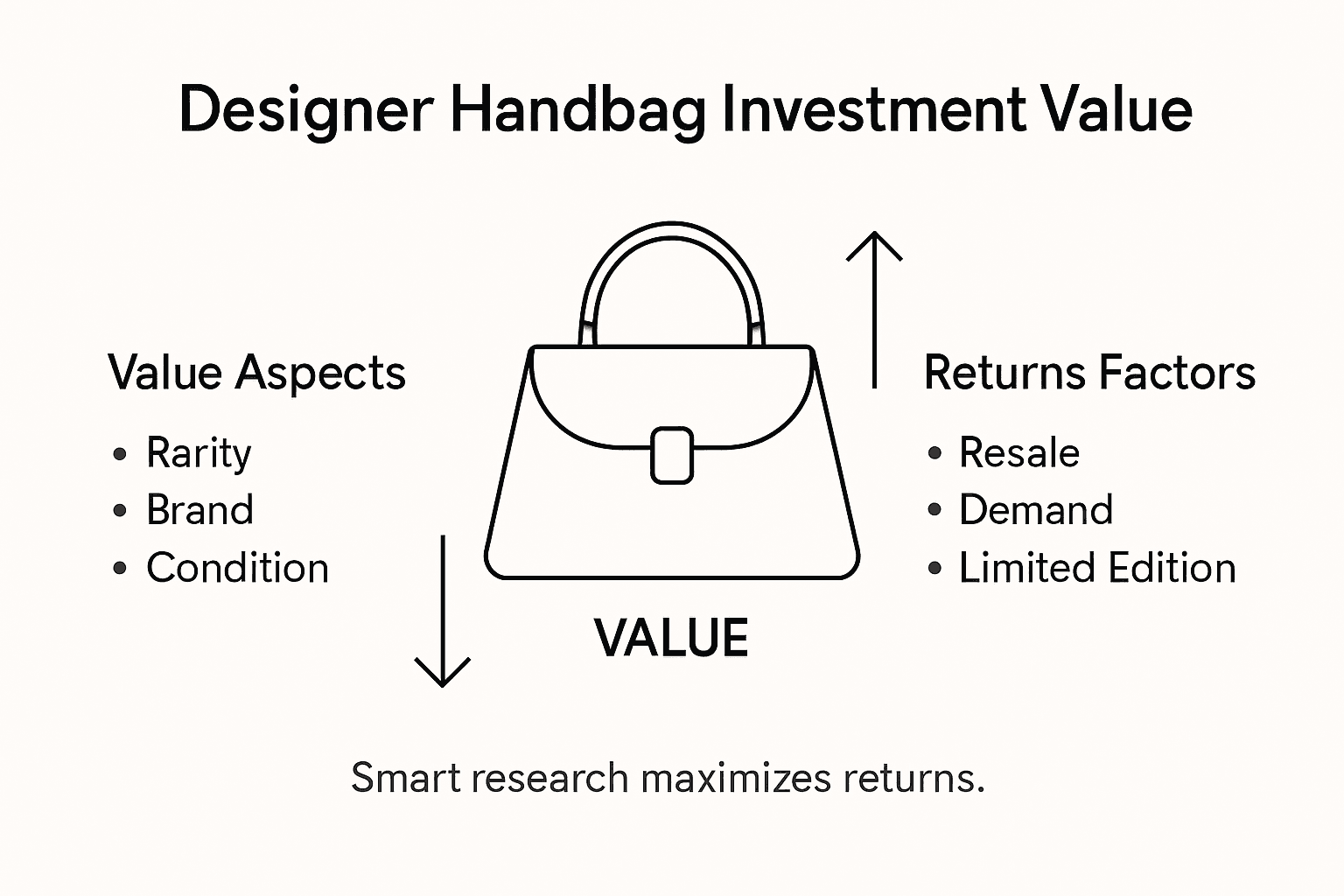
Understanding designer handbag investments requires recognizing their unique economic characteristics. Unlike traditional financial assets, luxury handbags combine aesthetic appeal with monetary value appreciation. Top designer brands like Chanel, Hermès, and Louis Vuitton produce limited production runs, creating scarcity that drives collector demand and potential long-term value appreciation. Certain iconic models can increase in value by 10-20% annually, outperforming many conventional investment options.
Investment-grade handbags share specific characteristics that distinguish them from ordinary accessories. These include:
- Rare or limited edition releases
- Exceptional craftsmanship
- Iconic design heritage
- Strong brand reputation
- Pristine condition and original packaging
- Authentic provenance documentation
The luxury handbag market continues experiencing significant growth, fueled by increasing purchasing power and global consumer fascination with premium fashion assets. Serious collectors approach these investments strategically, treating designer handbags as alternative financial instruments with potential for appreciation.
Pro tip: Research authentication methods and purchase exclusively from reputable dealers to ensure your designer handbag investment maintains its potential market value.
Major Types and Iconic Handbag Models
The world of designer handbags features several iconic models that have transcended mere fashion accessories to become true investment pieces. Global popularity rankings highlight specific bags that consistently capture collector and fashion enthusiast attention, with certain models standing out for their exceptional design and investment potential.
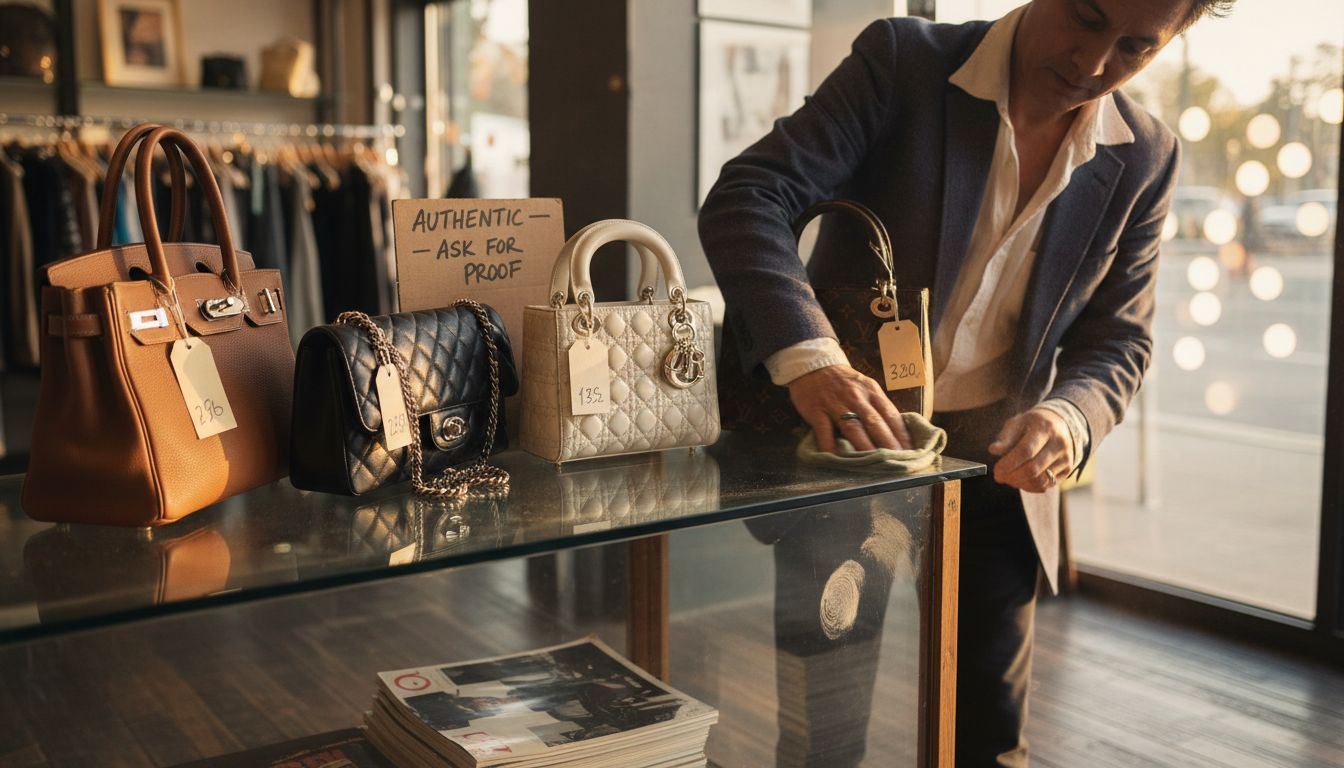
Among the most celebrated investment-grade handbags are several timeless designs from luxury brands. The Hermès Birkin remains the gold standard, known for its exceptional craftsmanship and value retention. Other notable iconic models include the Louis Vuitton Neverfull, Chanel 2.55, and Gucci Marmont. These bags are characterized by:
Here’s how leading investment-grade designer handbag models compare:
| Handbag Model | Brand | Notable Value Feature |
|---|---|---|
| Birkin | Hermès | Top resale, exceptional rarity |
| Neverfull | Louis Vuitton | Reliable demand, iconic style |
| 2.55 Flap Bag | Chanel | Timeless design, strong legacy |
| Marmont | Gucci | Popular modern appeal |
| Triomphe | Celine | Blends heritage and trend |
| Horsebit Chain | Gucci | Unique hardware, new classic |
- Exceptional material quality
- Limited production runs
- Distinctive design elements
- Strong brand heritage
- Consistent market demand
Contemporary luxury handbag collections also showcase emerging models that blend heritage design with modern aesthetics. The Celine Classique Triomphe Bag and Gucci Horsebit Chain Shoulder Bag represent a new generation of collectible pieces that combine historical brand references with current fashion trends. Serious collectors pay close attention to these nuanced design evolutions, understanding that true investment value lies in both historical significance and contemporary appeal.
Pro tip: Focus on acquiring handbags from limited edition collections and maintain their original packaging and authenticity documentation to maximize potential future resale value.
How Value Retention and Resale Work
Designer handbags represent a unique investment category where value retention is influenced by complex market dynamics. The luxury handbag resale market has evolved dramatically, driven by sustainability concerns and enhanced authentication processes, transforming how consumers view these accessories as potential financial assets.
Several critical factors determine a handbag’s resale potential and long-term value. These include:
This table summarizes factors influencing long-term designer handbag investment success:
| Factor | Positive Impact Example | Negative Impact Example |
|---|---|---|
| Brand Reputation | Chanel’s prestige boosts resale | Lesser-known labels reduce interest |
| Rarity | Limited editions drive scarcity | Mass production limits appreciation |
| Condition | Pristine, unused bags command more | Visible wear lowers future value |
| Documentation | Authenticity papers ensure trust | Missing documents deter buyers |
- Original purchase price
- Brand reputation
- Condition of the bag
- Rarity of the specific model
- Current market demand
- Availability of original packaging and authentication documents
Luxury brands are strategically integrating sustainable practices into their market approach, recognizing that modern consumers value both heritage and environmental consciousness. This approach helps maintain brand integrity while supporting secondary market growth. Some designer handbags can appreciate significantly, with certain limited edition Hermès and Chanel models increasing in value by 10-15% annually, outperforming traditional investment vehicles.
Pro tip: Preserve your handbag’s original packaging, authenticity cards, and purchase receipts, as these documentation elements can significantly enhance resale value and attract serious collectors.
Authentication and Genuine Purchase Processes
Advanced scientific methods have transformed the landscape of designer handbag authentication, providing consumers with sophisticated tools to verify the genuineness of luxury accessories. Modern authentication processes combine cutting-edge technology with expert evaluation, creating multiple layers of verification that protect buyers from counterfeit products.
Authentic designer handbags can be distinguished through several critical inspection points:
- Precise stitching quality
- Exact hardware specifications
- Consistent brand logo placement
- Unique serial number verification
- Material texture and quality
- Precise manufacturing details
Trusted authentication platforms recommend purchasing from authorized retailers or specialized resale platforms that implement rigorous verification processes. These platforms employ expert authenticators who meticulously examine every aspect of a handbag, from microscopic stitching details to the chemical composition of materials. Some advanced authentication techniques now utilize machine learning and spectroscopic analysis, providing unprecedented accuracy in detecting genuine designer pieces.
Pro tip: Request complete authentication documentation and detailed provenance records when purchasing designer handbags, as these documents significantly enhance the bag’s future resale value and credibility.
Risks, Costs, and What to Avoid
Designer handbag investments present complex financial considerations that require careful strategic evaluation, challenging the simplistic notion of guaranteed returns. While luxury handbags can be attractive assets, potential investors must understand the nuanced risks associated with these alternative investments.
Key risks in designer handbag investments include:
- Market trend volatility
- Limited liquidity compared to traditional financial instruments
- Dependence on brand reputation and fashion cycles
- High initial purchase costs
- Potential maintenance and storage expenses
- Complex authentication requirements
- Unpredictable resale value fluctuations
Successful handbag investment strategies demand disciplined approaches. Sophisticated collectors diversify their collections, focusing on rare, well-maintained pieces from historically consistent luxury brands. Understanding market dynamics, tracking brand performance, and maintaining impeccable bag condition are crucial for mitigating potential financial risks. Some models may appreciate, while others could potentially depreciate, making thorough research and expert consultation essential before significant financial commitments.
Pro tip: Always allocate no more than 5-10% of your investment portfolio to alternative luxury assets like designer handbags, ensuring you maintain a balanced and diversified financial strategy.
Unlock the Value of Designer Handbag Investments Today
Investing in designer handbags offers more than just style. The article highlights challenges like ensuring authenticity, preserving value, and accessing rare pieces from iconic collections such as Hermès Birkin or Chanel 2.55. If you want to avoid risks like counterfeit products and fluctuating resale values investing in authenticated luxury handbags from trusted sources is essential. Key goals include securing limited edition models, protecting your purchase with original packaging and documentation, and enjoying market appreciation while managing costs.
At Naise Shopper you gain access to carefully curated collections of verified authentic designer handbags from Gucci, Chanel, Louis Vuitton, and more. We support your investment strategy by offering exclusive discounts alongside guaranteed authenticity ensuring your handbag purchase holds its value over time. Our personal shopper services and secure international shipping make acquiring rare, demand-driven bags simple and dependable.
Ready to build your luxury handbag investment portfolio with confidence and savings
Explore authentic, investment-grade designer handbags now at Naise Shopper and take advantage of limited-time promotions to secure your next valuable piece today.
Frequently Asked Questions
What makes designer handbags a good investment?
Designer handbags can be a strong investment due to their limited production runs, brand reputation, and rarity, which often lead to value appreciation over time. Some iconic models can see annual increases in value ranging from 10-20%, making them financially advantageous compared to traditional assets.
How do I determine the value of my designer handbag?
The value of a designer handbag is determined by factors such as brand reputation, condition, rarity, original packaging, and current market demand. Maintaining a pristine condition and obtaining authentication documentation can further enhance its resale value.
What should I look for in a handbag to ensure it’s a good investment?
To ensure a handbag is a good investment, look for rare or limited edition releases, exceptional craftsmanship, iconic design heritage, and strong brand reputation. Additionally, handbags in pristine condition with original packaging and authentication documentation tend to retain their value better.
What are the risks associated with investing in designer handbags?
The risks include market trend volatility, limited liquidity compared to traditional investments, dependence on fashion cycles, and high initial purchase costs. Thorough research, expert consultation, and maintaining the bag’s condition are essential to mitigate these risks.
Recommended
- From Investment to Icon: The Luxury Bags That Will Never Go Out of Sty
- The Rise of Pre-Loved Luxury: Why Secondhand Designer Bags Are a Very
- News
- Top 5 Luxury Handbag Trends Dominating 2025 (and How to Style Them)
- Carrying Style - Reasons Why Women Love Handbags So Much – Troop London
- Unveiling the Upcoming Handbag Fashion Trends to hit 2024