American luxury fashion shoppers now join a global wave where nearly 60 percent of designer purchases happen online, not in traditional boutiques. Authenticity and savings are driving affluent buyers to digital platforms that promise genuine designer goods at discounted prices. Whether you are seeking personalized assistance or a seamless shopping experience, discover how luxury e-commerce redefines exclusivity by combining international reach with curated customer care.
Table of Contents
- Luxury E-Commerce Defined and Debunked
- Authenticity and The Assurance of Quality
- How Savings and Global Access Work
- Personalized Services and Secure Transactions
- Comparing Online Versus In-Store Luxury Shopping
Key Takeaways
| Point | Details |
|---|---|
| Modern Luxury E-Commerce | Luxury e-commerce blends exclusivity with accessibility, allowing consumers to explore designer collections globally through advanced digital platforms. |
| Importance of Authenticity | Authenticity is crucial; consumers should verify digital provenance and seek comprehensive authentication reports when purchasing luxury items online. |
| Savings and Global Access | Global luxury e-commerce democratizes high-end fashion, enabling consumers to find pre-owned designer items at reduced prices, enhancing affordability. |
| Personalization and Security | Sophisticated personalization technologies and robust security measures enhance the online luxury shopping experience, replicating the intimacy of in-store service. |
Luxury E-Commerce Defined and Debunked
Luxury e-commerce represents a transformative digital marketplace where high-end fashion transcends traditional retail boundaries. As brands adapt to digital platforms, they are fundamentally reimagining how designer products are discovered, evaluated, and purchased online. Systematic research into digital marketing strategies reveals a complex landscape where exclusivity meets accessibility.
The digital ecosystem has dramatically reshaped luxury retail, challenging long-standing assumptions about brand experience and consumer engagement. Traditional luxury models relied on in-person interactions, curated showrooms, and personalized service. Now, e-commerce platforms must replicate that sense of exclusivity through sophisticated online experiences. Digital transformation in luxury brands demonstrates how technology enables unprecedented access while maintaining brand prestige.
Key characteristics of modern luxury e-commerce include transparent authentication processes, personalized digital styling services, secure international shipping, and curated collections that reflect emerging consumer preferences. Sophisticated platforms now offer virtual try-on experiences, detailed product provenance, and multilingual customer support to recreate the high-touch luxury retail environment. Consumers can now explore designer collections from global boutiques without geographical limitations, transforming luxury shopping into a truly international experience.
Pro tip: When shopping luxury online, always verify the platform’s authentication processes and look for detailed product histories to ensure you’re purchasing genuine designer items.
Authenticity and The Assurance of Quality
Authenticity remains the cornerstone of luxury e-commerce, representing far more than a simple verification process. Digital authentication has evolved from traditional methods to sophisticated technological solutions that protect both consumers and brands. Blockchain and NFT authentication technologies now offer unprecedented levels of transparency and trust in digital luxury transactions, transforming how consumers validate product origins and legitimacy.
The luxury market faces significant challenges with counterfeiting, which can undermine brand reputation and consumer confidence. Modern authentication strategies leverage advanced technologies like cryptographic verification, detailed digital provenance tracking, and comprehensive product history documentation. These methods go beyond visual inspection, creating a comprehensive digital fingerprint for each luxury item that allows potential buyers to trace its entire journey from manufacturer to current marketplace.
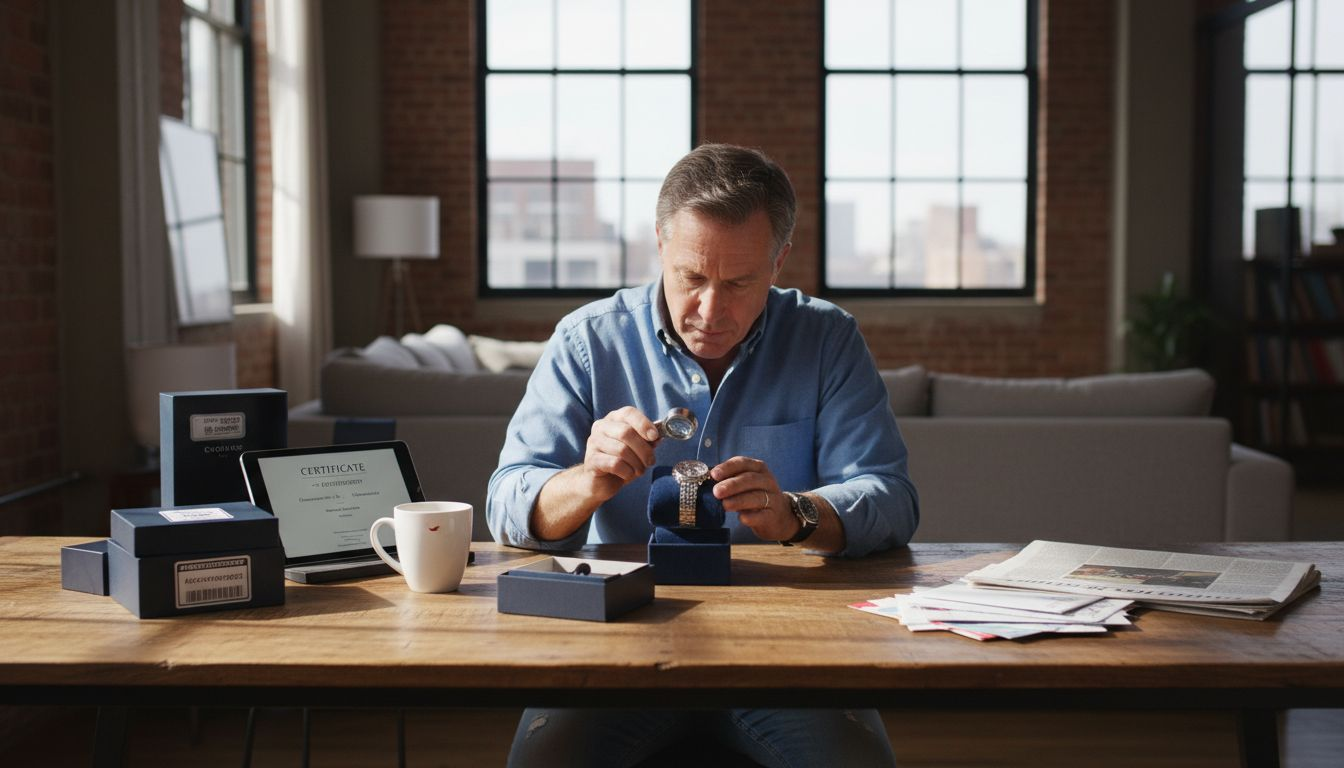
Consumers now demand more than just visual authentication. They seek comprehensive proof of an item’s legitimacy, including detailed documentation, certification processes, and transparent supply chain information. Luxury platforms respond by implementing multi-layered verification systems that combine artificial intelligence, machine learning, expert visual inspection, and blockchain technology to guarantee product authenticity. These sophisticated approaches ensure that each designer item meets strict quality standards and represents a genuine investment.
Pro tip: Always request a comprehensive authentication report and verify the digital provenance of luxury items before completing your online purchase.
How Savings and Global Access Work
Global luxury e-commerce has revolutionized how consumers access high-end fashion, creating unprecedented opportunities for savings and international shopping experiences. Consumer preferences for online luxury purchases reveal a complex landscape where price, accessibility, and perceived value intersect in fascinating ways. Online platforms have effectively democratized luxury shopping by breaking down traditional geographical and economic barriers that once limited designer fashion access.
The digital resale market has emerged as a powerful force in luxury retail, offering consumers multiple pathways to acquire designer items at significantly reduced prices. Global expansion of luxury resale markets demonstrates how young consumers are increasingly valuing sustainability, affordability, and smart purchasing over traditional retail models. These platforms leverage advanced technologies to create transparent, secure marketplaces where pre-owned luxury items can be authenticated, priced competitively, and distributed globally.
Key mechanisms driving savings and global access in luxury e-commerce include dynamic pricing strategies, international shipping networks, multilingual customer support, and sophisticated authentication processes. Online platforms now offer sophisticated tools that allow consumers to compare prices across global markets, track item histories, and make informed purchasing decisions. This approach transforms luxury shopping from an exclusive, location-dependent experience to a flexible, accessible global marketplace where quality and value take precedence over traditional retail limitations.
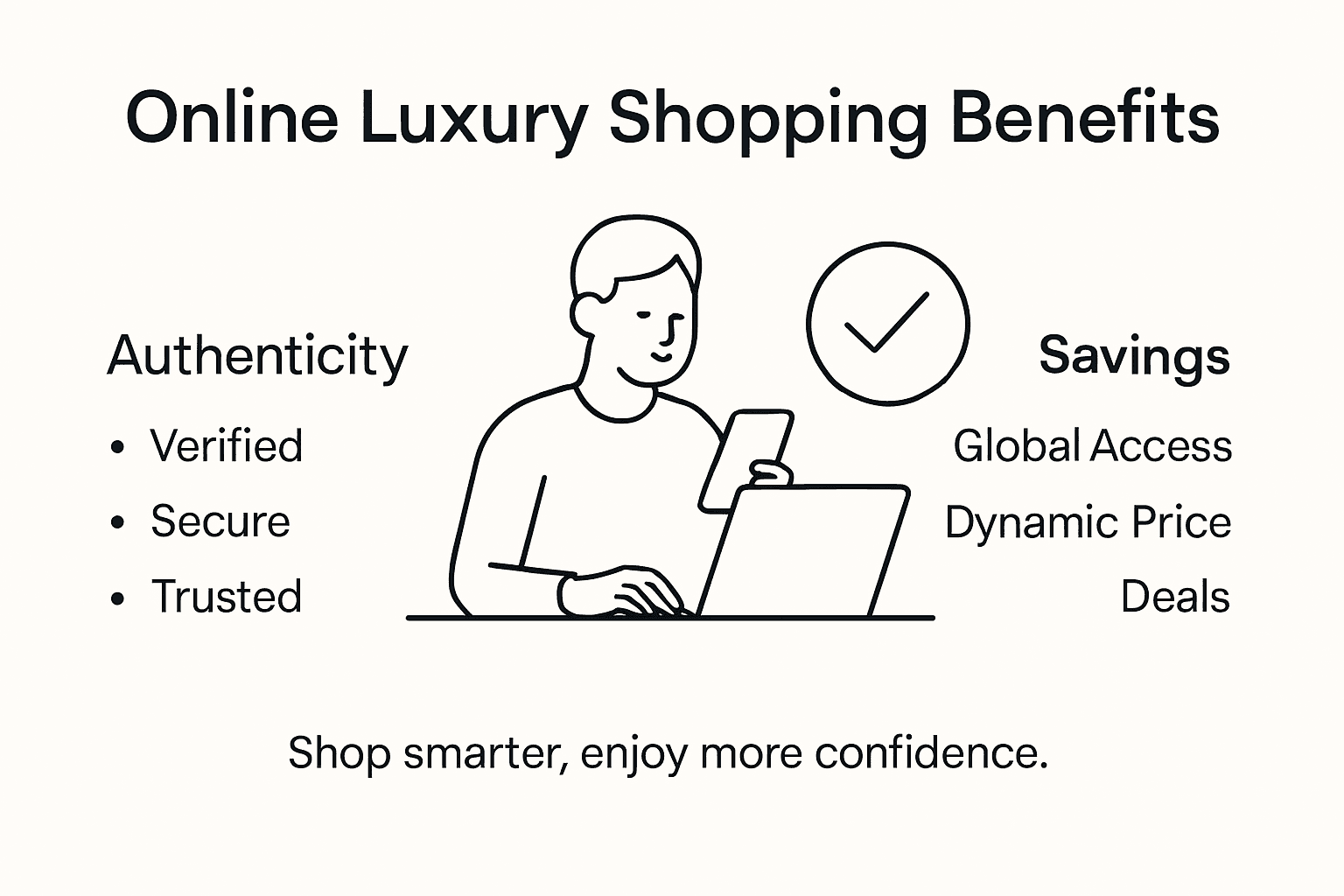
Pro tip: Compare prices across multiple international platforms and consider pre-owned luxury items to maximize your savings while accessing high-end designer collections.
Personalized Services and Secure Transactions
Luxury e-commerce has transformed digital shopping experiences through sophisticated personalization technologies that replicate the intimacy of traditional high-end retail environments. AI-powered digital assistance pathways now enable online platforms to deliver hyper-personalized recommendations, creating a seamless and individualized shopping journey that matches the attentive service of exclusive boutiques.
Secure transactions represent the foundational infrastructure of modern luxury online shopping. Advanced encryption technologies, multi-factor authentication, and comprehensive fraud prevention systems work in concert to protect consumer financial information and ensure safe purchasing experiences. These sophisticated security protocols go beyond traditional payment protection, incorporating complex verification processes that authenticate both the transaction and the customer’s identity, thereby building trust in digital luxury marketplaces.
Here’s how key personalization and security technologies compare in luxury e-commerce:
| Technology Type | Main Function | Business Impact |
|---|---|---|
| AI-powered recommendations | Personalized shopping experience | Boosts customer engagement |
| Multi-factor authentication | Verifies user identity securely | Reduces fraud and chargebacks |
| Encryption protocols | Protects payment and personal data | Builds consumer trust |
| Machine learning profiling | Curates tailored product selections | Increases purchase conversion rate |
Personalization extends far beyond simple product recommendations. Modern luxury platforms leverage artificial intelligence and machine learning to create comprehensive customer profiles that anticipate preferences, suggest complementary items, and provide styling recommendations tailored to individual tastes. These intelligent systems analyze purchasing history, browsing behavior, and contextual fashion trends to curate a truly personalized shopping experience that feels intimate and exclusive, despite occurring through digital channels.
Pro tip: Create a detailed profile on luxury platforms and enable personalization features to receive more accurate recommendations and a more tailored shopping experience.
Comparing Online Versus In-Store Luxury Shopping
The landscape of luxury shopping has dramatically transformed, with online platforms challenging traditional brick-and-mortar retail experiences. Digital luxury shopping offers unprecedented advantages that were once exclusive to physical boutiques, including comprehensive global access, transparent pricing, and extensive product collections. The rise of pre-loved luxury has further accelerated this shift, democratizing access to high-end fashion for a broader range of consumers.
Traditional in-store shopping provides sensory experiences like touching fabrics, immediate product interaction, and personalized styling consultations. However, online luxury platforms have ingeniously replicated these elements through advanced technologies. Virtual try-on features, 360-degree product views, detailed material descriptions, and AI-powered styling recommendations now closely mimic the boutique experience. Online platforms additionally offer advantages traditional stores cannot match: 24/7 accessibility, international inventory, real-time price comparisons, and comprehensive authentication processes.
Key differences between online and in-store luxury shopping extend beyond mere transactional experiences. Online platforms provide transparent pricing, extensive product histories, and global shipping options that physical stores struggle to match. Consumers now benefit from detailed provenance tracking, comprehensive return policies, and personalized digital styling services that transform the traditional luxury shopping paradigm. The digital marketplace has effectively eliminated geographical limitations, allowing shoppers to access curated luxury collections from international designers without physical travel.
The following table summarizes differences between online and traditional in-store luxury shopping experiences:
| Aspect | Online Luxury Shopping | In-Store Luxury Shopping |
|---|---|---|
| Accessibility | Global, 24/7 availability | Limited by location and store hours |
| Sensory Experience | Virtual try-on, 360° product views | Touch, feel, immediate interaction |
| Pricing Transparency | Real-time price comparison | Set pricing, less flexibility |
| Return Policy & Assurance | Often streamlined, traceable | Dependent on store policies |
Pro tip: Leverage both online and in-store experiences by using digital platforms for research and comparison, then visiting physical stores for final fit and tactile assessment.
Experience Authenticity and Savings with Naise Shopper
The article highlights the challenges shoppers face when seeking genuine luxury items online while balancing authenticity, savings, and convenience. Buyers want transparent authentication, reassuring product provenance, and access to exclusive designer brands without geographical boundaries or inflated prices. Naise Shopper meets these needs by specializing in authenticated designer handbags, shoes, apparel, watches, and accessories from top brands like Gucci and Chanel. With features such as personalized shopper assistance, secure international shipping, and flexible payment options, Naise Shopper transforms the way luxury e-commerce works by providing deep discounts without compromising on trust or quality.
Discover a curated collection that fulfills your luxury fashion goals with guaranteed authenticity and global availability. Shopping with Naise Shopper means you can confidently invest in pre-loved or new designer pieces while enjoying seamless, protected transactions designed to match the exclusivity and personalized attention of boutique experiences.
Elevate your luxury shopping journey today.
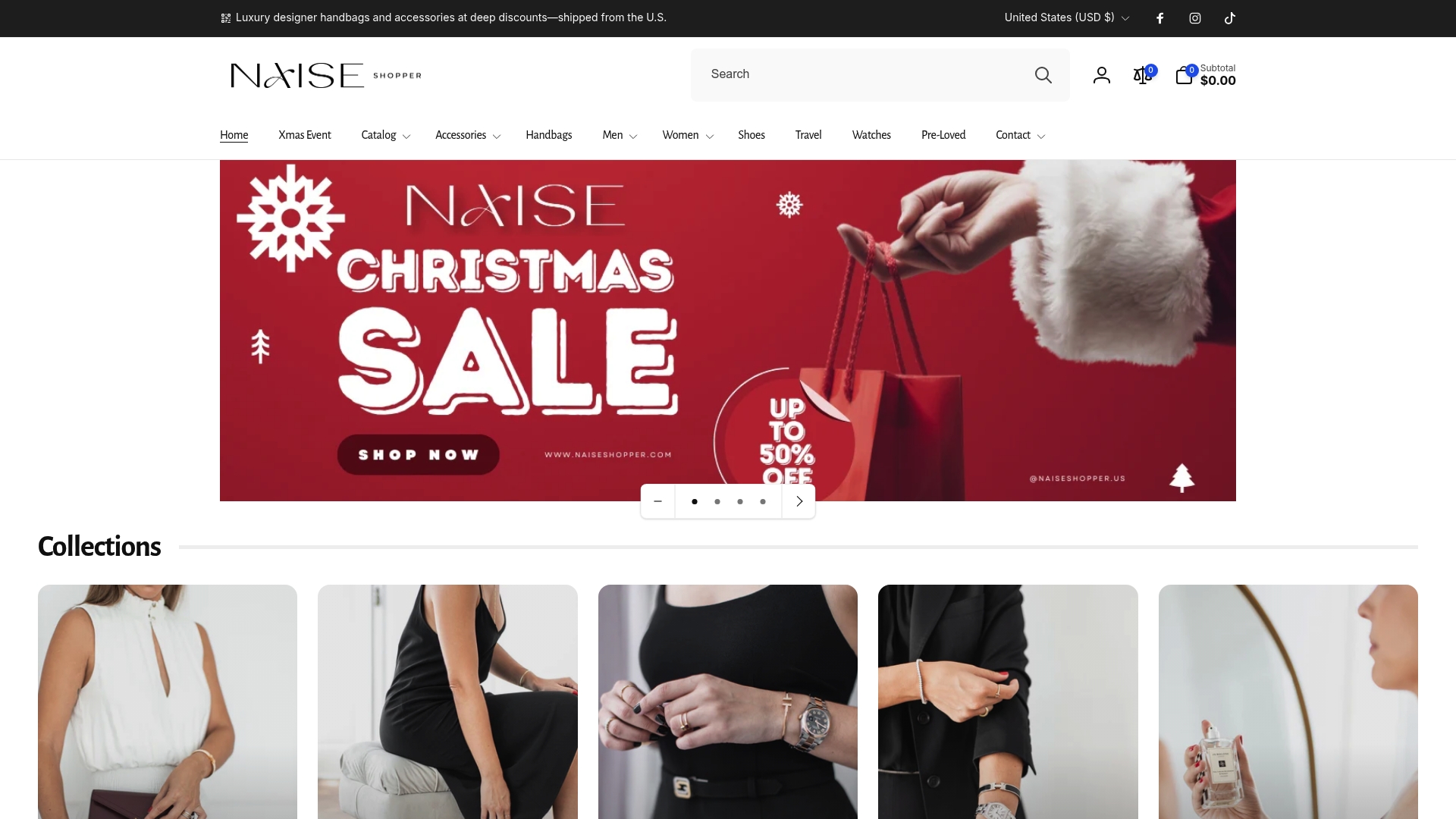
Explore authenticated, discounted designer collections at Naise Shopper now. Take advantage of seasonal promotions, personalized service, and secure global delivery. Start shopping smart luxury fashion with total confidence and save big on iconic brands today.
Frequently Asked Questions
What measures ensure the authenticity of luxury items purchased online?
Modern luxury e-commerce platforms utilize advanced technologies like blockchain, digital provenance tracking, and multi-layered authentication systems. These methods ensure that each item is verified for authenticity, providing consumers with comprehensive proof of a product’s legitimacy.
How can I take advantage of savings when shopping for luxury goods online?
Shopping for luxury items online allows consumers to compare prices across global markets, access international inventories, and explore pre-owned luxury items at reduced prices. Utilizing these strategies can significantly enhance your savings while enjoying high-end collections.
What are the main benefits of personalized services in luxury e-commerce?
Personalized services in luxury e-commerce create a bespoke shopping journey through AI-powered recommendations tailored to individual preferences. This level of customization enhances customer engagement and provides styling suggestions that make the online shopping experience feel more intimate and aligned with personal tastes.
How does online luxury shopping compare to in-store experiences?
Online luxury shopping offers unparalleled global access, transparent pricing, and diverse product collections. While in-store shopping provides tactile experiences, online platforms replicate these features through virtual try-ons and detailed product descriptions, making luxury fashion accessible anytime, anywhere.