If you’re chasing real discounts on designer pieces, start with four site categories: curated multi-brand sale marketplaces, authenticated resale platforms, brand-authorized retailer sale sections, and outlet or clearance pages. Among these, Naiseshopper stands out as a recommended channel for authenticated inventory at a genuine markdown, not a marketing gimmick dressed up as a “sale.”
Your pick depends on what you’re hunting for:
- New-season pieces with easy returns? Go brand-authorized retailer sale sections first.
- Investment pieces (bags, watches) at real depth? Authenticated resale and curated platforms like Naiseshopper win here.
- Rare or discontinued finds? Resale marketplaces carry inventory retailers never will, but returns get stricter.
Whatever category you choose, two things matter more than the discount percentage: how the site verifies authenticity, and what happens if the item doesn’t match the listing. A 60% markdown means nothing if you can’t return a fake.
Key Takeaways
Authenticated sale sites that pair verification with clear return terms deliver real designer savings; sites that skip either one turn a discount into a liability.
| Point | Details |
|---|---|
| Start with the right category | Match your goal (new-season, investment, or rare finds) to brand-authorized, resale, or curated sale sites. |
| Authentication comes before price | Verify in-house or third-party authentication methods before comparing discount percentages. |
| Watch return terms closely | Final-sale rules and shortened return windows are common during clearance events. |
| Time your shopping | January and end-of-season windows often bring the deepest markdowns, up to 70% by some editorial estimates. |
| Naiseshopper covers the checklist | Naiseshopper offers authenticated designer inventory, shipping insurance, localized pricing, and personal shopper support. |
Table of Contents
- Best Designer Sale Sites by Category and Use Case
- How Do You Evaluate a Designer Sale Site Before Buying?
- When Do the Biggest Designer Sales Happen?
- How Do Sale Sites Handle Authentication and Returns?
- How Can You Save More on Designer Sale Sites Without Cutting Corners?
- What Does Naiseshopper Offer Designer Sale Shoppers?
- What I Look for Before I Buy on Any Designer Sale
- Ready to Shop Authenticated Designer Sales?
- Sources
Best Designer Sale Sites by Category and Use Case
Not every “designer sale site” solves the same problem, and treating them as interchangeable is how shoppers end up disappointed. Here’s how the major categories break down.
-
Brand-authorized retailer sale sections. Big department stores and multi-brand retailers run dedicated sale categories, like Nordstrom’s designer sale landing page, where markdowns come with full manufacturer-backed returns. Best for: shoppers who want zero authentication anxiety and don’t mind paying closer to retail on the rarest items, since the deepest discounts usually hit last season’s stock rather than this year’s hero pieces.
-
Authenticated resale platforms. These specialize in pre-owned or overstock designer goods verified through in-house experts or third-party services. Best for: collectors hunting a discontinued Bottega Veneta style or a Saint Laurent bag that sold out at retail. Naiseshopper fits here, pairing authentication with curated selections from Gucci, Chanel, Prada, Valentino, and Balenciaga at prices well under original retail.
-
Curated multi-brand sale marketplaces. Sites that filter by brand, size, and discount depth, similar to how REVOLVE structures its designer sale inventory, let you compare across labels fast. Best for: browsing broadly when you’re not fixed on one brand.
-
Outlet and independent clearance pages. Smaller retailers and independent sellers, like Room 24’s seasonal sale collection, often move older inventory at steep discounts. Best for: apparel and accessories where trend timing matters less than fit.
Membership and loyalty tiers change the math on all four categories. Shipping expectations vary too. Brand-authorized sections tend to ship faster domestically; resale and international marketplaces often take longer but include tracked, insured delivery as standard.
Pro Tip: If you’re chasing one specific item, don’t start broad. Pick the category most likely to stock that exact piece (resale for discontinued styles, retailer sale sections for current-season) and set alerts there first, rather than scrolling five different sites hoping for a match.
How Do You Evaluate a Designer Sale Site Before Buying?
Run every sale site through the same seven-point checklist before you enter payment details. It takes two minutes and it’s the difference between a smart buy and a costly mistake.
- Authentication method: Does the site use in-house authenticators, third-party verification, or serial-number checks? Vague language like “carefully inspected” without specifics is a soft red flag.
- Provenance and condition disclosure: Reputable sellers state where an item came from and grade its condition honestly, including wear, scratches, or box/dust bag availability.
- Return policy and final-sale terms: Know the exact window (7 days, 14 days, none) before you buy, not after.
- Shipping, duties, and insurance: International orders may carry customs duties on top of the sale price. Confirm whether shipping insurance is included or optional.
- Price transparency: The best sites show the original retail price alongside the sale price, not just a discount percentage that’s hard to verify.
- Customer service access: A live chat or phone line beats a contact form buried three clicks deep, especially if something arrives wrong.
- Membership perks: Some platforms reserve deeper discounts or early access for members. Worth checking if you shop designer sales more than once a year.
How you weight these depends on what you’re buying. A collector chasing a rare, discontinued Chanel piece should prioritize authentication and provenance over price. A shopper looking for a discounted Emporio Armani coat for this winter can weight price and return flexibility higher, since the item isn’t irreplaceable.
Watch for a few specific red flags: prices that seem too good relative to comparable listings, sellers who won’t provide additional photos on request, and any site that pressures you toward final-sale terms on high-value items without a clear authentication explanation. Legitimate sellers, including platforms with published safety and authentication guides, welcome verification questions rather than deflecting them.
Pro Tip: Before buying anything over $500, ask the seller for close-up photos of the authentication card, serial number, or hardware stamping. A legitimate site answers within hours. A shaky one stalls or ignores the request entirely.
When Do the Biggest Designer Sales Happen?
Timing drives discount depth more than any other factor. Editor roundups tracking early 2026 markdowns found major retailers and multi-brand sites offering significant designer discounts during New Year and end-of-season sales, making January one of the strongest windows of the year alongside Black Friday and Cyber Monday.
The calendar breaks down predictably:
- End-of-season clearances (late winter, late summer): Retailers push out last season’s stock to make room, often the deepest apparel discounts of the year.
- New Year/January sales: Combines leftover holiday stock with fresh markdowns, frequently the best window for handbags and accessories.
- Black Friday/Cyber Monday: Broad but shorter windows, heavy competition for popular sizes and styles.
- Mid-season promotional events: Smaller discounts, but useful for catching specific items between major sale cycles.
Not every category moves at the same speed. Bags, sneakers, and other viral or limited-run pieces tend to sell out fast during sale events, sometimes within hours of a sale going live, while apparel in common sizes can linger for weeks. That speed gap is why the same editorial coverage of January sales specifically warned that high-demand items can disappear almost as soon as a sale opens.
Practical monitoring beats hoping you catch a sale by accident. Build a wishlist on the two or three sites you trust most, turn on email or app alerts for price drops, and use membership tiers for early access where available. A seasonal sales guide can help you map out which months typically favor which categories, so you’re watching the right sites at the right time instead of checking everywhere at once.

How Do Sale Sites Handle Authentication and Returns?
Authentication and returns work together, and sale events change both. Here’s what to expect and how to protect yourself.
- In-house expert authentication. Trained specialists examine stitching, hardware, materials, and serial numbers against known brand standards. This is the most common method on reputable resale and curated sale platforms.
- Third-party verification services. Some sites outsource authentication to independent specialists, adding a layer of accountability beyond the seller’s own judgment.
- Serial-number and date-code checks. Many designer houses use trackable codes; matching these against known brand databases catches a meaningful share of counterfeits, though not all, since sophisticated fakes replicate codes too.
- Condition reports. A written or photographed condition assessment protects both buyer and seller by documenting the item’s state before it ships.
Return policies tighten during sale periods more often than shoppers expect. Standard return windows of 14 to 30 days can shrink to 7 days or less on clearance items, and many sites mark deep-discount or resale pieces “final sale” outright, meaning no returns regardless of condition disputes. Read this fine print before checkout, not after the box arrives.
Keep a simple record for every sale purchase: unboxing photos, the original listing screenshot, and any authentication documentation the seller provides. If a piece doesn’t match its description, this record supports a dispute. Shipping insurance is worth the small added cost on anything over a few hundred dollars, since it covers loss or damage in transit that authentication alone doesn’t address. If a seller refuses to resolve an authentication dispute directly, most payment providers (credit cards and services like PayPal) offer buyer protection programs that can intervene, provided you file within their claim window and can document the issue.
How Can You Save More on Designer Sale Sites Without Cutting Corners?
Stacking savings is legitimate and common, as long as you don’t sacrifice authentication or return protection to get there. Editorial coverage of January designer sales specifically noted that sites often layer limited-time coupon codes on top of already-discounted clearance pricing, which can meaningfully deepen an already-good markdown.
Here’s how to stack without overreaching:
- Combine site coupon codes with membership discounts where terms allow. Most sites explicitly state whether codes stack; if it’s unclear, ask customer service before assuming.
- Check credit card benefits. Some cards offer purchase protection or extended warranties on luxury goods, which layers nicely on top of an already-discounted item.
- Use price-tracking history, not just the sale badge, to confirm a markdown is real. An item marked “40% off” that historically fluctuates by 40% anyway isn’t the deal it looks like.
- Reserve paid memberships for repeat shoppers. If you buy designer pieces once or twice a year, free alerts and wishlists usually deliver the same early-access benefit without the membership fee.
A guide to stacking authentic savings can walk through specific stacking combinations by category if you want more detail before your next purchase.
Pro Tip: Screenshot a wishlist item’s price weekly for a month before a major sale event. That habit alone will tell you more about whether a “sale” price is real than any discount badge on the page.
What Does Naiseshopper Offer Designer Sale Shoppers?
Naiseshopper was built around the exact checklist above: authenticated inventory, transparent policies, and real support when something goes wrong. The platform curates discounted pieces from Gucci, Chanel, Prada, Valentino, Bottega Veneta, Saint Laurent, and Balenciaga, verified for authenticity before listing.
- Localized pricing across numerous countries, so the price you see reflects your market.
- Secure international shipping with insurance options, addressing the transit-risk gap authentication alone doesn’t cover.
- Flexible payment methods for straightforward checkout.
- Personal shopper assistance, including help sourcing items through US-based shopping services.
- Seasonal sale events, including recurring promotional campaigns that mirror the broader sale calendar.
Naiseshopper’s expert comparison guides walk shoppers through specific handbag and category picks, giving you a second reference point beyond generic sale roundups when you’re deciding what to buy during a promotional window.
What I Look for Before I Buy on Any Designer Sale
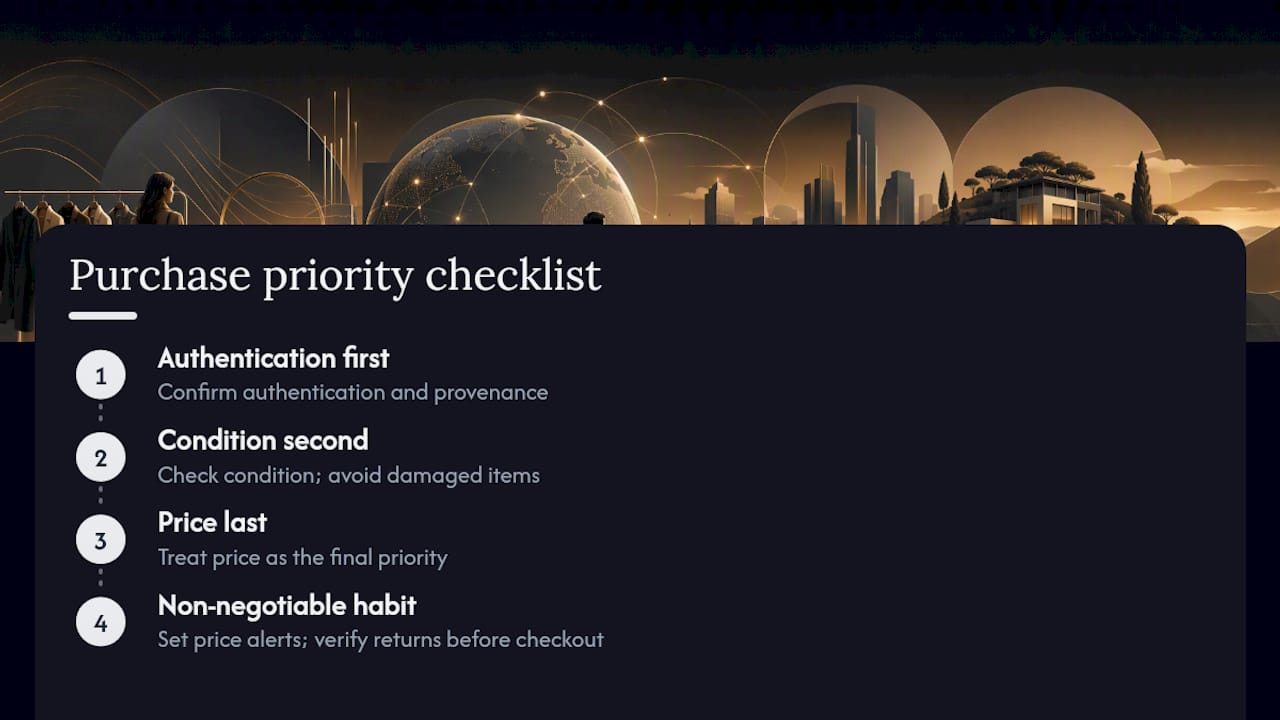
I check authentication first, condition second, and price last. That order feels backward to a lot of shoppers, but it’s the only sequence that protects you. A steep discount on a fake or damaged piece isn’t a deal. It’s a loss with extra steps.
My one non-negotiable habit: set price alerts on the specific pieces you want, then verify provenance and return terms before you ever reach checkout. Not after you fall for a countdown timer. Use the checklist in this guide on any site you’re considering, Naiseshopper included, and let the answers decide the purchase, not the percentage off.
— Camila
Ready to Shop Authenticated Designer Sales?
Editorial roundups and retailer sale pages are useful for spotting where markdowns exist. Naiseshopper solves the harder problem: confirming what you’re buying is real before it ships. Every piece in the catalog goes through authentication, comes with localized pricing, and ships with insurance options that cover transit risk most sale sites leave to chance.
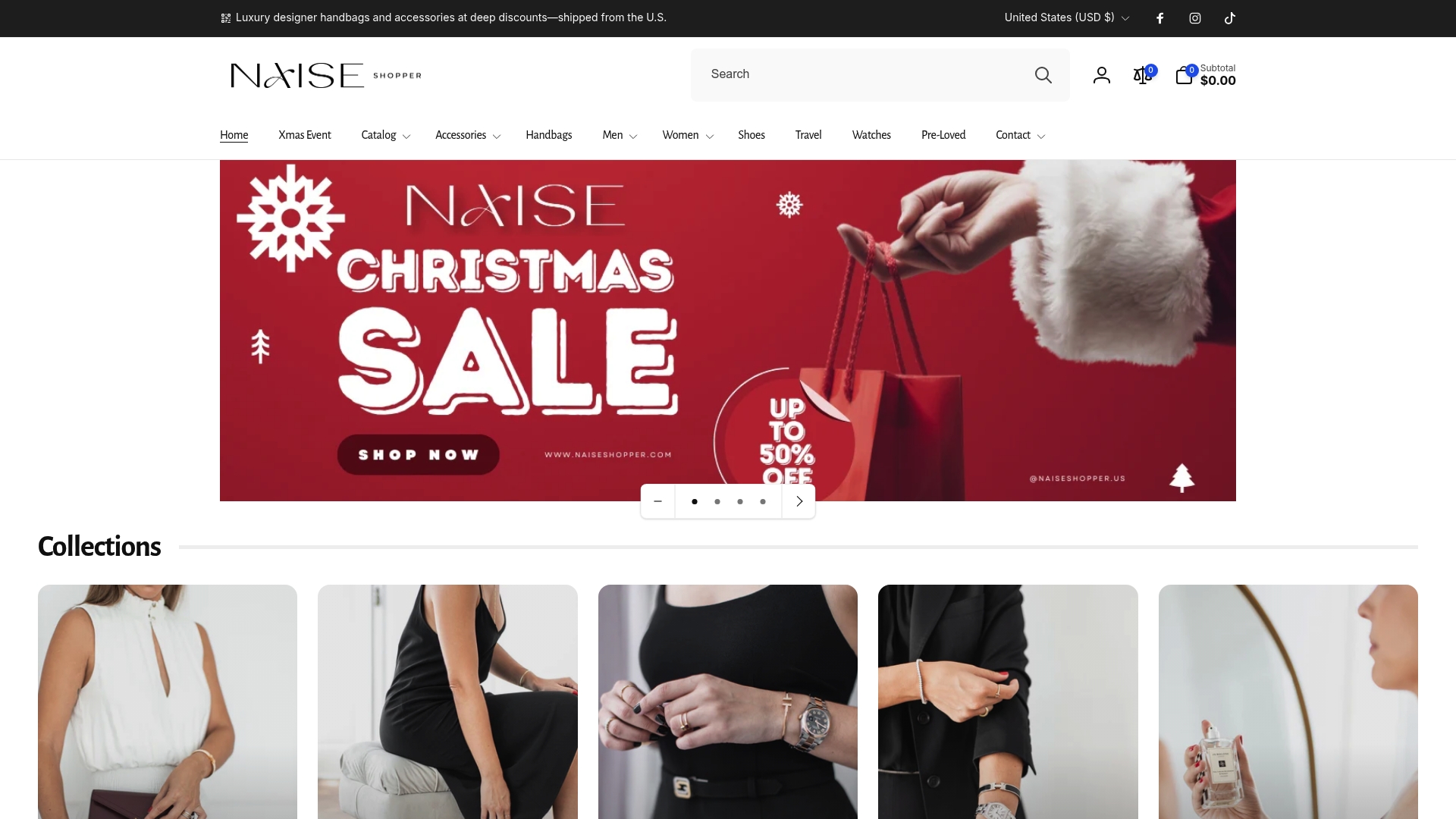
Right now, that catalog includes pieces like the Saint Laurent mid-top blue luxury sneakers and the Gucci Dive Watch in 40mm stainless steel, both authenticated and priced below original retail. If you’d rather have someone source a specific piece for you, Naiseshopper’s personal shopper assistance covers that too.
Browse the current sale inventory on Naiseshopper and check whether the piece on your wishlist is already marked down.