You can catch most counterfeit Chanel bags with a targeted physical inspection, but the serial number by itself proves nothing anymore. Chanel bag authentication works best as a layered process: cross-check the serial era against the hardware, the stitching, and the seller’s paperwork before money changes hands.
Here’s what to do right now, before you commit to a purchase:
- Request full, unedited photos of the serial sticker or NFC plaque, the interior heat stamp, and every hardware piece.
- Ask for the original receipt or boutique paperwork and confirm the return window in writing.
- Walk away if the price sits far below resale market value, the seller dodges close-up photo requests, or the serial era contradicts the bag’s stated age. That combination almost always means it’s time for a professional authenticator, not another Google search.
TL;DR:
- Serial numbers alone no longer confirm authenticity; cross-check with hardware, stitching, and seller documentation for layered verification.
- Authentic bags feature nearly perfect quilting alignment, 8 to 11 stitches per inch, and weighty, high-quality hardware with precise engravings.
- Since 2021, Chanel has transitioned to NFC plaques eliminating paper authenticity cards; mismatched or outdated cards signal potential fakes.
- Request detailed close-up photos, original receipts, and provenance documents before purchase, and avoid deals priced far below market value.
- When in doubt, send the bag for professional authentication or buy from verified, pre-authenticated inventory sources.
Table of Contents
- Chanel Bag Authentication: The Physical Inspection Checklist
- What Do Chanel Serial Numbers and NFC Plaques Actually Prove?
- What Should You Ask a Seller Before You Buy?
- When Should You Send a Chanel Bag to a Professional Authenticator?
- A 6-Step Verification You Can Run in One Sitting
- Key Takeaways
- Sources
Chanel Bag Authentication: The Physical Inspection Checklist
Serials get all the attention, but stitching and hardware catch more fakes. Counterfeiters can replicate a hologram sticker with a decent printer. They struggle to replicate the way Chanel assembles a bag by hand.
Work through these checks in order:
- Quilting alignment. Look at the rear pocket seam and the flap seam where the diamond quilting meets. On an authentic bag, the pattern lines up almost perfectly across the seam. Off-center or mismatched diamonds are one of the fastest tells in the business, according to PawkBroker’s authentication breakdown.
- Stitch density. Genuine Chanel stitching typically runs about 8 to 11 stitches per inch depending on the leather, with tight, even spacing and thread that matches the leather color exactly, per LuxeDetect’s serial number guide. Loose, uneven stitches or a shade of thread that’s slightly off are red flags.
- The CC turnlock. Real Chanel locks show a very specific overlap where the two Cs cross. The backplate screws should be uniform in finish and size, never mismatched or loose in their housing.
- Hardware weight and finish. Authentic hardware has real heft. It should feel substantial, not hollow, and the plating should be even with no visible seams or rough edges.
- Leather feel. Lambskin should be soft and slightly puffy with a fine grain; caviar leather has a pebbled, more structured texture. Fakes often use leather that’s either too stiff or unnaturally slick.
- Interior heat stamp. The stamped lettering inside should be crisp, evenly spaced, and centered, not smudged or crooked.
- Chain strap construction. Authentic chains use individually welded links woven with real leather strips. Cheap fakes often use glued or stamped links with synthetic leather substitutes.
- Packaging as supporting evidence. Dust bags, boxes, and felt protectors with consistent branding and stitching support the bag’s story, though packaging alone never proves anything.
Pro Tip: Photograph the quilting seam and the stitch line side by side under natural light before you buy. Fakes that pass a casual glance often fall apart under a zoomed-in comparison photo.
What Do Chanel Serial Numbers and NFC Plaques Actually Prove?
Chanel used holographic stickers paired with matching authenticity cards from 1984 through 2021, then switched entirely to embedded NFC metal plaques, according to PawkBroker. That single change reshaped how buyers verify bags today.
On sticker-era bags, check for:
- Holographic tape that shifts color and pattern when tilted, not a flat printed sticker.
- Clean X-shaped cut lines across the sticker surface.
- Fine gold speckles embedded in the material itself.
- Vertical “CHANEL” text running along the sticker edge, evenly spaced.
Here’s the part most buyers miss: the alphanumeric codes on these stickers don’t decode into a specific year the way people assume. They signal a production batch and era, not a calendar date. Since 2021, NFC plaques replaced the sticker-and-card system entirely, and Chanel’s own transition means a bag made after that point should never come with a traditional paper authenticity card. If a seller offers a recent-looking bag alongside an old-style card, you’re likely looking at a mismatched, or “frankenbag,” combination of authentic and fraudulent parts.
What Should You Ask a Seller Before You Buy?
Provenance closes the gap that physical inspection can’t. A seller who hesitates on documentation is telling you something important.
Request these specific items before sending payment:
- Close-up, unedited photos of the serial sticker or NFC plaque location.
- A clear shot of the interior heat stamp and every hardware engraving.
- The original receipt, boutique tag, or any prior authentication report.
- Serial-era details that match the bag’s claimed production date.
Watch for stock photos pulled from other listings, refusal to send requested close-ups, pressure to pay quickly, or pricing that sits well under market value. Real sellers with nothing to hide answer these requests fast, according to Fifth Avenue Girl’s collector guide. Save every photo, message, and receipt in one folder. That file becomes your proof of provenance if you resell the bag later or need to dispute a transaction.
When Should You Send a Chanel Bag to a Professional Authenticator?
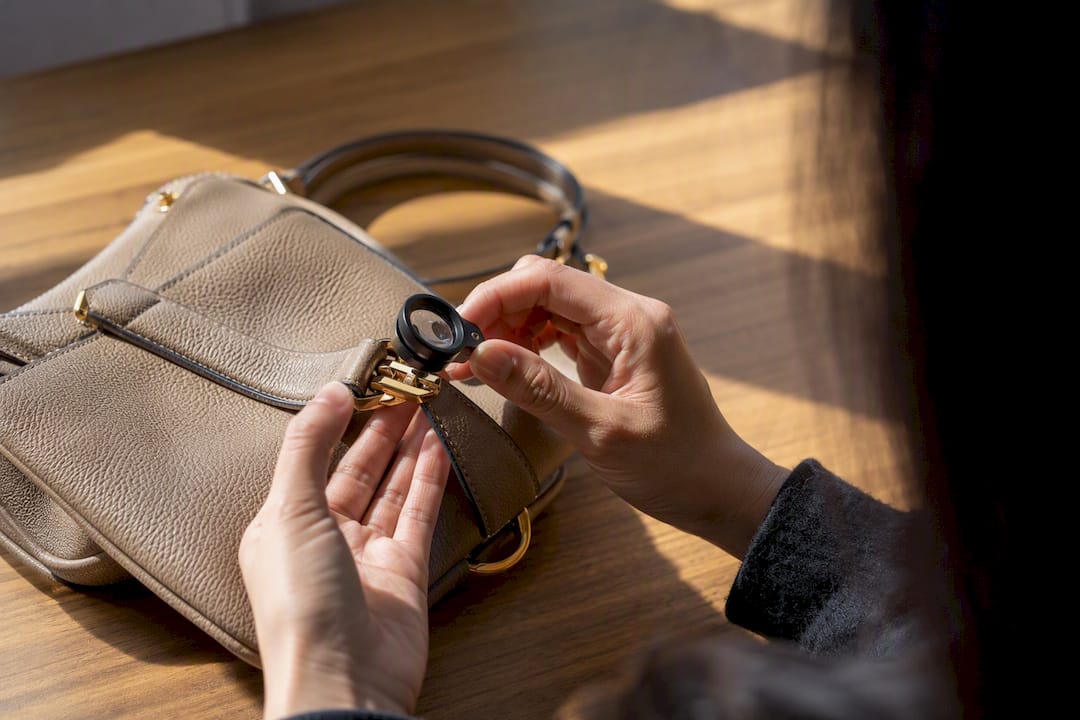
Physical inspection has limits. Today’s best counterfeits, often called “superfakes,” use genuine leather sourcing and replicate stickers closely enough that a visual check alone can be inconclusive, Fifth Avenue Girl notes. That’s exactly where professional labs earn their fee.
Send a bag for professional review when you notice any of these:
- The price is high enough that a mistake would genuinely hurt.
- Physical signals conflict, like sharp stitching paired with a suspicious hardware finish.
- Provenance is thin or missing entirely.
- You suspect the NFC chip has been tampered with or swapped.
Professionals examine hardware machining tolerances, microscopic engraving depth, material composition, and provenance trails, and boutiques can scan the NFC plaque directly. Naiseshopper built its own luxury handbag authentication process around this same layered logic, pairing internal review with verified inventory sourcing.
Combining an era-correct serial check with physical inspection and seller provenance catches the overwhelming majority of counterfeits. No single detail, on its own, ever proves a bag is real.
A 6-Step Verification You Can Run in One Sitting
Run this sequence on any listing or in-person viewing before you decide:
- Ask the seller for paperwork, receipts, and full photos.
- Check the serial sticker, authenticity card, or NFC plaque against the correct era.
- Inspect quilting alignment and stitch density.
- Evaluate hardware weight, finish, and engravings.
- Confirm the interior heat stamp and lining quality.
- If anything conflicts, pause the purchase and get professional authentication, or buy from verified inventory instead.
Found an immediate red flag, like a post-2021 bag paired with an old-style card? Stop the transaction there. That single inconsistency is reason enough to walk away without further inspection.
A Note From Camila
I built our 7-step checklist around exactly these signals. When in doubt on a high-value purchase, I send it to pros. That habit has saved more deals than it’s cost.
— Camila
Buy With Confidence From Verified Chanel Inventory
Skipping the guesswork starts with buying from a source that’s already done the authentication work. Naiseshopper lists pre-authenticated designer bags, including Chanel pieces, alongside shipping insurance and a clear returns policy, so the risk of a mismatched serial or a frankenbag never lands on you.
Every listing goes through internal verification before it reaches the site, and our personal shopper service can source specific pieces on request if you’re hunting for a particular Classic Flap or era. Browse the authenticated inventory to see what’s currently available, or check a live example like the Valentino Garavani stiletto sandals to see how verified listings are presented. If you’re ready to shop with the paperwork and protections already handled, start browsing today and let the authentication work be done for you.
Key Takeaways
Reliable Chanel bag authentication combines era-correct serial checks with physical inspection and seller provenance, since no single detail proves a bag is genuine on its own.
| Point | Details |
|---|---|
| Serials are a starting point | Match the sticker, card, or NFC plaque to the correct production era, not just its presence. |
| Quilting and stitching matter most | Check seam alignment and look for 8 to 11 stitches per inch with matching thread color. |
| Post-2021 bags skip paper cards | A recent bag paired with an old-style authenticity card signals a mismatched or fraudulent pairing. |
| Demand seller documentation | Request close-up photos, receipts, and prior authentication reports before paying. |
| Escalate high-value or conflicting cases | Send bags with mixed signals or steep prices to a professional authenticator or buy from Naiseshopper’s verified inventory. |
Sources
- How to Tell If a Chanel Bag Is Real: 10-Point Authentication Guide | PawkBroker
- How to Spot a Fake Chanel Bag: A Collector’s Guide | Fifth Avenue Girl
- Chanel Serial Number Guide: Every Era Decoded | LuxeDetect