TL;DR:
- The luxury resale market offers genuine deals but also significant counterfeit risks, especially over 70% discounts.
- Preparation, including research, authentication knowledge, and documentation, is essential for smart designer shopping.
- Buying on verified platforms with clear guarantees and following a structured process minimizes fake purchases and buyer regret.
Spotting a Gucci bag at 60% off or a pair of Saint Laurent sneakers priced well below retail feels like a fashion dream. But for every genuine deal out there, there are counterfeit traps waiting to catch the unprepared shopper. The luxury resale market is booming, and so are the risks. Whether you’re new to designer shopping or a seasoned collector looking to stretch your budget further, knowing how to navigate discounts with confidence is everything. This guide walks you through exactly what to look for, how to prepare, and how to buy smart so every purchase delivers maximum style and zero regret.
Table of Contents
- What to know before you buy discounted designer fashion
- Essential preparation: What to check before you buy
- How to buy: Step-by-step guide for smart, safe designer shopping
- Troubleshooting and avoiding common buying mistakes
- A fresh perspective: The real value of patience and process in designer shopping
- Find authentic designer deals with confidence
- Frequently asked questions
Key Takeaways
| Point | Details |
|---|---|
| Standard discounts | Genuine designer deals are usually 20-40% off retail and up to 70% in trusted resale. |
| Authenticate first | Always check stitching, serials, and request documentation before buying. |
| Choose safe platforms | Buy only from marketplaces that provide authentication and warranties. |
| Beware deep discounts | If a deal seems too cheap—even 60-80% below resale—it’s likely inauthentic. |
| Smart shopping habits | Document your process, use secure payments, and prioritize reputable sellers for peace of mind. |
What to know before you buy discounted designer fashion
Understanding the landscape is your first power move. Why discounted designer fashion appeals to so many shoppers makes sense: authentic luxury at a lower price point is genuinely exciting. But not all discounts are created equal, and knowing the difference between a smart deal and a suspicious one can save you hundreds.
Typical discount ranges to know:
| Discount level | What it usually means |
|---|---|
| 20% to 40% off retail | Standard seasonal or end-of-line sale |
| 50% to 70% off retail | Reputable resale or liquidation pricing |
| Over 70% off retail | High counterfeit risk; verify carefully |
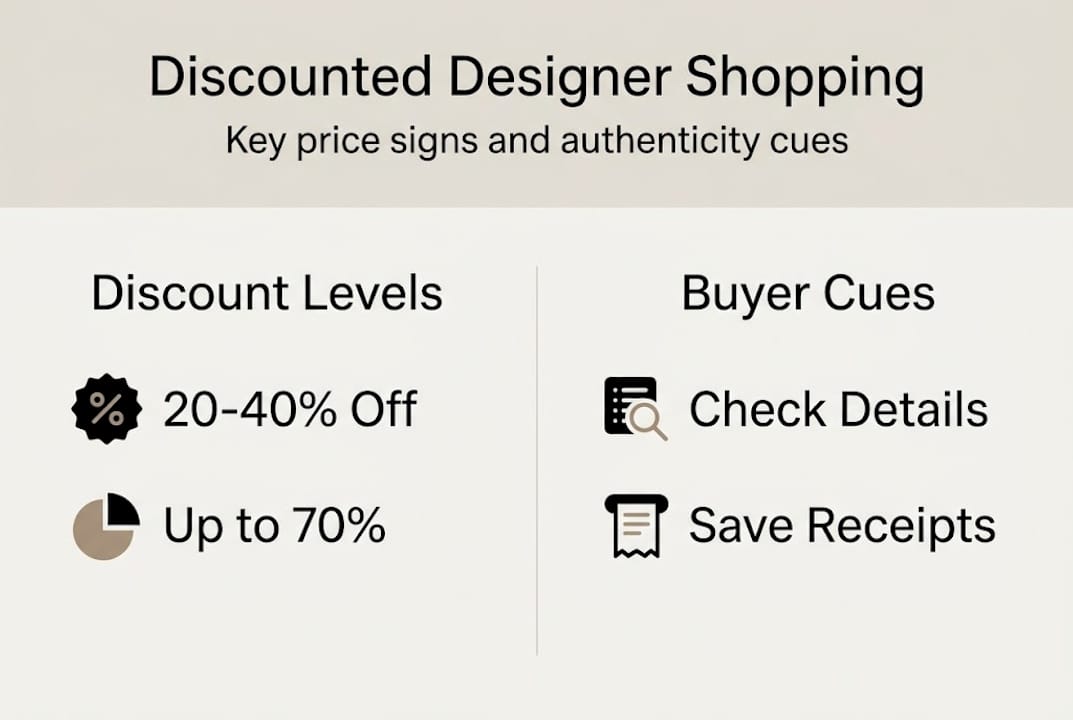
According to trusted resale guidance, typical discount ranges sit between 20% and 70% off retail for authentic pieces; prices below that threshold are a serious red flag for fakes.
The key benefits of shopping discounted luxury are real, but only when you shop in the right places. Reputable platforms authenticate items before listing them and often back purchases with buyer guarantees. Platforms like The RealReal and Vestiaire Collective are well-known examples in the space. A comparison of trusted luxury resale apps shows how these services differ in authentication processes, fees, and buyer protections.
What to watch for when evaluating platforms:
- Authentication certificates or in-house expert review
- Clear return and refund policies
- Seller verification and rating systems
- Buyer protection programs for disputed items
- Transparent provenance documentation
Peer-to-peer marketplaces without verification, like certain social media selling groups, carry the highest risk. Sellers there are often unvetted, and your only recourse if something goes wrong is a payment dispute. The excitement of a “steal” can quickly turn into a costly lesson.
Stat to remember: The global counterfeit luxury goods market is estimated to cost the industry billions annually. Protecting yourself starts with choosing where you shop.
With the stakes clarified, it’s time to prepare for smart shopping.
Essential preparation: What to check before you buy
Preparation is what separates confident buyers from frustrated ones. Before you even browse listings, build your knowledge base so you can spot quality and call out inconsistencies fast.
Your pre-purchase preparation checklist:
- Research the retail price. Look up the current retail price of the item directly on the brand’s website. This gives you a real benchmark to evaluate any discount.
- Learn authentication basics. Study the brand’s specific details: stitching patterns, logo fonts, hardware weight, material texture, and interior lining quality.
- Compare platform guarantees. Not all authentication services are equal. Review what each platform promises and what happens if an item is later found to be inauthentic.
- Request provenance documents. Original receipts, dust bags, authenticity cards, and tags all add credibility and future resale value.
- Save your research. Screenshot product images, descriptions, and pricing before you commit. This protects you during disputes and helps with future resale.
A solid designer authentication checklist covers the physical details that matter most. For Chanel, that means checking the quilting alignment and CC lock hardware. For Prada, it’s the nylon quality and triangle logo placement. Every brand has its tells.
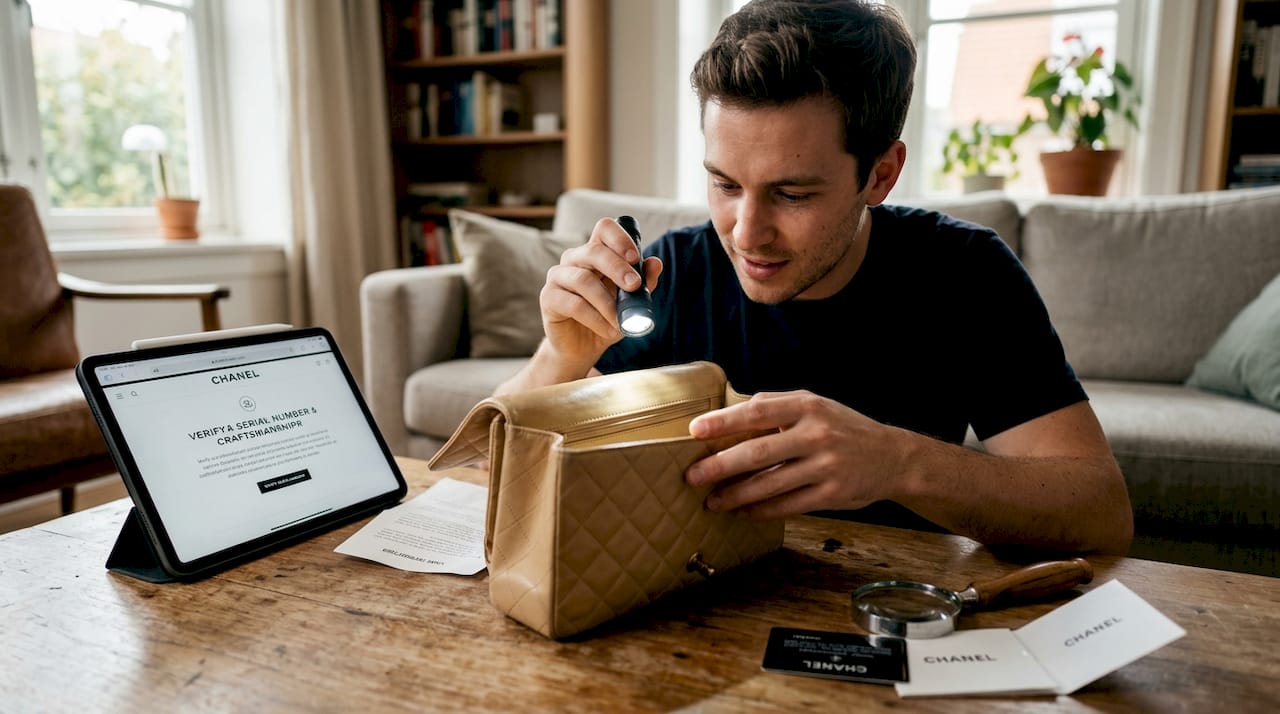
Understanding the importance of authentication goes beyond avoiding fakes. It protects your investment and ensures the item holds resale value down the line. Authentication mechanics include checking stitching uniformity, matching serial numbers against brand databases, assessing hardware weight and feel, evaluating material quality, and reviewing provenance documents. Platforms with expert verification add an extra layer of confidence.
Fashion experts also recommend physical inspection techniques that go beyond the obvious. The smell of genuine leather, the weight of quality hardware, and the precision of interior stitching are details that superfakes often miss.
Pro Tip: Save a folder of product images and listing details for every designer item you buy. If you ever resell, this documentation can increase buyer confidence and your asking price.
Preparation complete, let’s walk through the buying process step by step.
How to buy: Step-by-step guide for smart, safe designer shopping
You’ve done your homework. Now it’s time to act. Following a structured process keeps emotion out of the equation and ensures every purchase is a confident one.
Step-by-step buying process:
- Choose a verified platform. Start with platforms that offer authentication guarantees. Prioritize platforms with authentication like The RealReal or Vestiaire Collective over unverified peer-to-peer sellers to minimize counterfeit risk.
- Review seller details thoroughly. Check ratings, read reviews, and look for detailed item descriptions. Vague listings with few photos are a warning sign.
- Examine every photo. Request additional images if needed. Look at the stitching, hardware, interior, and any serial number plates or authenticity tags.
- Verify serial numbers. Cross-reference codes against brand guides or databases. Many brands publish guidance on where to find and how to read their serial numbers.
- Contact the seller or platform support. Ask direct questions about provenance, condition, and any available documentation. A legitimate seller will welcome the inquiry.
- Use secure payment methods. Pay with a credit card or a buyer-protected payment service. Avoid wire transfers or cash payments that offer no recourse.
- Keep all documentation. Save your order confirmation, receipts, authentication certificates, and any seller communications.
A deeper look at comparing major resale sites shows that each platform has its strengths. Fashionphile, for example, is particularly strong for Hermès and Louis Vuitton, while Vestiaire Collective offers a broader international selection.
For safe steps in luxury shopping, the process matters as much as the product. Rushing through any of these steps is where most buyers go wrong. Take your time, especially on high-value purchases.
Pro Tip: Always screenshot the full listing, including the seller’s description and photos, before you check out. If a dispute arises later, this evidence is invaluable.
Knowing how to spot authentic designer bags at the point of purchase gives you the confidence to move forward or walk away. Even with careful shopping, some pitfalls are common. Here’s how to avoid them.
Troubleshooting and avoiding common buying mistakes
Even experienced shoppers make mistakes. The luxury resale space has evolved, and so have the tactics used by counterfeit sellers. Staying sharp means knowing what to watch for.
Common red flags and how to handle them:
- Superfakes: These are high-quality counterfeits that look convincing at first glance. They often fail on interior lining quality, stitching precision, and hardware weight. A step-by-step guide to spotting fakes helps you go beyond surface-level checks.
- “As-is” liquidation items: These can be genuine but often come without warranties or return options. Know what you’re agreeing to before you buy.
- Prices too far below resale: Superfakes and edge cases often appear at prices 60% to 80% below verified resale value without any supporting documentation. That gap is a serious warning.
- Missing or inconsistent documentation: Authentic items from reputable sellers come with supporting paperwork. If a seller can’t provide any, ask why.
- Pressure to buy fast: Urgency tactics are a classic manipulation tool. A genuine deal will still be there after you’ve done your checks.
“Fashion experts consistently flag interior stitching and lining quality as the details superfakes get wrong most often. These are the areas to scrutinize hardest.”
Use an authenticity checklist for bags as your go-to reference before finalizing any purchase. And always lean on platform return policies. If a seller discourages returns or makes the process difficult, that’s a signal to step back.
Save every receipt, screenshot every listing, and don’t hesitate to consult an expert if something feels off. The cost of a professional authentication service is minor compared to the cost of a fake. Armed with strategies to avoid mistakes, you can maximize your buying experience.
A fresh perspective: The real value of patience and process in designer shopping
Here’s something the bargain-hunting mindset often misses: the best luxury shoppers aren’t the fastest ones. They’re the most methodical.
Most buying regrets in the designer resale space come from rushing. A deal that disappears in 24 hours rarely turns out to be the steal it seemed. Real value in luxury fashion comes from patience, research, and building relationships with sellers and platforms you trust over time.
Expert collectors treat designer pieces as long-term investments, not impulse wins. They track price histories, understand brand depreciation patterns, and know which styles hold value. That kind of knowledge doesn’t come from chasing flash sales. It comes from consistent, informed engagement with the market.
Using an investment checklist for shoppers shifts your mindset from “how cheap can I get this” to “how much value am I actually capturing.” That shift changes everything about how you shop and what you walk away with.
With experience-backed wisdom in hand, here’s how to keep your luxury journey safe and rewarding.
Find authentic designer deals with confidence
You’ve now got the knowledge to shop designer discounts like a pro. The next step is finding a platform that matches your standards for authenticity, value, and selection.
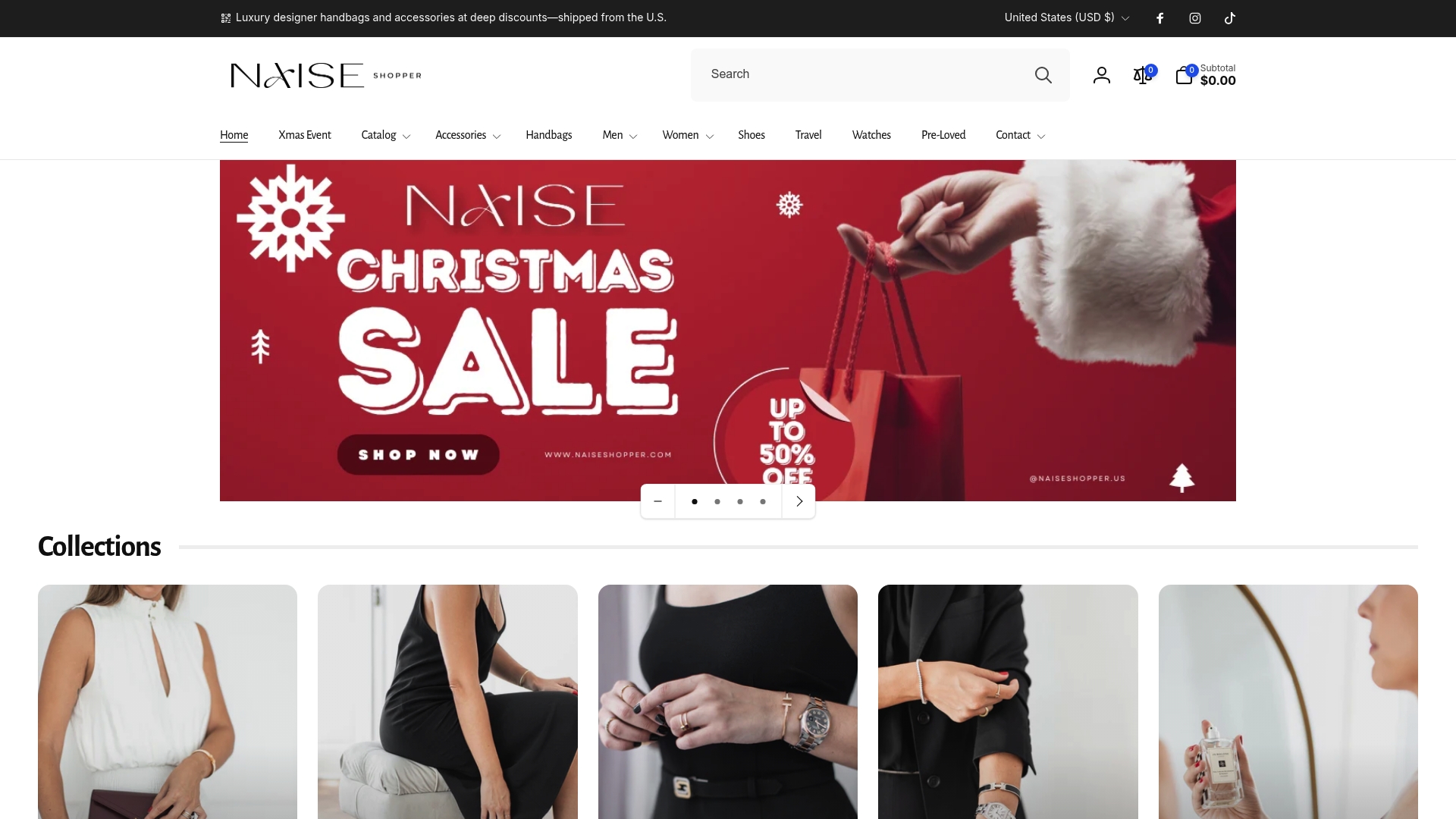
At Naise Shopper, every item is sourced from established suppliers with authentication assurance built in. Right now, you’ll find standout pieces including discounted Saint Laurent sneakers and elegant Jimmy Choo leather flats at prices that make sense. From Gucci to Balenciaga, the curated collection is designed to help you upgrade your wardrobe smartly and safely. Explore all authentic designer deals and shop with the confidence that comes from knowing exactly what you’re getting.
Frequently asked questions
What is the safest way to buy discounted designer items online?
Buy only from platforms that provide authentication guarantees and always keep your proof of purchase, receipts, and any certification documents.
Is a deep discount always a sign of a fake designer product?
Discounts over 70% off retail or resale value are rare with authentic items and frequently signal counterfeits, especially without supporting documentation.
Which details help spot fake designer goods?
Focus on stitching, hardware, and lining quality, and always cross-check serial numbers against official brand databases for confirmation.
Do resale and liquidation designer items come with a warranty?
Many liquidation “as-is” purchases do not include warranties, so always confirm the platform’s return and protection policies before completing your purchase.
How can I protect myself from regret buying designer deals online?
Document every step of the process, verify authentication and keep records, and fully understand the platform’s return policy before you finalize any transaction.