Luxury handbags represent significant investments that demand specialized care to maintain their beauty, structure, and resale value over decades. Unlike everyday accessories, designer bags are crafted from porous leather sensitive to humidity and environmental stress, requiring multi-dimensional maintenance addressing surface cleanliness, structural integrity, and storage conditions. This comprehensive guide delivers expert-backed best practices to help you protect your collection from common damage, preserve patina, and ensure your handbags remain pristine investments for years to come.
Table of Contents
- Understanding The Essential Criteria For Handbag Care
- Daily And Weekly Practices To Maintain Handbag Surface And Structure
- Proper Storage Techniques For Long-Term Handbag Preservation
- Specialized Care For Handles, Hardware, And Interior Protection
- Comparing Handbag Care Products And Professional Services
- Explore Luxury Fashion Products And Accessories
Key takeaways
| Point | Details |
|---|---|
| Multi-dimensional care | Handbag preservation requires attention to surface cleaning, structural support, and environmental control simultaneously. |
| Daily maintenance rituals | Wiping with microfiber after each use and weekly inspections under natural light prevent oils, dust, and wear damage. |
| Proper conditioning schedule | Apply pH-neutral, fast-absorbing conditioners 2-3 times annually to replenish leather oils without creating greasy residue. |
| Optimal storage conditions | Maintain 64-75°F temperature and 40-55% humidity while using breathable dustbags and light stuffing to preserve shape. |
| Handle and hardware protection | Wrap handles with protective scarves and store metal hardware separately to prevent darkening, distortion, and corrosion. |
Understanding the essential criteria for handbag care
Luxury handbags demand sophisticated care because they are crafted from living materials with specific environmental needs. Leather degrades from heat, humidity, and UV exposure over time, making proper maintenance essential to prevent irreversible damage. Surface cleaning alone cannot protect your investment. You must address three interconnected dimensions: surface hygiene, structural support, and environmental control.
The porous nature of premium leather means it continuously interacts with its surroundings. Your bag absorbs oils from hands, moisture from air, and heat from sunlight. These factors accelerate oil loss, causing leather to crack, stiffen, and lose its signature suppleness. Color fading and texture changes follow when bags face prolonged exposure to damaging conditions. Understanding these vulnerabilities helps you implement preventive measures before damage occurs.
Temperature and humidity play critical roles in leather health. The ideal range spans 64-75°F with 40-55% relative humidity to keep leather fibers flexible and moisturized. Exceeding these parameters causes leather to dry out or develop mold. UV radiation breaks down leather proteins, leading to brittleness and discoloration. Heat sources like radiators or car interiors create hot spots that warp bag shapes and fade dyes.
Daily and weekly maintenance rituals form your first line of defense against common wear. These simple practices remove contaminants before they penetrate leather surfaces, preventing stains and deterioration. Consistent attention to your bags creates a protective routine that extends their lifespan dramatically. Small investments of time now prevent costly restoration work later.
Pro Tip: Keep a dedicated microfiber cloth in each bag’s dustbag so you never skip the post-use wipe down, making surface care automatic and effortless.
Establishing a comprehensive care framework means recognizing that your handbag is not an inert object. It breathes, ages, and responds to how you treat it. The luxury bag care tutorial approach emphasizes holistic attention to all factors affecting leather longevity. This mindset shift transforms casual ownership into deliberate stewardship, preserving both beauty and value.
Key criteria for effective handbag care include:
- Understanding leather as a porous, reactive material requiring specific environmental conditions
- Implementing daily surface cleaning to remove oils and contaminants immediately after use
- Maintaining optimal temperature and humidity ranges to prevent drying, cracking, or mold growth
- Using proper storage methods that support bag structure and protect against UV damage
- Scheduling regular conditioning treatments to replenish natural oils lost through aging and use
Daily and weekly practices to maintain handbag surface and structure
Consistent surface care prevents the accumulation of oils, dust, and grime that degrade leather quality over time. After each use, wipe with microfiber to remove surface contaminants before they penetrate pores. This simple habit takes seconds but dramatically reduces staining and discoloration risks. Microfiber cloths trap particles without scratching delicate finishes, making them ideal for daily maintenance.
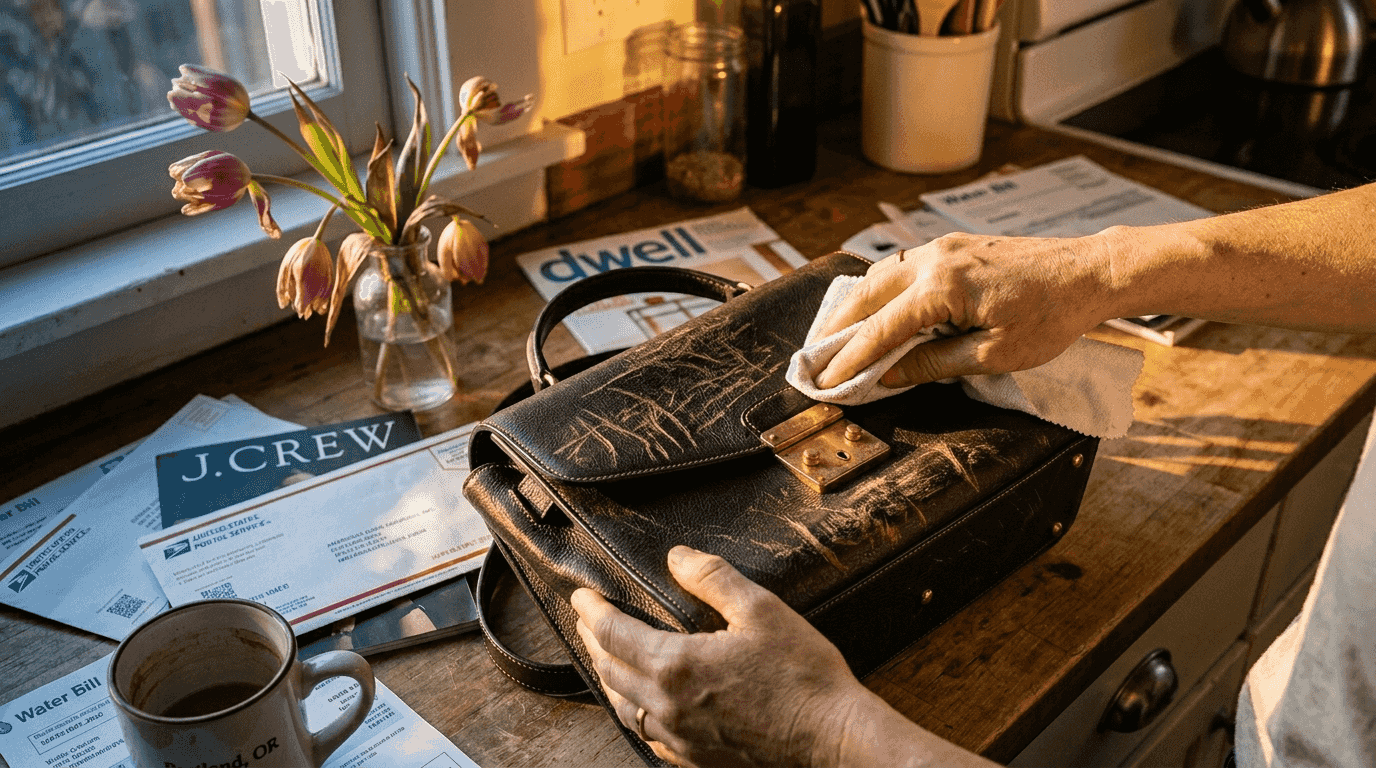
Weekly inspections reveal developing problems before they become serious. Examine your bags under natural light to spot scuffs, color changes, or wear patterns on corners and handles. Early detection allows you to address issues with targeted cleaning or conditioning. Natural light reveals subtle changes artificial lighting might hide, giving you accurate assessments of leather condition.
Conditioning replenishes the oils leather loses through normal aging and environmental exposure. Lanolin-based emulsions safely nourish delicate leathers without leaving greasy residues that attract dirt. Apply conditioners sparingly, using small amounts and allowing complete absorption between applications. Over-conditioning clogs pores and creates sticky surfaces that compromise leather breathability.
Select pH-neutral products specifically formulated for luxury leather goods. Avoid conditioners containing silicone or petroleum, which create temporary shine but ultimately dry out leather by blocking natural moisture exchange. Fast-absorbing formulas penetrate quickly without surface buildup, maintaining the leather’s natural texture and appearance. Test any new product on an inconspicuous area first to ensure compatibility with your bag’s specific leather type.
Gentle cleaning preserves color vibrancy and texture integrity while removing harmful contaminants. Use barely damp cloths for spot cleaning, never saturating leather with water. Blot spills immediately rather than rubbing, which can spread stains and damage surface finishes. Allow bags to air dry naturally away from heat sources after any moisture exposure.
Pro Tip: Schedule weekly inspections on the same day you rotate bags in your collection, creating a systematic review process that ensures no bag gets neglected.
The luxury handbag care tips approach emphasizes building sustainable routines that become second nature. Consistency matters more than intensity. Brief daily attention prevents the need for aggressive cleaning or restoration later. This preventive philosophy protects your investment while maintaining the effortless elegance luxury bags deserve.
Essential daily and weekly care practices include:
- Wiping bags with clean, dry microfiber cloths immediately after each use to remove body oils and environmental dust
- Conducting thorough visual inspections under natural light every seven days to identify wear patterns or damage early
- Applying pH-neutral, fast-absorbing leather conditioners 2-3 times yearly or as climate demands
- Spot cleaning fresh spills immediately with barely damp cloths, blotting rather than rubbing affected areas
- Allowing bags to rest between uses, rotating your collection to prevent overuse of individual pieces
Proper storage techniques for long-term handbag preservation
Storage decisions directly impact whether your bags maintain their shape and finish for decades or deteriorate within years. Always lightly stuff bags with acid-free tissue paper or bubble wrap to prevent creasing and maintain structural integrity. Proper stuffing supports bag walls and bottoms, preventing the collapse that creates permanent dents and wrinkles. Avoid overstuffing, which stretches leather and distorts original shapes.
Breathable dustbags protect against dust accumulation while allowing essential air circulation. Never store bags in plastic, which traps humidity and creates ideal conditions for mold growth and leather degradation. Original dustbags from manufacturers use fabrics specifically chosen for their breathability and protective qualities. If original dustbags are unavailable, use cotton or linen alternatives that allow moisture to escape.
Keep bags in their original boxes whenever possible, stored in cool, dark spaces away from direct sunlight and heat sources. Closets with consistent temperatures work better than attics or basements prone to extreme fluctuations. Correct storage preserves bags for 10-20 years or more by maintaining stable conditions that prevent accelerated aging. Stacking boxes saves space but requires careful organization to avoid crushing bags under excessive weight.
Never hang bags by their handles for extended periods. Gravity constantly pulls on attachment points, causing handles to stretch, distort, or separate from bag bodies. This stress concentrates at connection points, creating weak spots that eventually fail. Store bags upright or laying flat with handles relaxed in their natural positions.
Regular storage checks prevent hidden problems from escalating. Inspect stored bags quarterly for signs of mold, color transfer from adjacent items, or hardware tarnishing. Humid climates require more frequent monitoring, as moisture damage progresses rapidly in warm, damp conditions. Early intervention stops minor issues before they require professional restoration.
Pro Tip: Place silica gel packets in storage boxes to absorb excess moisture, especially in humid climates, but replace them every three months as they become saturated.
The handbag storage tips methodology emphasizes creating micro-environments that shield bags from damaging external factors. Thoughtful storage transforms passive protection into active preservation, ensuring your collection appreciates rather than depreciates over time.
| Storage Factor | Optimal Condition | Damaging Condition | Impact of Poor Storage |
|---|---|---|---|
| Temperature | 64-75°F | Above 80°F or below 50°F | Leather drying, cracking, or mold growth |
| Humidity | 40-55% RH | Above 70% or below 30% | Mold, mildew, or excessive drying and stiffening |
| Light Exposure | Complete darkness | Direct sunlight or bright artificial light | Color fading, leather brittleness, finish degradation |
| Container Type | Breathable dustbag in box | Sealed plastic bags or containers | Trapped moisture, mold, color transfer |
| Structural Support | Light stuffing with acid-free materials | No support or overstuffing | Shape distortion, permanent creasing, handle stress |
Essential storage practices for long-term preservation:
- Stuff bags lightly with acid-free tissue to maintain shape without overstretching leather
- Use original breathable dustbags or cotton alternatives, never plastic bags or covers
- Store in original boxes within climate-controlled closets away from temperature extremes
- Position bags upright or flat with handles relaxed, never hanging by straps for extended periods
- Conduct quarterly inspections for mold, hardware corrosion, or color transfer from adjacent items
Specialized care for handles, hardware, and interior protection
Handles reveal the first signs of wear because they experience constant contact with hands, oils, and environmental contaminants. Protect handles with silk scarves to create barriers between leather and skin oils that cause darkening and deterioration. Wrapping handles also distributes weight more evenly, reducing stress on attachment points. Choose lightweight, breathable fabrics that do not trap moisture or add excessive bulk.
Overloading bags accelerates structural damage to handles and bodies. Respect manufacturer weight recommendations, typically 5-8 pounds for most luxury handbags. Excessive weight strains stitching, stretches leather, and distorts bag shapes permanently. Distribute contents evenly within bags to prevent lopsided stress that creates uneven wear patterns. Remove unnecessary items daily to minimize carried weight.
Hardware requires dedicated attention to prevent tarnishing and corrosion. Store Cadena locks separately in dustbags to avoid trapped humidity under protective plastics. Metal components react with moisture and air pollutants, developing patina or corrosion over time. While some patina adds character, excessive tarnishing diminishes aesthetic appeal and resale value. Wipe hardware with soft cloths after use to remove oils and fingerprints.
Interior protection prevents damage from sharp objects, pens, and makeup that can stain linings or create pressure marks on leather. Use lightweight pouches or organizers to contain potentially damaging items. Padded inserts protect bag bottoms from dents caused by keys, phones, or other hard objects. Regular interior cleaning removes dust and debris that can transfer to exterior leather or cause odors.
The designer bag care tutorial emphasizes treating vulnerable components with extra attention. Handles, hardware, and interiors often determine whether bags maintain pristine condition or show premature aging. Targeted care for these elements preserves overall bag integrity and market value.
Pro Tip: Rotate which bags you use seasonally to distribute wear evenly across your collection, preventing any single piece from experiencing disproportionate stress and aging.
Step-by-step handle and hardware maintenance:
- Wrap handles with lightweight silk scarves before each use to prevent oil transfer and darkening from hand contact.
- Wipe hardware with dry microfiber cloths after use to remove fingerprints, oils, and environmental contaminants.
- Remove detachable hardware like locks and charms, storing them in separate dustbags away from bag bodies.
- Inspect handle attachment points monthly for loose stitching or stress cracks requiring professional repair.
- Use leather handle wraps or protective sleeves for bags carried frequently to extend handle lifespan significantly.
- Apply specialized metal polish to hardware annually if tarnishing occurs, using products safe for luxury bag finishes.
Comparing handbag care products and professional services
Selecting appropriate care products requires understanding leather types and their specific needs. Fast-absorbing conditioners without silicone or petroleum provide optimal nourishment without compromising breathability. Lanolin-based formulas mimic natural leather oils, integrating seamlessly with existing lipids in leather fibers. Water-based cleaners offer gentle cleaning power without harsh solvents that strip protective finishes.
Professional services extend bag lifespans through expert cleaning, conditioning, and restoration techniques unavailable to home users. Hermès Spa treatments twice yearly preserve Birkin leather suppleness and develop desirable patina through controlled aging. Professional care becomes essential for high-value bags where preservation directly impacts five or six-figure resale values. Expert technicians assess leather condition accurately and apply treatments matched to specific needs.
Regular conditioning prevents micro-cracks that develop when leather loses flexibility. These tiny fractures multiply over time, eventually creating visible damage requiring costly repair. Preventive conditioning maintains leather’s natural elasticity, allowing it to flex without breaking. Climate influences conditioning frequency, with dry environments demanding more frequent applications than humid ones.
Avoid products containing harsh chemicals, alcohol, or abrasive elements that damage leather surfaces. Petroleum-based conditioners create temporary shine but ultimately accelerate drying by blocking moisture exchange. Silicone products leave sticky residues that attract dirt and create unnatural finishes. Always verify product compatibility with your bag’s specific leather type before application.
The luxury handbag care tips framework recommends combining quality home care with periodic professional services. This hybrid approach maximizes protection while controlling costs. Routine maintenance you perform prevents major issues, while expert services address complex needs requiring specialized knowledge and materials.
| Product Type | Key Benefits | Potential Drawbacks | Best For |
|---|---|---|---|
| Lanolin-based conditioner | Natural oil replacement, fast absorption, no residue | Requires more frequent application | Delicate leathers, exotic skins, high-value bags |
| Water-based cleaner | Gentle cleaning, pH-neutral, safe for most leathers | Limited effectiveness on deep stains | Regular maintenance, light soil removal |
| Leather protector spray | Creates water and stain barriers, invisible finish | Can alter leather texture if over-applied | Bags used in variable weather conditions |
| Professional spa service | Expert assessment, specialized treatments, restoration | Higher cost, requires shipping or travel | High-value bags, significant damage, annual deep care |
| Beeswax cream | Natural protection, enhances patina development | Can darken some leathers, requires buffing | Vintage bags, rustic leathers, seasonal protection |
Pro Tip: Test new care products on the bag’s interior bottom corner first, waiting 24 hours to observe any adverse reactions before applying to visible exterior surfaces.
Key considerations when selecting care products and services:
- Choose conditioners with natural ingredients like lanolin that mimic leather’s native oils without synthetic additives
- Verify pH-neutral formulations that clean effectively without disrupting leather’s natural acid balance
- Avoid products containing silicone, petroleum, or alcohol that provide temporary benefits but cause long-term damage
- Schedule professional services annually for high-value bags or when home care cannot address specific issues
- Match product selection to your climate, using richer conditioners in dry environments and lighter formulas in humidity
Explore luxury fashion products and accessories
Your dedication to handbag care reflects a broader appreciation for luxury fashion and timeless style. NAISE Shopper curates authenticated designer pieces that complement your sophisticated taste and commitment to quality. Elevate your entire wardrobe with premium footwear and accessories that match the elegance of your handbag collection.
Discover the Saint Laurent mid-top blue sneakers that blend casual comfort with unmistakable luxury craftsmanship. These versatile sneakers pair beautifully with your designer bags for effortlessly chic everyday looks. For refined elegance, explore Jimmy Choo pointed toe flats that deliver sophisticated style without sacrificing comfort. Complete your collection with Versace leather high heels featuring iconic logo details that make powerful style statements. Each authenticated piece receives the same meticulous care standards you apply to your handbags, ensuring lasting beauty and value.
Frequently asked questions
What daily habits protect my luxury handbag?
Wipe your bag with a clean microfiber cloth immediately after each use to remove body oils, hand lotions, and environmental dust before they penetrate leather pores. Always handle bags with clean, dry hands, avoiding contact within 15 minutes of applying hand sanitizers or moisturizers that transfer chemicals to leather surfaces. Store bags in their dustbags immediately when not in use, keeping them away from direct sunlight, heat vents, and humid areas like bathrooms. The designer bag care tutorial emphasizes that consistent daily attention prevents 90% of common damage, making these simple habits your most valuable preservation tools.
How often should I condition my handbag leather?
Condition luxury handbags 2-3 times annually as a baseline, adjusting frequency based on your climate and usage patterns. Dry environments or frequent use demand quarterly conditioning, while humid climates or occasional use may require only twice yearly applications. Professional Birkin spa treatments twice yearly preserve leather softness and develop controlled patina on high-value bags. Always use lanolin-based, pH-neutral conditioners that absorb quickly without leaving greasy residues. Over-conditioning clogs leather pores and attracts dirt, so less is more when maintaining optimal leather health.
What is the best way to store handles and hardware?
Wrap handles with silk scarves or clean cotton fabric before storage to prevent darkening from residual oils and environmental exposure. Position bags so handles rest naturally without tension or hanging stress that causes stretching and distortion over time. Store detachable hardware like Cadena locks in separate dustbags away from bag bodies to prevent trapped moisture under protective plastics that accelerates tarnishing. Never hang bags by handles for extended storage periods, as gravity creates constant stress on attachment points that weakens stitching and stretches leather. Quarterly inspections ensure hardware remains clean and free from developing corrosion or finish degradation.
Can I use household products to clean my designer handbag?
Avoid household cleaners, baby wipes, makeup removers, or general-purpose products on luxury leather, as these contain chemicals, alcohols, or moisturizers that damage delicate finishes and alter leather properties permanently. Luxury bags require pH-neutral, leather-specific formulations designed to clean without stripping protective treatments or natural oils. Even mild dish soap or hand soap can disrupt leather’s acid balance, causing drying and color changes over time. Invest in proper leather care products or consult professional services rather than risking irreversible damage from incompatible household items. When in doubt, dry microfiber wiping provides safe cleaning for most surface dirt without introducing potentially harmful substances.
How do I prevent color transfer between bags during storage?
Store each bag in its individual dustbag, ensuring no direct contact between different colored leathers that can transfer dyes, especially when new or in humid conditions. Avoid stacking bags directly on top of each other without protective barriers, as pressure and heat accelerate color migration between touching surfaces. Light-colored bags require extra protection, stored away from darker items and newspapers that can transfer ink. Maintain proper spacing in storage areas, allowing air circulation that reduces humidity buildup promoting color transfer. If storing multiple bags in one box, place acid-free tissue paper between each dustbag as an additional barrier against potential dye migration during long-term storage.
What should I do if my bag gets wet?
Blot excess moisture immediately with clean, absorbent cloths, pressing gently without rubbing to prevent water from spreading or penetrating deeper into leather. Never use heat sources like hair dryers or radiators to speed drying, as rapid moisture loss causes leather to crack, warp, and lose its natural oils permanently. Allow bags to air dry naturally at room temperature in well-ventilated areas away from direct sunlight, maintaining their stuffed shape throughout the drying process. Once completely dry, typically 24-48 hours depending on saturation level, apply leather conditioner to replenish oils lost during water exposure. For significant water damage or staining, consult professional leather restoration services rather than attempting aggressive home treatments that may worsen the damage.