Shipping a designer handbag or luxury watch internationally is not the same as mailing a book. The stakes are higher, the risks more complex, and the logistics far more specialized. Many consumers assume standard courier services suffice for high-value items, but that misconception can lead to damaged goods, customs seizures, or financial loss. This guide breaks down what international luxury shipping truly involves, from climate-controlled transport to customs compliance, so you can protect your investment and navigate the process with confidence.
Table of Contents
- Understanding What International Luxury Shipping Entails
- Risks And Challenges Of Shipping High-Value Luxury Items Internationally
- Navigating Customs, Documentation, And Compliance For Luxury Shipments
- Cost-Saving Strategies And Shipping Methods For Luxury Goods
- Explore Luxury Designer Selections With Secure International Shipping
- Frequently Asked Questions
Key takeaways
| Point | Details |
|---|---|
| Specialized handling | Luxury items require climate-controlled transport, secure packaging, and tailored logistics to preserve value and prevent damage. |
| Customs compliance | Accurate HS codes, Incoterms, and complete documentation prevent delays, fines, and confiscation at borders. |
| Insurance essential | Comprehensive coverage protects against theft, damage, and fraud, typically costing 1% to 3% of declared value. |
| Air freight preferred | Speed and reduced handling make air freight the safer choice for high-value goods compared to sea transport. |
| First Sale Rule | Declaring customs value based on earlier transactions can significantly reduce import duties on luxury items. |
Understanding what international luxury shipping entails
International luxury shipping refers to the specialized transport of high-value fashion items, watches, jewelry, and accessories across borders. Unlike standard parcels, luxury goods demand meticulous handling to protect their aesthetic and monetary value. The materials used in designer products, such as fine leather, delicate fabrics, and precision mechanisms, are vulnerable to temperature fluctuations, humidity, and physical stress during transit.
Climate-controlled transport preserves the integrity of temperature-sensitive materials like leather and silk. Carriers offering luxury shipping services provide secure, monitored environments that maintain stable conditions from origin to destination. This level of care ensures that a Bottega Veneta handbag or a Gucci timepiece arrives in pristine condition, ready for use or investment.
Specialized packaging goes beyond bubble wrap and cardboard boxes. Luxury logistics providers use custom crates, anti-tamper seals, shock-absorbent materials, and discreet labeling to protect contents and deter theft. These measures shield items from rough handling, environmental exposure, and opportunistic criminals targeting high-value shipments.
Key requirements for luxury shipping include:
- Secure, climate-controlled transport tailored to item fragility
- Custom packaging designed to prevent tampering and environmental damage
- Real-time tracking and monitoring for full shipment visibility
- Insurance coverage that matches the declared value of goods
Pro Tip: Always verify that your shipping provider offers climate control and tailored handling for your items to preserve value. Ask for proof of specialized certifications or case studies demonstrating their experience with luxury goods.
Risks and challenges of shipping high-value luxury items internationally
Primary risks include theft, physical damage, customs seizure, and fraud or counterfeiting. Luxury items attract criminals who target shipments in transit, at warehouses, or during last-mile delivery. Physical damage can occur from improper handling, inadequate packaging, or exposure to extreme temperatures. Customs authorities may seize goods if documentation is incomplete, inaccurate, or if they suspect counterfeit products.
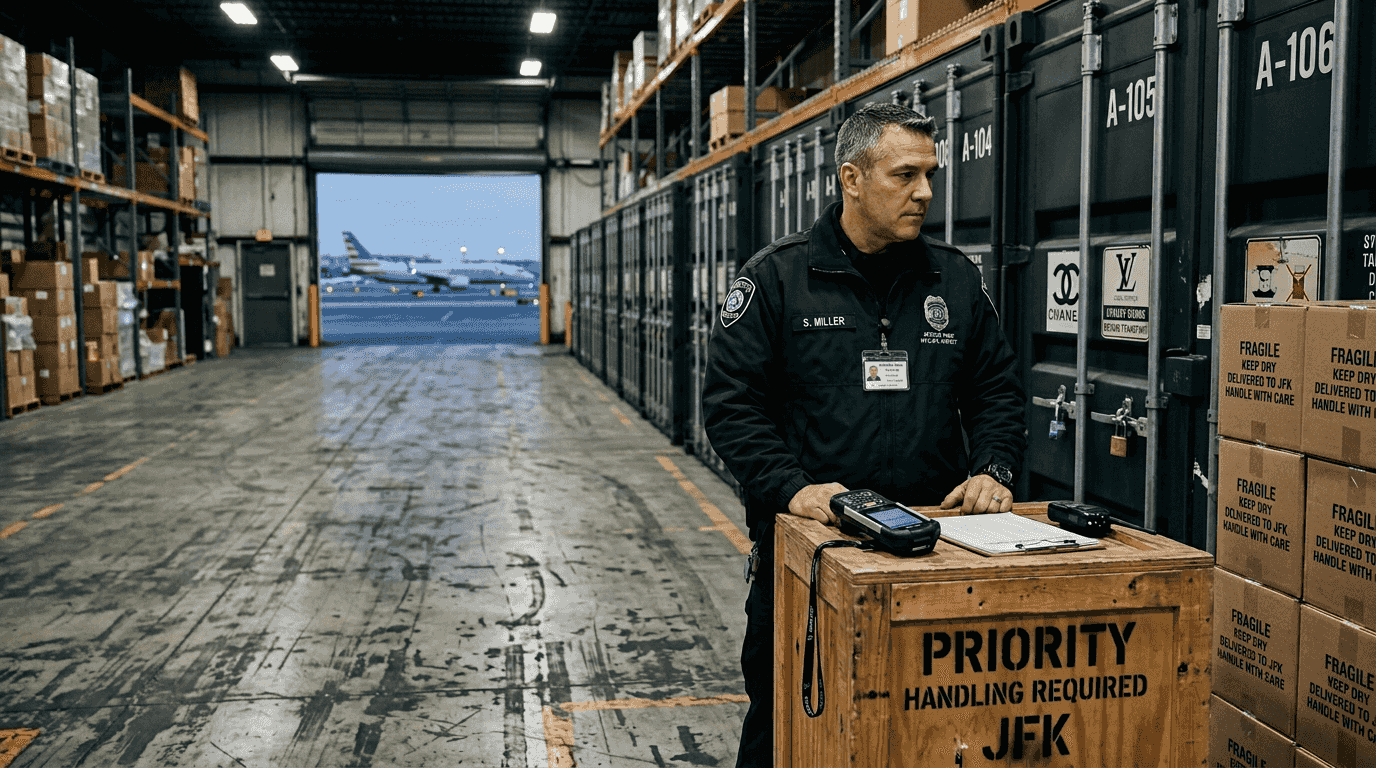
Fraud and counterfeiting pose unique threats in the luxury market. Criminals may intercept genuine items and replace them with fakes, or they may use fake shipping labels and documentation to smuggle counterfeit goods. This risk underscores the importance of working with reputable carriers and verifying authenticity at every stage, as outlined in guides on spotting authentic luxury bags.
Comprehensive insurance coverage is non-negotiable for luxury shipments. Policies typically cost 1% to 3% of the declared value and should cover theft, damage, loss, and even mysterious disappearance. Basic carrier liability often caps at a fraction of the item’s true value, leaving you exposed to significant financial loss if something goes wrong.
Secure packaging and route risk analysis mitigate these threats. Carriers assess the safety of transit routes, avoiding high-risk areas where theft or political instability could compromise shipments. Discreet packaging that does not advertise luxury contents reduces the likelihood of targeted theft. Tamper-evident seals and GPS tracking provide additional layers of security.
“Anticipating problems rather than reacting to them is key to securing premium freight. Risk management must be proactive, not reactive.”
Effective risk management strategies include:
- Conducting pre-shipment risk assessments of routes and carriers
- Using discreet packaging and tamper-evident seals
- Implementing real-time GPS tracking and alerts
- Securing comprehensive insurance that covers full replacement value
- Partnering with carriers experienced in high-value logistics
Navigating customs, documentation, and compliance for luxury shipments
Customs clearance for luxury goods is a complex process that demands precision and expertise. Accurate HS codes (Harmonized System codes) are the foundation of tariff classification. These codes determine the duty rates applied to your shipment, and using the wrong code can result in overpayment, underpayment penalties, or customs delays. Luxury fashion items often fall into multiple categories, so consulting a customs broker or freight forwarder ensures correct classification.
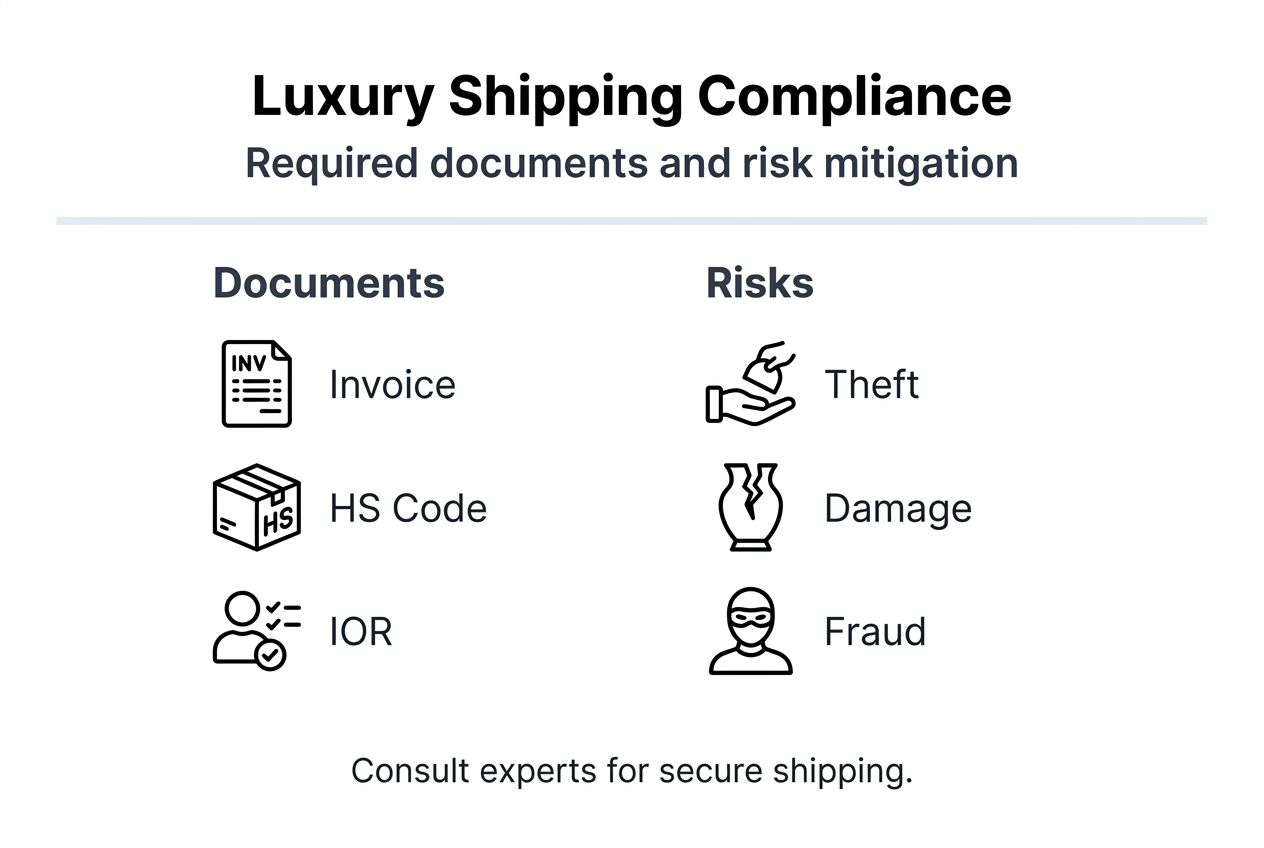
Proper documentation includes commercial invoices, appraisals, Incoterms, and Importer of Record (IOR) or Exporter of Record (EOR) designations. Commercial invoices detail the item description, value, origin, and purpose of shipment. Appraisals provide independent verification of value, which is critical for insurance claims and customs assessments. Incoterms define the responsibilities of buyer and seller, clarifying who pays for shipping, insurance, and customs duties.
IOR and EOR designations identify the parties legally responsible for compliance with import and export regulations. The IOR must be established before goods arrive at the destination country, and failure to do so can result in shipment refusal or fines. EOR obligations include ensuring that export licenses, embargoes, and trade sanctions are respected.
Incorrect or incomplete documentation triggers delays, fines, and even confiscation. Customs authorities scrutinize luxury shipments for undervaluation, counterfeit goods, and prohibited materials. Missing certificates of authenticity or unclear product descriptions raise red flags, prompting inspections that can hold your shipment for days or weeks.
Key customs documents and their roles:
| Document | Purpose | When Required |
|---|---|---|
| Commercial Invoice | Declares item value, origin, and description for duty calculation | Every shipment |
| HS Code Classification | Determines applicable tariff rates and trade restrictions | Every shipment |
| Certificate of Authenticity | Verifies genuine luxury product, not counterfeit | High-value designer goods |
| Incoterms Agreement | Clarifies buyer/seller responsibilities for costs and risks | International sales |
| IOR/EOR Designation | Identifies legal compliance responsibility | Cross-border shipments |
| Insurance Certificate | Proves coverage for loss or damage claims | High-value shipments |
Additional compliance considerations include understanding regional trade agreements, such as USMCA or EU customs unions, which may reduce tariffs or streamline clearance. Export controls on certain materials (like exotic leathers) require special permits. Familiarizing yourself with destination country regulations, including VAT or GST requirements, prevents surprises at delivery.
Pro Tip: Work with experts or freight forwarders to ensure your paperwork is flawless to avoid costly delays. Investing in professional customs brokerage services pays dividends in speed and peace of mind. Understanding luxury handbag terminology and product details also helps you provide accurate descriptions on customs forms. Timing your shipments around seasonal luxury sales can also influence customs valuation and duty calculations.
Cost-saving strategies and shipping methods for luxury goods
Choosing between air freight and sea freight involves balancing speed, cost, and risk. Air freight is preferred for valuable items due to shorter transit times and reduced handling, which lowers the risk of damage or theft. Sea freight offers lower costs but longer delivery times and greater exposure to environmental factors. For time-sensitive or extremely valuable items, air freight is the clear winner.
| Shipping Method | Speed | Cost | Risk Level | Best For |
|---|---|---|---|---|
| Air Freight | 3 to 7 days | High | Low | High-value items, urgent shipments, fragile goods |
| Sea Freight | 20 to 45 days | Low | Moderate | Bulk shipments, non-urgent items, cost-sensitive buyers |
| Express Courier | 1 to 3 days | Very High | Very Low | Ultra-urgent, extremely high-value items |
The First Sale Rule allows importers to reduce duties by declaring customs value based on earlier transactions in the supply chain, rather than the final sale price. This strategy is particularly useful for luxury goods purchased through intermediaries or authorized resellers. Here’s how to leverage it:
- Verify that your country recognizes the First Sale Rule (the U.S. does, but some nations have restrictions).
- Obtain documentation of the first sale transaction, including invoices and proof of payment between the manufacturer and the intermediary.
- Ensure that the goods were clearly destined for export to your country at the time of the first sale.
- Work with a customs broker to prepare the First Sale Declaration and supporting documents.
- Submit the declaration at the time of importation to calculate duties on the lower first sale price.
Insurance cost ranges from 1% to 3% of declared value, depending on the item, destination, and coverage level. Comprehensive policies cover theft, damage, loss, mysterious disappearance, and sometimes even depreciation or market value fluctuations. While this adds to upfront costs, it protects you from catastrophic financial loss if something goes wrong.
Key steps for secure and cost-efficient shipping strategies:
- Compare quotes from multiple carriers specializing in luxury logistics.
- Bundle shipments when possible to reduce per-item shipping costs.
- Use the First Sale Rule to lower import duties on eligible transactions.
- Invest in comprehensive insurance that covers full replacement value.
- Schedule shipments during off-peak periods to avoid delays and surcharges.
- Leverage regional trade agreements to minimize tariffs and streamline clearance.
Understanding the benefits of shopping international luxury helps you weigh total cost of ownership, including shipping, duties, and insurance, against local retail prices. Often, even with these added expenses, purchasing from international sellers offers significant savings and access to rare or limited-edition items.
Explore luxury designer selections with secure international shipping
Now that you understand the complexities of international luxury shipping, you can shop with confidence knowing your investment is protected. Naise Shopper specializes in authenticated designer products and offers secure international shipping tailored to high-value items. Our logistics partners provide climate-controlled transport, comprehensive insurance, and expert customs handling, ensuring your purchases arrive safely and on time.
Explore our curated collections of premium designer selections, from classic Dior black leather oxfords to statement-making Alexander McQueen black leather boots. Our Gucci G-Timeless watch collection offers timeless elegance with secure shipping to your door. Every item is authenticated and shipped with the care and expertise your luxury goods deserve.
Frequently asked questions
What is international luxury shipping?
International luxury shipping is the specialized transport of high-value fashion items, watches, jewelry, and accessories across borders. It involves climate-controlled environments, secure packaging, comprehensive insurance, and expert customs handling to protect items from damage, theft, and regulatory issues.
What are the most secure shipping methods for luxury goods?
Air freight is the most secure method due to shorter transit times, reduced handling, and lower exposure to theft or damage. Express courier services offer even faster delivery with premium security features. Sea freight is less secure due to longer transit times and greater handling, but can be viable for bulk or less urgent shipments with proper insurance and packaging.
Why is specialized packaging important for luxury shipments?
Specialized packaging protects delicate materials like leather, silk, and fine metals from temperature fluctuations, humidity, shock, and tampering. Custom crates, anti-tamper seals, and shock-absorbent materials prevent physical damage and deter theft. Discreet labeling avoids advertising high-value contents to opportunistic criminals.
How does the First Sale Rule affect import duties?
The First Sale Rule allows importers to calculate duties based on the price paid in the first sale transaction (manufacturer to intermediary) rather than the final retail price. This can significantly reduce import duties if proper documentation of the first sale is provided. Eligibility and application vary by country, so consult a customs broker to determine if this strategy applies to your shipment.
What documentation is required for customs clearance of luxury items?
Required documents include a commercial invoice, HS code classification, certificate of authenticity, Incoterms agreement, IOR/EOR designation, and insurance certificate. Additional documents may include export licenses for restricted materials, VAT/GST registration, and country-specific compliance forms. Complete and accurate documentation prevents delays, fines, and confiscation.
How to insure luxury items during international transit?
Purchase comprehensive insurance that covers theft, damage, loss, and mysterious disappearance at 1% to 3% of declared value. Verify that the policy covers full replacement value, not just carrier liability limits. Work with specialized insurers or freight forwarders who understand luxury goods valuation. Keep detailed records, photos, and appraisals to support claims if needed.