Spotting an authentic French or Italian designer bag online can feel like navigating a maze of promises and paperwork. For shoppers who value both style and smart investments, certified handbags offer peace of mind that goes beyond just a recognizable logo. Knowing the difference between verified documentation, authentic materials, and common marketing myths can help you secure a luxury piece with lasting value. Discover what truly sets certified handbags apart before adding to your collection.
Table of Contents
- Certified Handbags: Definition And Common Myths
- Types Of Handbag Certification Explained
- Authentication Processes And Third-Party Services
- Impact On Resale Value And Buyer Protection
- Comparing Certified And Non-Certified Handbags
Key Takeaways
| Point | Details |
|---|---|
| Certified Handbags Ensure Authenticity | They come with documented proof of legitimacy, verifying the bag’s origin and quality. |
| Different Certifications Serve Unique Purposes | Certifications vary by focus, such as authenticity or sustainability, affecting quality and buyer confidence. |
| Certification Enhances Resale Value | Certified bags yield higher resale prices and quicker sales due to buyer trust in authenticity. |
| Non-Certified Bags Incur Risks | Without certification, you risk purchasing counterfeit items with limited buyer protection and lower resale value. |
Certified Handbags: Definition and Common Myths
A certified handbag is an authenticated designer piece that comes with documented proof of legitimacy. This certification verifies the bag’s origin, materials, and construction methods. Think of it as a handbag’s pedigree, guaranteeing you’re purchasing genuine luxury rather than a counterfeit.
Certification extends beyond just proving authenticity. It encompasses quality standards, material sourcing, and manufacturing practices that ensure your investment holds real value. When you buy a certified designer handbag, you’re acquiring an item with traceable provenance and documented condition history.
One persistent myth claims all certified handbags are equally sustainable or eco-friendly. This simply isn’t true. Understanding certified material standards helps you distinguish between genuine sustainability claims and marketing noise. Some certifications like the Global Recycled Standard verify actual environmental impact, while others focus purely on authenticity.
Another common misconception is that certification guarantees investment value. While authentic designer bags do retain value better than counterfeits, market demand, condition, and rarity ultimately determine resale worth. A certified Chanel bag from last season may depreciate more than you’d expect.
Many buyers also assume certification is one standardized process. Reality is messier. Different certifiers use varying authentication methods, documentation standards, and quality benchmarks. Understanding how certification works helps you evaluate what you’re actually getting. Designer bag provenance documentation reveals exactly which verification methods matter most for your purchase.
The strongest benefit of certification isn’t just knowing a bag is real, it’s knowing exactly what you’re buying. You get documented condition reports, material authenticity, and production details that inform your long-term investment decision.
Pro tip: Always request detailed certification documentation including authentication methodology, condition assessment, and material sourcing information before completing your purchase, as this documentation protects your investment and resale potential.
Types of Handbag Certification Explained
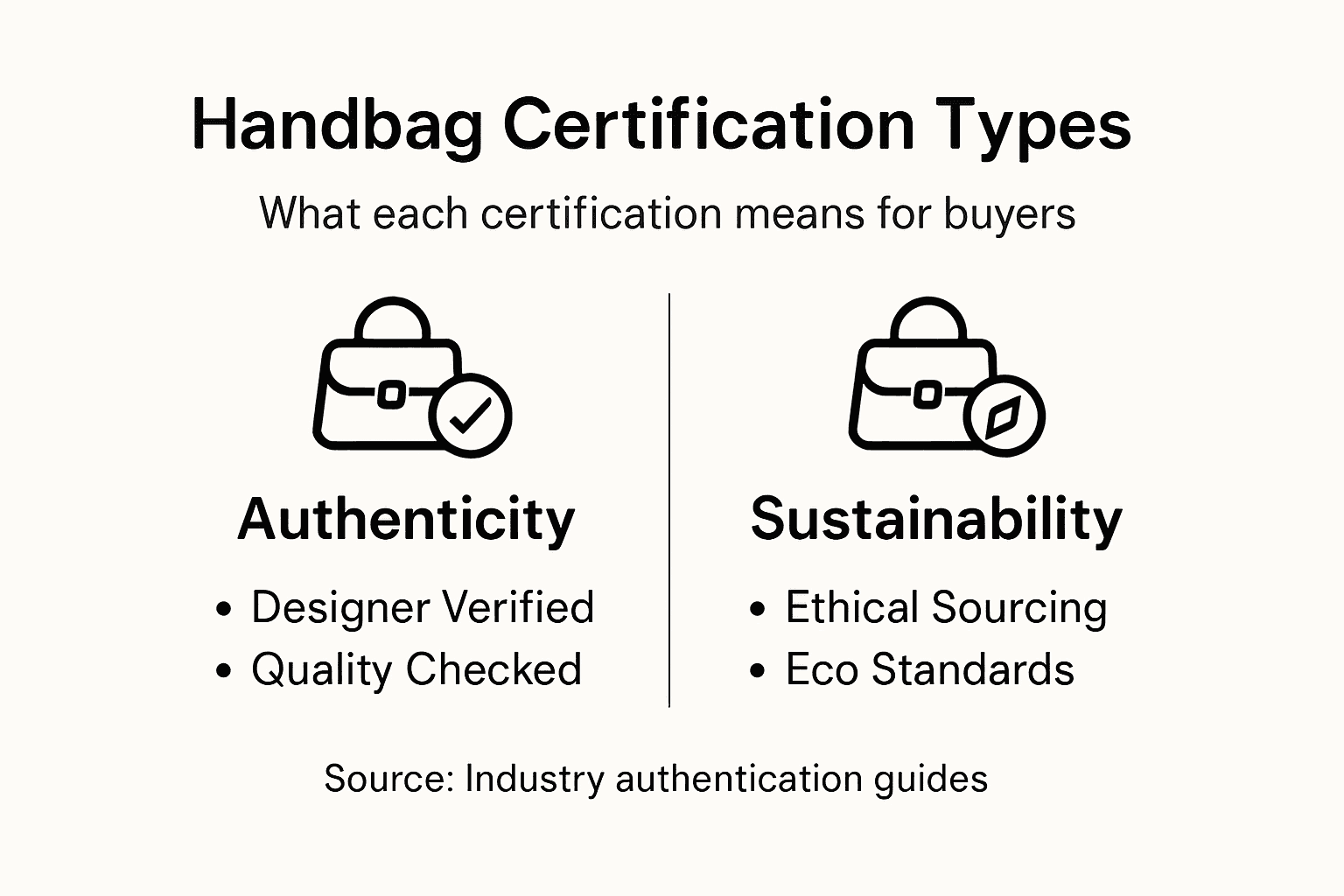
Not all certifications are created equal. Different authentication systems focus on varying aspects of your handbag, from authenticity to sustainability to ethical production. Understanding what each certification actually means helps you make smarter purchasing decisions.
Authenticity Certifications verify that your handbag is genuinely made by the designer and meets original quality standards. These include third-party authentication services and manufacturer certificates of authenticity. When you buy from Naise Shopper, every piece comes with documented proof of legitimacy that protects your investment from counterfeit risk.
Sustainability Certifications address environmental and ethical concerns. The OEKO-TEX sustainability standard ensures handbags meet strict chemical safety and manufacturing process requirements. Global Organic Textile Standard (GOTS), Fair Trade Certification, and Leather Working Group (LWG) certifications similarly guarantee responsible sourcing and labor practices throughout production.
Each certification answers different questions. OEKO-TEX asks: Is this bag chemically safe? GOTS confirms: Were materials grown organically? Fair Trade verifies: Did workers receive fair compensation? LWG certifies: Was leather produced responsibly? These distinctions matter because they directly impact both quality and your peace of mind as a buyer.
Here’s a breakdown of key certification types and the questions they address:
| Certification Type | Main Focus | Key Question Answered |
|---|---|---|
| Authenticity | Designer and quality accuracy | Was this bag made by the brand? |
| Sustainability | Environmental and ethical impact | Were materials and labor responsibly sourced? |
| Chemical Safety | Material health and safety | Is the material safe for users? |
| Fair Trade | Ethical labor standards | Did workers receive fair compensation? |
| Leather Working Group | Responsible leather sourcing | Was the leather tanned responsibly? |
The beauty of certified handbags is transparency. You’re not guessing about where materials come from or how the bag was made. Every certification provides documented evidence that meets specific industry standards, whether those standards focus on authenticity, environmental impact, or labor ethics.
When shopping for lasting value, look for bags with multiple relevant certifications. A designer handbag with both authenticity verification and sustainability credentials represents a truly informed purchase. This layered approach protects your investment from multiple angles while ensuring you support responsible luxury.
Pro tip: Request documentation for all certifications before purchasing, and verify that authenticating bodies are industry-recognized organizations, as this ensures your handbag meets genuine standards and maintains resale credibility.
Authentication Processes and Third-Party Services
Authentication isn’t a guessing game anymore. Professional third-party services use systematic processes to verify designer handbags, protecting you from counterfeits and ensuring your investment is genuine. These services examine everything from stitching patterns to material composition to serial numbers.
Traditional authentication relies on expert evaluation. Trained specialists physically inspect your handbag, comparing it against authentic reference pieces. They check craftsmanship quality, material feel, hardware weight, and construction techniques that counterfeiters struggle to replicate. This hands-on approach remains reliable because counterfeiting still involves human error.
Modern technology is transforming authentication speed and accuracy. AI-driven authentication technologies now analyze images with remarkable precision, identifying subtle inconsistencies invisible to the naked eye. Blockchain systems create immutable ownership records, while machine learning algorithms learn from thousands of verified bags to spot fakes instantly.
Online authentication services offer convenience without sacrificing accuracy. You submit photos from multiple angles, and specialists evaluate your handbag remotely. Many platforms now combine expert review with AI analysis, giving you the best of both approaches. This hybrid method catches counterfeits that either method might miss alone.
Third-party verification protects both buyers and luxury brands. When you purchase a certified handbag, you’re getting documented proof of authenticity that holds up in resale markets. This transparency builds consumer confidence and protects brand integrity, ultimately preserving the value of your purchase across time.
The most trustworthy services use multiple verification layers. They document their findings in detailed reports, sometimes including photography and condition assessments. These reports become your handbag’s passport, following it through ownership changes and adding credibility to future resales.
Pro tip: Choose authentication services that provide written certificates with specific examination details and methodology explanations, as these reports significantly increase your handbag’s resale value and buyer confidence.
Impact on Resale Value and Buyer Protection
Certification directly impacts how much your handbag is worth when you decide to sell. Authenticated designer bags command higher resale prices because buyers trust what they are purchasing. Without certification, you lose a significant portion of value simply due to buyer uncertainty about authenticity.
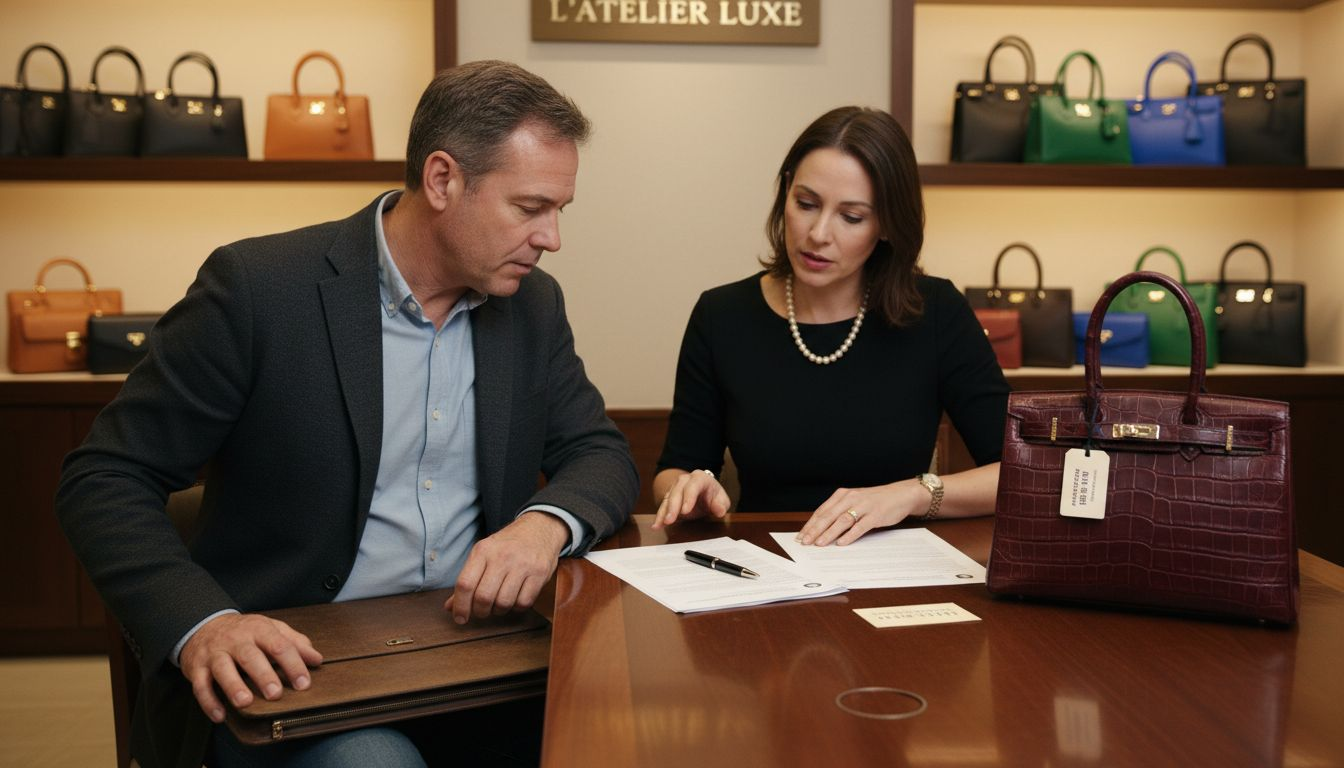
The secondary luxury market rewards transparency. When you sell a certified handbag, potential buyers see documented proof of authenticity, which eliminates negotiation friction. They move forward with confidence instead of demanding price reductions to offset authentication risk. This certainty translates directly into dollars in your pocket.
Certified designer handbags maintain superior resale value due to factors like brand reputation, rarity, and documented condition history. Buyers willingly pay premium prices for bags with complete authentication documentation. The difference between selling a certified bag and an unverified one can easily reach 15 to 30 percent of the original purchase price.
Buyer protection extends beyond resale scenarios. When you purchase a certified handbag, you have legal recourse if the item turns out to be counterfeit. Authentication documentation creates liability for sellers and protects you from fraud. This protection matters whether you are buying from retailers or individual sellers.
Certification also protects you from accidental fraud. Counterfeit handbags are so sophisticated now that even experienced buyers get fooled. Third-party authentication services eliminate this risk by using systematic, documented processes that catch sophisticated fakes. You avoid the heartbreak of discovering a counterfeit after the sale is complete.
The investment protection flows both directions. Sellers protect their reputation by offering authenticated pieces, and buyers protect their money by demanding certification. This creates a healthier market where authentic luxury thrives and counterfeits cannot compete on price alone.
Pro tip: Always retain your authentication certificate and condition report when purchasing, as these documents significantly boost resale value and provide proof of authenticity if you ever choose to sell.
Comparing Certified and Non-Certified Handbags
The gap between certified and non-certified handbags is massive, even if the bags look identical at first glance. Certification transforms a handbag from an uncertain purchase into a verified asset with documented proof of authenticity, quality, and value.
Non-certified handbags carry hidden risks. Without authentication documentation, you cannot verify the bag is genuine. Even if it looks perfect, counterfeiters now replicate materials and construction so convincingly that visual inspection alone fails. You are essentially betting your money on trust rather than evidence.
Certified handbags command higher prices for good reason. Certified fashion products demonstrate superior perceived value due to verified quality standards and documented authenticity. Buyers willingly pay more because they avoid the risk of owning a counterfeit. This premium reflects the real cost of peace of mind.
Resale markets heavily favor certified bags. When you want to sell, non-certified handbags face immediate skepticism. Potential buyers demand lower prices to offset authentication uncertainty. Certified bags sell faster and for more money because the documentation eliminates buyer hesitation entirely.
Trust translates to financial protection. With certified bags, you have recourse if something goes wrong. Sellers are accountable, and authentication documentation creates legal liability that protects you. Non-certified purchases often come with no protection, leaving you vulnerable to fraud with limited recovery options.
Sustainability and ethical claims matter more than ever. Certified bags prove their environmental and labor standards through independent verification. Non-certified bags make claims nobody verifies. When you care about supporting responsible luxury, certification is the only way to confirm your values align with your purchase.
The decision really comes down to certainty versus uncertainty. A certified Chanel handbag from Naise Shopper arrives with complete documentation proving authenticity, condition, and materials. You know exactly what you own. That knowledge is worth far more than the small price difference between certified and questionable purchases.
Compare key differences between certified and non-certified handbags:
| Factor | Certified Handbag | Non-Certified Handbag |
|---|---|---|
| Authenticity Guarantee | Documented and traceable | No formal proof |
| Resale Value | Higher, premium prices | Often discounted by 15-30% |
| Fraud Protection | Legal recourse available | Vulnerable to fraud, limited recourse |
| Sustainability Verification | Independent evidence provided | No validation for claims |
| Buyer Confidence | Strong, trust established | Lower, skepticism occurs |
Pro tip: When comparing prices between certified and non-certified handbags, factor in potential resale value loss for uncertified bags, which typically ranges from 15 to 30 percent lower than certified equivalents, making certification a smarter financial decision long-term.
Secure Your Luxury Investment with Certified Handbags from Naise Shopper
Buying a certified handbag means you are protecting your investment, ensuring authenticity, and gaining peace of mind. The article explains how certification verifies your designer bag’s origin, condition, and sustainability, addressing common concerns about counterfeits and resale value. At Naise Shopper, we specialize in providing authenticated luxury handbags from top brands like Chanel, Gucci, and Prada. Every piece comes with detailed certification documentation so you can shop confidently knowing exactly what you own.
Experience the advantage of verified authenticity and superior resale potential today. Visit Naise Shopper to explore our curated collections of certified handbags with secure international shipping and personalized shopper assistance. Don’t settle for uncertainty when you can own genuine luxury at discounted prices. Start your trusted luxury journey now by visiting our homepage and learn more about how certified handbags protect your long-term value.
Frequently Asked Questions
What is a certified handbag?
A certified handbag is an authenticated designer piece that comes with documented proof of legitimacy, verifying its origin, materials, and construction methods.
How does certification affect the resale value of handbags?
Certified handbags generally command higher resale prices due to the documented proof of authenticity, which enhances buyer confidence and eliminates skepticism.
Are all certified handbags equally sustainable?
No, not all certified handbags are equally sustainable. Different certifications focus on varying aspects, and it’s essential to understand the specific standards each certification represents.
What should I look for in authentication documentation?
You should request detailed certification documentation that includes authentication methodology, condition assessments, and material sourcing information to ensure you’re making an informed purchase.
Recommended
- From Investment to Icon: The Luxury Bags That Will Never Go Out of Sty
- 7 Key Benefits of Authentic Luxury Bags for Smart Shoppers
- Why Buy Designer Bags: Value, Status, and Style
- The Rise of Pre-Loved Luxury: Why Secondhand Designer Bags Are a Very
- Why Buy Certified Cases – Protection You Can Trust – StudioShake