Luxury handbags can represent far more than style—they often become a strategic way to grow personal wealth. For affluent global shoppers, bag investment means weighing both passion and practicality when hunting for deeply discounted icons from brands like Chanel or Gucci. As luxury bags are increasingly viewed as financial assets, understanding risks such as becoming a bag holder and mastering market trends will help you invest smarter and avoid costly mistakes.
Table of Contents
- What Is Bag Investment? Key Concepts
- Types of Designer Bags for Investment
- How Bag Value and Growth Are Determined
- Risks, Market Trends, and Authenticity Issues
- Buying, Storing, Reselling: Practical Strategies
Key Takeaways
| Point | Details |
|---|---|
| Bag Investment Defined | Purchasing luxury handbags is a financial decision aimed at retaining or increasing their value over time. |
| Key Factors for Success | Research brand prestige, craftsmanship, and historical performance to inform investment choices. |
| Risks to Consider | Be aware of counterfeits, changing market trends, and the impact of economic conditions on demand and pricing. |
| Practical Strategies | Authenticate purchases, maintain bags properly, and choose optimal timing for resale to maximize value. |
What Is Bag Investment? Key Concepts
When you’re shopping for luxury handbags on platforms like Naise Shopper, you’re making a financial decision, not just a fashion one. Bag investment refers to purchasing designer handbags as financial assets with the expectation that they’ll retain or appreciate in value over time. Unlike typical purchases where value diminishes immediately, luxury bags from brands like Chanel, Prada, and Bottega Veneta can hold their worth or even increase in value. However, understanding this space requires knowing the risks involved, particularly the concept of becoming a bag holder in poor investments. A bag holder is someone who continues holding onto an investment that’s performing poorly or depreciating, often due to psychological biases like loss aversion that make it difficult to accept losses and move forward strategically.
The reality of bag investment sits at the intersection of passion and pragmatism. You love the piece, but you’re also considering whether it makes financial sense. This dual motivation creates unique challenges. Some people buy bags expecting that everyone else will want them later, driving prices up. This greater fool theory approach can leave you holding depreciated assets after other sellers exit at peak prices. The market for luxury handbags is genuine, but it’s not immune to cycles, trends, and shifts in desirability. A beloved style from five years ago might struggle to find buyers today. Your $3,200 Gucci bag could be worth $2,100 in two years if the style falls out of favor or if market saturation increases. The key distinction between smart bag investment and becoming a bag holder comes down to research, discipline, and having a clear exit strategy before you purchase.
What separates successful bag investors from those stuck holding worthless inventory? Successful investors understand fundamentals. They research historical price trends, track limited edition releases, identify timeless styles over trendy pieces, and monitor resale market demand across platforms. They buy with intention, knowing exactly what they’d accept as a minimum resale value. They also diversify their holdings rather than betting everything on one designer or collection. You won’t see them making emotional purchases at full retail when a similar piece exists at a deep discount. Instead, they leverage Naise Shopper’s authenticated inventory and competitive pricing to build portfolios strategically. They set personal rules: maybe they only hold bags for 18 months minimum before selling, or they require pieces to be under 30% of original retail before purchasing. These guardrails protect against the psychological traps that create bag holders.
Pro tip: Before purchasing any luxury handbag as an investment, research its resale history on secondary markets and set a firm exit price in advance to avoid emotional decision-making if value declines.
Types of Designer Bags for Investment
Not all luxury handbags are created equal when it comes to investment potential. The bags that hold their value and appreciate over time share specific characteristics: they come from heritage brands with established demand, they feature timeless designs that transcend seasonal trends, and they often have limited production runs that create scarcity. When you’re evaluating which bags to purchase through Naise Shopper, understanding the categories that consistently perform well in the resale market is crucial. The most successful investment pieces combine classic silhouettes with the prestige of iconic designers. Chanel’s structured quilting, for instance, has remained virtually unchanged for decades, making older pieces just as desirable as new releases. Similarly, Bottega Veneta’s interwoven leather construction became so recognizable that it’s instantly identifiable even without visible branding. These design elements aren’t trendy. They’re foundational to the brand’s identity and appeal.
Several specific bags have emerged as top performers for investors. The Chanel 2.55 and Chanel Flap remain the gold standard, commanding strong resale prices and showing consistent appreciation year over year. The Bottega Veneta Ciao Ciao combines modern appeal with the brand’s signature craftsmanship, attracting both longtime collectors and newer luxury enthusiasts. Celine’s Antoinette offers understated elegance that appeals to sophisticated buyers who reject logo-heavy pieces. The Chloe Paddington returns periodically in reimagined colorways, creating fresh investment opportunities while maintaining the bag’s heritage appeal. Polo Ralph Lauren’s Polo Play represents a newer addition to investment portfolios, gaining traction through cultural relevance and limited availability. What these bags share is staying power. They’re not chasing trends. They’re defining them.
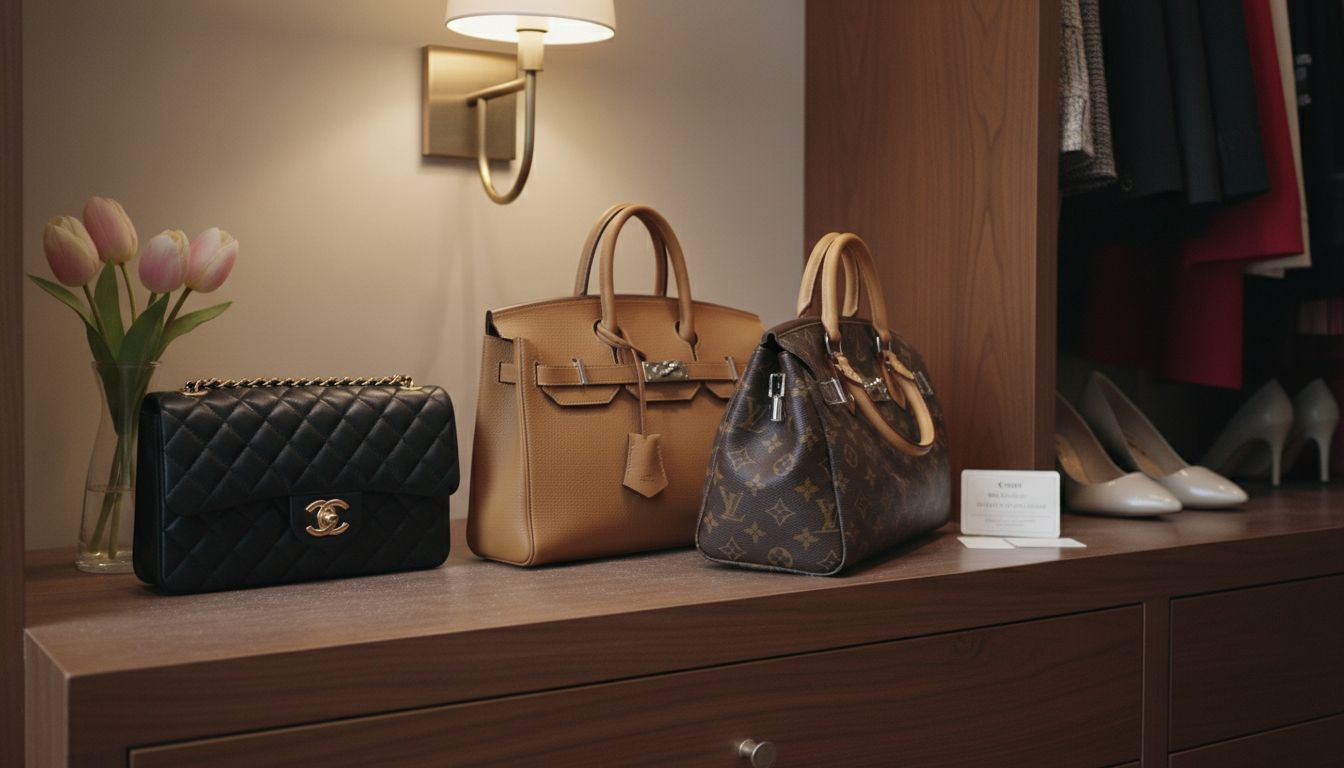
Beyond individual iconic styles, you should also consider investment categories by material and craftsmanship level. Premium materials like caviar leather, calfskin, and exotic skins (when ethically sourced) tend to age beautifully and command higher resale valuations. Bags with intricate hand-stitching, quality hardware, and superior construction hold value better than mass-produced pieces. Limited editions and special releases, particularly from seasonal collections, often appreciate faster because scarcity drives demand. However, this comes with risk. Not every limited edition becomes a collector’s item. The ones that do typically combine exceptional design with either heritage status or unexpected cultural moments that boost desirability. When evaluating pieces on Naise Shopper’s curated collections, look for bags that have already demonstrated resale strength. Historical performance is your strongest predictor of future value. You’re not betting on what might become popular. You’re investing in what’s already proven itself.
Pro tip: Focus on bags from brands with 50+ year histories and designs that have remained largely unchanged for at least a decade, as these show the strongest track records for value retention.
How Bag Value and Growth Are Determined
Bag value isn’t arbitrary. It follows predictable patterns based on concrete factors that you can evaluate before making a purchase decision. Brand prestige serves as the foundation. Established luxury houses like Chanel, Dior, and Gucci command higher valuations because decades of heritage and consistent quality have created demand that transcends individual products. When you buy a Chanel bag, you’re buying into 100+ years of brand equity. That matters in resale markets. Beyond brand name, craftsmanship quality directly impacts value retention. Bags constructed with premium materials (caviar leather versus standard leather), hand-stitched seams, and precision hardware depreciate slower than mass-produced alternatives. A bag that shows wear after two years loses value faster than one that develops a beautiful patina. The construction tells a story about longevity, and resale buyers pay attention to that narrative. Limited production runs create scarcity, which drives demand upward. When a bag is produced in smaller quantities, fewer exist in the secondary market. Supply constraints create natural price pressure upward. You see this consistently with seasonal releases or collaboration pieces that disappear quickly from retail.
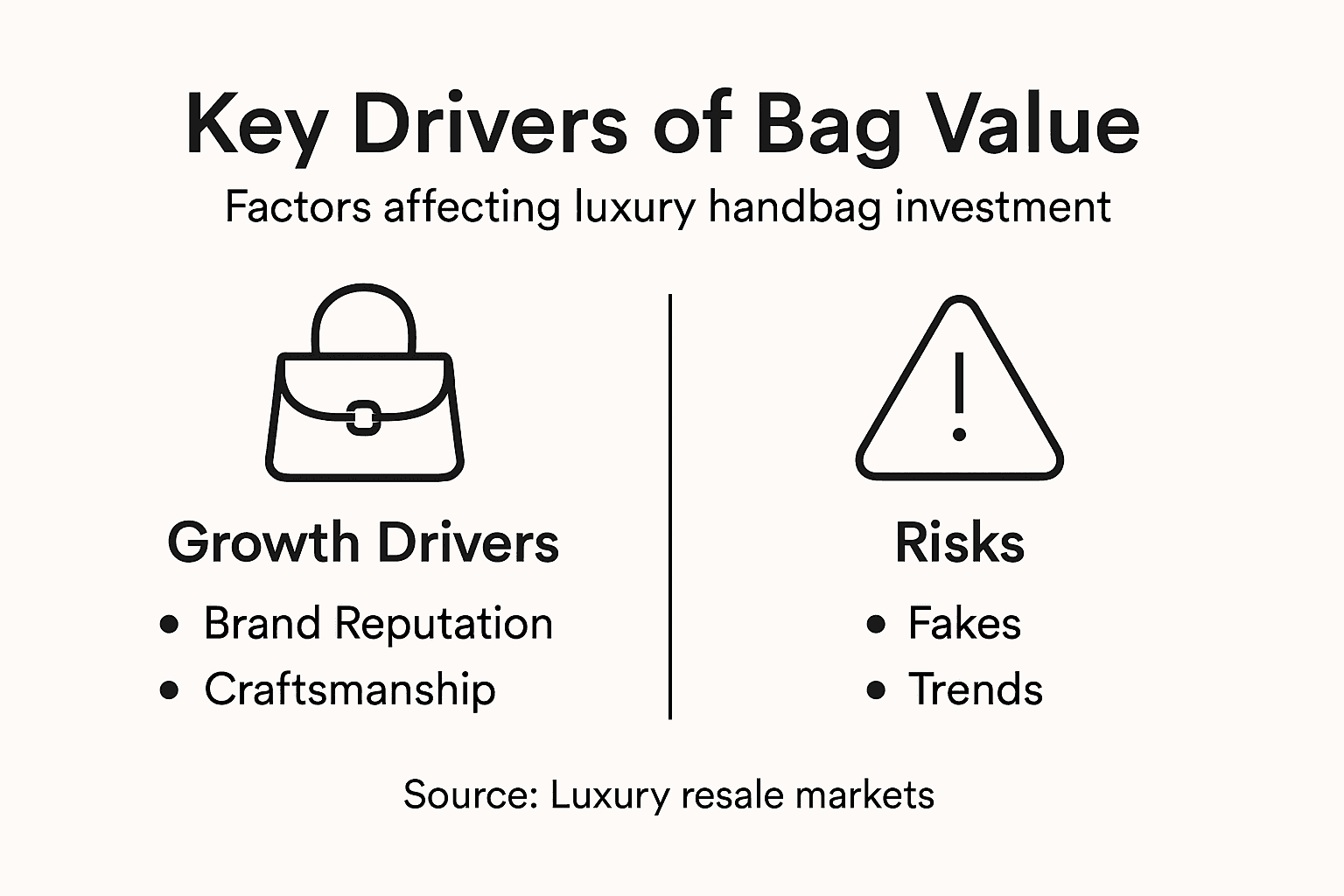
Demand from affluent consumers globally fuels growth across luxury bag markets. Rising disposable income in emerging regions has expanded the customer base significantly, increasing competition for desirable pieces and pushing resale values higher. Asian markets, particularly China and Southeast Asia, have become crucial drivers of luxury bag demand, influencing which styles appreciate fastest. A Chanel Flap that costs $6,800 at retail might resell for $7,200 because collectors in Singapore, Tokyo, and Hong Kong are actively bidding against each other. This global demand landscape means your bag isn’t competing for buyers in just your local market. It’s competing globally. However, luxury goods value growth faces real constraints including price ceilings and shifting consumer preferences. Brands can only raise prices so much before demand drops. Overpriced bags languish on the market. Similarly, consumer preferences evolve. A style that’s wildly popular today might feel dated in three years. Your investment depends partly on predicting which pieces will maintain cultural relevance rather than becoming yesterday’s trend.
When evaluating a specific bag’s growth potential, analyze its historical price trajectory. Check resale platforms to see how that exact style has performed over the past 18 to 36 months. Has the price remained stable, increased, or declined? Why? Stable to increasing valuations indicate strong demand fundamentals. Declining valuations signal potential oversupply or shifting preferences. Also consider the bag’s position in the brand’s hierarchy. Flagship styles (like the Chanel 2.55) command premium valuations because they’re synonymous with the brand itself. Secondary styles, even from prestigious brands, experience more volatile pricing. You’re also evaluating whether the bag offers something unique or if similar pieces exist at better prices. A burgundy Bottega Veneta Intrecciato might hold value better than a sixth black quilted Chanel variant if burgundy is rare and black is oversaturated. The specific combination of design, color, material, and condition determines whether your investment grows or stagnates.
Here’s a comparison of factors that drive bag investment value and potential risks:
| Value Driver | Influence on Investment | Potential Risk |
|---|---|---|
| Brand Prestige | Sustains demand and resale | Overexposure may dilute value |
| Craftsmanship Quality | Supports longevity and pricing | Poor materials lose value |
| Limited Production | Increases scarcity and price | Not all limited runs succeed |
| Historical Performance | Predicts resale trends reliably | Outdated data can mislead |
Pro tip: Track the resale prices of your target bag across multiple platforms over 60 days before purchasing to identify if the price is rising (strong demand) or falling (declining interest) on the secondary market.
Risks, Market Trends, and Authenticity Issues
Bag investment carries real risks that go beyond simple market fluctuations. Counterfeit goods represent the most immediate threat to your investment value. The luxury bag market attracts sophisticated counterfeiters who replicate bags with alarming accuracy. A fake Chanel with poor stitching might be obvious, but high-end counterfeits use correct materials, proper font weights on logos, and convincing hardware. When counterfeit bags flood the market, they suppress prices for authentic pieces because buyers struggle to distinguish legitimate from fake. Authenticity challenges undermine brand value and consumer trust across luxury markets, directly impacting resale valuations. This is why Naise Shopper’s authentication guarantee matters. Buying from authenticated platforms protects your investment. A bag purchased through questionable channels might look identical to an authenticated piece but hold zero resale value. You can’t flip a counterfeit bag without legal consequences. You also can’t recover your money if discovered. Authentication isn’t optional for investors. It’s essential infrastructure.
Market trends present different risks. Macroeconomic headwinds have slowed luxury goods growth across the industry. When global economies contract or recessions occur, affluent consumers cut discretionary spending. Luxury bag demand drops. Resale prices follow. You might buy a bag expecting 5 percent annual appreciation only to watch it decline 12 percent during an economic slowdown. Changing client preferences and market saturation create additional pressure. Younger consumers increasingly prioritize sustainability and experience over ownership. They’re less interested in accumulating multiple designer bags and more interested in investing in travel or digital experiences. This demographic shift threatens traditional luxury bag investment assumptions. A style that appeals heavily to buyers over 45 might struggle to find younger collectors. Brands expanding their customer bases through lower-priced lines also risk diluting exclusivity. When a luxury brand releases an affordable diffusion collection, it saturates the market and reduces demand for core luxury pieces. The bag you paid $6,000 for now competes with a similar style priced at $2,800 from the same brand’s secondary line.
Color and style trends shift unpredictably. Classic black and neutral tones remain reliably valuable. Trendy colors like exotic purples, neon accents, or ultra-pale pastels can plummet in desirability within 24 months. Limited edition collaborations sometimes become collector’s items commanding premiums. Other times they languish unsold because the collaboration lacked cultural impact. You can’t predict which direction collaborations will move. The safest approach focuses on timeless designs in classic colors from heritage brands. You’re minimizing trend risk by choosing pieces that transcend seasonal preferences. Additionally, condition matters enormously. A well-maintained bag depreciates slower than one showing visible wear. Proper storage (acid-free tissue, dust bags, climate control) preserves value. Neglected bags deteriorate faster. Your investment includes a maintenance component that many new investors overlook.
Pro tip: Always purchase luxury bags from authenticated sellers like Naise Shopper with verifiable authentication guarantees, and prioritize timeless styles in classic colors to minimize trend-related depreciation risk.
Buying, Storing, Reselling: Practical Strategies
Successful bag investment requires intentional execution across three distinct phases. When buying, your foundation is research and verification. Start by establishing clear criteria before you shop. What’s your budget? What style resonates with you functionally and aesthetically? Which brands have demonstrated consistent resale strength? Which specific models hold value best? Shopping through Naise Shopper eliminates authentication risk since every piece carries verified authenticity guarantees. This matters enormously because buying from questionable sources introduces legal liability and resale complications that erase any discount savings. Price matters, but not in isolation. A deeply discounted bag from an unverified seller creates a liability, not an investment. Track your target bag’s price across multiple platforms and timeframes. Wait for sales, seasonal promotions, or flash events rather than buying at full retail. The difference between purchasing during Naise Shopper’s promotional events versus standard pricing can represent 20 to 40 percent savings. Document everything at purchase. Keep authentication certificates, receipts, original packaging, and care documentation. These items become critical when reselling.
Storage directly impacts your bag’s resale value. Proper storage isn’t complicated, but negligence destroys value rapidly. Store bags in a cool, dry environment away from direct sunlight. Sunlight fades leather and causes color shifts that reduce desirability. Use acid-free tissue paper inside bags to maintain shape and absorb moisture. Place bags in cotton dust bags rather than plastic, which traps humidity. Avoid basements or attics where temperature and humidity fluctuate. A climate-controlled closet works perfectly. Never use original shopping bags as storage because they degrade over time. Rotate bags occasionally to prevent permanent creases. If you use a bag occasionally, condition the leather every six months with appropriate products. Remove dirt and stains promptly. The difference between a well-maintained bag and a neglected one can represent 15 to 25 percent of resale value. Your investment includes ongoing maintenance. Budget for professional cleaning if needed, especially before reselling.
Reselling requires timing and platform selection. Digital product passports and authenticity verification increasingly enhance buyer confidence in the resale market, making authenticated platforms more attractive to buyers and commanding higher prices. Research multiple resale platforms. Some specialize in specific brands. Some appeal to different geographic markets. Some charge lower fees but attract fewer buyers. Price competitively by analyzing comparable listings. Your burgundy Bottega Veneta Ciao Ciao competes directly with other burgundy Ciao Ciao bags in similar condition. Price 5 to 10 percent below comparable listings to attract immediate interest. Or price at market rate if you’re patient. Photography matters significantly. Clear, well-lit photos from multiple angles showing condition, hardware detail, and any imperfections increase buyer confidence. Write detailed descriptions including original purchase date, approximate wear, storage method, and any restoration. Effective resale strategies focus on timing market demand and maintaining desirable condition for optimal returns. Seasonal trends matter. Spring and early fall see higher luxury bag demand as people refresh wardrobes. Post during these windows when possible. Use authentication services offered by resale platforms to boost buyer confidence and justify pricing. Offer flexible shipping and accept returns if possible to reduce buyer hesitation.
Here’s a quick reference for best practices in buying, storing, and reselling investment bags:
| Phase | Key Action | Impact on Value |
|---|---|---|
| Buying | Authenticate and document | Ensures legitimacy and trust |
| Storing | Use climate-controlled storage | Preserves color and structure |
| Reselling | Provide clear photos/descriptions | Builds buyer confidence, higher price |
Pro tip: Document your bag’s condition with dated photos and detailed descriptions at purchase, then maintain a simple spreadsheet tracking purchase price, acquisition date, and periodic condition assessments to maximize resale value and support your investment thesis.
Make Smart Bag Investments with Confidence at Naise Shopper
Navigating the world of luxury bag investment requires careful research, authentication, and timing to avoid becoming a “bag holder” of depreciated assets. If you want to capitalize on the value and growth potential of designer handbags like Chanel, Bottega Veneta, or Gucci, it is crucial to shop authentically and strategically. Naise Shopper offers a curated selection of authenticated luxury handbags with deep discounts so you can build your investment portfolio without risking counterfeits or overpriced pieces.
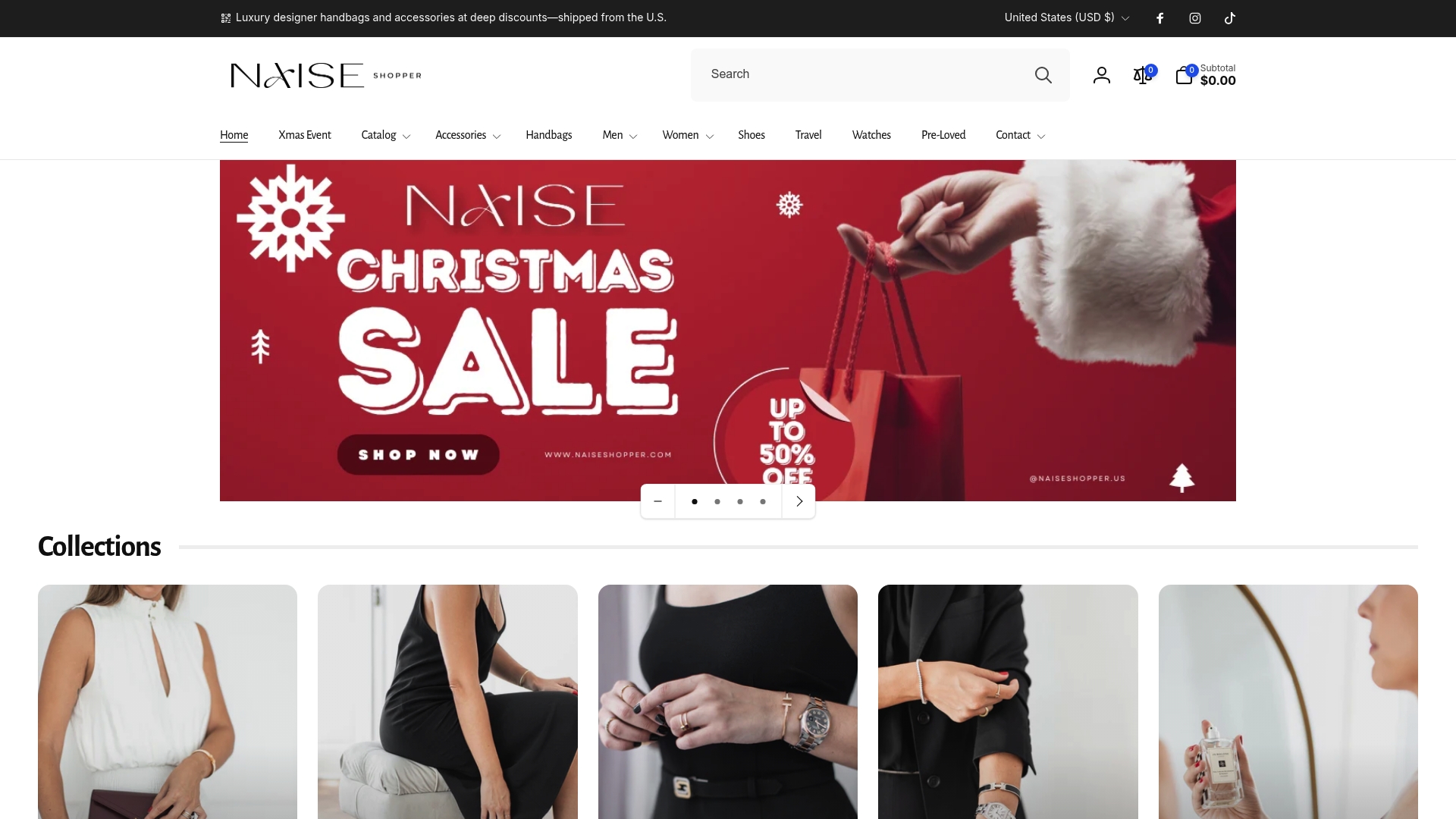
Discover authentic investment-worthy bags backed by quality guarantees at Naise Shopper. Benefit from secure international shipping, flexible payment options, and seasonal promotions that make investing in luxury both accessible and safe. Start your journey today by exploring our exclusive collections and safeguarding your investment with trusted authentication. Visit Naise Shopper now and turn your passion for designer bags into a smart financial decision.
Frequently Asked Questions
What is bag investment?
Bag investment refers to purchasing designer handbags as financial assets with the expectation that they will retain or appreciate in value over time. Unlike typical purchases, luxury bags can hold their worth or even increase in value.
How do I determine which designer bags are good investments?
To determine good investment options, research historical price trends, track limited edition releases, and identify timeless styles over trendy pieces. Focus on bags from heritage brands that exhibit consistent demand.
What factors influence the value of luxury handbags?
Key factors influencing the value include brand prestige, craftsmanship quality, limited production, and historical performance. Bags made from high-quality materials and with unique designs tend to retain value better.
What risks should I be aware of when investing in designer bags?
Investing in designer bags involves risks such as counterfeit goods, macroeconomic downturns, changing consumer preferences, and unpredictable style trends. It’s crucial to prioritize authenticity and monitor market trends to mitigate these risks.
Recommended
- From Investment to Icon: The Luxury Bags That Will Never Go Out of Sty
- Why Invest in Designer Handbags: Value, Status, Returns
- The Rise of Pre-Loved Luxury: Why Secondhand Designer Bags Are a Very
- What Defines Luxury Fashion – Key Standards and Impact
- 7 Types of Custom Clothing for Bold, Confident Women – Prima Dons & Donnas