Counterfeit luxury fashion can fool even experienced buyers, especially when premium brands like Chanel and Prada are in high demand. For discerning shoppers searching for authentic designer deals, product authenticity shapes every decision. Sophisticated counterfeiters make the verification process crucial, so understanding modern authentication—from expert inspection to blockchain-backed transparency—directly protects your investment and peace of mind.
Table of Contents
- Luxury Authentication Defined And Misconceptions
- Types Of Authentication Methods And Technologies
- How Authentication Works For Designer Items
- Key Features And Standards In Verifying Luxury
- Risks, Costs, And Common Mistakes To Avoid
Key Takeaways
| Point | Details |
|---|---|
| Luxury Authentication Protects Investments | Ensuring authenticity of designer items is crucial to maintain resale value and prevent losses from counterfeits. |
| Multiple Verification Methods Are Essential | Combining expert inspections with modern technologies like blockchain improves verification accuracy and consumer confidence. |
| Be Cautious of Common Misconceptions | Relying solely on visual checks or serial numbers can lead to costly mistakes; comprehensive verification is necessary. |
| Request Detailed Documentation | Always ask for complete authentication reports before purchasing to ensure the item’s genuineness and track ownership history. |
Luxury Authentication Defined and Misconceptions
Luxury authentication is the process of verifying that a designer product is genuine and not a counterfeit. It confirms the item was produced by the authentic brand, meets quality standards, and carries legitimate ownership history. For affluent shoppers seeking discounted designer pieces, authentication isn’t optional—it’s your proof of investment protection.
Counterfeiters target luxury goods relentlessly because these items command premium prices with limited production runs. A single counterfeit Chanel handbag or Prada watch can deceive even experienced shoppers, making professional verification critical in today’s market.
What Luxury Authentication Actually Involves
Authentic luxury product verification involves multiple layers of inspection. Experts examine:
- Serial numbers and authenticity codes
- Materials, stitching, and craftsmanship quality
- Hardware weight, finish, and precision
- Interior stamps, labels, and construction details
- Packaging, certificates, and documentation
Traditional expert-based authentication remains reliable but costly. Consumer-based methods are cheaper but less accurate, creating a trust gap in the resale market.
Common Misconceptions About Authentication
Many shoppers believe authentication is simple—just check a serial number. That’s dangerously wrong. Counterfeiters replicate serial numbers with alarming accuracy, and physical certificates can be forged.
Another myth: “If it feels expensive, it’s real.” Counterfeit producers spend money on materials specifically to fool you. A fake Gucci bag might feel luxurious because counterfeiters invest in high-quality replicas.
Most critically, shoppers assume responsibility falls on them alone. It doesn’t. Producers and sellers bear the primary responsibility for ensuring authenticity throughout the supply chain.
Emerging technologies like blockchain and NFTs are transforming how luxury authenticity is verified, offering transparent proof that traditional methods alone cannot provide.
Why This Matters for Your Purchase
When you buy discounted luxury items, authentication protects your investment. A counterfeit depreciates to zero; an authentic piece maintains resale value. Authenticated items also provide peace of mind—you’re paying for genuine craftsmanship and brand heritage.
Transparent authentication also enables verifiable product ownership history, letting you track where an item came from and who owned it previously. This accountability strengthens your confidence in what you’re purchasing.
Pro tip: Always request authentication documentation before completing any luxury purchase, especially when buying discounted items online. Legitimate retailers provide detailed verification reports showing exactly what was tested and how the product passed inspection.
Types of Authentication Methods and Technologies
Authentication isn’t one-size-fits-all. Different methods offer varying levels of reliability, cost, and accessibility. Understanding your options helps you make informed decisions when purchasing discounted luxury items.
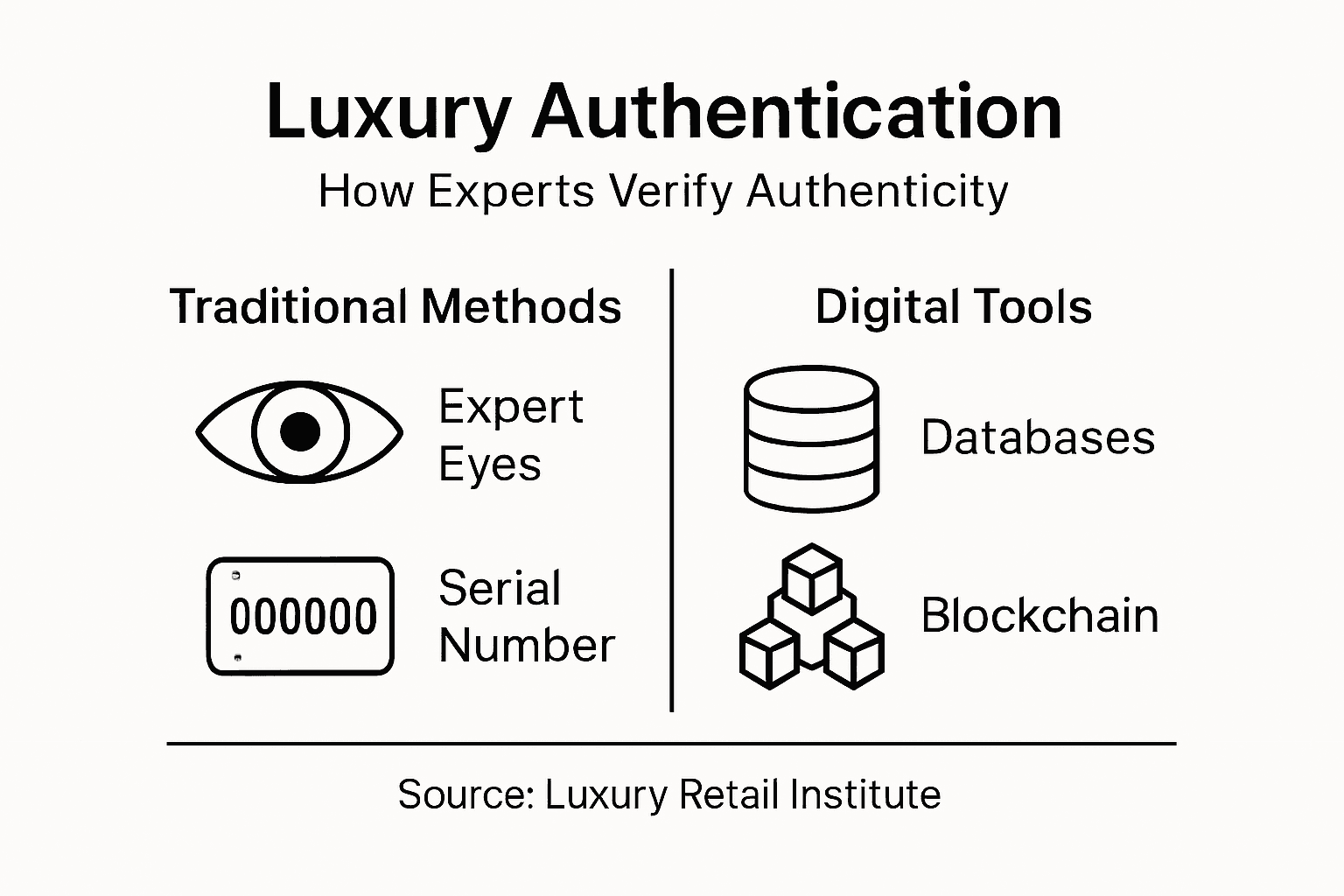
The authentication landscape spans from traditional expert inspection to cutting-edge digital verification. Each approach has distinct strengths and limitations that matter to your investment.
Here’s a quick comparison of luxury authentication methods and their reliability for buyers:
| Method Type | Reliability | Typical Cost | Accessibility |
|---|---|---|---|
| Expert-Based Inspection | Extremely High | $300-$500 per item | In-person or shipping |
| Serial Number Verification | Moderate | $50-$100 per item | Brand database online |
| Consumer-Based Methods | Low | Often free | Social media/forums |
| Blockchain/NFTs | Very High | Varies, often included | Digital platforms |
Traditional Expert-Based Authentication
This is the gold standard. Trained specialists physically examine your item, scrutinizing every detail with decades of experience. They check materials, construction, hardware, and subtle craftsmanship markers that counterfeiters struggle to replicate.
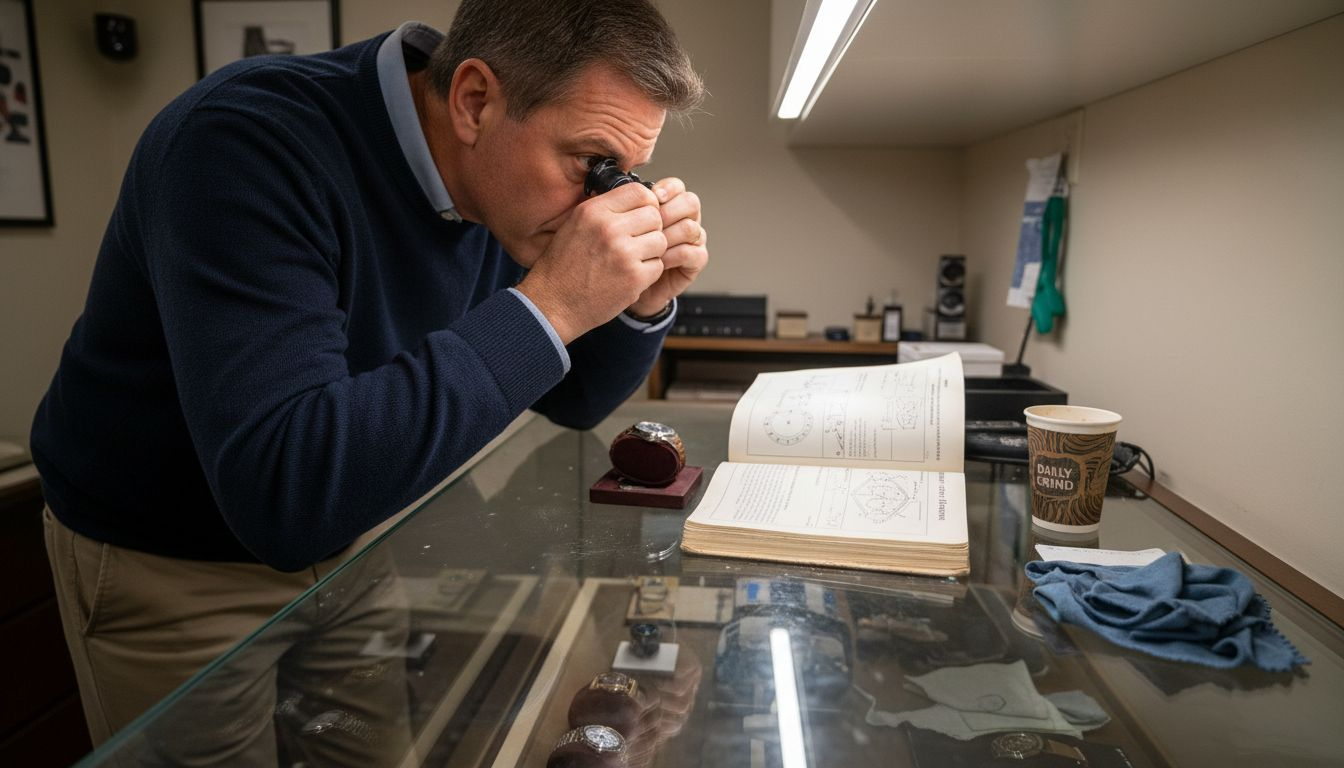
The trade-off? It’s expensive and time-consuming. Expert authentication can cost hundreds of dollars per item and requires shipping or in-person visits. For high-value purchases, this investment pays off through genuine peace of mind.
Serial Numbers and Physical Documentation
Serial number verification remains the most accessible method. Each authentic luxury item carries a unique code that connects to the brand’s database. Physical certificates and authenticity cards provide immediate verification.
Here’s the catch: counterfeiters replicate these with alarming precision. Serial numbers alone aren’t foolproof anymore. Savvy consumers combine serial checks with other verification layers.
Emerging Digital Authentication Technologies
Blockchain-based authentication methods represent the future of luxury verification. This technology creates tamper-proof digital records that track your item from production through ownership changes.
Blockchain offers distinct advantages:
- Immutable ownership history that cannot be altered
- Transparent traceability showing the item’s complete journey
- Digital certificates linked to physical products
- Real-time verification accessible from anywhere
NFTs and Digital Certificates
Non-fungible tokens (NFTs) transform authenticity by creating verifiable digital proof. When you purchase an authenticated luxury item, you receive a digital certificate documenting its authenticity and ownership.
This bridges physical and digital worlds. Your Gucci handbag or Prada watch comes with a unique digital token proving its legitimacy and your ownership—impossible to counterfeit or duplicate.
The most effective authentication combines expert knowledge with modern technology, eliminating single-point vulnerabilities and providing maximum consumer confidence.
Choosing the Right Authentication Method
For discounted luxury purchases, layered verification works best. Legitimate retailers use multiple methods simultaneously: expert inspection plus serial verification plus blockchain documentation.
When shopping, prioritize retailers offering comprehensive authentication reports detailing which methods were used and what passed inspection.
Pro tip: Request a complete authentication package that includes expert inspection documentation, verified serial numbers, and blockchain verification codes before finalizing any luxury purchase—this combination virtually eliminates counterfeiting risks.
How Authentication Works for Designer Items
Authentication is a systematic process, not a quick glance. Reputable platforms employ multiple verification stages to ensure every designer item is genuine before it reaches your hands.
Understanding this workflow builds confidence in your purchase. You’ll know exactly what layers of verification protect your investment.
The Multi-Step Authentication Process
Authentication begins with documentation review. Authenticators examine your item’s photos, serial numbers, and sales descriptions to identify red flags before physical inspection even starts.
Next comes physical inspection at dedicated authentication warehouses. This is where expert eyes examine every detail under controlled conditions with proper lighting and tools.
What Experts Examine
Experts scrutinize multiple elements simultaneously:
- Material composition and texture consistency
- Stitching precision, thread quality, and pattern alignment
- Hardware weight, finish, and engravings
- Interior labels, stamps, and logo placement
- Packaging quality and documentation
- Overall craftsmanship markers unique to each brand
Multi-step authentication processes compare your actual item against the sales listing description to catch discrepancies. If something doesn’t match—a missing pocket, wrong hardware color, or damaged stitching—it gets flagged immediately.
Quality Control and Verification
Authentication doesn’t stop after the first inspection. Quality control teams perform secondary reviews to ensure consistency and eliminate human error. This double-check system catches what single inspectors might miss.
Experts also reference extensive databases containing authentic item specifications for each brand, season, and style. A Chanel bag from Spring 2022 has different markers than one from Fall 2021—authenticators know these distinctions.
Technology Enhancing Human Expertise
Modern platforms combine human knowledge with artificial intelligence tools. AI analyzes patterns in material composition, construction techniques, and design elements to detect counterfeits faster than humans alone.
This hybrid approach strengthens reliability. AI flags suspicious patterns while expert authenticators make final determinations based on their decades of experience.
The most effective authentication relies on trained experts supported by technology, creating multiple verification points that counterfeiters cannot circumvent simultaneously.
Why This Matters for Your Purchase
When authentication is thorough, you receive documented proof of genuineness. You get reports detailing which elements were verified and passed inspection, eliminating doubt about your purchase authenticity.
This transparency protects your investment and resale value. Authenticated items command premium prices in secondary markets because buyers trust the verification process.
Pro tip: Always request the complete authentication report before purchasing, ensuring it details each inspection stage, which elements were verified, and the authenticator’s credentials—this documentation protects you if questions arise later.
Key Features and Standards in Verifying Luxury
Authentic luxury items share consistent markers that counterfeiters struggle to replicate perfectly. Understanding these standards helps you recognize quality and genuineness when evaluating your purchase.
These standards have evolved from simple visual checks to comprehensive verification systems combining traditional inspection with modern technology.
Essential Authentication Features
Every authentic luxury item includes unique identifiers that connect to brand records. Serial numbers and traceability elements form the foundation of verification, creating a direct link between your item and the manufacturer’s database.
Authentic luxury products also demonstrate consistent craftsmanship standards:
- Precise stitching with uniform tension and spacing
- Hardware that matches brand specifications exactly
- Materials sourced from approved suppliers
- Branded marks positioned with millimeter accuracy
- Consistent weight and dimensions across production batches
Material and Craftsmanship Standards
Luxury brands maintain strict material standards. A Prada bag uses specific leather grades sourced from particular tanneries. A Gucci watch contains exact hardware specifications developed over decades.
Counterfeiters often compromise on materials to reduce costs. Authentic items feel distinctly different—heavier, smoother, and more substantial. Real leather develops patina over time while fake materials crack or peel.
Ownership History and Sales Tracking
Sales history tracking transforms authentication by documenting an item’s journey from production through ownership. Legitimate platforms maintain detailed records showing when items were purchased, sold, and by whom.
This transparency matters significantly. Items with clean, documented histories command premium prices because buyers know the provenance is genuine and verifiable.
Digital Certificates and Blockchain Records
Modern authentication incorporates digital certificates that accompany physical products. These NFT-based proofs create immutable records impossible to forge or duplicate.
When you purchase an authenticated luxury item, you receive a digital certificate linked to blockchain. This certificate contains the complete item history, authentication details, and ownership information accessible anytime from anywhere.
Standards evolve as technology improves, but the core principle remains constant: multiple verification layers eliminate single points of failure that counterfeiters exploit.
Why Standards Matter to Affluent Shoppers
Standardized authentication protects your investment through consistency. When all luxury retailers follow the same verification protocols, you know exactly what to expect regardless of where you shop.
These standards also support resale value. Authenticated items with documented provenance retain 60-75% of retail price in secondary markets, while unverified items struggle significantly.
Pro tip: Prioritize retailers displaying detailed authentication standards on their websites, clearly explaining which features they verify and how they document findings—transparency about their standards indicates genuine commitment to authenticity verification.
Risks, Costs, and Common Mistakes to Avoid
Authentication protects you, but only when done correctly. Mistakes during verification can cost thousands of dollars and leave you holding worthless counterfeits instead of investment-grade luxury items.
Understanding these pitfalls helps you make smarter purchasing decisions and avoid costly errors.
The Real Costs of Authentication
Expert authentication isn’t cheap. Professional verification can range from $50 for basic serial number checks to $300-500 for comprehensive inspections of high-value items like Chanel bags or designer watches.
These costs add up quickly when buying multiple pieces. However, skipping authentication costs far more—a counterfeit bag depreciates to zero while authenticated pieces retain 60-75% resale value.
This summary shows the main risks and mistakes affluent shoppers should watch out for:
| Risk Type | Example Mistake | Impact on Purchase |
|---|---|---|
| Incomplete Verification | Accepting vague certificates | Loss of resale value |
| Seller Credibility | Buying from unvetted sellers | Financial exposure |
| Personal Inspection | Relying on visual checks alone | Higher chance of fraud |
| Outdated Techniques | Using old authentication practices | Missed modern counterfeits |
Common Authentication Mistakes
The biggest mistake? Trusting a single authentication source. Relying on incomplete verification methods leaves you vulnerable to sophisticated counterfeits that pass basic checks but fail comprehensive scrutiny.
Other critical errors include:
- Accepting vague or incomplete certificates without detailed inspection reports
- Ignoring ownership history gaps or suspicious provenance
- Purchasing from sellers unwilling to provide authentication documentation
- Trusting visual inspection alone without expert verification
- Assuming low prices guarantee authenticity
Counterfeit Sophistication and Evolving Risks
Counterfeiters continuously improve their methods. What fooled buyers five years ago no longer works. Fake hardware now matches authentic specifications, stitching patterns replicate perfectly, and materials feel identical to real luxury goods.
This sophistication means authenticators require ongoing training and access to the latest detection technologies. Outdated authenticators miss modern counterfeits entirely.
Financial Risks and Resale Implications
Buying unverified luxury items carries substantial financial exposure. A $3,000 counterfeit Prada bag becomes a complete loss if discovered. Authenticated items, conversely, maintain documented value and sell confidently in secondary markets.
Beyond the item itself, your credibility as a reseller depends on authentication accuracy. One counterfeit discovery damages your reputation permanently.
The cost of proper authentication is negligible compared to financial losses from counterfeits—expert verification protects both your wallet and your investment timeline.
Consumer-Based Verification Limitations
Don’t rely on yourself alone for authentication. Consumer-based verification tends to be significantly less reliable than expert evaluations. Even experienced collectors miss details that trained professionals catch immediately.
Your eyes can deceive you. That perfect-feeling leather might be synthetic. Those “correct” logos might be slightly off by millimeters you cannot detect without magnification and reference materials.
Red Flags and Seller Credibility
Watch for sellers who refuse detailed authentication documentation or rush you through purchases. Legitimate retailers enthusiastically provide complete verification reports and encourage scrutiny.
Sellers claiming items “don’t need authentication” because they “look perfect” are major red flags. This attitude suggests they’re hiding something.
Pro tip: Request authentication credentials before purchasing, verify the authenticator’s training history, and ask for detailed reports explaining exactly which features were inspected and how the item passed verification—this transparency is your strongest protection against costly mistakes.
Secure Your Luxury Investment Today with Naise Shopper
Understanding luxury authentication is crucial for anyone investing in designer pieces. The article highlights key challenges such as the risks of counterfeit products, incomplete verification, and the high stakes of trusting your own judgment alone. At Naise Shopper, we eliminate those uncertainties by offering only authenticated luxury handbags, shoes, watches, and accessories from top brands like Gucci, Chanel, and Prada. Our commitment to thorough verification, backed by expert authentication and digital proof, means you shop with confidence—knowing your investment is protected every step of the way.
Don’t leave your luxury purchases to chance. Explore our curated collections now at Naise Shopper and enjoy deep discounts on genuine designer items verified for authenticity. Take advantage of our personalized shopping services, secure international shipping, and transparent authentication documentation. Invest wisely and elevate your wardrobe today before these exclusive offers end.
Frequently Asked Questions
What is luxury authentication?
Luxury authentication is the process of verifying that a designer product is genuine and not a counterfeit, ensuring it meets the brand’s quality standards and carries legitimate ownership history.
Why is luxury authentication important for purchasing designer items?
Luxury authentication protects your investment in designer pieces by confirming their genuineness. Counterfeit products can depreciate to zero, while authenticated items maintain value and offer peace of mind regarding quality and authenticity.
What are common misconceptions about luxury authentication?
Many believe authentication is as simple as checking a serial number; however, counterfeiters can replicate these numbers. Additionally, the assumption that if an item feels expensive, it’s real, is misleading, as counterfeit producers may use high-quality materials to deceive consumers.
What methods are used for luxury authentication?
Methods for luxury authentication include expert-based inspections, serial number verification, consumer-based methods, and emerging technologies like blockchain and NFTs, each offering different levels of reliability and cost-effectiveness.