TL;DR:
- Affluent shoppers prioritize quality, trust, and personalized experiences over price sensitivity in 2026. They expect seamless digital integration, transparency, and durability, valuing reassurance over spectacle. Successful brands must build relationships based on expertise, authenticity, and ongoing reliability to retain loyalty.
Affluent shopper needs are defined by a demand for quality, convenience, and personalized brand relationships rather than price sensitivity. The standard industry term for this behavioral profile is “high-income consumer segmentation,” and understanding it is the key to navigating luxury retail in 2026. At the $75,000+ household income threshold, spending behavior diverges sharply from lower-income shoppers across beauty, grocery, and travel by 19–25 percentage points. Affluent shoppers expect personalized experiences, transparent sourcing, and frictionless service. This guide breaks down exactly what drives their decisions and how you can shop with those priorities in mind.
What is the affluent shopper needs breakdown for 2026?
Affluent shoppers prioritize quality, stock availability, and convenience over the lowest price. This is the single most important fact separating high-income consumer behavior from the rest of the market. While lower-income shoppers often make decisions based on cost alone, affluent shoppers evaluate purchases through the lens of value delivered, not dollars spent.
Spending differences across categories are significant:
- Beauty: Affluent shoppers invest in proven formulas and trusted brands, not promotional pricing.
- Grocery: Premium private labels attract 39% of households earning more than $5,000 monthly, showing that quality perception now outweighs brand name alone.
- Travel: Convenience, comfort, and reliability drive booking decisions far more than deal-hunting.
- Fashion: Authenticity, craftsmanship, and exclusivity define the purchase decision for designer goods from houses like Gucci, Chanel, and Prada.
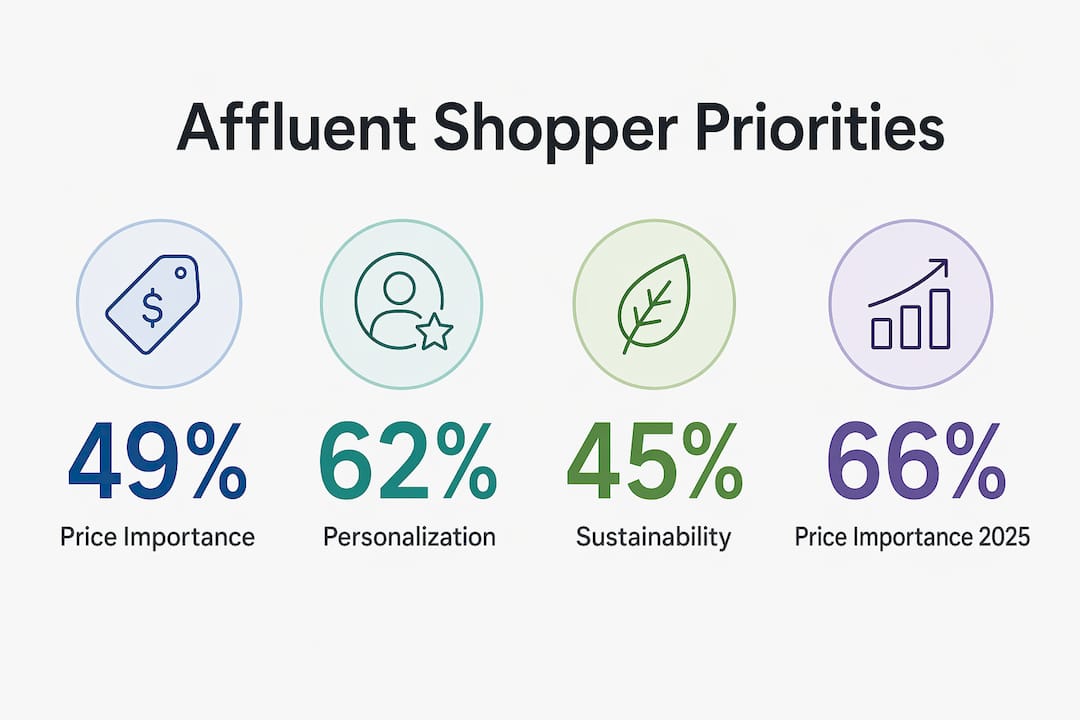
Price importance dropped to 49% in 2026 from 66% in 2025 among higher-income shoppers. That shift signals a fundamental change in what luxury retail must deliver to stay relevant. Loyalty among affluent shoppers is strong but conditional. They reward brands that consistently meet their expectations and walk away quickly when those expectations are not met.
Pro Tip: When shopping luxury, focus your research on product longevity and brand service reputation rather than sale timing. Affluent shoppers who buy on value rather than discount consistently report higher satisfaction with their purchases.
How do affluent shoppers expect digital integration and personalization?

Digital experience is now a non-negotiable part of luxury shopping. 62% of luxury customers expect online shopping to be as personalized and engaging as in-store, and 61% demand ongoing brand connection after purchase. Those numbers reflect a complete shift in what “luxury service” means.
Affluent shoppers expect the following from digital retail:
- Real-time stock alerts and accurate inventory information across all channels
- Sustainability and sourcing data displayed clearly at the point of sale
- Personalized product recommendations based on purchase history
- Post-purchase communication that feels curated, not automated
The gap between digital and physical experience is a real risk. Stockouts and mismatched information between online and in-store channels cause disproportionate frustration and abandonment among affluent shoppers. One failed experience can end a relationship that took years to build.
Age and digital fluency also shape expectations. Younger affluent shoppers, particularly Millennials and Gen Z, expect technology to solve real problems rather than simply impress them. Older affluent shoppers value consistency and reliability above novelty. Both groups want convenience-led experiences that save time and reduce friction. The best luxury retail platforms, including Naiseshopper, address both groups by combining curated product discovery with clear, accurate product information and personal shopper support.
Pro Tip: Use platforms that offer personal shopper assistance when buying high-value items online. Direct access to a knowledgeable advisor removes the uncertainty that even confident shoppers feel when purchasing designer goods remotely.
What role do quality, trust, and sustainability play in luxury preferences?
Luxury purchases now emphasize quality, longevity, and defined utility over spectacle. The era of buying for status alone is over. Affluent shoppers increasingly seek reassurance over status, valuing trust, clarity, and practical value such as convenience, durability, and service.
Trust is the foundation of every luxury purchase decision. Shoppers want to know:
- Where a product was made and by whom
- Whether the brand stands behind its quality with clear guarantees
- How the product will perform over years, not just seasons
- Whether the retailer can verify authenticity without question
“The era of luxury now prioritizes reassurance over status, with consumers seeking brands that provide stability, usefulness, and clarity rather than spectacle.”
Sustainability has moved from a bonus feature to a baseline expectation. 45% of affluent shoppers want sustainability and sourcing information displayed at the point of sale. That figure reflects a generation of buyers who connect their purchases to their values. Brands that cannot provide transparent sourcing data lose credibility with this group fast.
Durability and functionality define modern luxury just as much as aesthetics. A Bottega Veneta bag or a Gucci watch is not just a style statement. It is a long-term investment that must perform. Shoppers who understand why authenticity matters in luxury retail make better, more satisfying purchases because they evaluate the full picture, not just the label. Sustainable jewelry brands, for example, increasingly publish full sourcing chains, and ethical sourcing transparency is now a standard affluent shoppers expect across all luxury categories.
How does segmentation among affluent shoppers shape their needs?
Affluent consumers represent a mosaic of identities rather than a single, uniform group. Treating them as one audience is one of the most common and costly mistakes in luxury retail. Segmentation based on values, digital fluency, and generational outlook is the only way to address their varied needs.
Three primary segments define the affluent market today:
- Traditional heritage lovers: These shoppers value craftsmanship history, brand legacy, and the story behind each piece. They gravitate toward houses like Chanel and Valentino with deep archival identities. They prefer in-store experiences and relationship-based service.
- Digital-first Millennials: This group shops across channels without friction and expects brands to know their preferences before they ask. They respond to personalized digital outreach, curated edits, and post-purchase storytelling that reinforces their identity.
- Purpose-driven Gen Z: The youngest affluent shoppers prioritize brand ethics, sustainability credentials, and cultural relevance. They are the fastest-growing segment and the most likely to abandon a brand that contradicts their values publicly.
Segmentation also extends beyond generations. Attitudinal and digital fluency clusters fundamentally reshape marketing and loyalty strategies. A 45-year-old tech executive and a 45-year-old art collector may have identical incomes but completely different luxury needs. Brands and platforms that recognize this build lasting relationships. Those that do not lose shoppers to more attentive alternatives.
Successful luxury brands increasingly rely on what Accenture calls “relational artisans,” client-facing experts trained in culturally attuned listening and personalized conversation. The goal is to build meaning beyond transactions. For shoppers, this means seeking out retailers who invest in genuine expertise rather than scripted sales processes.
What strategies do affluent shoppers use to optimize value?
Affluent shoppers are optimizers, not indulgent spenders. They mix premium purchases with careful choices, evaluating every transaction through the lens of value delivered rather than absolute cost. This is a widely misunderstood aspect of wealthy buyer behavior that even experienced retailers get wrong.
The myth that affluent shoppers are indifferent to price is exactly that: a myth. They are deeply attentive to value. They will pay full price for a Gucci G-Timeless watch because the craftsmanship justifies it. They will also buy a premium private label grocery item over a national brand if the quality is equal or better. The decision framework is always value, never just cost.
| Approach | What it means for shoppers |
|---|---|
| Premium indulgence | Full-price purchases where quality and exclusivity justify the cost |
| Selective frugality | Choosing premium private labels or discounted authentic goods when value is clear |
| Value verification | Researching durability, service, and resale value before committing |
| Loyalty investment | Returning to trusted brands and platforms that consistently deliver |
Over-discounting is a red flag for affluent shoppers, not an incentive. Heavy discounting signals that a brand is struggling or that the original price was inflated. The top 20% of shoppers contribute disproportionate margin to retailers, and eroding that relationship through unnecessary discounting damages long-term profitability for both sides.
Pro Tip: When evaluating a luxury purchase at a discounted price, verify authenticity first and check whether the discount reflects a genuine promotion or a clearance of unsold stock. Platforms like Naiseshopper guarantee authentication on every item, which removes that uncertainty entirely.
Check out the 2026 luxury trends guide for a deeper look at how these value optimization patterns are reshaping the premium market this year.
Key takeaways
Affluent shoppers are quality-driven optimizers who demand personalized, trustworthy, and frictionless luxury experiences across every channel they use.
| Point | Details |
|---|---|
| Quality over price | Affluent shoppers evaluate value delivered, not lowest cost, across every category. |
| Digital parity matters | 62% of luxury customers expect online experiences to match in-store quality and personalization. |
| Trust drives loyalty | Transparency around authenticity, sourcing, and sustainability is now a baseline expectation. |
| Segmentation is critical | Affluent shoppers span heritage lovers, digital-first Millennials, and purpose-driven Gen Z with distinct needs. |
| Optimizers, not spendthrifts | Affluent shoppers mix premium and selective purchases based on perceived value, not impulse. |
Why reassurance is the new luxury currency
I have spent years watching luxury retail evolve, and the single biggest shift I have seen is this: affluent shoppers no longer want to be impressed. They want to be reassured. That distinction changes everything about how you should approach a luxury purchase.
The brands and platforms that win right now are the ones that make you feel certain. Certain the product is real. Certain the quality will last. Certain that if something goes wrong, someone will answer the phone. That is not a low bar. Most of the market still fails it.
What I find most interesting is the segmentation reality. Affluent shoppers are not a monolith, and the worst mistake you can make is assuming that a high price tag alone signals the right fit. I have seen shoppers with identical budgets make completely opposite decisions because one valued heritage and one valued ethics. Neither was wrong. Both were underserved by brands that treated them the same way.
My honest recommendation: shop with platforms and brands that invest in expertise, not just inventory. The role of trust in luxury shopping is not a soft concept. It is the single most measurable driver of repeat purchase behavior among affluent consumers. Build your shopping relationships around it, and you will make better decisions every time.
— Camila
Naiseshopper’s approach to what affluent shoppers want
Naiseshopper is built around the exact priorities this article covers: authenticated products, transparent pricing, and a shopping experience that respects your time and intelligence.
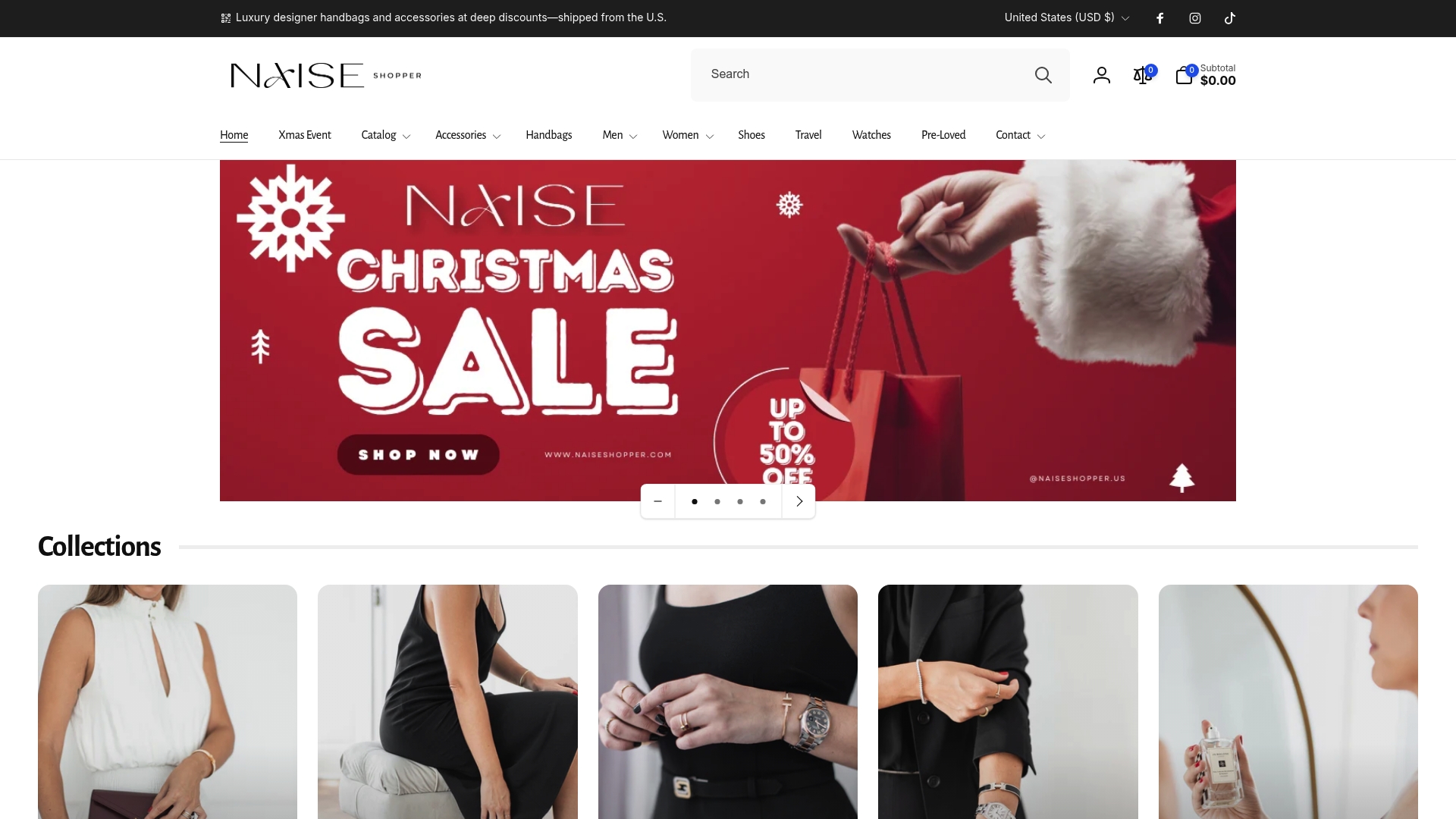
For shoppers who value craftsmanship and exclusivity, the Gucci G-Timeless Quartz Watch is a strong example of what Naiseshopper does best: a verified luxury piece at a price that reflects real value, not inflated retail. The platform also offers the Gucci G-Timeless Dive Quartz Green Red Watch 45mm for shoppers who want bold design with the same authenticity guarantee. Personal shopper assistance, international secure shipping, and flexible payment options mean the experience matches the quality of the product. Naiseshopper delivers what affluent shoppers actually want: confidence in every purchase.
FAQ
What defines an affluent shopper’s priorities?
Affluent shoppers prioritize quality, convenience, and trust over the lowest price. At the $75,000+ household income level, spending behavior diverges significantly from lower-income shoppers across beauty, grocery, travel, and fashion.
How important is personalization to luxury shoppers?
Personalization is critical. 62% of luxury customers expect online experiences to match in-store quality, and 61% want ongoing brand connection after purchase.
Do affluent shoppers care about sustainability?
Yes. 45% of affluent shoppers want sustainability and sourcing information displayed at the point of sale. Transparency around product origins is now a baseline expectation, not a differentiator.
Are all affluent shoppers the same?
No. Affluent consumers form a mosaic of identities segmented by values, digital fluency, and generational outlook. Traditional heritage lovers, digital-first Millennials, and purpose-driven Gen Z each have distinct needs and respond to different retail approaches.
Do affluent shoppers respond to discounts?
Affluent shoppers respond to value, not discounts. Heavy discounting can actually signal low quality or brand instability. They mix premium purchases with selective choices based on perceived value delivered, not absolute price reductions.