Luxury Trends in 2026:
luxury Trends in 2026 feels more challenging than ever. The status-seeking era is giving way to a pursuit of earned value, where discerning shoppers expect more than a bold logo or high price. Affluent global consumers from cities like London, New York, and Paris demand authenticity, transparency, and proof of sustainability in every purchase. As trends shift toward tactile finishes and craftsmanship, this article reveals how modern luxury is evolving and what it takes to secure designer pieces that align with your values without sacrificing style.
Table of Contents
- Defining Luxury Trends In 2026
- Emerging Categories And Shopper Preferences
- Sustainable Fashion And Ethical Sourcing
- Digital Innovation In Luxury Retail
- Risks Of Counterfeits And Market Pitfalls
Key Takeaways
| Point | Details |
|---|---|
| Shift from Ownership to Values | Luxury in 2026 focuses on what purchases say about personal values rather than just ownership or status symbols. |
| Demand for Transparency | Consumers now expect brands to provide clear information on their sustainability practices and ethical sourcing. |
| Emerging Experience-Oriented Categories | Experiences and lifestyle investments are equally important as physical products, reshaping luxury spending. |
| Digital Innovation is Essential | Digital technologies drive personalized shopping experiences, making them the primary method for luxury purchases. |
Defining Luxury Trends in 2026
Luxury Trends in 2026 is not about what you own anymore. It’s about what your purchase says about who you are and what you value. The definition of luxury has fundamentally shifted from the pursuit of status symbols to the pursuit of earned value and authentic alignment with your personal beliefs. This transformation challenges everything affluent shoppers thought they knew about high-end fashion and accessories. What once made something desirable a prominent logo, recognizable branding, obvious price tag—now triggers skepticism among discerning buyers who demand more substance beneath the surface.
The modern luxury consumer expects transparency, cultural legitimacy, and proof that a brand actually walks its talk when it comes to sustainability and ethical practices. What defines luxury fashion today includes tactile finishes that highlight quality and craftsmanship rather than bold logos that scream wealth. This shift means brands are reconnecting with original codes while integrating new capabilities shaped by artificial intelligence and changing competitive pressures. You’ll notice luxury houses emphasizing movement, material quality, and sculptural shapes. Think brushed cashmere, rich shearling, structured silhouettes reminiscent of the 1980s, and understated elegance punctuated by bold hardware accessories rather than oversized branding.
For affluent shoppers navigating 2026, this means your investment in luxury pieces should satisfy both your aesthetic sensibilities and your values. The winning approach combines classic refinement with statement details that feel intentional rather than flashy. Brands that survive and thrive in this environment demonstrate organizational agility, cultural fluency, and the ability to adapt quickly to shifting consumer expectations. You’re not just buying a handbag or pair of shoes anymore. You’re aligning yourself with a brand philosophy that resonates with who you genuinely are, not who you’re trying to appear to be.
Pro tip:When evaluating luxury pieces for your collection, prioritize items with distinctive craftsmanship details and premium materials that age gracefully over pieces with prominent logos, and verify the brand’s transparency regarding sustainability practices before making your purchase.
Here’s a summary contrasting traditional luxury with modern luxury in 2026:
| Aspect | Traditional Luxury | Modern Luxury 2026 |
|---|---|---|
| Status Symbol | Focus on logos, branding | Focus on values, alignment |
| Key Value | Exclusivity, price, fame | Transparency, authenticity |
| Material Emphasis | Recognizable features | Tactile finishes, craftsmanship |
| Consumer Expectation | Prestige, visibility | Cultural legitimacy, proof |
Emerging Categories and Shopper Preferences
The luxury market in 2026 is not a one-size-fits-all game anymore. Emerging categories are reshaping how affluent shoppers spend their money, with experiences and lifestyle investments now competing equally with physical products. Luxury sales reaching $1.5 trillion in 2025 reflect steady but cautious growth, driven by consumers who want more than just owning something beautiful. They want meaning attached to their purchases. Wellness engagements, curated lifestyle experiences, and purpose driven acquisitions now matter as much as the handbag or pair of shoes you’re buying. This shift signals a fundamental change in how you should think about your luxury investments moving forward.
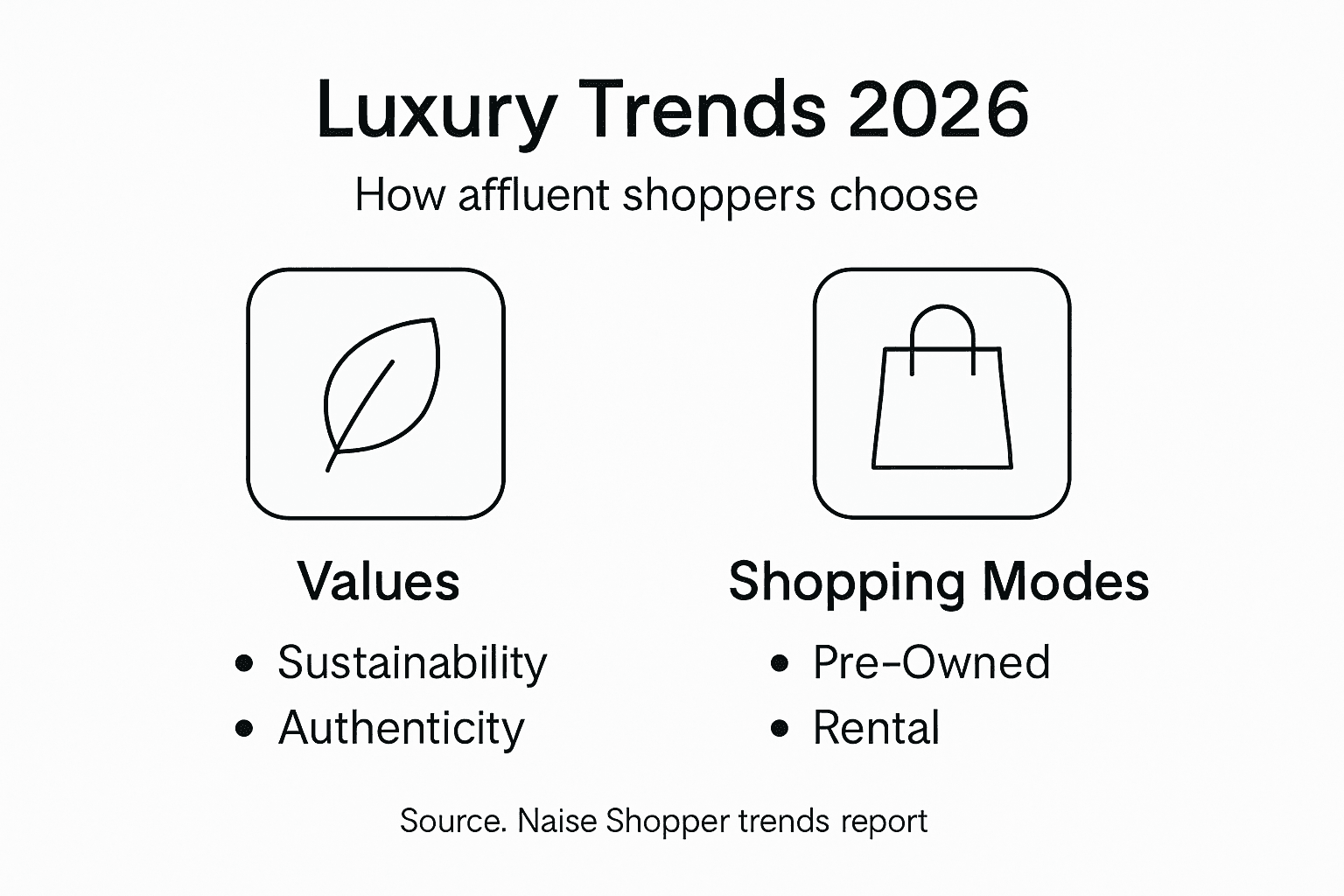
Two categories are capturing serious attention from discerning shoppers right now. Pre-owned and rental luxury models are no longer niche options for budget conscious buyers. They’ve become status neutral choices for affluent consumers who value sustainability, smart spending, and access over ownership. Luxury experiences beyond physical goods are equally important, whether that’s exclusive access events, personalized styling services, or invitation only previews of new collections. Younger generations and emerging market shoppers drive demand for these categories, but established affluent consumers are jumping in too. They’re recognizing that a rental Chanel dress for a specific occasion can be smarter than purchasing something you’ll wear once, and that digital first luxury platforms offer convenience without sacrificing exclusivity or authenticity.
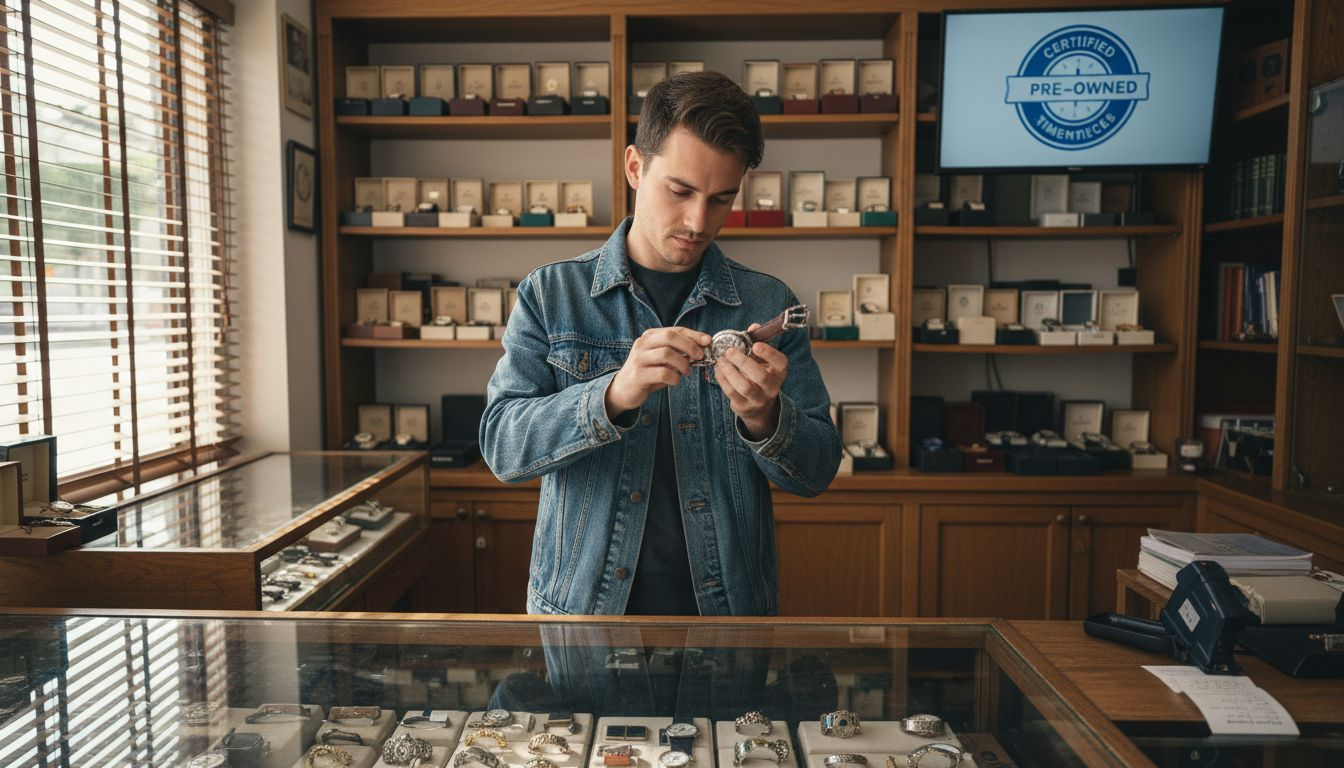
What ties these emerging preferences together is a demand for personalization and genuine value. You’re no longer content with mass market luxury or one-size-fits-all collections. You want items tailored to your lifestyle, access to personal shoppers who understand your aesthetic, and transparency about sustainability and sourcing. Geopolitical and economic challenges have made affluent shoppers more resilient and thoughtful. You’re diversifying your luxury spending across multiple categories and channels rather than concentrating purchases with a single brand. This means mixing vintage designer pieces with new collections, rotating seasonal items through rental platforms, and investing heavily in experiences that create lasting memories alongside physical acquisitions.
Pro tip:Explore pre-owned luxury and rental options for occasion wear and trend pieces while reserving your investment budget for timeless, high-craftsmanship items you’ll treasure for decades.
Sustainable Fashion and Ethical Sourcing
If you’re buying luxury items in 2026, sustainability is no longer a marketing angle. It’s a competitive requirement that separates brands worth your money from those caught in empty promises. Ethical sourcing and sustainability have moved from corporate storytelling into operational reality, where brands must measure, prove, and document every claim they make about environmental responsibility. Digital product passports are now becoming standard across the luxury industry, allowing you to trace exactly where your designer handbag was made, what materials were used, and how ethically workers were treated throughout production. This transparency shift means you can finally hold luxury brands accountable in ways that were impossible just a few years ago. European regulations are tightening requirements even further, making responsible supply chains a non-negotiable aspect of how luxury houses operate rather than a nice-to-have feature.
What makes this different from previous sustainability movements is the emphasis on integration rather than performance. Brands can no longer slap a sustainability label on a collection and call it a day. They must fundamentally rebuild their supply chains to address environmental and social sustainability goals simultaneously. This means examining every supplier relationship, enforcing strict ethical procurement standards, and ensuring that heritage craftsmanship aligns with environmental responsibility. For you as a consumer, this creates an opportunity to invest in pieces that actually reflect your values without compromising on quality or design. Circular economy models are emerging as competitive imperatives, with rental services, resale platforms, and take-back programs becoming standard offerings from leading luxury houses. The brands winning in 2026 are those that recognize heritage craftsmanship and modern sustainability as complementary rather than conflicting values.
Your role in this shift is more powerful than you might realize. When you demand transparency from luxury retailers, insist on documentation of ethical sourcing, and choose brands that prove their sustainability claims with measurable data, you’re forcing the entire industry to evolve. Affluent shoppers like you are the actual drivers of this transition. Brands cannot ignore consumer demands for traceability and ethical responsibility when their most valuable customers are the ones asking the hard questions. This means asking retailers about supply chain practices before making purchases, prioritizing brands with clear sustainability certifications, and recognizing that the true cost of luxury includes environmental and social impact alongside the price tag.
Pro tip:Request the digital product passport or sustainability documentation from luxury retailers before purchasing, and prioritize brands that provide transparent supply chain information and third-party ethical certifications over those relying on self-reported claims.
Digital Innovation in Luxury Retail
Digital technology is no longer a secondary channel for luxury shopping. It’s now the primary driver of how affluent consumers discover, evaluate, and purchase high-end items. Hyper-personalization and AI-powered clienteling have become standard expectations rather than nice-to-have features. Leading luxury retailers now maintain sophisticated data profiles of your preferences, purchase history, and style evolution, allowing them to curate collections specifically for you before you even step into a store or browse online. This level of personalization transforms shopping from a generic experience into something that feels genuinely tailored to your unique taste. Brands that master this technology are winning customer loyalty because they’re demonstrating that they actually understand what you want without forcing you to wade through irrelevant inventory.
The retail experience itself has completely transformed through phygital integration, where physical and digital worlds merge seamlessly. Augmented reality lets you visualize how a Gucci handbag will look in your closet before purchasing. 3D visualization tools enable you to examine construction details and materials from every angle. Live shopping events combine the exclusivity of appointment-only viewings with the convenience of participating from home, often featuring personal stylists who guide you through new collections in real time. These aren’t gimmicks. They’re solving genuine friction points that have always existed in luxury retail. You no longer have to commit to an expensive international trip to access limited collections or work with specific boutiques. The technology democratizes access while maintaining exclusivity through curation and pricing. Digital luxury marketing strategies increasingly rely on immersive customer experiences that build trust and reinforce brand heritage rather than relying on aggressive sales tactics.
Younger affluent shoppers and emerging market consumers are driving this digital-first evolution, demanding mobile accessibility and access over ownership models. This shift influences everything from how brands design their websites to what payment options they offer. Mobile-first platforms are no longer optional. Social media engagement has become integral to luxury brand strategy, though in ways that feel authentic rather than desperate. The smartest luxury retailers recognize that digital innovation actually strengthens their connection to heritage and craftsmanship by telling the stories behind their pieces, showing production techniques, and explaining the artistry in ways that physical retail simply cannot match. This is why online luxury platforms have become increasingly credible alternatives to traditional boutiques, offering the same authenticated products with enhanced transparency and often significant savings.
Pro tip:Use augmented reality and 3D visualization tools when shopping luxury items online to examine construction quality and fit before completing your purchase, and look for retailers offering live shopping events with personal stylists for personalized guidance without the pressure of in-store transactions.
This table highlights key innovations shaping digital luxury retail:
| Innovation | Description | Shopper Benefit |
|---|---|---|
| AI-Powered Personalization | Tailors recommendations to individual taste | Curated, relevant selections |
| Augmented Reality | Visualizes products in real-world spaces | Confident, informed purchasing |
| Live Digital Shopping | Interactive online events with stylists | Personalized advice from home |
| Blockchain Authentication | Verifies product origin and ownership | Increased trust, reduced counterfeits |
Risks of Counterfeits and Market Pitfalls
The counterfeit luxury market is enormous and getting more sophisticated every year. When you’re shopping for discounted designer items, counterfeits represent your biggest risk because they directly undermine the entire value proposition of luxury purchases. Fake products erode brand reputation, destroy consumer trust, and create skepticism that affects even authentic purchases. The problem is that distinguishing genuine products from fakes has become increasingly difficult for average shoppers, even experienced ones. Counterfeiters have invested heavily in mimicking quality, packaging, and craftsmanship details. A convincing fake Prada bag or Chanel watch can fool casual inspectors, which is precisely why purchasing from authenticated sources matters so much. The global counterfeit market directly impacts brand exclusivity and profitability, creating a ripple effect that influences pricing, availability, and the overall health of the luxury ecosystem you depend on for quality purchases.
The challenge extends beyond individual consumer harm. Current anti-counterfeiting strategies remain fragmented across the industry, meaning no single solution exists to protect you comprehensively. However, leading luxury retailers and brands are deploying increasingly advanced measures including digital authentication technologies, blockchain verification systems, and sophisticated labeling systems that are nearly impossible to replicate. When you purchase from reputable platforms, you’re gaining access to these protective measures. Look for retailers that provide certificates of authenticity, detailed product provenance information, and transparent sourcing documentation. The best defense involves a combination of technological solutions and consumer education. Brands that invest in stakeholder cooperation and international policy enforcement are the ones that maintain their integrity and protect their customers most effectively.
Your role in combating counterfeits is critical. Every time you purchase from unverified sources or accept suspiciously low prices from unknown sellers, you’re fueling demand for fake goods. This not only puts you at personal financial risk but also damages the entire luxury market ecosystem. Legitimate discounted luxury items exist through authorized channels, seasonal sales, and authenticated resale platforms that verify every product before listing. The price difference between authentic discounted items and counterfeits is often surprisingly small, making the choice obvious for anyone serious about protecting their investment. Shop only from established retailers with verified authentication processes, ask detailed questions about product provenance, and be skeptical of deals that seem too good to be true. Your commitment to authenticity protects both your personal interests and the integrity of the luxury brands and market segments you care about.
Pro tip:Always request authentication certificates, detailed product descriptions with construction photos, and seller verification before purchasing luxury items, and use only established platforms like Naise Shopper that guarantee authenticity through rigorous verification processes rather than taking risks with unknown sellers or suspiciously discounted prices.
Elevate Your Luxury Experience with Naise Shopper
The luxury landscape in 2026 demands more than just branded labels. You seek authenticated designer pieces that reflect your values of transparency, craftsmanship, and sustainability. At Naise Shopper, we understand these evolving desires and deliver curated collections from iconic brands like Gucci, Chanel, and Prada that resonate with your pursuit of authentic luxury. Avoid the risks of counterfeit products and discover genuine discounted handbags, shoes, apparel, and accessories backed by verified provenance and digital authenticity.
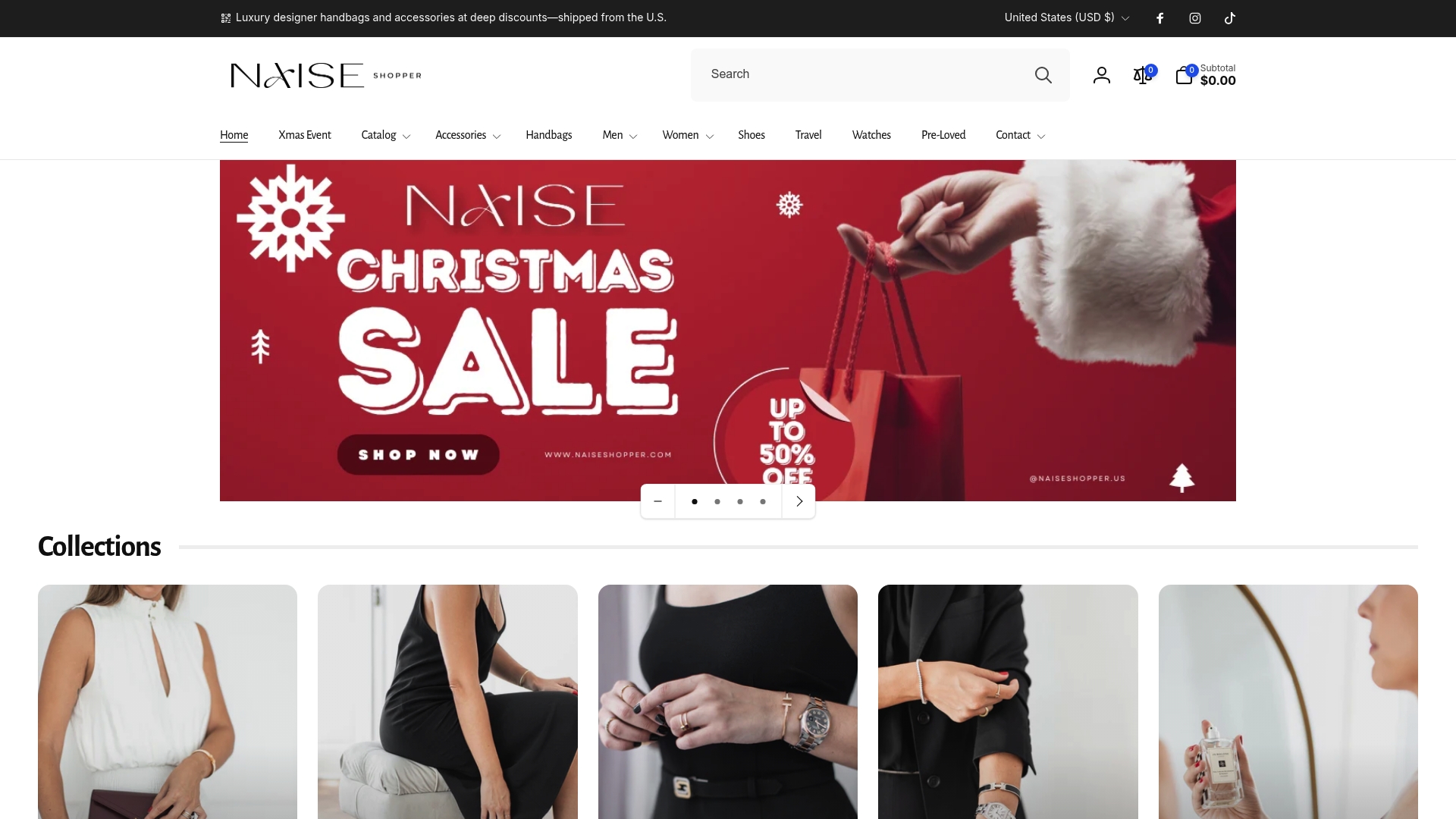
Experience personalized luxury shopping today with Naise Shopper’s exclusive platform that offers deep discounts, international secure shipping, and flexible payment options tailored to your lifestyle. Visit Naise Shopper now to explore authenticated designer fashions that blend timeless craftsmanship with modern values. Elevate your collection with confidence while embracing sustainable and transparent luxury choices.
Frequently Asked Questions
What defines luxury in 2026 compared to traditional luxury?
luxury Trends in 2026 emphasizes values like sustainability and authenticity, shifting away from status symbols like prominent logos and branding. Today’s affluent consumers seek transparency and quality craftsmanship rather than mere prestige.
How important is sustainability in luxury purchases today?
Sustainability is a competitive necessity for luxury brands in 2026. Consumers expect brands to provide transparent documentation about their ethical sourcing and environmental practices, making it essential for brands to genuinely align with sustainable values.
What role does digital innovation play in luxury shopping experiences?
Digital innovation, including AI personalization and augmented reality, has become integral to luxury shopping. These technologies enhance the experience by offering tailored recommendations and allowing shoppers to visualize products in their space before purchasing.
Why should I consider pre-owned or rental luxury items instead of new ones?
Pre-owned and rental luxury items have become mainstream choices due to their sustainability benefits and cost-effectiveness. These options allow you to enjoy high-quality pieces without the commitment of ownership, making them strategically smart for discerning buyers.
Recommended
- Top 5 Luxury Handbag Trends Dominating 2025 (and How to Style Them)
- News
- What Defines Luxury Fashion – Key Standards and Impact
- Luxury Fashion E-Commerce: Real Value and True Access
- What Is Contemporary Luxury Menswear in the UK? – Vellure Homme
- 7 Key Sustainable Fashion Trends 2025 for Eco Shoppers – The Cork Store
- 8 Inspiring Examples of Luxury Textiles for Your Projects - fabric fabric