TL;DR:
- Luxury shopper profiles are defined by behavior, motivation, and access to wealth, not just income. Understanding these distinct profiles enables targeted engagement and relationship building rather than generic marketing. Profiles like VICs, though small in number, generate most luxury sales and require personalized, high-touch strategies.
Types of luxury shopper profiles are defined as distinct consumer personas segmented by spending behavior, motivation, and access to wealth rather than income alone. Luxury is not a single market. Research from Accenture confirms that luxury brands now manage a mosaic of customer identities, each with divergent expectations around personalization, exclusivity, and post-purchase connection. For marketing professionals and retailers, understanding these profiles is the difference between generic outreach and the kind of targeted engagement that builds real relationship revenue. This guide breaks down the core high-end shopper types, their behavioral signatures, and how to activate each one.
1. types of luxury shopper profiles: the core five

The industry standard framework for explaining luxury shopper profiles comes from behavioral and access-based segmentation, not demographics alone. Everesse research identifies four foundational personas, and Proximity adds a fifth that marketers cannot afford to ignore.
Here are the five profiles every luxury marketer needs to know:
- Aspirational Curator. Young, digitally native, and culture-driven. This shopper participates in luxury selectively, often saving for one statement piece from Gucci, Prada, or Balenciaga. They are motivated by aesthetics, community belonging, and social identity. Their purchase frequency is low, but their influence on brand perception is high.
- Wealth Explorer. Entrepreneurs and tech-sector professionals whose wealth comes from startup equity or business exits rather than salary. Their spending is flexible but irregular. They gravitate toward brands that signal taste and originality, not just status. Think Bottega Veneta over logo-heavy options.
- Status Operator. Mid-career professionals with strong income but limited liquid assets. They spend on luxury to signal professional achievement. Saint Laurent, Valentino, and Versace resonate here. Purchase frequency is moderate, and they respond well to exclusivity messaging tied to career milestones.
- Legacy Collector (Traditionalist). Multi-generational wealth holders who live a full luxury lifestyle across fashion, watches, fine dining, and travel. Chanel and heritage houses dominate their closets. They spend freely and expect white-glove service as a baseline, not a premium.
- Very Important Client (VIC). This is a behavioral tier that cuts across all four personas above. Just 2% of luxury shoppers account for roughly 45% of purchases. Brands using clienteling platforms see 4–5x higher lifetime value from this group. VICs require dedicated relationship management, not just loyalty points.
2. how profiles shape purchasing behavior
Understanding who your shopper is matters less than understanding how they buy. Each profile maps to distinct spending patterns, category preferences, and purchase triggers.
- Selectivity vs. frequency. Aspirational Curators buy once or twice a year, often during promotions or seasonal events. Traditionalists buy continuously across categories. The key difference lies in selectivity and engagement rather than income alone. Marketers who treat these two groups identically waste budget on the wrong message at the wrong moment.
- Category mapping. Wealth Explorers over-index on watches and accessories. Status Operators favor ready-to-wear and footwear. Legacy Collectors spread spend across wellness, fine jewelry, and fashion. Mapping your product catalog to these category preferences sharpens both paid media targeting and editorial content strategy.
- Access mechanisms matter more than income. A Wealth Explorer with $2 million in startup equity but low monthly salary behaves differently from a Status Operator earning $300,000 annually. Access via income, credit, and equity better segments luxury consumers than demographics alone. Your messaging must fit their spending flexibility, not just their net worth.
- Occasion vs. ongoing engagement. Aspirational Curators are occasion buyers. Traditionalists and VICs are relationship buyers. Designing campaigns only around product launches misses the ongoing engagement that 61% of luxury customers expect from brands after purchase.
- Digital affinity varies sharply. Aspirational Curators discover brands on Instagram and TikTok. Legacy Collectors prefer private events, direct outreach, and editorial print. A single digital channel strategy fails at least two of your five core profiles.
Pro Tip: Track behavioral signals over a full quarter before assigning a profile label. Luxury purchase cycles are long, and a single transaction rarely reveals the full pattern.
3. luxury shopper profile comparison: spending power and brand expectations
The table below gives you a fast reference for the five profiles across the attributes that matter most to campaign planning.
| Profile | Age Range | Wealth Source | Purchase Frequency | Digital Affinity | Brand Expectation |
|---|---|---|---|---|---|
| Aspirational Curator | 22–35 | Salary, side income | Low (1–2x/year) | Very high | Community, aesthetics |
| Wealth Explorer | 30–45 | Equity, business exits | Irregular, high value | High | Originality, taste |
| Status Operator | 35–50 | Professional income | Moderate | Moderate | Exclusivity, achievement |
| Legacy Collector | 45+ | Inherited, asset wealth | High, multi-category | Low | Heritage, white-glove service |
| VIC (any profile) | Varies | Varies | Very high | Varies | Hyper-personalization |
Personalization expectations differ just as sharply as spending patterns. Accenture data shows that success metrics for luxury brands must expand beyond conversion to include repeat visits, reactivation, community participation, and engagement depth. A Status Operator who buys once and never hears from you again is a missed relationship, not a closed sale.
VICs demand a separate operational track entirely. Treating them as high-value loyalty members is not enough. They expect advisers who know their preferences, proactive outreach before product launches, and access to pieces before the general public. That level of service requires dedicated staffing, not just a CRM tag.
Pro Tip: Segment your email list by profile before your next campaign. Even a rough behavioral split between aspirational and traditionalist audiences will lift open rates and reduce unsubscribes.
4. how to operationalize luxury shopper profiles
Profile labels are useless without operational triggers. Accenture’s research is direct on this point: profiles fail unless they define when to invite a shopper to an event, escalate adviser involvement, or shift from acquisition to retention mode.
Here is how to build that operational layer:
- Design before, during, and after journey moments per profile. For Aspirational Curators, “before” means Instagram discovery and editorial content. “During” means a frictionless mobile checkout with size guides and authentication guarantees. “After” means a styling follow-up email and community invite. For Legacy Collectors, “before” is a private preview event. “During” is a personal adviser call. “After” is a handwritten note and a first look at the next collection.
- Use engagement signals to tier and upgrade VIC clients. VIC status is dynamic, not permanent. Signals like category buying breadth, event attendance, and outreach responsiveness should trigger tier reviews quarterly. A Status Operator who starts attending brand events and buying across categories is moving toward VIC territory. Catch that shift early.
- Balance manual curation and AI personalization by scale. NIMA Digital’s 2026 analysis finds that manual curation by skilled merchandisers outperforms AI personalization on luxury e-commerce sites with fewer than 100,000 monthly visits or 500 SKUs. If you are below those thresholds, invest in human expertise before automation.
- Build exclusive communities for high-engagement profiles. 59% of luxury consumers value belonging to exclusive brand communities. For Aspirational Curators, this could be a private styling group. For Legacy Collectors, it is an invitation-only collector’s circle. Community is a retention tool, not just a marketing channel.
- Avoid early automation pitfalls. Automating outreach before you have clean behavioral data produces generic messages that feel off-brand. Define your 5–7 behavioral segments first, then layer technology on top of human judgment.
“Profile labels without operational triggers are just marketing fiction. The moment a shopper’s behavior shifts, your system needs to respond, not just record.” — Accenture, Luxe Eternal
You can explore how aspirational shoppers engage with luxury brands to sharpen your targeting for that specific segment. For a broader view of how luxury trends in 2026 are reshaping all five profiles, that resource is worth your time.
Key takeaways
Effective luxury marketing requires matching each shopper profile to specific operational triggers, not just demographic segments.
| Point | Details |
|---|---|
| Five distinct profiles exist | Aspirational Curator, Wealth Explorer, Status Operator, Legacy Collector, and VIC each require separate strategies. |
| VICs drive outsized revenue | Just 2% of shoppers account for roughly 45% of purchases, making clienteling a top priority. |
| Access beats demographics | Income source and spending flexibility segment luxury buyers more accurately than age or location. |
| Profiles need operational triggers | Labels only work when tied to event invitations, adviser escalations, and journey stage shifts. |
| Manual curation still wins at small scale | Below 100,000 monthly visits or 500 SKUs, human merchandising outperforms AI personalization. |
What i’ve learned about luxury profiling that most guides miss
I have spent years watching luxury brands invest in beautiful persona decks that never make it past the marketing department. The profiles look great in a presentation. They never reach the sales floor or the clienteling team.
The real gap is not in the research. It is in the handoff. A Legacy Collector profile is only valuable if your store associate knows to offer a private appointment rather than a promotional email. A Wealth Explorer profile only pays off if your digital team stops retargeting them with the same hero product they already viewed and starts showing them something unexpected from Bottega Veneta or a limited Gucci release.
What I find most underused is the access-based lens. Marketers default to income brackets. But a tech founder sitting on $5 million in unvested equity is not the same as a surgeon earning $500,000 a year. Their spending flexibility, timing, and category preferences are completely different. Messaging that works for one actively alienates the other.
The economic sensitivity of VIC relationships also gets underestimated. Losing one VIC client is not a small churn number. Given that top clients generate 4–5x higher lifetime value through clienteling programs, a single lost relationship can represent a six-figure revenue gap. That math should change how much you invest in post-purchase connection for your top 2%.
The future of luxury profiling is behavioral and dynamic, not static and demographic. The brands winning in 2026 are the ones treating VIC status as something earned and re-earned through engagement, not just spending history.
— Camila
Find your shopper’s perfect piece at Naiseshopper
Naiseshopper curates authenticated luxury fashion for every profile in this guide, from the Aspirational Curator hunting for her first Prada moment to the Legacy Collector adding a Gucci timepiece to a lifelong collection. Every piece is verified authentic and priced to make luxury genuinely accessible.
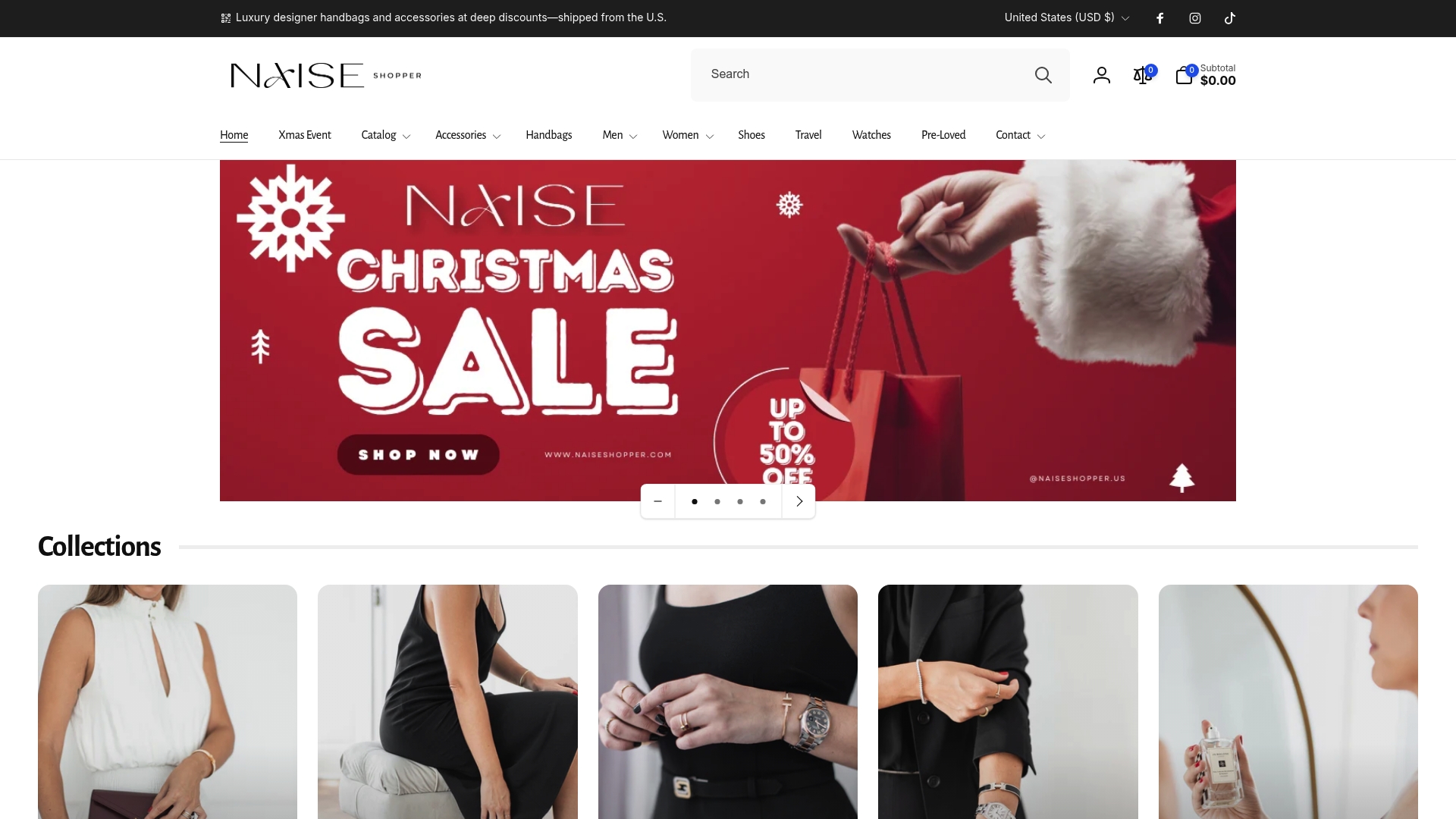
If you are shopping for a Status Operator or style-forward Aspirational Curator, the Prada Black Leather Floral Heels deliver exactly the kind of statement that resonates with both profiles. For the collector who wants heritage on the wrist, the Gucci G-Timeless Watch is a curated standout. Naiseshopper also offers personal shopper services for clients who want a tailored selection built around their specific profile and preferences.
FAQ
What are the main types of luxury shopper profiles?
The five core profiles are Aspirational Curator, Wealth Explorer, Status Operator, Legacy Collector, and Very Important Client (VIC). Each differs in spending frequency, motivation, and brand expectations.
How do luxury consumer segments differ from standard retail segments?
Luxury consumer segments are defined by access mechanisms, behavioral signals, and expectation drivers rather than age or income brackets alone. A Wealth Explorer and a Status Operator may have similar incomes but completely different purchase patterns.
Who are the most valuable luxury shoppers for retailers?
VICs represent just 2% of luxury shoppers but account for roughly 45% of purchases. Brands using dedicated clienteling programs see 4–5x higher lifetime value from this group.
How often should luxury shopper profiles be updated?
Profile tiers should be reviewed quarterly. Luxury purchase cycles are long, and behavioral signals like event attendance and category breadth shift a shopper’s profile over time.
Should luxury brands use AI or manual curation for personalization?
Below 100,000 monthly visits or 500 SKUs, manual curation by skilled merchandisers outperforms AI personalization. Scale and catalog size should determine which approach you prioritize first.