Finding the perfect luxury handbag often feels like a personal statement rather than just another shopping decision. The world of designer fashion is evolving, and international shoppers from countries like France, Italy, and the United States are seeking more than exclusivity. Modern luxury consumers prioritize authentic craftsmanship, versatile style, and meaningful purchases that align with their values. Discover how aspirational shoppers shape the industry and what sets them apart in the search for genuine, affordable luxury.
Table of Contents
- What Is An Aspirational Luxury Shopper?
- Key Motivations Driving Aspirational Purchases
- Distinct Traits Versus Traditional Luxury Shoppers
- How Aspirational Shoppers Influence Brands
- Common Challenges And Shopping Mistakes
Key Takeaways
| Point | Details |
|---|---|
| Aspirational Luxury Shoppers Drive Growth | Representing around 50% of luxury market value, aspirational shoppers are crucial for brand success and sustainable growth. |
| Transformative Consumer Motivations | Motivations include social status, self-expression, and emotional rewards, significantly influenced by digital platforms. |
| Distinct Characteristics from Traditional Shoppers | Unlike traditional luxury buyers, aspirational shoppers prioritize quality, sustainability, and personal connections over exclusivity. |
| Challenges in the Marketplace | Common mistakes include impulsive buying and inadequate research, necessitating a strategic approach to align purchases with personal values. |
What Is an Aspirational Luxury Shopper?
An aspirational luxury shopper represents a dynamic consumer segment transforming the global luxury market through strategic and intentional purchasing behaviors. Moderate luxury spending patterns define these shoppers, who are not ultra-high-net-worth individuals but critical contributors to luxury brand success.
Unlike traditional luxury consumers, aspirational luxury shoppers demonstrate nuanced purchasing strategies. They typically invest in one significant luxury item annually, with average annual expenditures around 10,000 euros across diverse product categories including apparel, accessories, watches, and leather goods. These consumers span multiple age ranges and geographical locations, challenging outdated perceptions about luxury market demographics.
Economically, aspirational luxury shoppers represent a substantial market segment. Luxury market value insights reveal they constitute approximately 18 percent of the global fashion market and an impressive 50 percent of luxury market value. This significant presence underscores their importance to luxury brands seeking sustainable growth and consumer engagement.
Pro Tip: Research brands thoroughly and develop a strategic approach to luxury purchases, focusing on timeless pieces that offer long-term value and versatility in your wardrobe.
Key Motivations Driving Aspirational Purchases
Aspirational luxury purchases are driven by complex psychological and social dynamics that extend far beyond simple product acquisition. Consumer motivation research reveals a multifaceted landscape of emotional and strategic decision-making that reflects deeper personal aspirations.
The primary motivations behind aspirational luxury purchases encompass several key dimensions. Social status remains a powerful driver, with consumers seeking products that signal achievement and social positioning. Equally significant are motivations of self-expression, where luxury items become extensions of personal identity and individual narrative. Emotional consumer psychology demonstrates that these purchases are deeply connected to hedonic pleasure, offering emotional rewards and a sense of personal accomplishment.
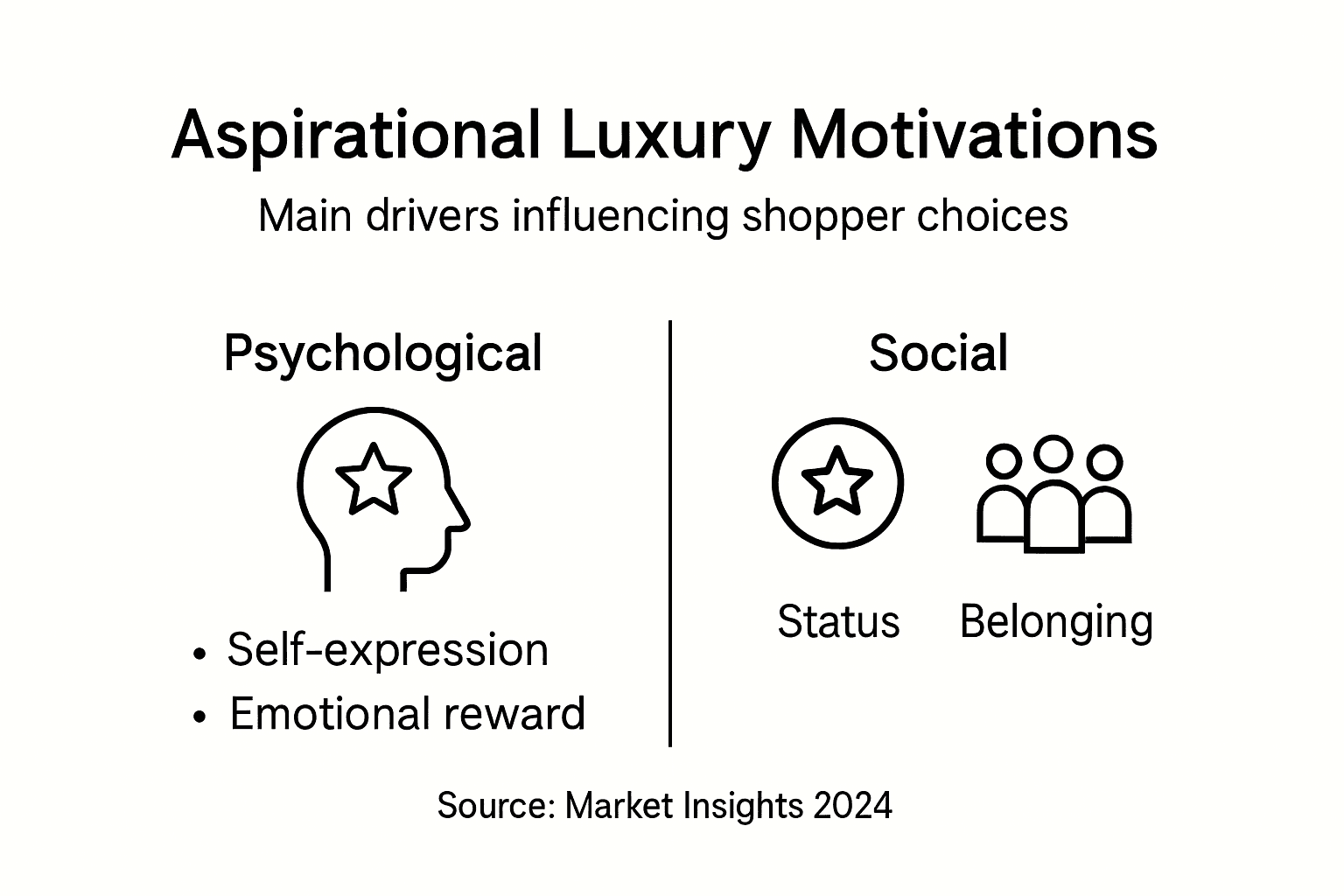
Digital platforms and social media have dramatically transformed aspirational purchasing behaviors. These technologies amplify status signaling, create global trend visibility, and provide unprecedented access to luxury experiences. Consumers now navigate luxury consumption through complex networks of digital influence, where brand perception, social recognition, and personal branding intersect. The motivational landscape now includes not just ownership, but the ability to curate and communicate a sophisticated lifestyle narrative.
Key motivations behind aspirational luxury purchases are summarized below:
| Motivation Dimension | Description | Example Impact |
|---|---|---|
| Social Status | Seeking recognition and prestige | Wearing brands to convey success |
| Self-Expression | Reflecting personal identity | Choosing pieces that align values |
| Emotional Reward | Gaining joy and accomplishment | Purchase evokes pride and pleasure |
| Digital Influence | Navigating social media trends | Following brands online for ideas |
Pro Tip: Before making an aspirational luxury purchase, critically evaluate how the item aligns with your personal style, long-term wardrobe goals, and authentic self-expression.
Distinct Traits Versus Traditional Luxury Shoppers
The landscape of luxury consumption reveals profound differences between aspirational and traditional luxury shoppers. Aspirational consumer characteristics demonstrate a more nuanced approach to luxury purchasing that challenges conventional market expectations.
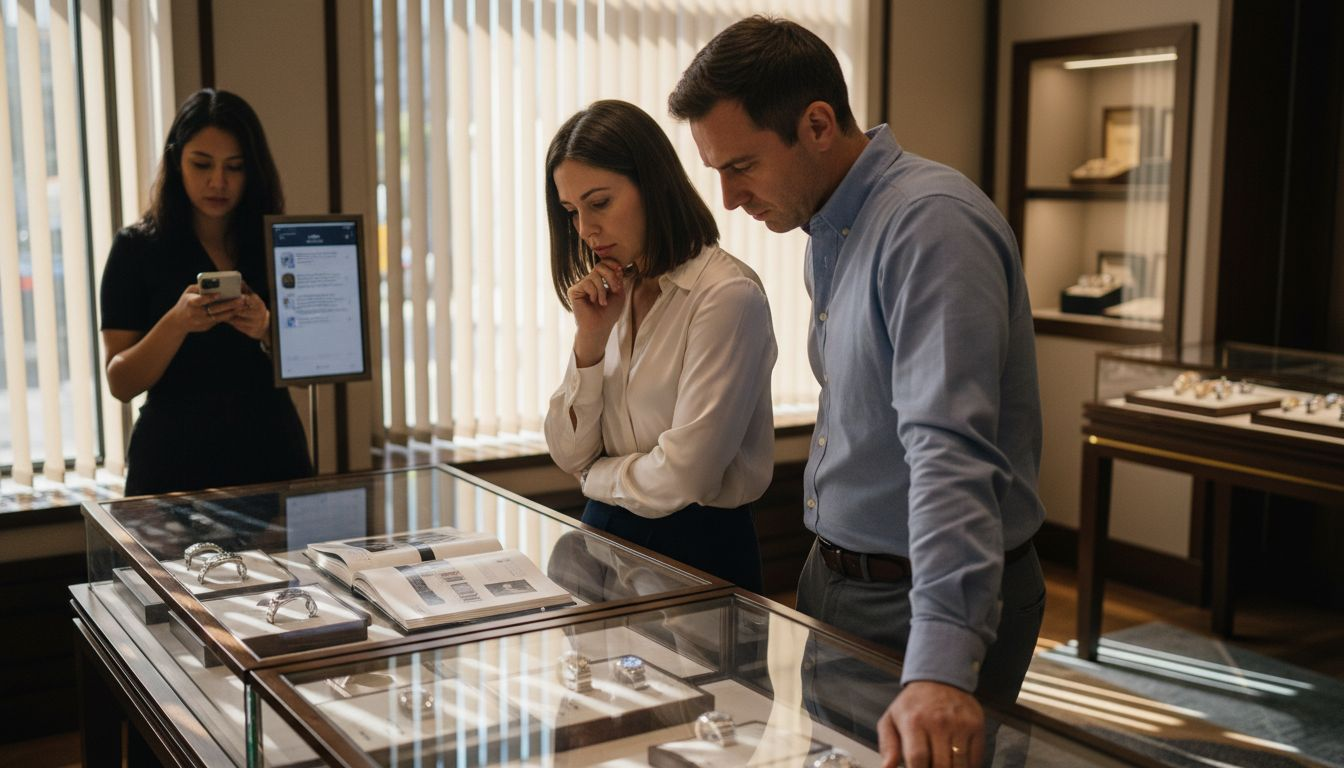
Traditional luxury shoppers typically represent high-net-worth individuals prioritizing exclusivity and premium pricing. In contrast, aspirational shoppers exhibit a more diverse and strategic purchasing profile. They are younger, geographically dispersed, and fundamentally motivated by different objectives. Where traditional luxury buyers seek rare, expensive items as status symbols, aspirational shoppers prioritize quality, sustainability, and personal meaning. Luxury market segmentation research highlights key distinctions: aspirational shoppers are more price-sensitive, less brand-loyal, and significantly influenced by digital trends and social media narratives.
The consumer clusters within the aspirational luxury segment are remarkably varied, including status seekers, quality-focused buyers, and mindful minimalists. These groups share a common characteristic of viewing luxury as a lifestyle access point rather than an exclusive club. Unlike traditional luxury consumers who chase rarity, aspirational shoppers seek meaningful connections with brands that align with their personal values, aesthetic preferences, and social identities. This shift represents a fundamental transformation in luxury consumption, where emotional resonance and personal storytelling hold more weight than mere price tags or brand prestige.
Here’s a side-by-side comparison of aspirational versus traditional luxury shoppers:
| Attribute | Aspirational Luxury Shoppers | Traditional Luxury Shoppers |
|---|---|---|
| Typical Age Range | Younger, diverse demographics | Older, established demographics |
| Buying Frequency | Selective, occasional purchases | Regular, frequent purchases |
| Primary Motivation | Self-expression, lifestyle value | Exclusivity, social status |
| Digital Influence | Highly influenced by digital | Less influenced by digital trends |
| Brand Loyalty | Low, willing to explore options | High, prefer established brands |
| Price Sensitivity | Sensitive and strategic | Less sensitive, price as prestige |
Pro Tip: Approach luxury purchases as investments in personal style and quality, not just status symbols, by researching brands that genuinely align with your individual aesthetic and values.
How Aspirational Shoppers Influence Brands
Aspirational luxury shoppers have fundamentally transformed brand strategies through their unique consumption patterns and digital engagement. Luxury market revenue dynamics reveal that these consumers now drive approximately half of the industry’s total market value, compelling brands to rethink traditional approaches.
Brands are increasingly adapting their strategies to meet the sophisticated expectations of aspirational shoppers. This means developing product lines that balance accessibility with perceived exclusivity, diversifying price points, and creating more nuanced marketing narratives. Unlike traditional luxury models that relied exclusively on ultra-wealthy consumers, modern brands must now craft experiences that resonate with younger, digitally connected audiences. Digital marketing strategies have become critical, with brands focusing on emotional storytelling, symbolic value, and authentic engagement rather than simply showcasing product features.
The influence of aspirational shoppers extends beyond traditional marketing approaches. They demand transparency, sustainability, and meaningful brand connections that reflect their personal values. Social media platforms have become powerful mechanisms for brand evaluation, where aspirational consumers collectively shape perceptions, challenge marketing narratives, and drive product innovation. Luxury brands must now navigate a complex ecosystem where consumer feedback, digital representation, and authentic storytelling are paramount to maintaining relevance and desirability.
Pro Tip: Follow brands that demonstrate genuine commitment to your personal values, as their adaptive strategies often provide the most innovative and meaningful luxury experiences.
Common Challenges and Shopping Mistakes
Aspirational luxury shoppers navigate a complex marketplace fraught with potential missteps and strategic challenges. Marketing communication challenges reveal that many consumers experience overwhelming brand messaging that dilutes the perceived exclusivity they seek, creating significant purchasing frustration.
The most prevalent shopping mistakes stem from impulsive decision-making and inadequate research. Economic pressures frequently push aspirational shoppers toward risky purchasing behaviors, such as seeking counterfeit goods or making hasty acquisitions that do not align with their long-term style goals. Buyer behavior insights demonstrate that many aspirational consumers struggle to balance desire with budgetary constraints, often leading to purchases driven more by status signaling than genuine personal value.
Brands contribute to these challenges by inconsistently positioning their products. Overaccessibility can diminish perceived brand value, while aggressive pricing strategies can alienate potential buyers. Inflation and economic uncertainties further complicate the aspirational luxury shopping experience, pushing consumers to seek alternative purchasing methods like pre-owned luxury goods or carefully curated sales opportunities. This dynamic creates a challenging ecosystem where consumers must be increasingly strategic and discerning in their luxury purchasing decisions.
Pro Tip: Always research market values, verify authenticity, and create a deliberate purchasing strategy that prioritizes personal style over temporary trends.
Discover Authentic Luxury That Matches Your Aspirations
The article highlights the challenges aspirational luxury shoppers face such as navigating overwhelming brand messaging and balancing desire with budget constraints. If you are seeking authentic designer pieces that align with your personal style and offer long-term value without compromising quality or price, Naise Shopper is tailored for you. Our platform’s curated collections of Gucci, Chanel, Prada, and other iconic brands provide a strategic way to invest in luxury with confidence.
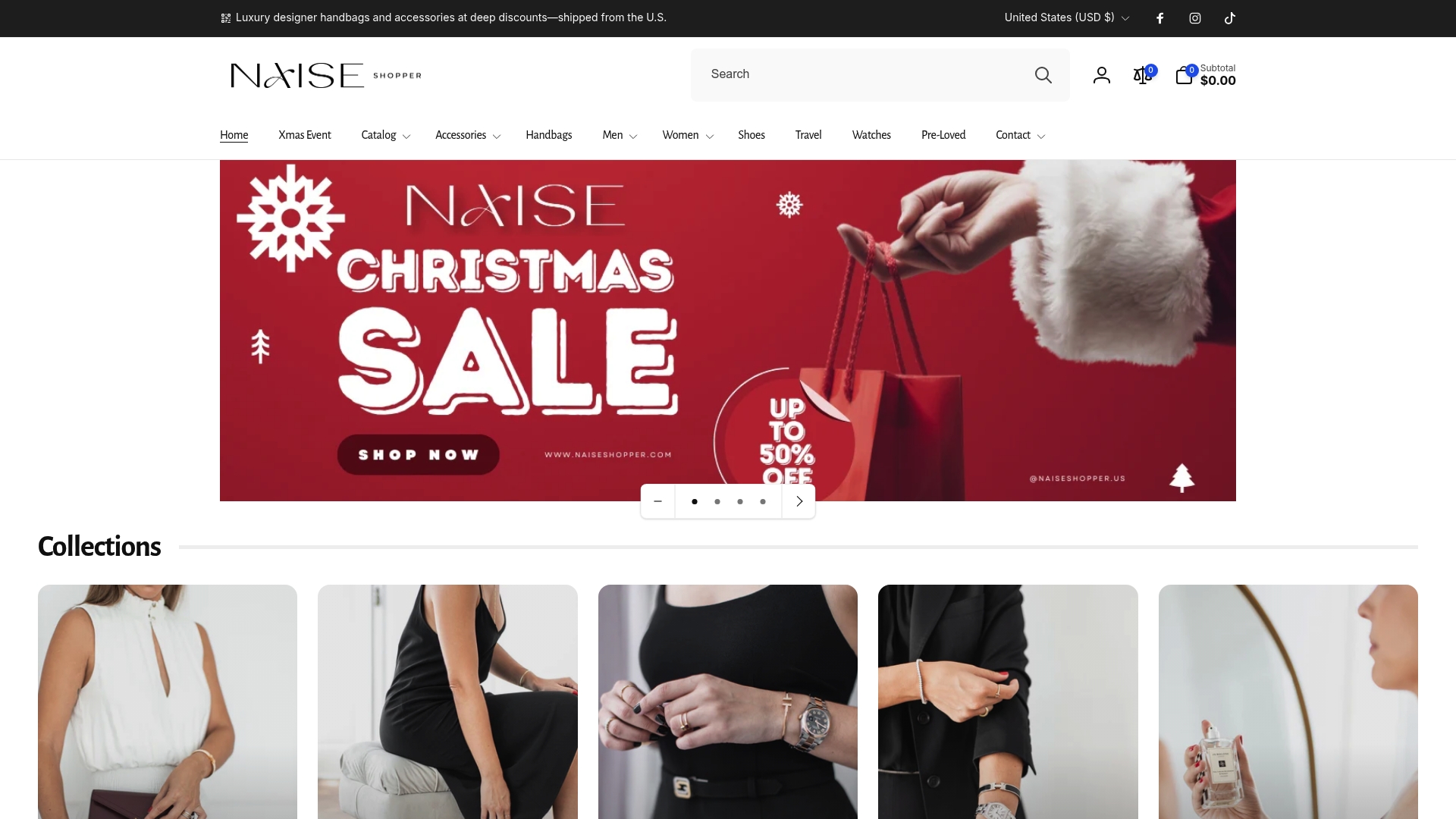
Experience the ease of purchasing authenticated luxury items at deep discounts, designed especially for aspirational shoppers who want to express themselves through meaningful luxury without overspending. Ready to elevate your style with pieces that reflect your unique identity and lifestyle priorities? Start your journey with Naise Shopper today and explore our selection. Discover exclusive promotions and benefit from secure international shipping and trusted personal shopper services. Visit Naise Shopper now and take control of your luxury shopping experience.
Frequently Asked Questions
What defines an aspirational luxury shopper?
An aspirational luxury shopper is a consumer who strategically purchases luxury items without being an ultra-high-net-worth individual. They typically spend around 10,000 euros annually on significant luxury products, focusing on quality and personal meaning rather than exclusive access.
What motivates aspirational luxury shoppers to make purchases?
Aspirational luxury shoppers are motivated by various factors, including social status, self-expression, emotional rewards, and digital influences. These motivations reflect their desires to signal achievement, reflect personal identities, and find joy through their purchases.
How do aspirational luxury shoppers differ from traditional luxury shoppers?
Aspirational luxury shoppers differ from traditional luxury shoppers primarily in their motivations and purchasing behaviors. They tend to be younger, more price-sensitive, focused on sustainability, and less brand-loyal, often influenced by digital trends, unlike traditional shoppers who prioritize exclusivity and high price points.
What common challenges do aspirational luxury shoppers face?
Aspirational luxury shoppers often encounter challenges such as impulsive decision-making, overwhelming brand messaging, and economic pressures that lead to purchases driven by status rather than genuine value. These challenges necessitate careful research and strategic planning in their shopping approach.