Discovering the perfect addition to your luxury wardrobe can feel like chasing an elusive treasure. For affluent collectors and travelers across Europe and North America, a truly curated luxury collection delivers more than just beautiful items—it offers exclusivity, craftsmanship, and meticulous selection that elevate your investment. This approach blends timeless appeal with emerging trends, ensuring every acquisition carries genuine value and brand heritage. Gain insight into what separates curated collections from standard retail, and find out how personalization, authenticity, and strategic sourcing make each piece a prized possession.
Table of Contents
- What Makes A Curated Luxury Collection
- Different Types Of Curated Luxury Collections
- How Curated Collections Are Assembled
- Authenticity, Sourcing, And Brand Standards
- Common Pitfalls When Buying Curated Luxury
Key Takeaways
| Point | Details |
|---|---|
| Curated Luxury Collections Offer Exclusivity | These collections prioritize limited availability, enhancing desirability among collectors who value unique pieces. |
| Importance of Authenticity and Sourcing | Ensuring authenticity and responsible sourcing are crucial for maintaining value and buyer trust in luxury acquisitions. |
| Navigating Investment Types | Different collection types cater to various collector goals, from heritage brands to contemporary pieces, impacting long-term satisfaction. |
| Avoiding Common Buying Pitfalls | Understanding market dynamics and verifying authenticity can prevent overpaying and acquiring items that depreciate in value. |
What Makes a Curated Luxury Collection
A curated luxury collection transcends the typical retail experience by combining exclusivity, craftsmanship, and strategic selection. When you browse a true curated collection, you’re not looking at random inventory—you’re encountering items specifically chosen for their timeless appeal, emerging trends, and alignment with a particular aesthetic vision. The foundation rests on superior craftsmanship and brand prestige, where every piece represents more than just a product; it embodies the heritage and storytelling of the brand behind it. This is what separates a well-curated selection from a standard department store layout where everything competes equally for attention.
What truly distinguishes a curated collection is how it creates meticulous selection paired with personalized experience. Rather than overwhelming you with thousands of options, a curated approach limits availability intentionally. This scarcity drives desirability in ways that mass-market retail cannot replicate. For affluent collectors who’ve invested years building their wardrobes, this exclusivity matters deeply. You’re acquiring pieces that fewer people own, chosen specifically because they represent the pinnacle of their category. The collection balances emerging fashion-forward items with timeless classics, ensuring your investment doesn’t feel dated next season. Additionally, the personalized, memorable shopping experience appeals directly to high-net-worth individuals seeking emotional engagement alongside aesthetic satisfaction. When you know a piece was hand-selected for its design integrity rather than bulk-ordered for inventory metrics, the perceived value shifts dramatically.
Beyond individual pieces, a curated luxury collection creates immersive retail storytelling that enhances the overall brand experience. The arrangement of items, the narrative connecting them, and the context provided by knowledgeable staff transform shopping into discovery. Consider how Naise Shopper’s approach differs from general online retailers—your personal shopper understands your style preferences, your collection gaps, and your investment priorities. They’re not pushing volume; they’re building relationships. This personalized curation extends to seasonal offerings and limited-time collections that create natural moments to refresh your wardrobe strategically. The result is a collection that feels intentional rather than haphazard, where each acquisition strengthens your overall style narrative rather than contradicting it.
Pro tip: When evaluating a curated collection, ask whether each piece answers a specific need in your wardrobe or introduces a trend you’ve researched. Avoid acquisition driven by scarcity alone—the best curated pieces work because they’re genuinely versatile additions to your existing luxury items.
Different Types of Curated Luxury Collections
Curated luxury collections come in many forms, each designed to appeal to specific collector preferences and investment goals. The spectrum ranges widely, encompassing handbags, jewelry, watches, ready-to-wear apparel, and accessories—each category attracting collectors with distinct tastes and priorities. Some focus on iconic heritage brands emphasizing craftsmanship and history, like the timeless appeal of Hermès or Cartier pieces that have held value for decades. Others concentrate on contemporary designers pushing innovative boundaries, offering rarity and cutting-edge aesthetics. Your personal preference typically depends on whether you value proven legacy and timeless wearability or the excitement of emerging talent and experimental design. Understanding these distinctions helps you navigate the market strategically and build a collection that genuinely reflects your investment philosophy.
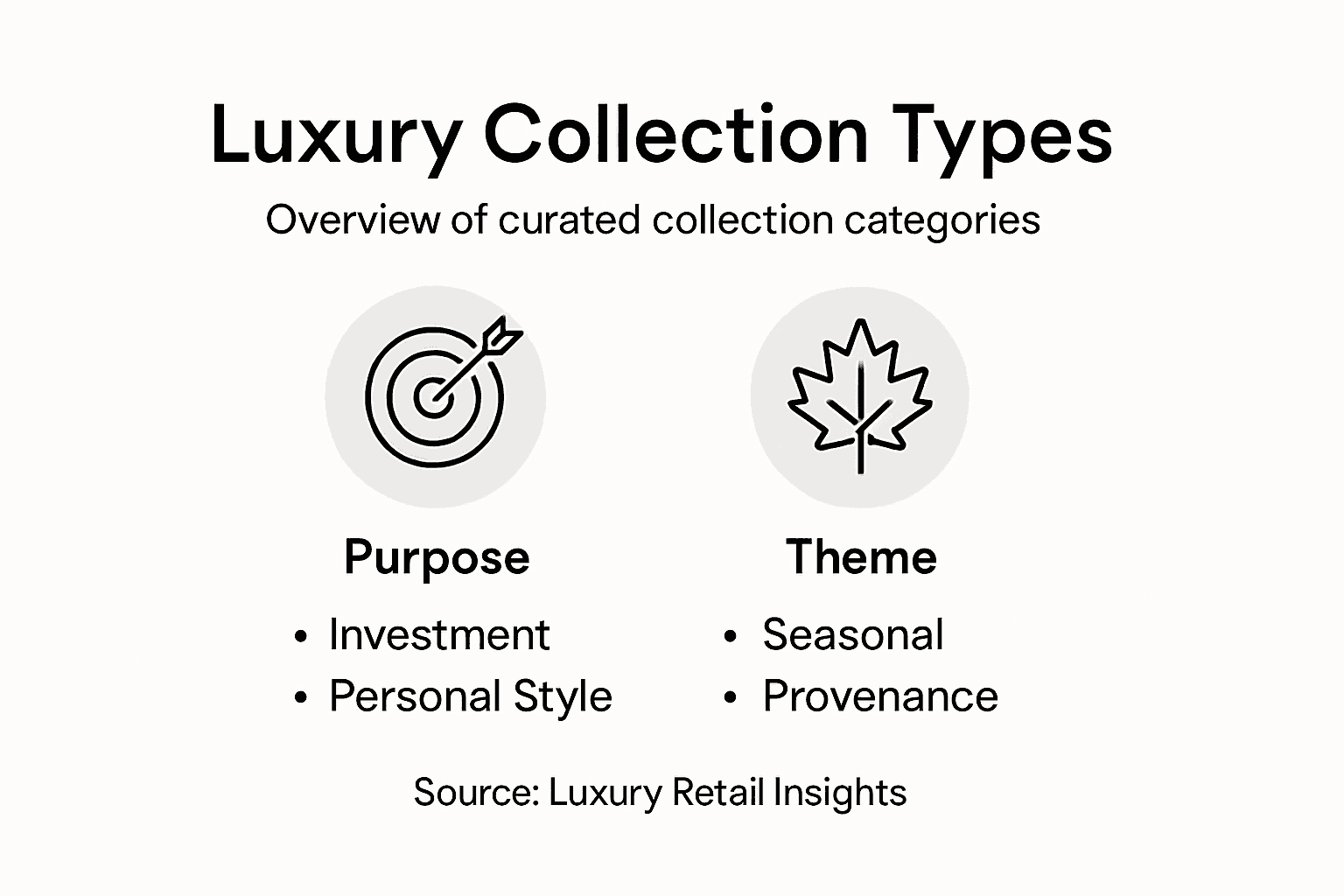
Beyond product categories, curated collections can be organized by source provenance, seasonal themes, or experiential narratives. Some collectors prefer authenticated vintage and pre-owned luxury items, where each piece carries historical significance and proven desirability. Others seek contemporary collections specifically curated around emerging trends, ensuring their acquisitions remain culturally relevant. Thematic collections—such as pieces centered around minimalist aesthetics, bold color palettes, or specific design eras—create cohesion across your wardrobe and simplify decision-making. When you shop with a personal shopper at platforms like Naise Shopper, you’re accessing carefully curated selections organized by these various frameworks. A summer collection might emphasize lightweight materials and vibrant colors, while a capsule wardrobe collection prioritizes versatile neutrals that work across multiple seasons. This thoughtful organization means you’re not just browsing inventory; you’re exploring selections that already align with specific use cases or aesthetic principles.
The most sophisticated collectors recognize that curated collections create distinct value propositions based on their organizational approach. A handbag collection curated by investment potential focuses on styles with proven appreciation—pieces from limited production runs or discontinued models that command higher prices in secondary markets. A collection curated by wearability prioritizes pieces you’ll actually carry, balancing iconic status with practical functionality. Some collectors pursue luxury consignment and pre-owned markets, where authentication and provenance documentation create additional confidence in their acquisitions. Whether you’re building a collection centered on a single designer, exploring multiple brands within a lifestyle category, or mixing vintage finds with contemporary pieces, the type of curation you choose directly impacts your shopping strategy and long-term satisfaction. The key is recognizing that different collection types serve different purposes, and your ideal approach depends on your personal goals—whether that’s investment returns, everyday wearability, creative expression, or status signaling.
Pro tip: Before committing to any curated collection type, clarify your primary motivation: investment appreciation, versatile wardrobe building, trend exploration, or heritage collecting, then focus on collections specifically organized around that objective.
Here’s a quick comparison of luxury collection types by their core intent and collector focus:
| Collection Type | Primary Purpose | Typical Collector | Investment Potential |
|---|---|---|---|
| Heritage Brands | Preserve legacy and history | Traditional collectors | Often very strong |
| Contemporary Designers | Seek innovation and rarity | Trend-oriented buyers | Varies by demand |
| Vintage/Pre-owned | Acquire historic significance | Sustainability advocates | Consistently stable |
| Capsule Wardrobe | Maximize versatility | Minimalist stylists | Moderate to strong |
How Curated Collections Are Assembled
Assembling a curated luxury collection requires far more than simply gathering expensive items together. The process begins with establishing clear selection criteria and understanding your target audience’s needs. Think of it like constructing a narrative where each piece serves a purpose within the larger story. Professional curators start by defining what makes an item worthy of inclusion—whether that’s provenance, craftsmanship quality, investment potential, or alignment with emerging trends. At platforms like Naise Shopper, the curation process involves specialists who sift through extensive inventory to identify pieces that meet rigorous authentication standards and aesthetic benchmarks. This filtering stage is crucial because it determines whether a collection feels intentional or scattered. When you browse a well-assembled collection, you’re experiencing the result of hundreds of rejection decisions, not just the items that made the cut.
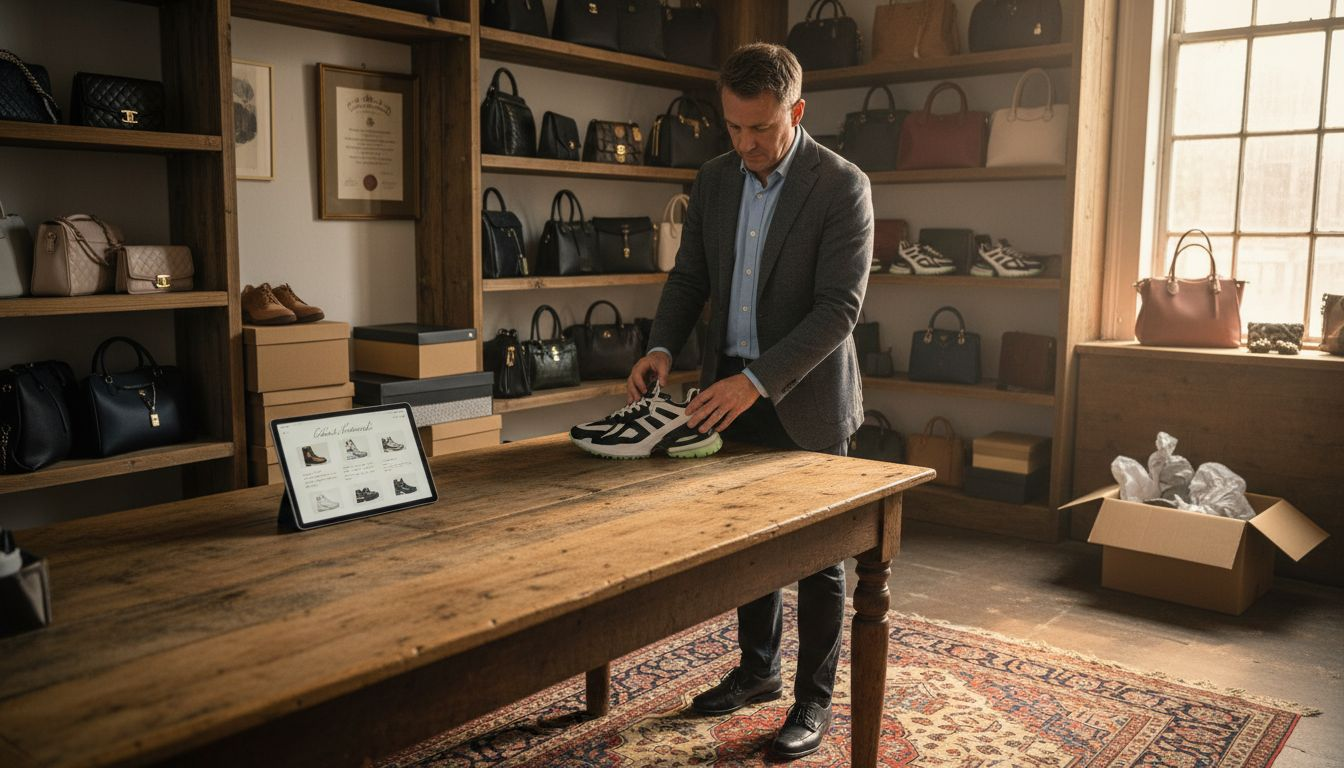
Once selection criteria are established, curators focus on verification and storytelling that transforms individual pieces into a cohesive experience. Every handbag, shoe, or accessory in an authenticated luxury collection undergoes rigorous evaluation of craftsmanship and provenance to ensure legitimacy and quality. This isn’t merely a surface-level inspection—specialists examine stitching patterns, material composition, serial numbers, and production markers to verify authenticity. Beyond verification, curators contextualize products within brand narratives, explaining why a particular Prada bag represents an evolution in minimalist design or why a specific Gucci piece captures a pivotal moment in fashion history. This narrative layer elevates the collection from a simple product lineup to an educational and inspirational experience. When you understand the story behind each acquisition, you’re more likely to appreciate its value and wear it with intention rather than viewing it as just another purchase.
The final assembly phase involves presentation, metadata accuracy, and ongoing evaluation to ensure the collection remains relevant and desirable. This means organizing items in ways that invite discovery—grouping by designer, season, color palette, or occasion so browsers can navigate intuitively. Behind the scenes, curators maintain detailed records about each piece’s condition, pricing logic, acquisition source, and styling recommendations. Personal shoppers at Naise Shopper use this information to make informed recommendations based on your specific preferences and wardrobe gaps. The curation process doesn’t end at launch either. The most effective collections evolve through regular assessment of what’s resonating with collectors versus what isn’t performing. If a particular designer or style consistently attracts interest, that signals potential for expansion in that direction. Conversely, if items aren’t moving despite strong authentication and presentation, the curatorial team investigates whether the pricing, marketing angle, or overall fit within the collection needs adjustment. This user-focused approach means the collection continuously improves based on real collector feedback and market response.
Pro tip: When shopping a curated collection, look for pieces with detailed provenance descriptions and styling context rather than just product specifications—this transparency indicates serious curation work and typically correlates with better long-term satisfaction with your acquisition.
Authenticity, Sourcing, and Brand Standards
When you invest in luxury fashion, authenticity isn’t just a buzzword—it’s the foundation that determines whether your purchase holds value and delivers genuine satisfaction. Authenticity in luxury brands is crafted through heritage, craftsmanship, and consistent brand storytelling that builds trust over decades. Iconic houses like Chanel, Saint Laurent, and Bottega Veneta maintain their premium positioning by ensuring every piece reflects the same quality standards, design philosophy, and production integrity that defined the brand decades ago. This consistency creates what collectors call brand credibility. When you purchase an authenticated Prada handbag through Naise Shopper, you’re not just buying an object—you’re acquiring a piece backed by the brand’s reputation, production history, and market recognition. Counterfeit markets thrive precisely because authentic luxury items hold value, which is why rigorous authentication has become non-negotiable for platforms serving discerning collectors. The brands sold on curated luxury platforms invest heavily in maintaining these standards because a single counterfeit discovery can damage consumer trust irreparably.
Sourcing practices reveal how seriously a platform takes authenticity and brand standards. Advanced authentication methods combine traditional verification techniques with blockchain technology to create transparent provenance tracking and serial number verification that virtually eliminates counterfeiting risk. Naise Shopper’s sourcing involves acquiring inventory from authorized dealers, estate sales with documented histories, and brand partnerships where available. Each piece undergoes multi-point authentication before entering the curated collection—specialists examine materials, construction methods, stitching patterns, hardware quality, and serial number validity against brand records. Beyond the physical inspection, responsible sourcing practices ensure pieces come from legitimate channels. This matters because luxury fashion sustainability increasingly weighs on collector decisions. Pre-owned and authenticated designer items actually represent the most sustainable luxury shopping approach, extending product lifecycles while reducing production waste. When you acquire a well-maintained Gucci bag that’s already circulated through secondary markets, you’re participating in circular fashion economics rather than demanding new production.
Brand standards extend beyond individual product verification to encompass ethical production practices, material integrity, and transparent pricing logic. The most respected curated collections disclose exactly why a particular bag carries its price point. Is it a rare limited edition? Does it feature discontinued hardware or materials no longer in production? Was it a return from a VIP customer with perfect condition documentation? This transparency builds confidence because you understand the relationship between price and desirability rather than feeling manipulated by artificial scarcity narratives. Quality controls at every stage—from acquisition assessment through condition documentation to final presentation—ensure collectors receive items matching their descriptions exactly. When a platform commits to these standards, returns become rare because buyer expectations align with reality. You’ll notice this difference immediately when comparing Naise Shopper’s detailed condition notes and styling context against generic luxury resellers who simply list brands and prices. The curatorial approach means someone with genuine expertise has already vetted whether this item represents smart investment, practical versatility, or trend-forward styling before it appears in your browsing experience.
Pro tip: Always request detailed authentication documentation and condition reports before purchasing high-value pieces, and verify serial numbers match official brand databases if the platform provides this information—this due diligence protects your investment and signals you’re shopping with vendors who take authenticity seriously.
Review these authentication factors to enhance confidence in your luxury purchases:
| Authentication Factor | Why It Matters | Verification Method |
|---|---|---|
| Serial Number Match | Prevents counterfeit purchases | Check against brand database |
| Material Quality | Confirms production standards | Inspect craftsmanship details |
| Provenance Documentation | Ensures transparent sourcing | Review history and ownership |
| Condition Report | Assesses wear and resale value | Request detailed item analysis |
Common Pitfalls When Buying Curated Luxury
Even experienced luxury collectors stumble into predictable traps when acquiring curated pieces, often because they fail to distinguish between brand prestige and actual product value. The most dangerous pitfall is accepting inflated pricing without corresponding quality justification. Just because a handbag carries a designer label doesn’t mean it deserves premium pricing in every market condition. You might encounter sellers capitalizing on brand recognition alone, pricing pieces based on original retail rather than current market demand, condition, or rarity factors. This happens especially during economic shifts when inventory moves slowly and sellers inflate prices hoping to offset losses. The result is you overpay for items that won’t appreciate and may actually depreciate as market corrections occur. Informed engagement with market fluctuations and transparent pricing logic becomes your protection against this scenario. Before committing to high-value purchases, research comparable sales across multiple platforms to understand realistic market pricing. If a piece seems significantly overpriced relative to similar authenticated items, that’s your signal to walk away rather than rationalize the decision.
Another critical pitfall involves neglecting authenticity verification and underestimating counterfeiting sophistication. Buyers sometimes assume that because they’re shopping on an established platform, authentication is guaranteed—but not all sellers maintain the same standards. Counterfeit production has become disturbingly sophisticated, with fakes sometimes fooling casual observers. The most common authentication failures occur when buyers skip serial number verification, overlook construction inconsistencies, or ignore red flags about sourcing transparency. You might purchase what appears to be an authentic Valentino shoe only to discover later that the stitching pattern, hardware weight, or material composition doesn’t match brand specifications. This becomes financially devastating when you realize you cannot resell the item as authentic. Working with personal shoppers who provide detailed authentication documentation and can explain sourcing channels transforms shopping from a gamble into a confident transaction.
A subtler but equally damaging pitfall involves overlooking sustainability preferences and resale value implications. Modern luxury collectors increasingly care about ethical production and circular fashion, yet many buyers still focus exclusively on aesthetics and current trend alignment. You might acquire a beautifully designed contemporary piece that trends quickly, leaving you with an item that feels dated within seasons. Similarly, some brands maintain stronger resale value than others—a Chanel classic bag typically holds 60 to 70 percent of its value over five years, while trendier contemporary designers may drop to 30 to 40 percent. Failing to research brand legacy, craftsmanship standards, and consumer preference shifts means you’re treating luxury acquisitions like fast fashion rather than investments. Another frequently overlooked factor is after-sales service—certain brands and retailers offer better authentication support, condition restoration services, and resale assistance than others. These services matter tremendously when you eventually want to liquidate pieces or have damaged items professionally restored.
The final pitfall worth mentioning involves emotional purchasing driven by artificial scarcity rather than genuine need or desirability. Curated collections sometimes create manufactured urgency through limited inventory flags or countdown timers, pressuring you into snap decisions you later regret. A piece might be rare, but rarity alone doesn’t make it worth owning if it doesn’t fit your aesthetic, lifestyle, or collection narrative. You end up with orphaned items that sit unused because you acquired them for the wrong reasons. The strongest collections are built through intentional curation where each piece answers a specific wardrobe need or represents a strategic investment. Take time between discovery and purchase—genuine luxury pieces won’t disappear, and if they do, better alternatives will emerge.
Pro tip: Create a personal acquisition checklist before shopping: Does this piece fill a genuine wardrobe gap, align with your aesthetic, come from transparent sourcing, have strong resale value potential, and genuinely justify its price against comparable authenticated items?
Discover the Power of Truly Curated Luxury Collections
Navigating the luxury market can feel overwhelming when faced with endless options and concerns about authenticity and value. This article highlights key challenges such as avoiding overpriced items without genuine quality, verifying authenticity through detailed provenance, and building a collection that blends investment potential with personal style. At Naise Shopper, we understand these pain points deeply and offer expertly curated collections that emphasize transparency, rigorous authentication, and strategic selection to help you build a wardrobe that feels intentional and valuable.
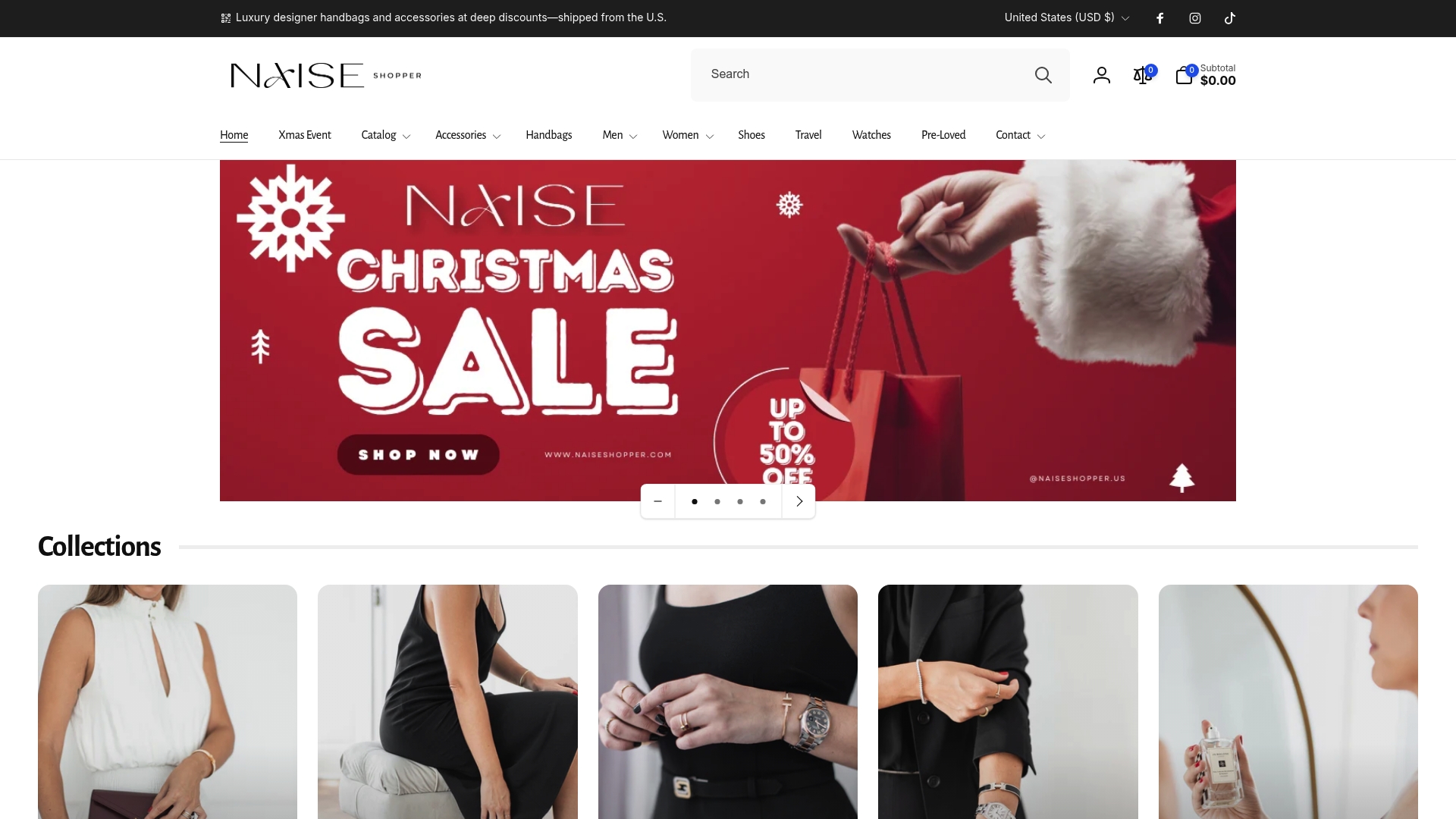
Start your journey with Naise Shopper to access authentic, discounted designer handbags, shoes, and apparel from legendary brands like Gucci and Chanel. Our personal shopper services guide you through a seamless experience ensuring every piece adds real value to your collection. Don’t wait to invest wisely in luxury you can trust. Explore our curated selections today and enjoy secure international shipping and flexible payment options tailored to your lifestyle.
Frequently Asked Questions
What is a curated luxury collection?
A curated luxury collection is a selection of high-end items intentionally chosen for their exclusivity, craftsmanship, and alignment with a specific aesthetic vision. Each piece in the collection represents its brand’s heritage and storytelling, providing a personalized shopping experience.
How are curated luxury collections assembled?
Curated luxury collections are assembled by establishing clear selection criteria that focus on authenticity, craftsmanship, and relevance to current trends. Curators filter through extensive inventories to select items that meet rigorous quality standards and create cohesive narratives that enhance the overall shopping experience.
What factors should I consider when buying from a curated luxury collection?
When purchasing from a curated luxury collection, consider authenticity verification, the sustainable practices of the brands, and how the piece fits your existing wardrobe. Additionally, evaluate the item’s resale value and whether it genuinely addresses a need or enhances your style.
What types of curated luxury collections exist?
Curated luxury collections can vary widely, including categories such as handbags, jewelry, watches, and ready-to-wear apparel. They can also be categorized by source provenance, seasonal themes, or specific design narratives, allowing collectors to choose based on personal interests and investment goals.