TL;DR:
- Buying luxury handbags online involves significant financial risk due to counterfeit sophistication and limited inspection options. A thorough checklist—covering leather quality, stitching, hardware, interior markers, and documentation—provides essential protection and verification. Maintaining detailed records and evaluating seller credibility are crucial for safeguarding your investment and ensuring confident, authentic purchases.
Buying a luxury handbag online carries real financial stakes. Counterfeits have grown sophisticated enough to fool casual buyers, and the pressure to act fast on limited inventory makes careful evaluation easy to skip. That’s exactly why a solid luxury bag purchase checklist isn’t optional — it’s your best protection. Authentication and value verification matter especially for online and pre-owned purchases, where you can’t physically examine a bag before committing. This guide walks you through every critical step, from evaluating craftsmanship and building authentication records to vetting sellers and comparing platforms, so you can buy with total confidence.
Table of Contents
- Essential criteria for evaluating luxury handbags online
- Building a detailed authentication evidence package
- Assessing resale value and provenance for investment protection
- Navigating seller vetting and secure payment strategies
- Comparing popular online luxury handbag platforms
- Why assembling your own purchase checklist beats relying solely on platform guarantees
- Explore authentic luxury footwear and accessories at NaiseShopper
- Frequently asked questions
Key Takeaways
| Point | Details |
|---|---|
| Start with craftsmanship | Assess leather, stitching, edges, and hardware quality first to gauge bag authenticity. |
| Build proof package | Document listings, communications, and policies before buying to support authentication disputes. |
| Check provenance | Gather receipts and certificates as they increase resale value and buyer confidence. |
| Vet sellers and payments | Choose trusted sellers with return policies and use payment methods with buyer protection. |
| Use platforms wisely | Compare authentication methods and fees to pick the best online luxury handbag source. |
Essential criteria for evaluating luxury handbags online
Your luxury bag purchase checklist starts with the physical details. Before you get caught up in a great price or a beautiful listing photo, you need to evaluate the bag itself across several non-negotiable quality markers.
Leather quality comes first. Full-grain leather, the highest grade, retains the natural surface of the hide and develops a rich patina over time. Top-grain leather is slightly buffed and still excellent for most luxury bags. Anything described vaguely as “genuine leather” is a red flag — that term technically refers to the lowest quality split leather. In listing photos, look for consistent grain texture, natural variations, and clean surface finishing with no peeling or flaking edges.
Stitching tells the real story. Quality designer bags use saddle stitching or machine stitching with precise, even spacing. You’re looking for consistent thread color, tight tension, and reinforced stitching at stress points like handle bases, strap attachments, and zipper ends. Uneven stitch spacing, loose threads, or color bleeding near seams are immediate disqualifiers.
Hardware should feel intentional. Zippers, clasps, buckles, and feet should look weighty, sit flush, and operate smoothly. Plated hardware on authentic bags holds its finish and won’t show bare metal through worn patches. Lightweight, shaky, or asymmetrically placed hardware almost always signals a counterfeit.
Interior authentication markers are essential. The authenticity checklist for bags should always include interior serial numbers, date codes, and brand stamps. Chanel uses holographic stickers with matching authenticity cards. Louis Vuitton stamps date codes directly into the lining. Gucci, Prada, and Bottega Veneta each have specific interior branding conventions. If a seller can’t provide clear, close-up photos of these markers, that’s a problem.
Here’s a quick reference for your evaluation checklist:
- Full-grain or top-grain leather with consistent natural texture
- Even stitching with no skipped stitches or loose threads
- Clean, sealed edges with no roughness or delamination
- Substantial, flush-fitting hardware that operates without stiffness
- Visible brand-specific interior stamps, date codes, or serial numbers
- Accurate font, logo placement, and lining quality matching the brand’s standards
Pro Tip: Google the specific bag’s serial number format before buying. Brands like Gucci, Chanel, and Prada use distinct numbering systems that are well-documented. A serial number in the wrong format or location is one of the clearest counterfeit indicators available to buyers.
Building a detailed authentication evidence package
Even the most discerning buyer benefits from strong documentation. Think of your evidence package as your insurance policy against a bad purchase. A complete luxury item authentication checklist isn’t just about verifying the bag — it’s about protecting yourself if something goes wrong after delivery.
Follow these steps before and immediately after your purchase:
- Screenshot all listing images before completing your order. Sellers can alter or delete listings after a sale, and those original photos become critical evidence if you need to dispute authenticity.
- Save all seller communications in a dedicated folder. This includes pre-sale questions, any descriptions or promises made about condition and authenticity, and confirmation messages.
- Record your payment confirmation and order receipt immediately. Include the date, total amount, platform, and any order identification numbers.
- Note the platform’s dispute and return window. Most reputable platforms allow buyers to contact authentication services within 30 days of delivery. Waiting beyond that window can void your dispute rights entirely.
- Request additional photos if authentication markers aren’t visible. Specifically ask for close-ups of interior stamps, serial numbers, hardware closures, and stitching at stress points. A legitimate seller will respond quickly and completely.
- Maintain organized digital records. Use cloud storage labeled by purchase date and bag name. If a dispute arises, having everything organized and timestamped is far stronger than scrambling to find screenshots.
Your luxury handbag purchase guide and luxury handbag authentication process documentation work together as a complete protection system.
Pro Tip: If a seller sends you extra photos voluntarily without being asked, that’s genuinely reassuring. Sellers confident in their product’s authenticity welcome scrutiny. Hesitation or deflection when you request close-up authentication photos should stop the transaction immediately.
Assessing resale value and provenance for investment protection
A strong designer handbag buying checklist accounts for more than the purchase itself. It accounts for what happens if you ever want to sell. The secondhand luxury market reached approximately €50 billion in 2025 and continues growing 4 to 6 percent annually, meaning the bag you buy today has real future value — if you protect it correctly.

Provenance documentation, meaning original receipts, certificates of authenticity, microchip records, and original packaging, can meaningfully increase your resale payout and buyer confidence. Understanding designer bag provenance is not just for collectors — it’s practical financial sense for anyone treating a luxury purchase as an asset.
Your resale pricing should factor authentication status, condition grading (mint, excellent, good, fair), and comparable recent sales on the platform you plan to use. Below is a comparison of your main resale options:
| Resale route | Pros | Cons | Typical fees | Payout speed |
|---|---|---|---|---|
| Direct buyout | Fast, certain payout | Lower offers | 0% (buyer quotes) | Immediate |
| Consignment | Higher potential payout | Slower, uncertain | 20 to 40% commission | 30 to 90 days |
| Peer-to-peer | Full control over price | More work, scam risk | 5 to 15% platform fee | Variable |
| Auction | Competitive bidding can exceed estimates | Unpredictable, fees high | 15 to 25% | 2 to 4 weeks |
When you’re ready to buy, use this designer bag investment checklist to evaluate your purchase from both a style and long-term value perspective. Bags with full provenance documentation consistently fetch 15 to 30 percent more at resale than identical bags without paperwork.
Navigating seller vetting and secure payment strategies
The seller matters as much as the bag. Even a legitimate item can become a costly mistake if the transaction isn’t structured correctly. Your luxury item purchasing checklist must include a thorough seller evaluation before any money changes hands.
Use these tips to spot counterfeit luxury goods and vet every seller against these criteria:
- Business registration and history. Established sellers with verifiable years of operation and a track record of positive reviews are far lower risk than new accounts with little history.
- Authentication guarantees in writing. Reputable sellers state their authentication process clearly and stand behind it with a return policy that favors the buyer.
- Clear return and dispute policies. Know exactly how many days you have post-delivery to raise a concern and what evidence is required.
- Payment method red flags. Wire transfers, cryptocurrency, and Zelle are essentially untraceable and offer zero buyer protection. Credit cards and established platform payment systems include chargeback rights if a dispute arises.
- Communication quality. Sellers who are slow to respond, evasive about authentication specifics, or reluctant to share additional photos are showing you exactly how a dispute will go. Authentic sellers provide authentication guarantees, clear return windows, and responsive communication.
Never rush a luxury purchase because of “limited availability” pressure. That sense of urgency is one of the most common manipulation tactics used by fraudulent sellers. A legitimate bag will still be a good purchase after 24 hours of proper vetting.
Comparing popular online luxury handbag platforms
Not all platforms are built equally. For a complete luxury shopping experience checklist, you need to know where the best buyer protections actually live. Here’s how the major platform types compare:
| Platform type | Authentication method | Typical return window | Buyer protection | Fee structure |
|---|---|---|---|---|
| Dedicated luxury resale | Expert reviewers + AI tools (e.g., Entrupy) | 14 to 30 days | Strong, structured | Buyer premium: 0 to 10% |
| General marketplace with guarantee | Platform-managed authentication | 3 to 5 days | Moderate | Platform fee: 5 to 15% |
| Auction houses | Expert appraisal | Pre-sale only | Limited post-sale | Buyer’s premium: 20 to 25% |
| Private seller marketplaces | Buyer-managed verification | Negotiated | Low | Listing fee: 5 to 10% |
Digital and AI-supported authentication tools build platform trust in a €50 billion-plus secondhand luxury market, but no tool is infallible. Knowing how to shop luxury accessories online safely starts with understanding which platforms invest in rigorous buyer protection structures.
When choosing a platform, also consider:
- Average pricing for the specific bag you want (platforms vary significantly)
- Whether authentication is done in-house or outsourced
- Dispute resolution reputation among buyers, not just sellers
- Shipping insurance and condition-on-arrival guarantees
Pro Tip: Use the platform’s buyer guarantee documentation before you purchase — not after. Understanding what’s covered and what isn’t takes five minutes and can save you thousands. Reference the step-by-step guide for buying designer bags to map these platform considerations onto your full purchase process.
Why assembling your own purchase checklist beats relying solely on platform guarantees
Here’s a perspective most buyers don’t consider until after a bad experience: platform authentication guarantees are risk-mitigation tools, not foolproof certifications. They exist to protect the platform’s reputation as much as yours.
AI tools like Entrupy can identify thousands of known counterfeit patterns with impressive accuracy. But counterfeiting operations evolve. New fakes are produced continuously, and the most sophisticated ones are designed specifically to pass current detection methods. Even with advanced authentication tools, buyers bear responsibility to verify craftsmanship and maintain documentation to avoid costly mistakes.
The craftsmanship details that reveal a counterfeit — inconsistent stitching tension, imprecise logo fonts, hollow-sounding hardware — are often more apparent to a trained human eye than to a camera-based algorithm. Platforms authenticate efficiently at scale. You authenticate specifically, for the one bag you’re about to carry.
Your own checklist also gives you standing in a dispute. If you’ve documented listing images, seller communications, payment records, and delivery condition photos, you have a case. If you relied entirely on platform assurance and something went wrong, you may find yourself arguing from a much weaker position.
There’s also the question of craftsmanship standards over time. Luxury brands have occasionally experienced quality shifts across production years or factories. A buyer who understands what excellent stitching, leather quality, and hardware finishing actually look like can catch issues that a platform authentication stamp might not address. Use your luxury handbag purchase guide as a living document — update it as you learn more and your collection grows.
The bottom line: platform guarantees are valuable. Use them. But they work best as a layer within your own verification process, not a replacement for it.
Explore authentic luxury footwear and accessories at NaiseShopper
After putting your luxury bag purchase checklist into practice, why stop at handbags? NaiseShopper curates authenticated luxury pieces across every category — and each one meets the same rigorous standards this guide has outlined.
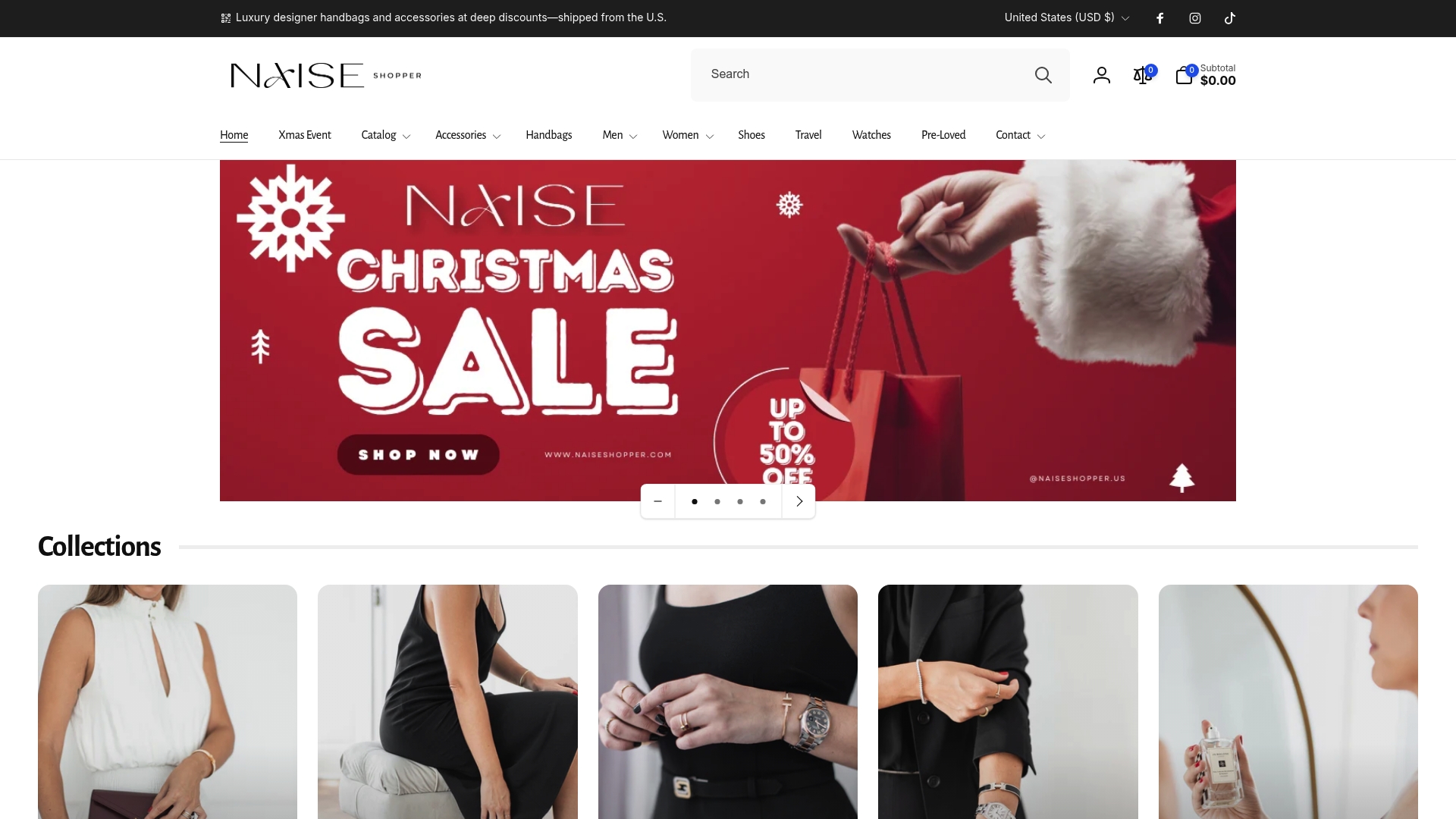
Discover iconic footwear including Prada black leather floral heels and Valentino Garavani beige leather stilettos — both verified authentic and ready to complement any designer bag investment. Elevate your collection further with Versace black leather logo-plaque pumps or complete your luxury look with the Gucci G-Timeless watch. Every piece on NaiseShopper comes with secure payment options, international shipping, and the confidence that what you see is exactly what you receive.
Frequently asked questions
What is the most important factor when buying a luxury bag online?
Verifying authenticity through detailed inspection of craftsmanship markers and documentation is the most critical step, since authentication and value verification matter especially for online and pre-owned purchases where physical inspection isn’t possible before buying.
How can I protect myself from scams when purchasing luxury handbags online?
Vet every seller’s credentials and return policies, use payment methods that include chargeback rights, and keep complete records of all transaction communications and photos. Authentic sellers provide authentication guarantees, clear return windows, and transparent responses to buyer questions.
Why is provenance documentation important for luxury handbags?
Provenance documents like original receipts, certificates of authenticity, and original packaging increase buyer confidence and significantly influence your resale outcome. Proof of authenticity and provenance directly affect resale payout and how quickly your bag sells in the secondhand luxury market.
How long do I have to dispute an authentication issue after buying a bag online?
Most platforms require buyers to contact authentication or customer service within 30 days of delivery, so act immediately if something seems wrong rather than waiting to see if the issue resolves itself.
Can I rely solely on AI authentication tools when buying luxury bags?
AI tools improve detection accuracy but should always be paired with your own evaluation of craftsmanship details and documentation. Even with advanced authentication tools, buyers carry responsibility to verify quality and maintain records to protect against sophisticated fakes.