TL;DR:
- Luxury buyer protection includes authentication, payment security, and post-purchase safeguards against fraud and theft. Verifying authenticity through certificates, serial numbers, and provenance documentation is essential, especially online. Using multi-factor authentication, insured shipping, and clear return policies helps protect high-value purchases from potential risks.
Luxury buyer protection is defined as the set of authentication, payment security, and post-purchase safeguards that shield affluent consumers from counterfeit goods, fraudulent sellers, and financial loss. The role of luxury buyer protection has grown sharply as sophisticated scams and high-value theft have become more common in both physical and online retail. Platforms like Naiseshopper build these protections directly into the shopping experience, covering everything from provenance documentation to secure international shipping. Understanding what these safeguards look like, and how to verify them, is the single most valuable skill a luxury shopper can develop.
What is the role of luxury buyer protection in authentication?
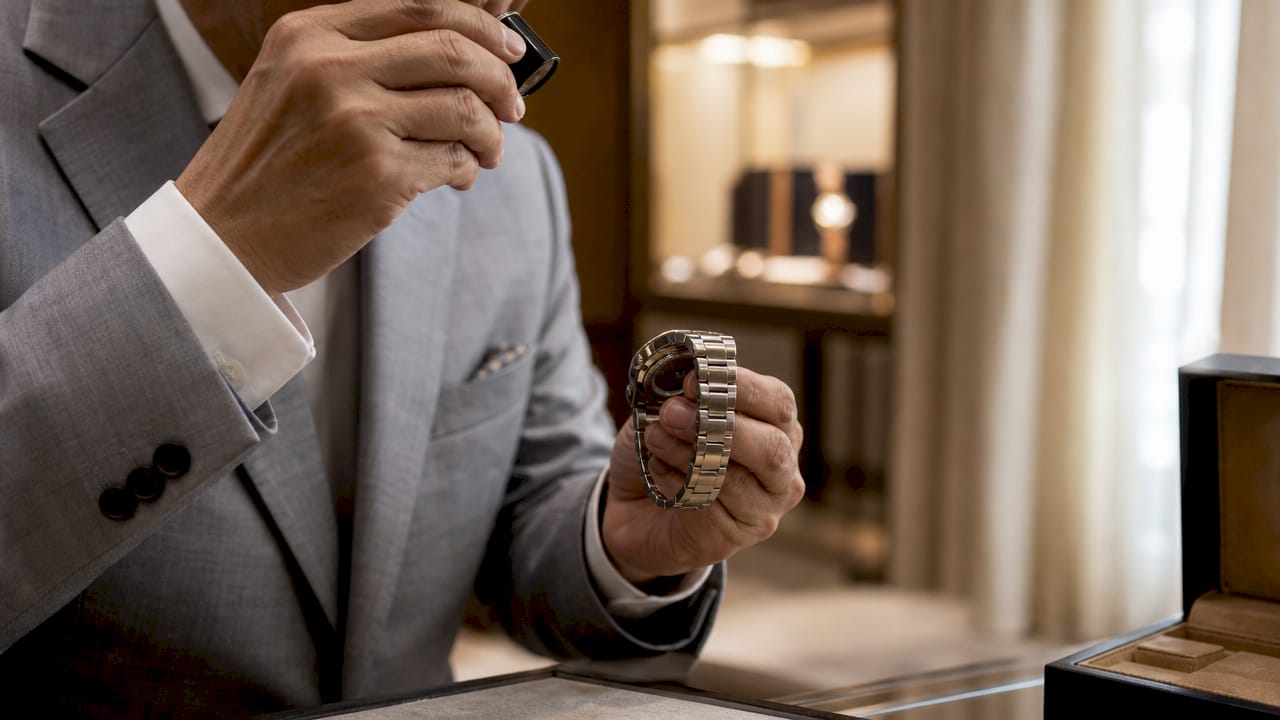
Authentication is the foundation of every credible buyer protection framework. Without it, every other safeguard is secondary. Established luxury retailers invest in authentication, provide documentation of traceable sourcing, and maintain clear return policies to increase buyer security. That combination of paper trail and physical verification is what separates a trustworthy retailer from a fraudulent one.
Common authentication methods
Reputable sellers use multiple layers of verification before a product reaches you:
- Certificates of authenticity: Issued by the brand or an accredited third-party authenticator, these documents confirm origin and production details.
- Serial numbers and date codes: Brands like Chanel, Gucci, and Prada embed unique codes inside bags and on product labels. A mismatched or absent code is an immediate red flag.
- Provenance documentation: Full purchase history, original receipts, and brand packaging confirm a product’s chain of custody.
- Physical inspection markers: Stitching consistency, hardware weight, font precision on logos, and lining quality are all checked during professional authentication.
Digital verification is also advancing fast. Brand registries and emerging blockchain-based provenance records allow buyers to scan a product and confirm its history in seconds. These tools are particularly useful for watches and limited-edition handbags, where counterfeiting is most profitable.
Pro Tip: Always request the full authentication documentation before completing a purchase. If a seller cannot produce a certificate, serial number confirmation, and original packaging, treat the listing as unverified regardless of the price.
When shopping online, spotting counterfeit luxury goods requires knowing exactly which markers to check. The most common red flags include blurry logo fonts, lightweight hardware, and missing date codes inside the product.
What security measures protect you during and after purchase?
Payment security and post-purchase protection are two areas where luxury shoppers frequently underestimate their exposure. Account takeover fraud is a growing threat, and multi-factor authentication on retailer platforms and buyer accounts is the most direct defense against it. Enabling two-factor authentication on every account you use for luxury purchases is non-negotiable.
Here is the security sequence every luxury shopper should follow:
- Use a virtual or single-use card number. Many banks and card issuers now offer virtual card numbers that expire after one transaction. This prevents your real card details from being stored or stolen.
- Verify the payment page is encrypted. Look for HTTPS in the URL, but do not stop there. Domain age and site registration matter more than a padlock icon.
- Enable multi-factor authentication. Set this up on your retailer account, your email, and your banking app before you shop.
- Opt for insured shipping. Luxury items in transit are vulnerable. Shipping insurance covers loss, damage, and theft between dispatch and delivery.
- Monitor your order confirmation email carefully. Post-purchase phishing attacks target order confirmation emails to harvest account credentials. Verify any follow-up email directly through the retailer’s official website, not through links in the email itself.
For buyers purchasing at the highest price points, physical security is also a real consideration. Specialized VVIP secure shopping services, which start at £2,500 per day plus VAT, provide close protection, secure transport, and asset safeguarding in major luxury retail districts. That price point reflects how seriously the industry now treats post-purchase theft as a genuine risk.
How do return and refund policies signal buyer protection quality?
A retailer’s return policy is one of the clearest indicators of its legitimacy. Reputable luxury retailers typically offer a 14 to 30-day return window, with clear instructions on condition requirements and refund timelines. A site that buries its return policy, makes it deliberately vague, or offers no returns at all is a strong signal of fraud.
| Indicator | Legitimate retailer | Suspicious site |
|---|---|---|
| Return window | 14–30 days, clearly stated | Absent, vague, or under 7 days |
| Refund method | Original payment method | Store credit only or no refund |
| Contact information | Phone, email, and address listed | Contact form only or no contact info |
| Return shipping | Prepaid label or clear instructions | Buyer pays with no guidance |
| Policy location | Prominent footer link | Hidden or missing entirely |
Before you purchase, verify the return process by reading the full policy page, not just the summary. Check whether the policy covers authenticated items specifically, and confirm whether the return window starts from the purchase date or the delivery date. That distinction matters when international shipping is involved.
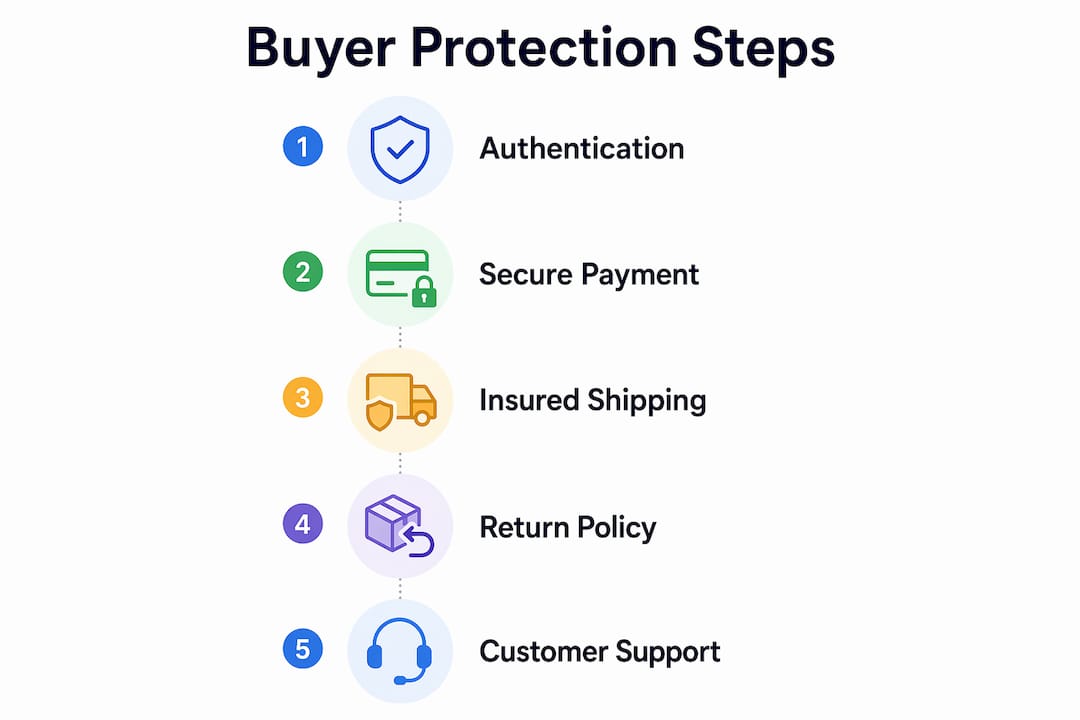
Naiseshopper’s approach to returning luxury fashion items follows a clear, step-by-step process that gives buyers confidence before they commit to a purchase.
How do you verify a luxury website is safe to shop?
Online verification goes well beyond checking for a padlock icon. A padlock only confirms that data is encrypted in transit. It does not confirm the site is legitimate. SSL certificates are widely available to malicious actors, which means a fraudulent site can display the same padlock as a trusted retailer.
The checks that actually matter are:
- Domain age: A site claiming to be an established luxury brand but registered within the last year is suspicious. Use a WHOIS lookup tool to check registration date.
- Corporate registration: Legitimate retailers list a registered company name, business address, and VAT or tax number. Verify these against official government registries.
- Contact information: A real phone number, physical address, and responsive customer service email are baseline requirements.
- Behavioral analytics and AI fraud detection: Leading platforms now use AI-driven tools that analyze user behavior patterns to flag suspicious transactions. AI-driven fraud detection reduces false positives in high-value transactions while improving security without disrupting the buyer experience.
Pro Tip: Run a domain age check on any luxury site you have not purchased from before. If the domain is less than two years old and the site claims to carry Balenciaga, Saint Laurent, or Bottega Veneta at steep discounts, verify corporate registration before entering any payment details.
When buying through marketplace platforms, buyer contracts are typically with third-party sellers, not the platform itself. Platform buyer protection is secondary and usually requires you to exhaust dispute resolution with the seller first. That extra layer of complexity is a reason many affluent shoppers prefer dedicated luxury retailers over general marketplaces.
Practical tips to maximize your high-end buyer safeguards
Protecting luxury purchases requires consistent habits, not just one-time checks. These steps apply whether you are buying a Prada bag, a Valentino heel, or a Gucci watch.
- Use a professional authentication service for secondary market purchases. Third-party authenticators provide an independent certificate that adds resale value and confirms your purchase is genuine.
- Purchase shipping insurance for every high-value order. Standard carrier liability rarely covers the full value of a luxury item. Dedicated shipping insurance fills that gap.
- Keep all documentation. Store your certificate of authenticity, original receipt, brand packaging, and order confirmation in one place. This documentation protects you during returns, resale, and insurance claims.
- Choose retailers with transparent sourcing. Retailers that publish their sourcing practices and authentication process give you a verifiable paper trail. Naiseshopper guarantees authenticity across its full catalog of designer handbags, shoes, and accessories.
- Review your account activity after every purchase. Check for unauthorized login attempts or unfamiliar charges within 48 hours of completing a luxury transaction.
Buyer trust in luxury shopping is built through consistent, transparent practices on both sides of the transaction. Retailers that publish their authentication process and security measures earn repeat business from affluent shoppers who treat purchases as financial investments.
Key Takeaways
Luxury buyer protection is most effective when authentication, payment security, return policies, and online verification work together as a single system rather than isolated steps.
| Point | Details |
|---|---|
| Authentication is non-negotiable | Always request certificates, serial numbers, and provenance documentation before completing any luxury purchase. |
| Return policies signal legitimacy | Reputable retailers offer 14–30 day return windows with clear refund terms; absent policies indicate fraud risk. |
| SSL alone is not enough | Domain age and corporate registration checks provide stronger verification than a padlock icon. |
| Post-purchase security matters | Use virtual card numbers, insured shipping, and monitor accounts within 48 hours of purchase. |
| Marketplace contracts add complexity | Platform buyer protection is secondary; dedicated luxury retailers offer more direct safeguards. |
Why I think buyer protection is now the real luxury
Luxury consumers increasingly view buyer protection as foundational to the shopping experience, not an optional add-on. I have watched this shift happen in real time, and it has changed how I evaluate any retailer before recommending it.
The most telling sign of this shift is how affluent buyers now talk about purchases. Five years ago, the conversation was almost entirely about aesthetics and exclusivity. Now, the first questions I hear are about authentication, return windows, and payment security. Buyers who spend $3,000 on a pair of heels or $8,000 on a handbag are treating those purchases the way they treat financial assets. They want a paper trail, a clear exit strategy if something goes wrong, and a retailer they can hold accountable.
What surprises most shoppers is how much of this protection they have to actively seek out. Retailers do not always volunteer their authentication process or explain their shipping insurance options upfront. The buyers who get the best protection are the ones who ask directly and walk away from any seller who cannot answer clearly.
The future of luxury shopping will be defined by how well retailers integrate these protections into the experience from the first click. Blockchain provenance, AI fraud detection, and VVIP physical security services are not novelties. They are becoming the baseline expectation for anyone spending at the top of the market.
— Camila
Authenticated luxury at Naiseshopper
Naiseshopper is built around one promise: every product is authenticated before it reaches you.
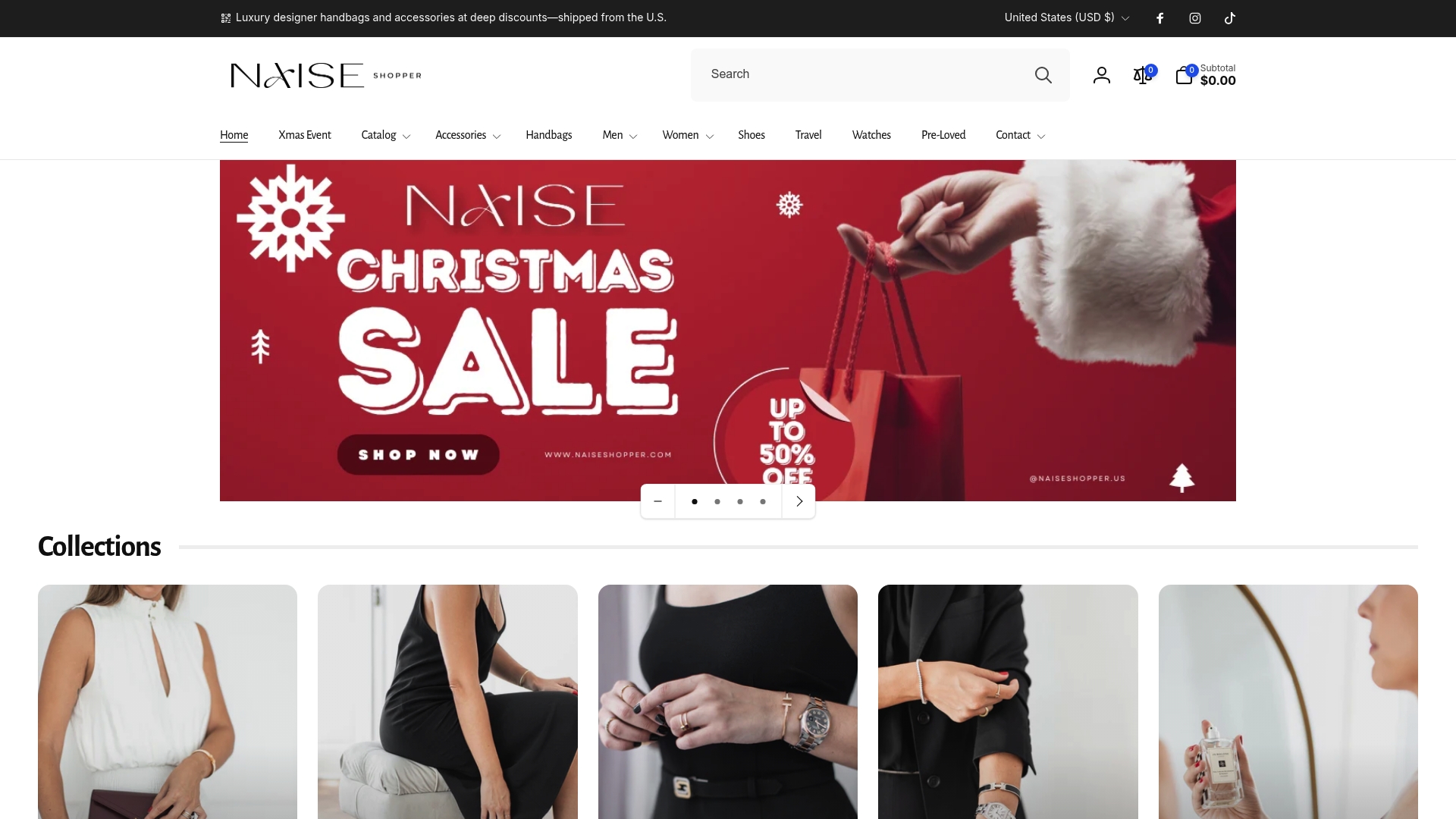
The platform carries curated collections from Gucci, Chanel, Prada, Valentino, Bottega Veneta, Saint Laurent, and Balenciaga, all backed by authenticity guarantees and secure international shipping. Flexible payment methods and shipping insurance are standard, not extras. If you are ready to shop with full confidence, the Prada Black Leather Floral Heels and Valentino Garavani Beige Stiletto Sandals are two standout pieces currently available with complete purchase protection. Every order comes with the documentation and security measures this article covers.
FAQ
What does luxury buyer protection actually cover?
Luxury buyer protection covers authentication verification, secure payment processing, insured shipping, and return or refund rights. The strongest programs also include post-purchase account security and documentation of product provenance.
How do I verify a luxury retailer is legitimate?
Check domain age using a WHOIS tool, confirm corporate registration and contact details, and review the return policy before purchasing. A padlock icon alone does not confirm legitimacy, since SSL certificates are available to fraudulent sites.
What return window should I expect from a reputable luxury retailer?
Reputable luxury retailers offer a 14 to 30-day return window with clear refund terms. Any site that lacks a visible, specific return policy is a fraud risk.
Is buying luxury goods on a marketplace platform safe?
Marketplace platform buyer protection is secondary to the seller contract. If a dispute arises, you typically must resolve it with the seller first before the platform intervenes. Dedicated luxury retailers offer more direct protection.
Why is multi-factor authentication important for luxury shoppers?
Account takeover fraud targets high-value accounts specifically. Multi-factor authentication blocks unauthorized access even when login credentials are compromised, making it a critical safeguard for any account linked to luxury purchases.