TL;DR:
- Fashion curation involves intentionally selecting and arranging fashion items to tell meaningful stories and shape cultural understanding. It emphasizes thematic coherence and visual storytelling that influence public perception and filter market noise. Digital tools like AI now enhance curation by expanding its reach and interpretive depth beyond physical displays.
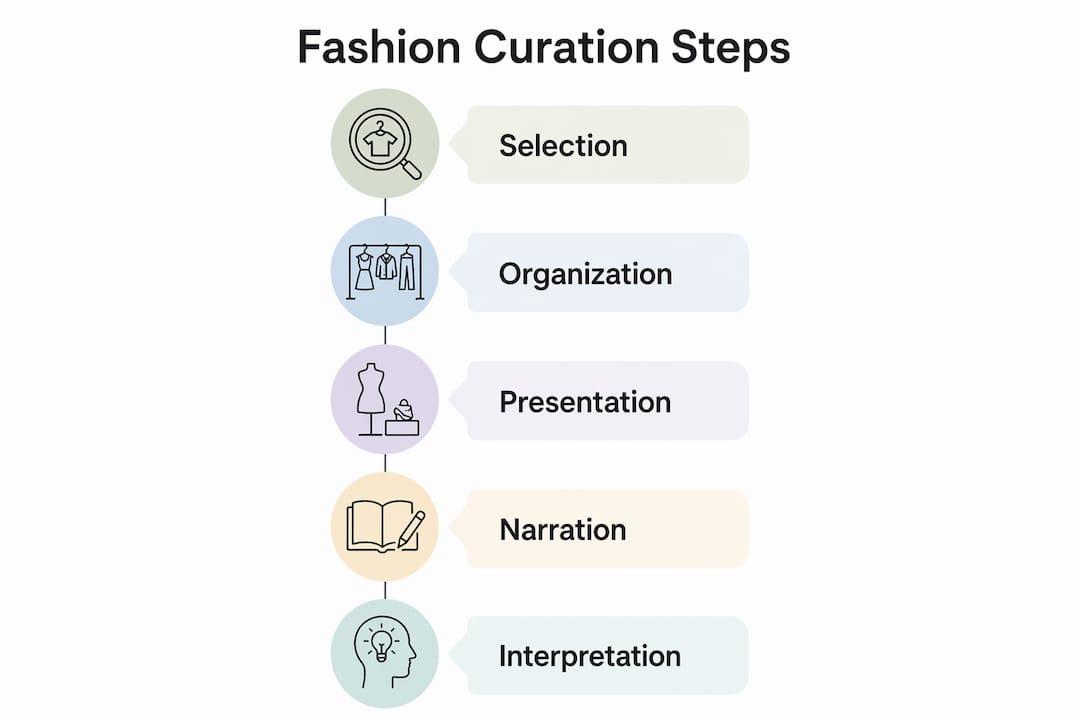
Fashion curation is defined as the deliberate process of selecting, organizing, and presenting fashion items to construct meaningful narratives and shape how audiences experience style and culture. The practice goes far beyond assembling a pretty collection. It blends aesthetic judgment, cultural storytelling, and spatial design into a single, intentional act. Institutions like the Metropolitan Museum of Art’s Costume Institute have made fashion curation a global conversation, proving that clothing carries as much cultural weight as any painting or sculpture. Whether you encounter it in a museum gallery, a luxury boutique, or an online platform, fashion curation is what separates a random assortment of garments from a story worth telling.
What is fashion curation and why does it matter?
Fashion curation is the practice of choosing fashion objects with purpose, then arranging them to communicate ideas, emotions, or cultural meaning. The industry term used by academics and museum professionals is “fashion exhibition curation,” though the broader concept applies equally to retail, editorial, and digital contexts. What makes it distinct is intent. A curator does not simply gather beautiful pieces. A curator decides what those pieces mean together.
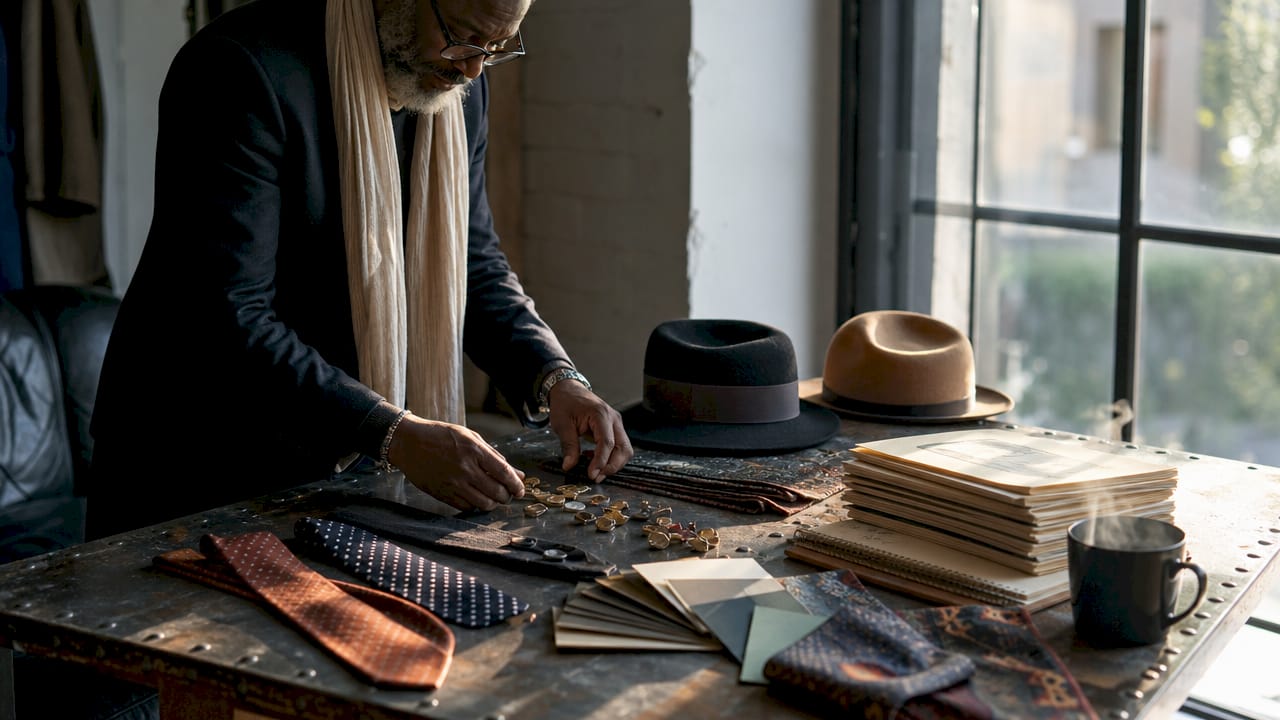
The importance of fashion curation shows up clearly in how it shapes public perception. When the Metropolitan Museum of Art presents a thematic exhibition on Chanel or Balenciaga, it does not organize garments by date alone. It builds a visual argument. That argument influences how millions of people understand a designer’s legacy, a cultural moment, or a craft tradition. The same logic applies when Naiseshopper assembles a curated selection of authenticated Gucci, Prada, or Valentino pieces. The selection itself communicates taste, trust, and value.
Fashion curation also matters because it filters noise. The global fashion market produces an overwhelming volume of product every season. Curation cuts through that volume by applying editorial judgment, so the audience receives only what is relevant, resonant, and worth their attention.
What are the core methods used in fashion curation?
A 2025 study on fashion curation identifies three interrelated models that define professional curatorial practice: Narrative, Staging, and Experience. Each model plays a distinct role, and the strongest exhibitions use all three together.
-
Narrative. The curator builds a thematic or aesthetic storyline rather than a strict chronological timeline. This means a Prada retrospective might open with a single iconic nylon bag from 1984 and then jump to a 2020 runway look that echoes the same minimalist logic. The goal is thematic resonance, not a history lesson.
-
Staging. Spatial design, lighting, and visual composition turn a room into a story. Exhibition prosthetics are the strategic tools curators use here: mannequin positioning, fabric draping, mirror placement, and color-coded walls all shape how a visitor feels before they read a single label. These are not decorative choices. They are narrative decisions.
-
Experience. The audience is not a passive observer. Immersive elements, interactive stations, and sensory design pull visitors into the story. A Saint Laurent retrospective that plays archival runway audio while you walk through the space creates a different emotional register than one that shows the same clothes in silence.
Pro Tip: When visiting a fashion exhibition, pay attention to what is lit most brightly. Curators use light as a hierarchy tool. The brightest object in the room is almost always the argument’s central claim.
These three models work together because fashion curators act as creative, interpretive forces rather than neutral archivists. The decisions they make about what to include, what to exclude, and how to frame each object shape the audience’s emotional and intellectual response.
How is technology transforming fashion curation?
Digital tools have moved from background support to active participants in the curatorial process. Generative AI tools now operate as digital props, allowing curators and audiences to explore fashion archives in ways that physical display cannot support. An AI can surface connections between a 1960s Courrèges space-age silhouette and a 2024 Balenciaga bodysuit that a human researcher might take weeks to find.
The key technologies reshaping fashion curation today include:
- Virtual tours and 3D walkthroughs that make museum-quality exhibitions accessible to global audiences without a flight to Paris or New York
- AI image and text generation that creates new interpretive layers around archival garments, adding context and visual association
- Augmented reality overlays that let visitors see how a garment moved on the original runway while standing in front of the static display
- Digital archives that curators can search, tag, and cross-reference in real time, making thematic connections faster and more precise
“Technology in fashion curation is no longer a supplement to the physical experience. It is an active narrative agent. Digital tools extend the story beyond the gallery walls, creating new entry points for audiences who might never set foot in a museum.” — Fashion Curation in Dialogue, Frontiers in European Journal of Cultural Management and Policy, 2025
The concept of “digital props” mirrors the physical exhibition prosthetics described earlier. Both serve the same purpose: to mediate between the fashion object and the audience’s understanding of it. The difference is scale. A digital prop can reach millions of people simultaneously. That reach changes what fashion curation can accomplish culturally.
How does fashion curation differ from design and styling?
Fashion curation is often confused with fashion design, styling, and consulting. The roles overlap in some areas, but their goals and outputs are fundamentally different.
| Role | Primary goal | Key output |
|---|---|---|
| Fashion curator | Select and narrate | Thematic collection or exhibition |
| Fashion designer | Create new garments | Original clothing or accessories |
| Fashion stylist | Dress individuals or shoots | A polished personal or editorial look |
| Fashion historian | Document and analyze | Academic research and provenance records |
| Fashion consultant | Advise on trends or brand direction | Strategic recommendations |
Fashion curators prioritize storytelling and thematic coherence, while historians focus on provenance and documentary accuracy. A designer’s job is to make something new. A curator’s job is to make something existing mean something new. A stylist works in service of a person or a photograph. A curator works in service of an idea.
The distinction matters in practice. When Bottega Veneta releases a new intrecciato weave bag, the designer created it. When a museum places that bag in an exhibition about Italian craft traditions, the curator gave it cultural context. When a luxury platform like Naiseshopper selects that bag for a curated collection of authenticated Italian leather goods, the curation creates a shopping experience built around meaning, not just product availability.
How does fashion curation shape shopping and trends today?
Fashion curation has moved decisively into retail, and its impact on how people shop for luxury goods is significant. Curated luxury platforms build trust by offering verified provenance and values-driven selections, directly addressing the decision fatigue that comes with browsing thousands of undifferentiated products.
The shift reflects a broader change in consumer behavior:
- Shoppers increasingly want to know where a piece comes from, who made it, and why it was selected for them
- Curated collections signal editorial judgment, which functions as a quality filter in markets flooded with product
- Human-led curation offers nuance that algorithmic recommendations cannot replicate, because a human curator understands cultural context, not just purchase history
- Values-driven consumerism pushes buyers toward platforms that can articulate why a piece matters, not just what it costs
- Emerging designers gain visibility through curated platforms that place their work alongside established names with clear thematic logic
Pro Tip: When shopping a curated luxury collection online, read the editorial notes alongside the product descriptions. Those notes reveal the curatorial logic and help you assess whether the selection aligns with your own aesthetic values.
Curated fashion platforms transform shopping into a trust-based experience by filtering quality and relevance rather than maximizing volume. That is the retail equivalent of the museum curator’s most important skill: knowing what to leave out. The best curated collections feel edited, not exhaustive. They give you confidence that everything present earned its place.
The connection between provenance and authenticity is especially powerful in luxury retail. A curated selection of authenticated Chanel or Gucci pieces carries more weight than a generic search result because the curation itself is a form of verification.
Key Takeaways
Fashion curation is the practice of selecting and arranging fashion objects with deliberate intent to create narrative, meaning, and audience connection across museum, retail, and digital contexts.
| Point | Details |
|---|---|
| Core definition | Fashion curation selects and arranges garments to tell stories, not just display products. |
| Three curatorial models | Narrative, Staging, and Experience work together to shape audience perception and emotion. |
| Technology’s role | Digital tools like AI and virtual tours act as active narrative agents, not passive supplements. |
| Curation vs. other roles | Curators differ from designers, stylists, and historians by prioritizing thematic storytelling over creation or documentation. |
| Retail impact | Curated luxury platforms reduce decision fatigue and build trust through verified provenance and editorial judgment. |
Fashion curation is the most underrated creative discipline in the industry
I have spent years watching fashion professionals debate who deserves the most credit in the industry. Designers get the covers. Stylists get the Instagram tags. Curators get the footnotes. That hierarchy is wrong, and the evidence is everywhere.
The most culturally significant fashion moments of the past two decades have been curatorial, not design, events. When the Metropolitan Museum of Art staged “China: Through the Looking Glass” in 2015, it generated more public conversation about fashion’s relationship to culture than any single runway season. The curator made that happen. The garments were already made. The meaning was constructed.
What I find most exciting about fashion curation right now is the tension between technology and human judgment. AI can surface connections across archives at a speed no human can match. But AI cannot decide whether a connection is worth making. That decision requires cultural knowledge, aesthetic sensitivity, and an understanding of what an audience needs to feel, not just see. The curator’s role is not threatened by technology. It is amplified by it.
The future of fashion curation belongs to practitioners who treat thematic coherence as their primary discipline. Chronology is a crutch. The strongest curatorial arguments cut across time, geography, and genre to reveal something true about how humans use clothing to construct identity. That is the work. And it is more relevant now than it has ever been.
— Camila
Curated luxury at Naiseshopper: where curation meets authenticity
Naiseshopper applies the same editorial logic that defines great fashion curation to its authenticated luxury collections. Every piece on the platform is selected for quality, provenance, and design integrity, not just availability.
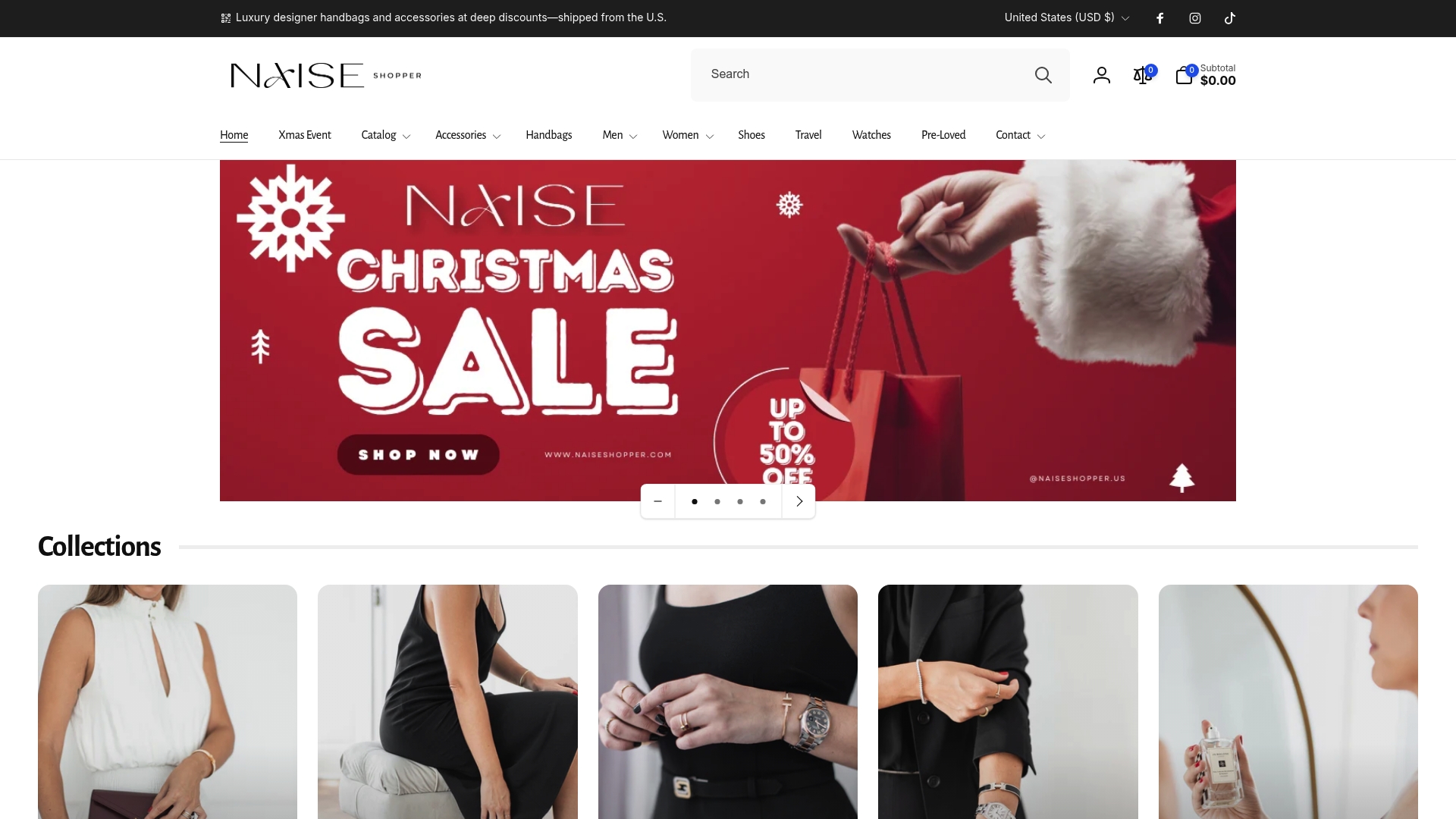
The Gucci G-Timeless Quartz Black Watch 38mm is a strong example of curated luxury done right. It represents Gucci’s commitment to clean design and Swiss movement precision, and it sits within a broader selection of authenticated timepieces chosen for their lasting relevance. Naiseshopper’s curated luxury collections span Chanel, Prada, Valentino, Bottega Veneta, Saint Laurent, and Balenciaga, each piece verified for authenticity and selected with the same thematic care that defines the best fashion curation. If you want to shop with confidence, the editorial judgment is already built in.
FAQ
What is the fashion curation definition in simple terms?
Fashion curation is the deliberate selection and arrangement of clothing or accessories to tell a story or communicate a cultural idea. It applies in museums, retail, editorial, and digital contexts.
How does luxury fashion curation differ from regular retail?
Luxury fashion curation filters products by provenance, design quality, and thematic relevance rather than volume. Curated luxury platforms build trust by verifying authenticity and applying editorial judgment to every selection.
What skills does a fashion curator need?
A fashion curator needs aesthetic judgment, cultural knowledge, and the ability to construct thematic narratives. They also need research skills to assess provenance and the communication skills to translate complex ideas into accessible visual experiences.
How is technology changing the fashion curation process?
Digital tools like AI now act as active narrative agents in fashion curation, enabling curators to surface archival connections, create immersive virtual exhibitions, and reach global audiences beyond physical gallery walls.
Why is fashion curation important for consumers today?
Fashion curation reduces decision fatigue by filtering products through editorial judgment and verified provenance. It transforms shopping from a volume exercise into a values-aligned experience built on trust and meaning.