Feeling confident about shopping pre-owned luxury can be tough, especially when you want both authenticity and smart savings. The global shift toward authenticated luxury resale is reshaping access to designer fashion, making premium brands more affordable without sacrificing trust or exclusivity. This guide breaks down the essentials of luxury resale, from core principles and platform types to transparency in authentication and the real sustainability impact, giving you the tools to shop with assurance and style across international markets.
Table of Contents
- Defining Luxury Resale and Core Principles
- Types of Luxury Resale Platforms and Goods
- How Authentication and Pricing Work
- Sustainability, Affordability, and Access
- Risks, Challenges, and How to Avoid Scams
Key Takeaways
| Point | Details |
|---|---|
| Luxury Resale Principles | Key principles include authentication, accessibility, sustainability, and technological innovation that differentiate luxury resale from traditional retail. |
| Market Evolution | Younger generations drive the transformation in luxury consumption, prioritizing ethical practices and sustainable choices over traditional ownership. |
| Platform Types | Various luxury resale platform models exist, such as peer-to-peer marketplaces and brand-integrated resale services, each with unique advantages for buyers and sellers. |
| Consumer Protection | To protect against scams, consumers should research platform credibility and authentication processes, and always request detailed condition reports before purchases. |
Defining Luxury Resale and Core Principles
Luxury resale represents a dynamic marketplace where pre-owned designer items are bought and sold, transforming traditional luxury consumption models. This emerging sector goes beyond simple secondhand transactions, redefining consumer engagement with high-end fashion through innovative digital platforms and sustainability-driven approaches.
At its core, luxury resale operates on several fundamental principles that distinguish it from traditional retail:
- Authentication: Rigorous verification processes ensuring product genuineness
- Accessibility: Making luxury more attainable through price-conscious options
- Sustainability: Extending product lifecycles and reducing fashion waste
- Technological Innovation: Leveraging digital tools for transparent transactions
The market’s evolution reflects profound shifts in consumer behavior. Younger generations particularly are driving this transformation, valuing experiences and ethical consumption over traditional ownership models. They seek not just products, but meaningful connections with brands that align with their personal values of sustainability and individual expression.
Consumers now view luxury resale as more than a cost-saving strategy—it’s a deliberate lifestyle choice. By participating in this ecosystem, shoppers contribute to circular fashion economies while accessing premium products that might otherwise remain out of reach. These platforms democratize luxury, breaking down traditional barriers of exclusivity.
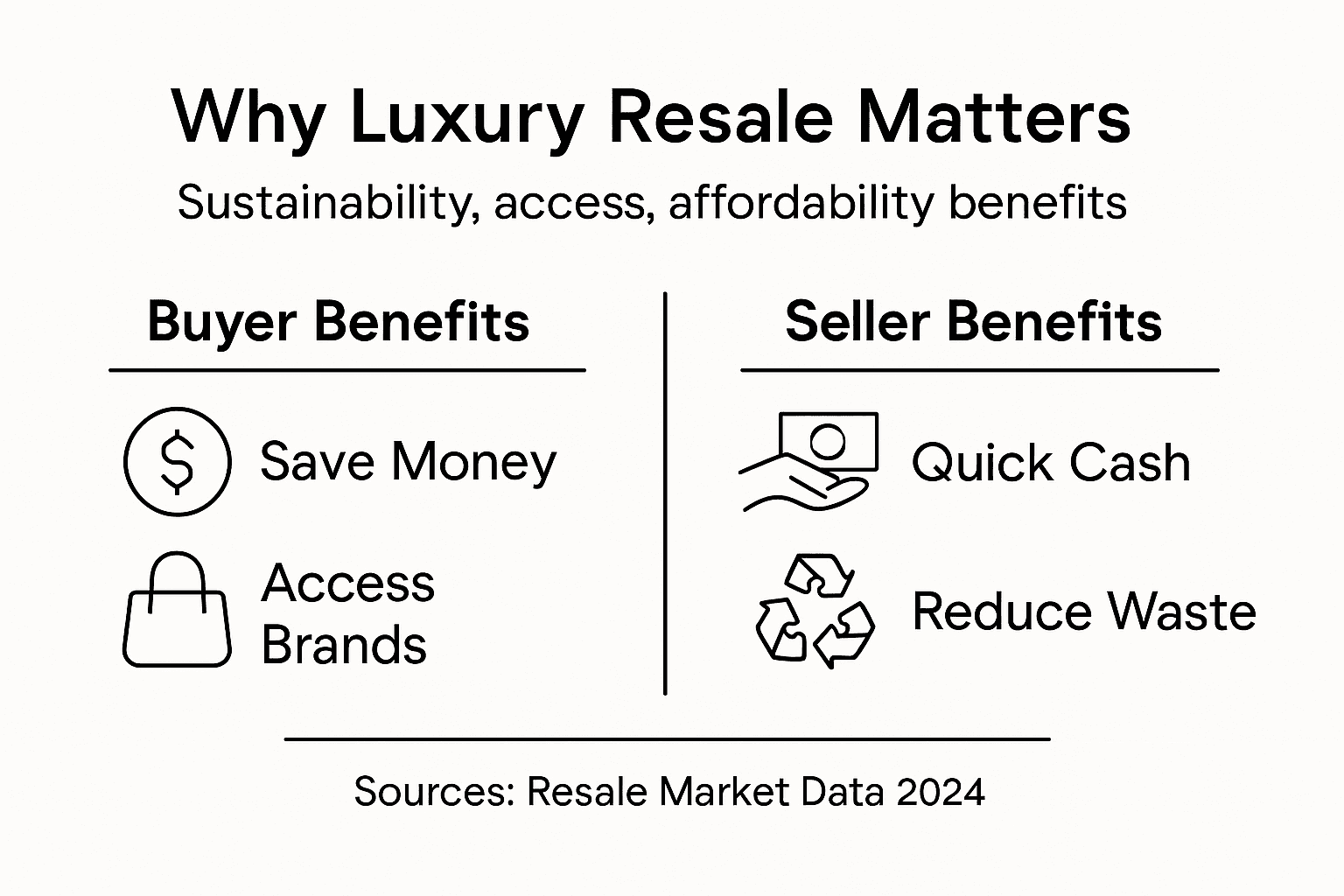
Pro tip: Always verify the authentication credentials and return policies of luxury resale platforms before making a purchase.
Types of Luxury Resale Platforms and Goods
Luxury resale platforms have evolved into sophisticated ecosystems with diverse operational models, categorizing online marketplace strategies that cater to different consumer preferences and purchasing behaviors.
The primary types of luxury resale platforms include:
- Peer-to-Peer Marketplaces: Direct consumer-to-consumer transactions
- Curated Consignment Platforms: Professional screening and authentication services
- Brand-Integrated Resale Services: Direct brand-managed secondhand marketplaces
- Hybrid Rental-Resale Models: Offering both rental and permanent purchase options
These platforms specialize in various luxury goods categories, ranging from high-end designer clothing and accessories to limited-edition collectibles. Each platform differentiates itself through unique authentication processes, inventory management techniques, and targeted demographic approaches.
The global luxury resale market has witnessed significant transformation, with platforms developing sophisticated technological infrastructure to build consumer trust. Advanced verification systems, detailed product grading, and transparent condition reporting have become standard practices that distinguish reputable resale platforms from traditional secondhand markets.
Here’s a comparison of major luxury resale platform models and their distinct business advantages:
| Platform Model | Buyer Experience | Seller Experience | Unique Market Advantage |
|---|---|---|---|
| Peer-to-Peer Marketplaces | Direct negotiation, lower prices | Quick listing, flexible pricing | Fast transactions, diverse inventory |
| Curated Consignment | Professionally authenticated items | Hassle-free drop-off, expert pricing | Trusted brand, higher buyer confidence |
| Brand-Integrated Resale | Consistent brand standards | Official trade-in or sales programs | Enhanced loyalty, predictable quality |
| Hybrid Rental-Resale | Option to rent or buy premium goods | Two revenue streams per item | Expands access, boosts platform traffic |
Pro tip: Research a platform’s authentication process and return policy before making any luxury resale purchases.
How Authentication and Pricing Work
Luxury resale platforms have developed sophisticated mechanisms to ensure product authenticity and establish fair market pricing. Advanced technological authentication methods have revolutionized how pre-owned luxury items are evaluated and priced in the global marketplace.
The authentication process typically involves multiple critical steps:
- Expert Visual Inspection: Trained professionals examine physical characteristics
- Technological Verification: AI and blockchain technologies cross-reference item details
- Provenance Documentation: Tracking original purchase records and item history
- Condition Grading: Detailed assessment of wear, damage, and overall item quality
Pricing in luxury resale is a complex algorithm that considers numerous factors beyond simple condition assessment. Platforms use dynamic pricing models that analyze brand reputation, current market demand, item rarity, and specific condition details to determine an item’s resale value. This approach ensures both sellers and buyers receive fair market pricing that reflects the item’s true worth.

Technological innovations have transformed authentication from a subjective process to a data-driven science. Machine learning algorithms now help platforms detect counterfeits with unprecedented accuracy, utilizing advanced image recognition, material analysis, and comparative databases to validate luxury goods with remarkable precision.
Pro tip: Request a comprehensive authentication report and condition breakdown before finalizing any luxury resale purchase.
Sustainability, Affordability, and Access
Luxury resale has emerged as a powerful mechanism for democratizing high-end fashion while simultaneously addressing critical environmental concerns. Sustainable consumption strategies have transformed how younger generations approach luxury purchasing, creating new economic and ecological paradigms.
Key dimensions of sustainability and accessibility in luxury resale include:
- Extended Product Lifecycle: Reducing waste by giving designer items multiple owners
- Economic Inclusivity: Making luxury more affordable for diverse income groups
- Environmental Impact: Decreasing demand for new production and minimizing fashion’s carbon footprint
- Democratized Access: Breaking traditional luxury consumption barriers
The economic model of luxury resale fundamentally challenges traditional retail approaches by creating value through circular consumption. By enabling consumers to purchase pre-owned items at significantly reduced prices, these platforms make designer goods accessible to demographics that previously could not afford them, while simultaneously promoting responsible consumer behavior.
Moreover, luxury resale platforms are reshaping consumer expectations by positioning sustainability as a core value. Young buyers increasingly view purchasing secondhand luxury items not just as a financial decision, but as an ethical choice that aligns with broader environmental and social responsibility goals. This shift represents a profound transformation in how luxury is perceived and consumed across global markets.
The following table summarizes key consumer benefits of choosing luxury resale over traditional retail:
| Benefit | Resale Market Impact | Traditional Retail Impact |
|---|---|---|
| Affordability | Greater access to designer goods | Limited to high-income buyers |
| Sustainability | Encourages circular consumption | Drives new production, more waste |
| Variety | Wider selection across seasons | Restricted to current inventory |
| Transparency | Detailed condition and provenance | Limited background on items |
Pro tip: Compare the environmental impact and cost savings of purchasing pre-owned luxury items versus buying new.
Risks, Challenges, and How to Avoid Scams
The luxury resale market presents complex challenges for consumers, with potential risks ranging from counterfeit products to misleading descriptions. Online luxury platform consumer experiences underscore the critical importance of vigilant purchasing strategies.
Key risks in luxury resale include:
- Counterfeit Products: Sophisticated fake designer items flooding markets
- Misrepresented Condition: Inaccurate or misleading item descriptions
- Pricing Manipulation: Artificially inflated or deceptive pricing strategies
- Limited Authentication: Inconsistent verification processes across platforms
To protect yourself, consumers must develop sophisticated strategies for navigating the luxury resale landscape. This involves carefully evaluating platform credibility, understanding detailed authentication processes, and recognizing red flags in product listings. Reputable platforms invest heavily in technological verification methods, including advanced image recognition, blockchain tracking, and expert manual inspections.
The most effective defense against luxury resale scams involves a combination of research, skepticism, and strategic purchasing. Buyers should prioritize platforms with transparent authentication processes, comprehensive return policies, and verifiable seller histories. Comparing prices across multiple platforms, requesting detailed condition reports, and understanding market value can significantly reduce the risk of fraudulent transactions.
Pro tip: Always request comprehensive authentication documentation and high-resolution images from multiple angles before finalizing any luxury resale purchase.
Discover Authentic Luxury Resale with Confidence at Naise Shopper
The rise of luxury resale has changed how consumers access designer products, offering affordability without compromising authenticity or quality. If you are concerned about the risks of counterfeit goods, complex pricing, or uncertain authentication processes discussed in this article, Naise Shopper provides a trustworthy solution. We specialize in fully authenticated luxury handbags, shoes, apparel, watches, and accessories from top brands like Gucci, Chanel, and Prada. Our platform guarantees genuine designer items with transparent pricing and detailed condition descriptions so you can shop confidently.
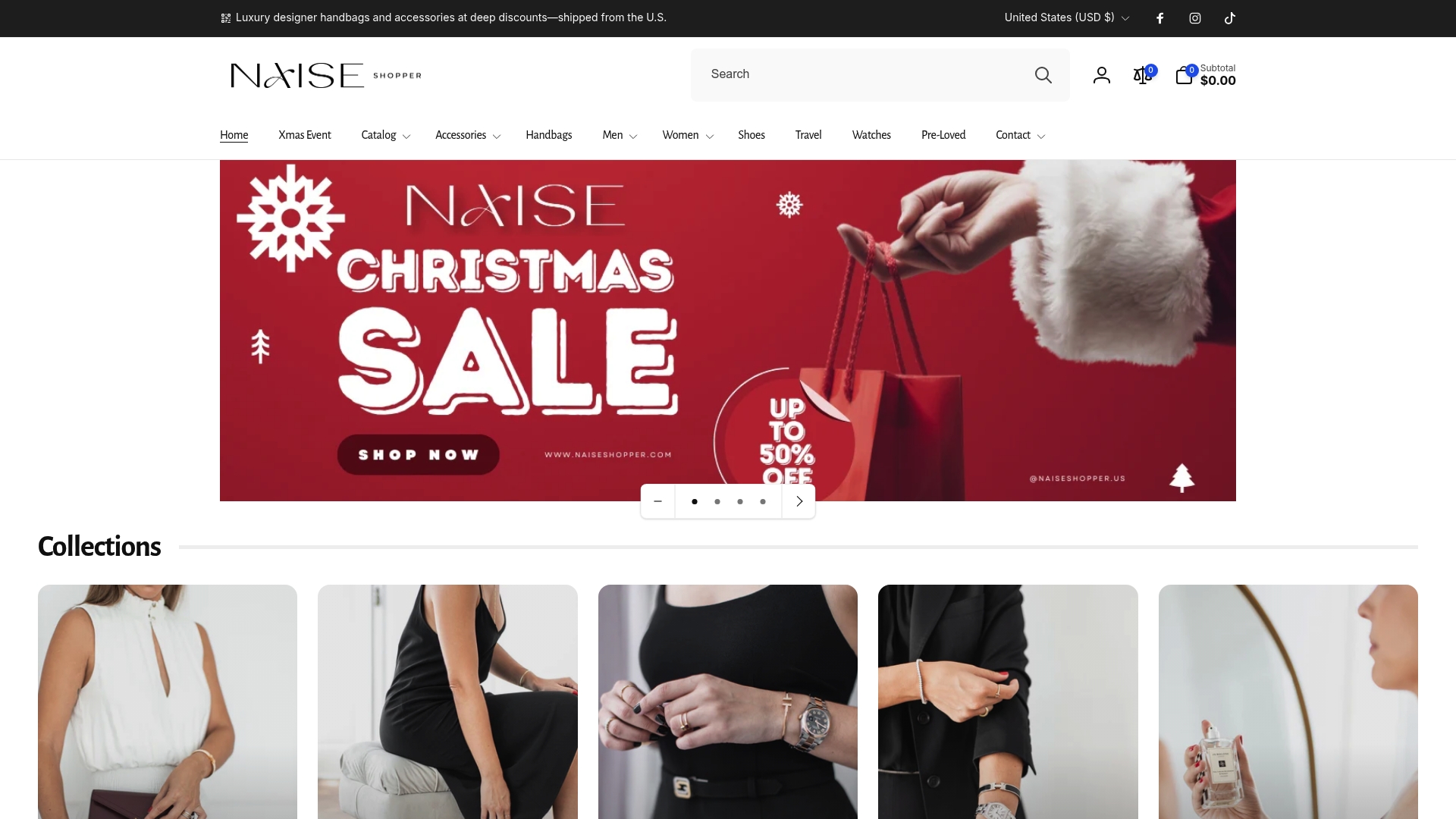
Experience luxury resale the smart way by exploring the curated collections at Naise Shopper. Benefit from deep discounts, international secure shipping, and flexible payment options designed to give you access to premium fashion without compromise. Take advantage of our personal shopper services for expert assistance and seize seasonal promotions to elevate your wardrobe today. Visit Naise Shopper now and make authentic luxury resale part of your responsible and stylish lifestyle.
Frequently Asked Questions
What is luxury resale?
Luxury resale refers to the buying and selling of pre-owned designer items in a marketplace that emphasizes authenticity, sustainability, and accessibility.
How does authentication work in luxury resale?
Authentication involves expert visual inspections, technological verification methods, provenance documentation, and condition grading to ensure that luxury items are genuine and accurately represented.
Why is luxury resale important for sustainability?
Luxury resale promotes environmental sustainability by extending the lifecycle of designer goods, reducing fashion waste, and encouraging circular consumption, thus lessening the demand for new production.
What are the main types of luxury resale platforms?
The main types of luxury resale platforms include peer-to-peer marketplaces, curated consignment platforms, brand-integrated resale services, and hybrid rental-resale models, each catering to different consumer needs and preferences.