Many luxury shoppers assume designer brands slash prices regularly during seasonal sales, much like mainstream retailers. That’s rarely the case. Luxury fashion operates differently, with strategic discounting that protects brand equity while offering select opportunities for authentic savings. This guide cuts through the confusion, revealing how brands like Chanel and Gucci handle seasonal luxury sales, which items actually go on sale, and how you can shop smart in 2026 without falling victim to counterfeits or scams.
Table of Contents
- Understanding Seasonal Luxury Sales: What They Are And Why They Matter
- How Top Luxury Brands Handle Seasonal Sales: Chanel And Gucci Examples
- Navigating Risks And Authenticating Luxury Deals During Seasonal Sales
- Maximizing Value: Smart Strategies For Shopping Seasonal Luxury Sales In 2026
- Explore Authentic Luxury Deals On NAISESHOPPER
- Frequently Asked Questions
Key takeaways
| Point | Details |
|---|---|
| Limited discounting | Seasonal luxury sales offer discounts primarily on specific seasonal items, not entire collections. |
| Brand exclusions | Top luxury brands like Chanel discount selectively but typically exclude iconic handbags and signature pieces. |
| Authenticity risks | Scams and counterfeits proliferate in luxury resale markets, making verification essential before purchase. |
| Strategic shopping | Success requires understanding genuine discount patterns, brand policies, and safe authentication practices. |
Understanding seasonal luxury sales: what they are and why they matter
Seasonal luxury sales are scheduled discount periods when luxury brands offer reduced pricing mainly on seasonal inventory to clear space for new collections. Unlike typical retail sales with steep markdowns, luxury discounting remains modest and selective.
These sales differ fundamentally from mainstream retail events. Luxury brands protect pricing integrity to maintain exclusivity and brand equity. You won’t see 70% off storewide promotions from Hermès or Bottega Veneta. Instead, expect 20-30% discounts on carefully chosen items, typically seasonal ready-to-wear, shoes, and accessories.
The State of Fashion 2026 report highlights luxury recalibration, where brands balance strategic discounting with evolving consumer expectations while preserving their premium positioning. This approach reflects industry-wide efforts to manage supply cycles without diluting brand value.
Why do shoppers seek these sales? Access to authentic designer goods at meaningful savings without compromising quality or authenticity. For aspirational luxury buyers, seasonal sales provide entry points to coveted brands at more accessible price points.
Brands limit discounts for strategic reasons:
- Maintain exclusivity and perceived rarity of products
- Protect resale value for existing customers
- Reinforce brand narrative of timeless quality
- Manage supply cycles without devaluing collections
Understanding these dynamics helps you set realistic expectations and identify genuine opportunities when they arise.
How top luxury brands handle seasonal sales: Chanel and Gucci examples
Luxury brands take vastly different approaches to seasonal discounting. Examining Chanel and Gucci reveals patterns that apply across the industry.
Chanel holds bi-annual sales typically in June and December, focusing primarily on seasonal shoes and ready-to-wear with minimal discounts. Classic handbags, the brand’s most coveted items, remain excluded from sales. If you’re eyeing a timeless flap bag, waiting for a seasonal sale won’t yield results.
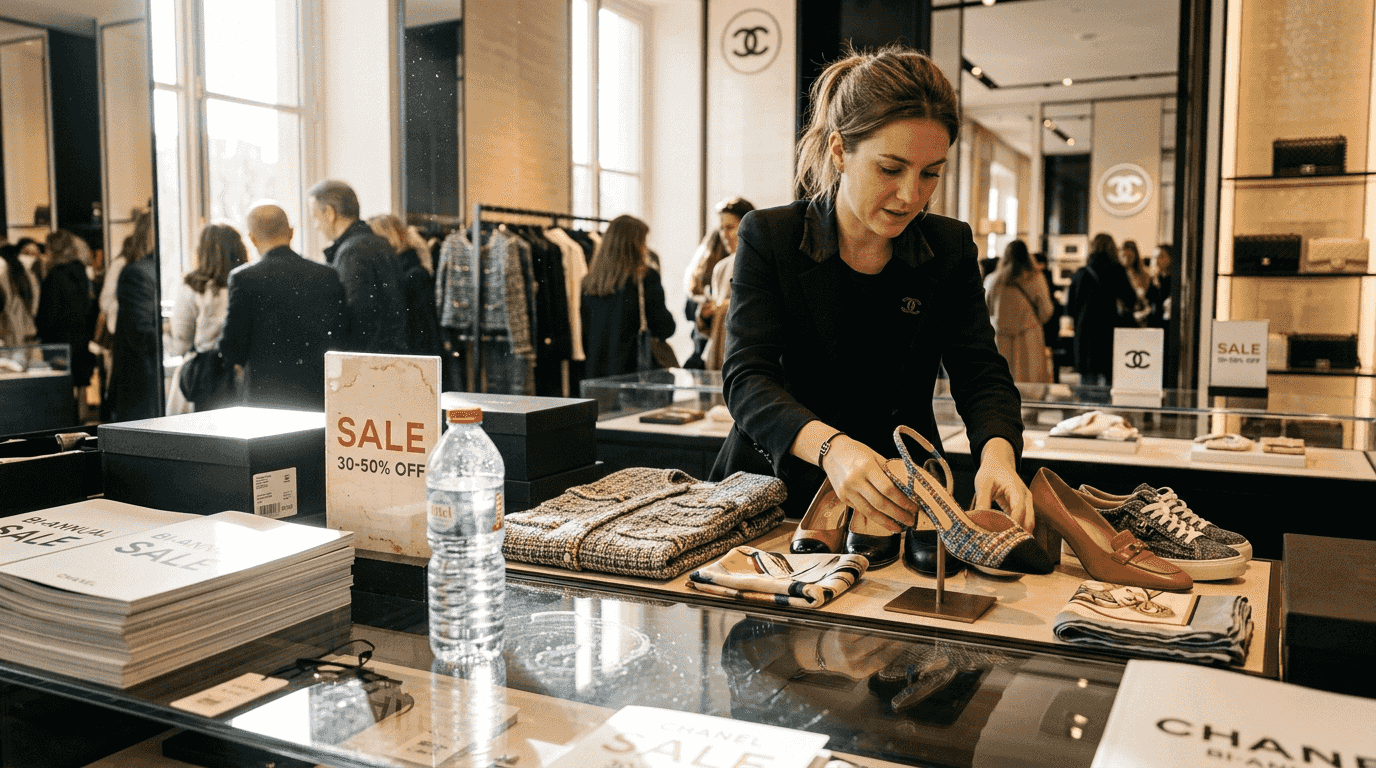
Chanel’s approach protects brand equity by keeping iconic pieces at full retail. Their sales target items with shorter fashion cycles, items that reflect seasonal trends rather than timeless design. Discounts rarely exceed 20-30%, maintaining the premium positioning customers expect.
Gucci takes an even more conservative stance. Gucci does not participate in Black Friday sales and maintains strict pricing integrity across channels. This strategy preserves brand value, with Gucci products maintaining an average 78% resale value at 12 months. Such strong secondary market performance reflects consumer confidence in the brand’s quality and desirability.
Gucci’s resistance to promotional pricing emphasizes craftsmanship and heritage over transactional discounting. The brand positions itself as an investment rather than a commodity, appealing to buyers who value long-term worth over immediate savings.
Pro Tip: When seeking discounts on classic pieces from Chanel or Gucci, explore trustworthy certified resale platforms rather than expecting direct retail sales. The secondary market often provides better access to iconic items at reduced prices while maintaining authenticity guarantees.
Other luxury brands follow similar patterns:
- Hermès rarely discounts and maintains waitlists for signature bags
- Louis Vuitton offers private sales to select customers, not public promotions
- Bottega Veneta focuses on seasonal items during twice-yearly events
- Prada provides modest reductions on previous season collections
Recognizing these brand-specific policies helps you target your shopping efforts effectively and avoid disappointment.
Navigating risks and authenticating luxury deals during seasonal sales
The luxury resale market attracts counterfeiters using increasingly sophisticated fakes and fraudulent documentation. Growth in secondary markets creates opportunities but also amplifies risks for unsuspecting buyers.
Scammers deploy multiple tactics to deceive luxury shoppers. Social media impersonation involves fake accounts mimicking legitimate sellers or brands. Fraudsters create fake receipts and authentication certificates that appear genuine at first glance. They manufacture urgency through limited-time offers or claims of multiple interested buyers, pressuring you into hasty decisions without proper verification.
The sophistication of luxury counterfeits has reached alarming levels, with fake goods often accompanied by convincing fake documentation. Vigilance and verification are non-negotiable when seeking discounted luxury items.
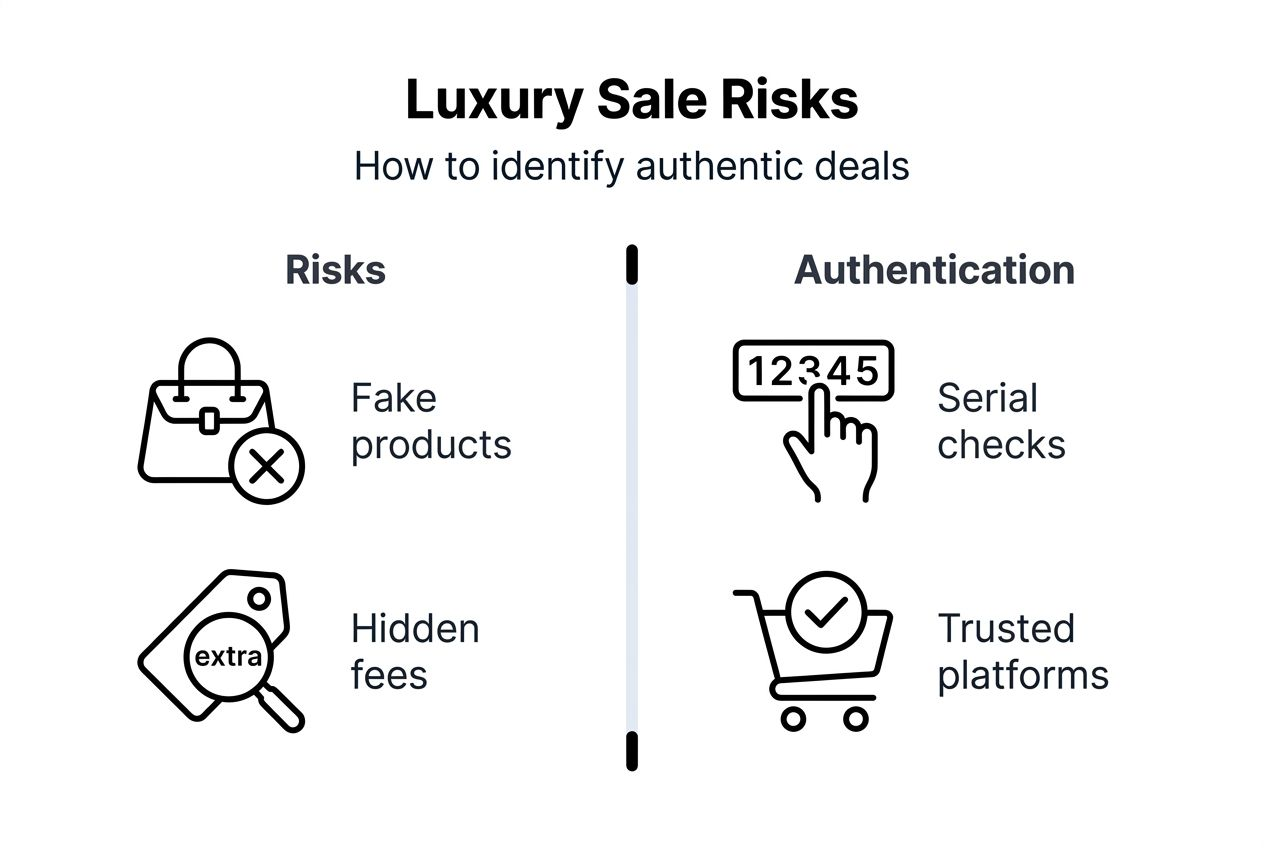
Follow these steps to verify authenticity and avoid scams:
- Request detailed images showing serial numbers, date codes, hardware, stitching, and interior labels from multiple angles.
- Buy exclusively from reputable sellers with transparent return policies, customer reviews, and established track records.
- Use professional authentication services before finalizing purchases, especially for high-value items above $1,000.
- Scrutinize documentation carefully, comparing receipts and certificates against known authentic examples from brand sources.
- Research typical pricing for specific items to identify deals that seem unrealistically low, often indicating counterfeits.
- Trust your instincts if sellers refuse reasonable verification requests or pressure you to bypass authentication.
Pro Tip: Genuine sellers welcome scrutiny and provide transparency throughout the transaction. Hesitation, defensiveness, or refusal to provide verification signals major red flags requiring immediate caution.
Understanding what luxury resale entails helps you navigate secondary markets safely. Certified platforms invest in authentication infrastructure, offering guarantees that protect buyers. Learning about luxury item authenticity empowers you to spot inconsistencies that indicate fakes.
The investment in due diligence protects both your finances and your confidence in wearing authentic luxury. Don’t let eagerness for discounts override careful verification practices.
Maximizing value: smart strategies for shopping seasonal luxury sales in 2026
Success in luxury sales shopping requires strategy, patience, and knowledge. Understanding where to shop and how to evaluate opportunities maximizes your chances of securing authentic items at genuine discounts.
| Factor | Direct Seasonal Sales | Certified Luxury Resale |
|---|---|---|
| Authenticity guarantee | Brand guarantee | Platform authentication |
| Discount depth | 20-30% typical | 30-60% possible |
| Selection | Limited to seasonal items | Broad including classics |
| Purchase risk | Very low | Low with certification |
| Availability | Twice yearly | Year-round |
This comparison reveals trade-offs between channels. Direct sales offer unquestionable authenticity but limited selection and modest discounts. Certified resale provides deeper discounts and broader inventory, including classic pieces excluded from retail sales, with strong but platform-dependent authentication.
Implement these practical tips for 2026:
- Research brand sale schedules in advance, marking June and December for European luxury houses and January for American brands.
- Prefer certified resellers with transparent authentication processes, money-back guarantees, and verified customer reviews.
- Verify authenticity before purchase using professional services or platform guarantees, never relying solely on seller claims.
- Avoid pressure tactics and artificial urgency, taking time to research comparable pricing and verify item details.
- Track brand social media for official announcements about seasonal events, avoiding reliance on third-party claims.
- Set realistic budgets accounting for potential additional authentication or import costs when shopping internationally.
Pro Tip: Use secondary market insights to understand true discount levels versus retail pricing. If resale platforms show an item consistently selling at 40% below retail, a 15% direct sale discount may not represent optimal value.
Understanding why luxury discounts matter helps frame expectations appropriately. The certified luxury resale market in 2026 offers guaranteed authenticity combined with competitive pricing.
Patience serves luxury shoppers well. Rushing into purchases during sales often leads to regret over items that don’t truly fit your style or needs. Instead, maintain a wish list of specific items and brands, shopping strategically when genuine opportunities arise. This disciplined approach ensures your luxury purchases deliver lasting satisfaction and value.
Explore authentic luxury deals on NAISESHOPPER
Shopping seasonal luxury sales shouldn’t mean compromising on authenticity or quality. NAISESHOPPER offers a curated collection of authenticated designer products, providing the confidence you need when seeking luxury at accessible prices.
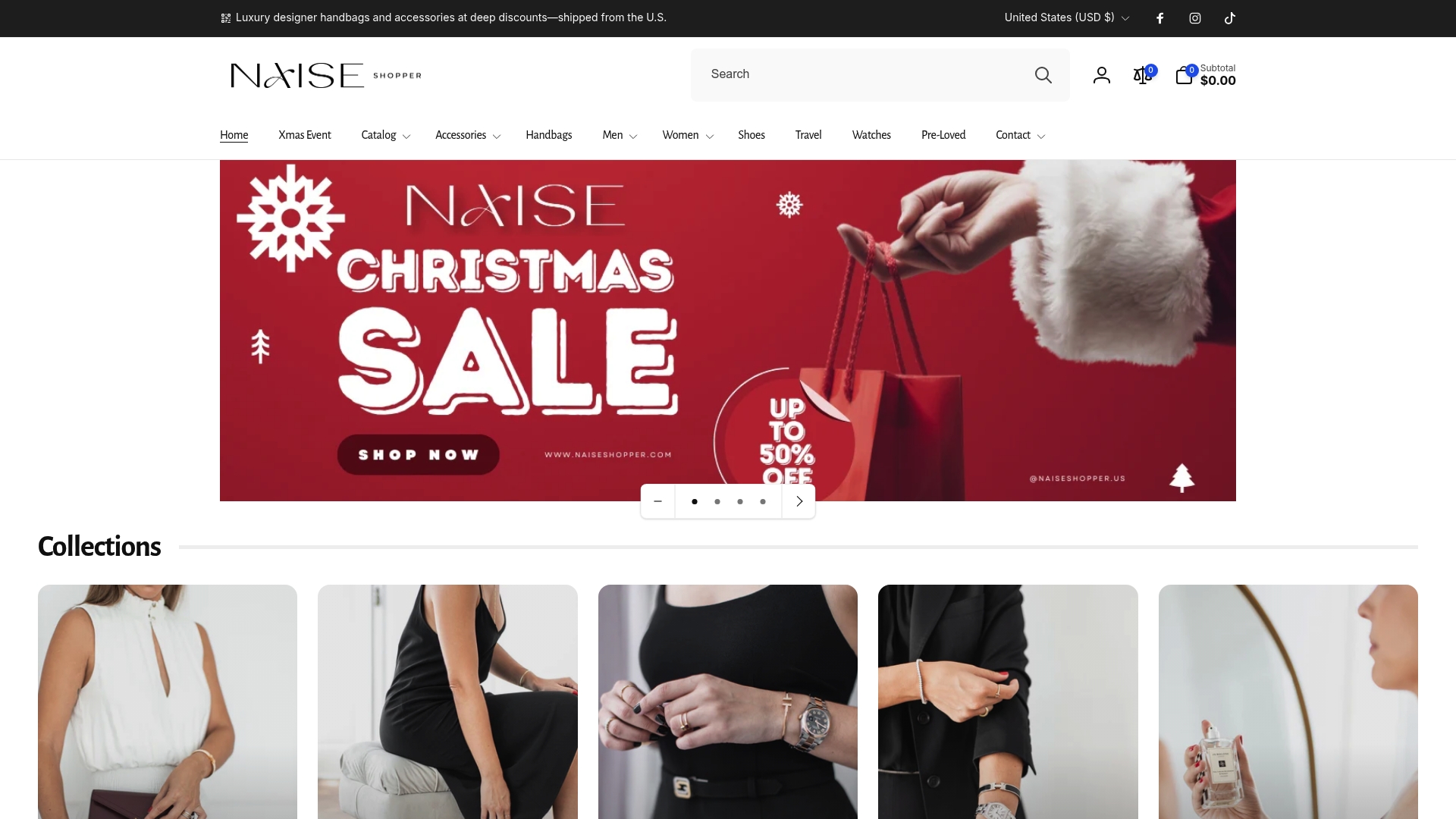
Browse verified luxury handbags, watches, shoes, and accessories knowing every item undergoes rigorous authentication. The platform specializes in genuine designer pieces from Gucci, Chanel, Prada, Valentino, and other prestigious brands, offering meaningful discounts without the risks associated with unverified resellers.
Explore featured items perfect for 2026 seasonal shopping. The Versace black leather pumps combine Italian craftsmanship with timeless elegance. For watch enthusiasts, the Gucci G-Timeless Quartz watch delivers signature style, while the Gucci Dive watch 40mm offers sporty sophistication.
Shopping with NAISESHOPPER means accessing trusted luxury items during seasonal sales periods with peace of mind. The platform’s authentication guarantees, international shipping, and flexible payment options make luxury fashion more accessible without sacrificing the standards you expect.
Frequently asked questions
What exactly are seasonal luxury sales?
Seasonal luxury sales are scheduled discount events where luxury brands reduce prices primarily on seasonal inventory like ready-to-wear, shoes, and accessories. These sales typically occur twice yearly, in June and December, targeting items from previous seasons rather than entire collections or iconic signature pieces.
Do all luxury brands participate in seasonal sales?
No, luxury brand participation varies significantly. Brands like Chanel hold modest bi-annual sales on select items, while brands like Gucci largely avoid promotional discounting to preserve brand equity. Hermès rarely discounts at all, maintaining exclusivity through scarcity rather than sales events.
Are classic luxury handbags ever included in seasonal sales?
Classic handbags from brands like Chanel, Hermès, and Louis Vuitton are typically excluded from seasonal sales. These iconic pieces maintain full retail pricing to protect brand value and customer investment. For discounts on classics, certified resale markets offer better opportunities than waiting for retail sales.
How can I verify authenticity when shopping luxury sales?
Request detailed images of serial numbers, hardware, stitching, and interior labels. Buy only from reputable sellers or certified platforms with authentication guarantees. Use professional authentication services for high-value purchases. Research typical pricing to identify suspiciously low offers that may indicate counterfeits.
Is luxury resale a safe alternative to seasonal sales?
Certified luxury resale platforms offering authentication guarantees provide safe alternatives with potentially deeper discounts and broader selection than retail seasonal sales. However, verify platform credentials, read reviews, and understand return policies. Avoid unverified private sellers and platforms without transparent authentication processes.
When should I shop seasonal luxury sales in 2026?
Plan for June and December when European luxury houses typically hold sales. American brands often discount in January after holiday seasons. Monitor brand social media and certified resale platforms year-round for opportunities on specific items from your wish list rather than impulse shopping during sales periods.