Buying a designer handbag online in 2026 presents a unique challenge: counterfeits have become so sophisticated that even experienced collectors struggle to distinguish fakes from genuine pieces. With the counterfeit luxury goods market surpassing $450 billion, knowing how to verify authenticity is no longer optional for savvy shoppers. This expert-driven checklist provides you with actionable steps to confidently identify genuine luxury handbags before making your purchase, protecting both your investment and your collection’s integrity.
Table of Contents
- 1. Logo And Typography Inspection: Your First Line Of Defense
- 2. Material And Leather Verification: Beyond Appearance
- 3. Stitching And Hardware Quality: Fine Details That Matter
- 4. Comprehensive Authentication Checklist Table
- 5. Final Tips: When To Seek Professional Authentication Services
Key takeaways
| Point | Details |
|---|---|
| Logo precision matters | Typography flaws in brand logos reveal most counterfeits immediately |
| Material tells the truth | Authentic leather texture and scent differentiate real bags from synthetic fakes |
| Stitching density counts | Luxury brands maintain specific stitch counts per inch that fakes rarely match |
| Hardware quality speaks | Premium metals and branded zippers indicate genuine craftsmanship |
| Expert help when needed | Professional authentication services catch sophisticated fakes missed by surface checks |
1. Logo and typography inspection: your first line of defense
Your authentication journey begins with the brand logo, where counterfeiters often fail in typography precision. Subtle differences separate authentic pieces from fakes, and knowing what to look for gives you immediate insight into a bag’s legitimacy.
Gucci’s iconic double G logo features specific curvature and serif extensions that counterfeiters consistently misrepresent. The genuine logo has rounded edges with precise spacing between the letters, while fakes often show sharper angles or inconsistent gaps. Louis Vuitton’s overlapping L and V require perfect symmetry, with the V sitting precisely atop the L’s lower leg. Chanel’s interlocking C’s maintain exact spacing and width ratios that fake manufacturers struggle to replicate accurately.
Beyond the logos themselves, examine engraving depth and clarity. Authentic luxury bags feature crisp, evenly deep engravings that feel smooth to the touch. Counterfeit engravings often appear shallow, uneven, or rough around the edges. Embossing should create distinct shadows and dimensional texture, not flat impressions.
Pro Tip: Use your smartphone’s macro camera mode or a jeweler’s loupe to examine logo details at 10x magnification. This reveals inconsistencies invisible to the naked eye, especially in smaller hardware engravings.
When evaluating how to spot authentic designer bags, focus on these brand-specific markers:
- Gucci: Check the tail of the G for proper curve and the serif points for sharpness
- Louis Vuitton: Verify the L and V overlap angle matches official references
- Chanel: Measure the space between the C’s, which should be consistent throughout
- Prada: Examine the triangle logo for centered text and clean edges
- Hermès: Inspect the accent over the E for proper placement and thickness
Document your findings with clear photos under natural lighting. Compare these images against verified authentic examples from brand boutiques or certified resellers. Typography errors remain one of the most reliable indicators because they require precision tooling that counterfeiters rarely invest in replicating.
2. Material and leather verification: beyond appearance
Authentic luxury materials possess characteristics that extend far beyond visual appearance. Genuine Louis Vuitton canvas has a subtle three-dimensional texture, while counterfeit versions appear flat and lifeless under natural light examination.
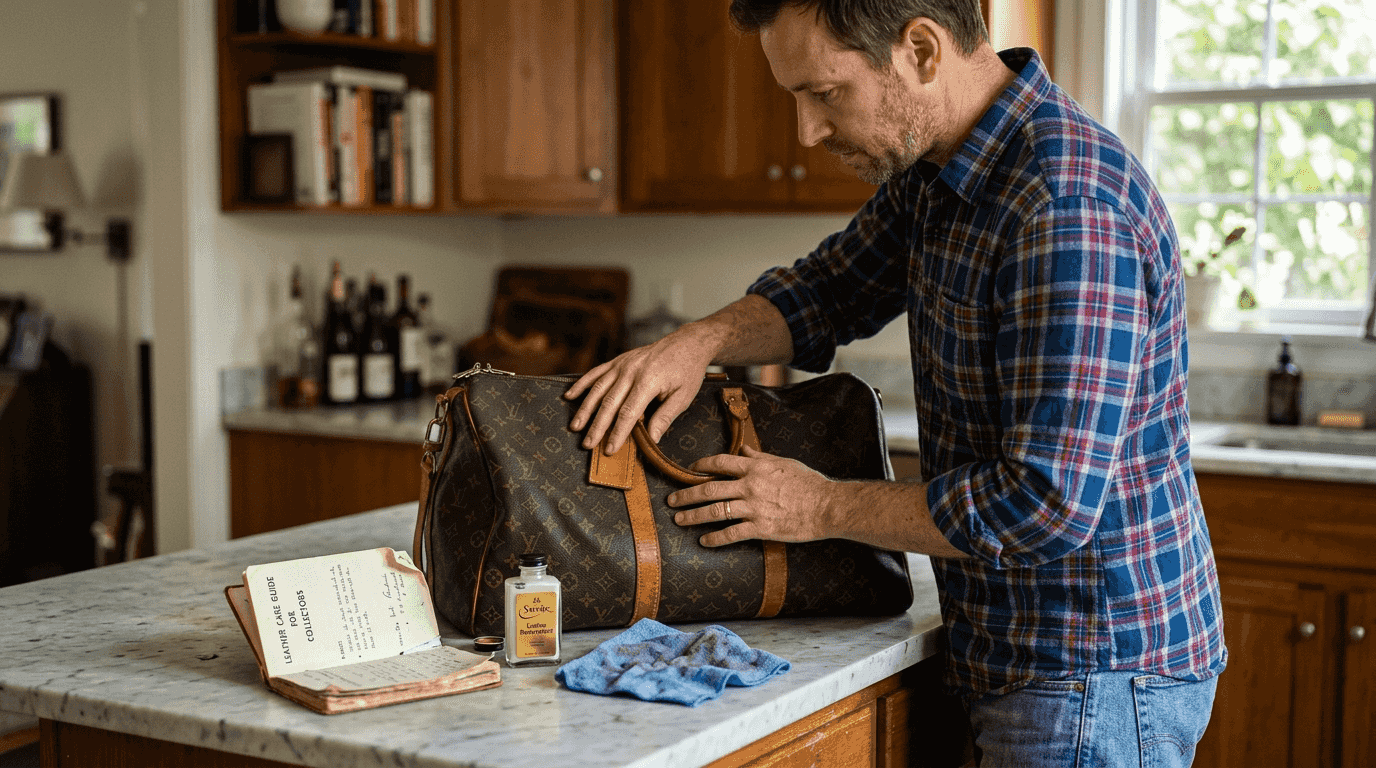
Leather authentication starts with your sense of smell. Real leather emits a rich, earthy aroma that develops naturally during the tanning process. Synthetic materials or chemically treated fake leather produce sharp, chemical odors that signal inauthenticity. Hold the bag close and breathe naturally to detect these differences without forcing your assessment.
Texture analysis requires hands-on evaluation. Run your fingers across the leather surface, feeling for natural grain variations and slight imperfections that characterize genuine hides. Authentic leather responds to temperature, warming slightly under your touch, while synthetic materials remain cool and uniform. Press gently on the leather to observe how it creases and recovers. Real leather forms natural wrinkles that smooth out gradually, whereas fakes show stiff, unnatural creasing patterns.
Canvas and coated materials demand equal scrutiny. Examine the weave pattern under direct sunlight, looking for the dimensional texture that creates subtle shadows. Leather and material analysis includes color accuracy and lining materials based on brand archives, making consistency checks essential.
Pro Tip: Research how your target brand’s leather ages over time. Hermès leather develops a distinctive patina, while Chanel lambskin shows specific wear patterns. Understanding these aging characteristics helps you verify both new and vintage pieces.
Lining materials deserve careful attention since counterfeiters often cut corners here. Authentic bags use specific fabrics, colors, and printing techniques for interior linings. Louis Vuitton employs particular canvas patterns and colors that vary by collection year. Chanel uses branded linings with precise logo placement. Check these details against verified examples to confirm authenticity.
Explore luxury handbag terminology explained to understand material specifications better. This knowledge empowers you to ask sellers specific questions and evaluate their responses for accuracy. Never trust packaging or serial numbers alone, as sophisticated counterfeiters replicate these elements with increasing precision.
3. Stitching and hardware quality: fine details that matter
Craftsmanship reveals itself in stitching precision and hardware quality. Chanel bags have 9-10 stitches per inch, a standard that counterfeiters rarely achieve consistently across an entire piece.
Examine stitching under magnification, counting the number of stitches within a one-inch section. Authentic luxury bags maintain uniform stitch length, tension, and spacing throughout the entire construction. Look for these quality markers:
- Consistent thread color matching the leather or material perfectly
- No loose threads, skipped stitches, or irregular spacing
- Stitching that follows precise, straight lines or curves
- Reinforced stress points at handles and corners
- Thread that sits flush with the material surface
Stitching patterns matter as much as density. Hermès uses saddle stitching, a hand-sewn technique creating a distinctive slanted appearance. Louis Vuitton employs specific thread colors for different leather types. Bottega Veneta’s intrecciato weave requires flawless execution that machines struggle to replicate perfectly.
Hardware authentication requires understanding which premium metals and zipper brands luxury manufacturers use. Authentic pieces feature substantial hardware with smooth, flawless finishes. Test zippers by opening and closing them repeatedly. They should glide effortlessly without catching or requiring force.
Pro Tip: Photograph hardware engravings straight-on and compare them to official brand images. Off-center text, uneven depths, or font variations indicate counterfeits immediately.
Check the designer handbag authentication checklist collectors use for comprehensive hardware evaluation. This table summarizes key hardware features by brand:
| Brand | Hardware Metal | Zipper Brands | Engraving Style | Plating Quality |
|---|---|---|---|---|
| Chanel | Brass, gold-plated | Lampo (vintage), YKK | Deep, centered text | Uniform, no flaking |
| Louis Vuitton | Brass | LV-branded, Éclair | Crisp, straight alignment | Consistent finish |
| Gucci | Palladium, brass | Lampo, Riri | Bold, clear letters | Smooth, even tone |
| Hermès | Palladium, gold | Éclair, Hermès-branded | Precise, fine detail | Flawless coverage |
| Prada | Steel, gold-plated | Lampo, Riri, YKK | Sharp, uniform depth | No scratches or wear |
Hardware weight provides another authentication clue. Luxury brands use solid metal components that feel substantial in your hand. Lightweight or hollow-feeling hardware suggests cost-cutting measures typical of counterfeits. Tap hardware pieces gently to listen for the solid sound of quality metal versus the tinny ring of cheap alternatives.
4. Comprehensive authentication checklist table
Consolidating authentication criteria into a reference framework streamlines your evaluation process. This comparison table distills the expert steps covered into brand-specific verification points you can apply immediately.
| Authentication Factor | Gucci | Louis Vuitton | Chanel |
|---|---|---|---|
| Logo Typography | Rounded G’s, precise serif points | Symmetrical L-V overlap, clean lines | Interlocking C’s with exact spacing |
| Material Texture | Grainy leather, canvas with sheen | 3D canvas weave, supple leather | Soft lambskin or caviar with grain |
| Leather Scent | Rich, natural aroma | Earthy, organic smell | Subtle leather fragrance |
| Stitching Density | 8-9 stitches per inch | 7-8 stitches per inch | 9-10 stitches per inch |
| Hardware Brands | Lampo, Riri zippers | LV-branded, Éclair zippers | Lampo (vintage), YKK zippers |
| Serial Code Location | Inside leather tag | Heat-stamped interior | Hologram sticker or embossed |
| Common Fake Pitfalls | Flat canvas, sharp G angles | Flat texture, asymmetric logo | Uneven stitching, light hardware |
This table serves as your quick-reference guide during authentication. Cross-reference multiple factors rather than relying on a single element, since sophisticated counterfeits may replicate some features convincingly while failing others.
Serial codes and date stamps require careful interpretation. While authentic bags include these identifiers, counterfeiters replicate them with increasing accuracy. Never authenticate based solely on serial numbers. Instead, use them as one data point within your comprehensive evaluation. Verify the format matches the brand’s system for the bag’s production year and check that the placement, font, and stamping quality align with genuine examples.
Review the spotting fake handbags guide for additional red flags specific to online purchases. Seller behavior, pricing that seems unrealistic, and reluctance to provide detailed photos all warrant suspicion. Combine physical authentication criteria with seller vetting for maximum protection.
5. Final tips: when to seek professional authentication services
Even armed with expert knowledge, some counterfeits surpass self-authentication capabilities. Recognizing your limits protects you from costly mistakes when dealing with high-value purchases or particularly sophisticated fakes.
Expert authentication requires cross-referencing verified production standards and documentation review through combined technology and human expertise. Professional services employ artificial intelligence systems trained on thousands of authentic and counterfeit examples, detecting microscopic differences invisible to human inspection. These systems analyze material composition, stitching patterns, and hardware specifications with precision that exceeds manual evaluation.
Consider professional authentication when:
- Purchasing vintage or rare pieces with limited reference materials
- Investing in bags valued over $3,000 where mistakes cost significantly
- Buying from unfamiliar sellers or platforms without authentication guarantees
- Evaluating bags with conflicting authentication signals across different factors
- Seeking insurance documentation or resale certification
Seller documentation deserves scrutiny but never replaces physical authentication. Original receipts, authenticity cards, and dust bags provide supporting evidence, yet counterfeiters forge these items routinely. Request purchase history, but verify the bag itself through material and craftsmanship analysis.
The counterfeit luxury goods market topped $450 billion in 2023, making expert validation essential for protecting consumers and brands alike in an era of increasingly sophisticated fakes.
Financial and legal risks extend beyond losing money on a fake purchase. Some jurisdictions impose penalties for unknowingly reselling counterfeit goods. Authentication protects your investment and shields you from potential legal complications if you later decide to sell.
Master the luxury handbag authentication process through continued education and practice. Study authenticated examples at brand boutiques, building your visual library of genuine characteristics. Join collector communities where experienced enthusiasts share authentication insights and discuss emerging counterfeit techniques. The more authentic bags you examine in person, the sharper your authentication instincts become.
Provenance matters increasingly in 2026’s luxury market. Bags with documented ownership history, original purchase receipts from authorized retailers, and professional authentication certificates command premium prices and sell faster. When buying, prioritize sellers who provide comprehensive documentation and welcome third-party authentication before finalizing sales.
Explore authentic luxury styles at Naiseshopper
Now that you understand the critical authentication factors separating genuine designer bags from counterfeits, you can shop confidently for verified luxury pieces. Naiseshopper curates an authenticated collection of designer handbags, shoes, and accessories from brands like Gucci, Chanel, Louis Vuitton, and Prada, eliminating counterfeit risks entirely.
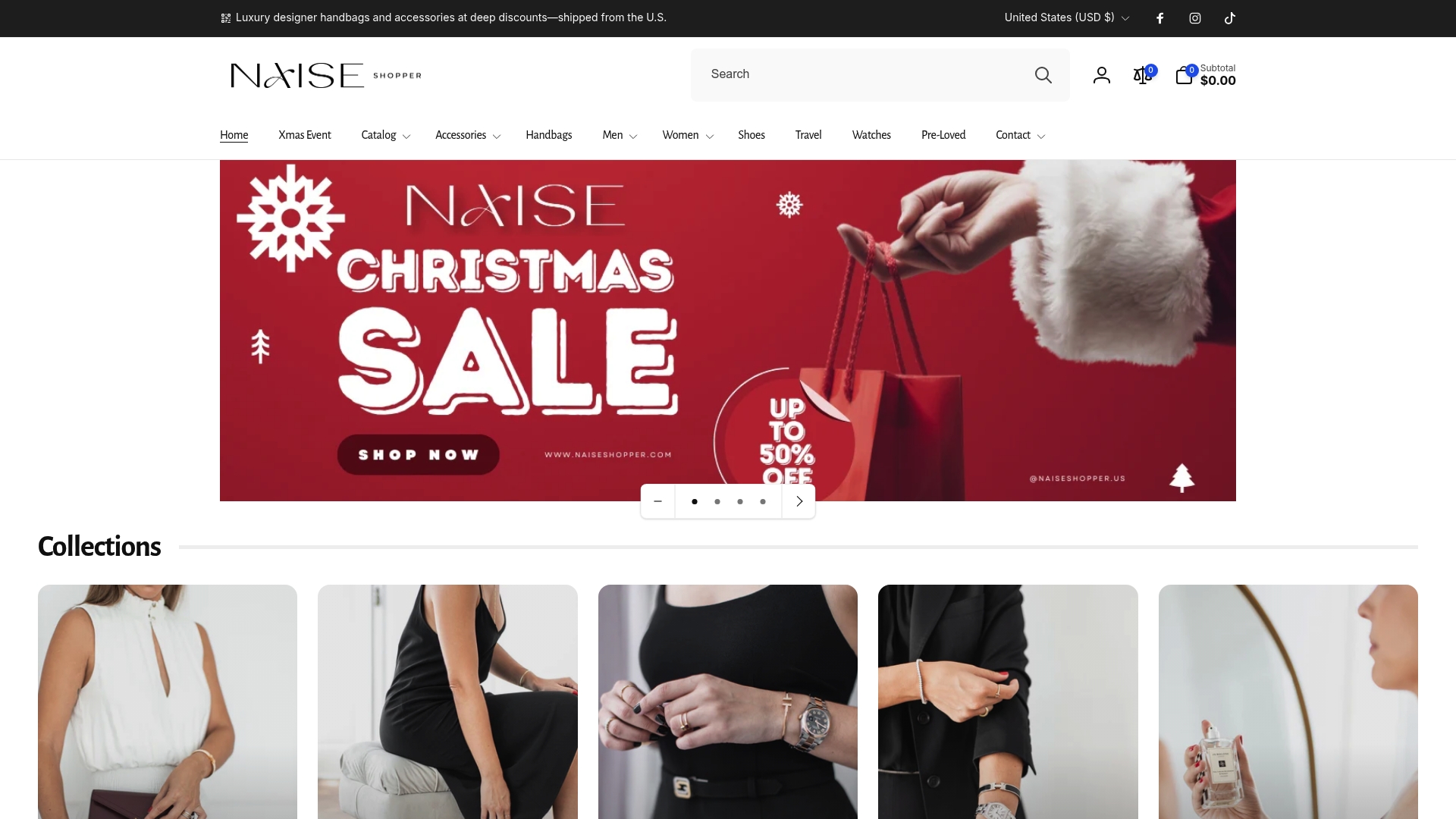
Every item undergoes rigorous authentication before listing, giving you peace of mind with your purchase. Explore current collections featuring authenticated luxury footwear, including Saint Laurent mid-top blue sneakers that combine iconic style with verified authenticity. Discover elegant Jimmy Choo leather flats perfect for sophisticated everyday wear, or elevate your wardrobe with Versace leather logo pumps that showcase Italian craftsmanship. Shop authenticated luxury with confidence, backed by the expertise you’ve gained through this comprehensive guide.
FAQ
What brand logos are most commonly faked on designer bags?
Hermès, Louis Vuitton, Gucci, Chanel, and Prada are among the top targeted brands for counterfeiting due to their global recognition and high resale values. Counterfeiters focus on these brands because demand remains consistently strong, making fakes easier to sell to unsuspecting buyers seeking deals on luxury items.
Can packaging and authenticity cards guarantee a designer bag is real?
Date codes, receipts, and authenticity cards do not guarantee authenticity since counterfeiters replicate these features with increasing sophistication. Material quality, craftsmanship details, and construction techniques provide more reliable authentication evidence than documentation alone. Always verify the physical bag using the comprehensive checklist before trusting paperwork.
What should I do if I’m still unsure about a bag’s authenticity after my own inspection?
Professional authentication uses advanced technology and human expertise to detect sophisticated fakes missed by surface checks. Services like Entrupy employ artificial intelligence trained on extensive databases of authentic and counterfeit examples. Investing in professional verification protects you from costly mistakes, especially with high-value purchases. Learn more about the luxury handbag authentication process to understand when expert help becomes necessary.
How reliable are serial numbers for authenticating designer bags?
Serial numbers serve as one authentication factor but never as the sole verification method. Counterfeiters replicate serial number formats, placement, and even register fake codes in databases. Cross-reference serial numbers with material quality, stitching precision, hardware authenticity, and overall craftsmanship for accurate authentication. Genuine bags exhibit excellence across all factors simultaneously.
Why does leather scent matter in handbag authentication?
Authentic leather produces a distinctive earthy aroma from natural tanning processes, while synthetic materials emit chemical odors. This scent difference provides immediate authentication insight that counterfeiters struggle to replicate convincingly. Combined with texture analysis and visual inspection, scent evaluation strengthens your overall authentication assessment and helps identify synthetic materials quickly.