TL;DR:
- A fashion collector’s success depends on discipline, strategic planning, and proper care. Investment-grade pieces, structured around a cohesive capsule, maintain value and aesthetic appeal. Regular editing and careful organization ensure a purposeful wardrobe that lasts over time.
A guide to fashion collector essentials is defined as the strategic framework of must-have items, collection practices, and investment criteria that separate a purposeful luxury wardrobe from a random accumulation of clothes. Serious collectors treat their wardrobes the way art buyers treat galleries: every piece earns its place. This guide covers the key categories, planning methodologies, and care practices that build a collection with lasting value. Whether you are starting from scratch or refining an existing wardrobe, the principles here apply directly to authenticated luxury pieces from houses like Gucci, Chanel, Prada, Valentino, and Bottega Veneta.
What are the must-have items in a fashion collection?
The foundation of any strong collection rests on classic, investment-grade pieces that work across seasons and occasions. These are not trend items. They are the wardrobe anchors that deliver consistent value and versatility year after year.
Every serious collector needs these core categories:
- Tailored outerwear. A wool or cashmere overcoat in a neutral tone is the single highest-CPW (Cost Per Wear) item most collectors own. It works over eveningwear and casual looks alike.
- Structured blazers. Oversized blazers in black, ivory, or camel read as both professional and editorial. Prada and Saint Laurent consistently produce blazers that hold resale value.
- Luxury footwear. A collection without strong shoes is incomplete. Leather pumps, clean sneakers, and slides from heritage houses anchor every outfit category.
- Designer handbags. Bags from Chanel, Bottega Veneta, and Balenciaga consistently outperform clothing in resale markets. A designer bag collection built around two or three hero styles is more valuable than ten mid-tier pieces.
- Silk or fine-knit tops. These bridge casual and formal dressing. Silk blouses from luxury houses photograph well and age gracefully.
- Tailored trousers. Wide-leg and straight-cut trousers in wool or heavy cotton form the backbone of a capsule wardrobe.
- Statement accessories. Belts, scarves, and jewelry from recognized houses add identity to neutral core pieces without requiring a full outfit change.
Wardrobe essentials pricing ranges from around $15 for budget-friendly staples to over $2,000 for premium investment pieces. That range matters because it means collectors at every stage can build meaningfully without waiting for a single large budget.
Pro Tip: Start with footwear and outerwear before adding clothing. Shoes and coats have the highest CPW and the strongest resale markets, making them the safest first investments for new collectors.
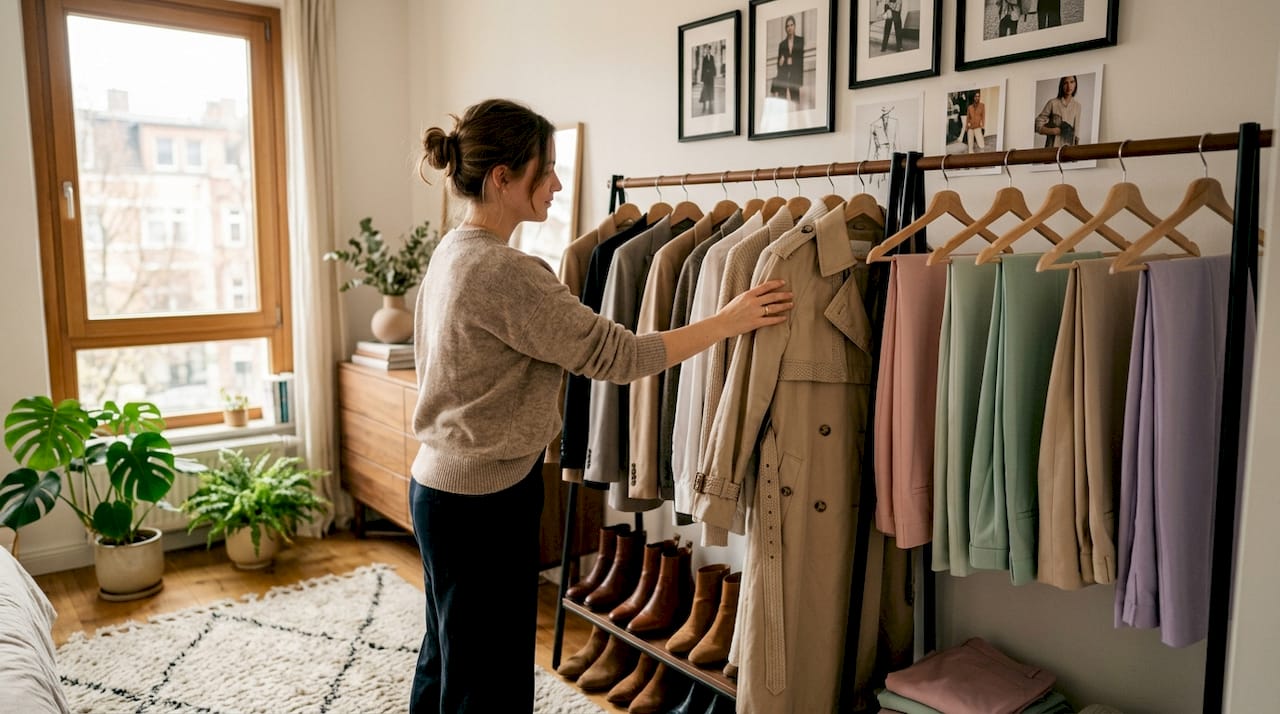
The balance between core pieces and seasonal items is critical. A 60/40 split favoring core products over seasonal trends keeps a collection commercially viable and aesthetically fresh. Chasing every trend dilutes both the visual coherence and the financial value of what you own.
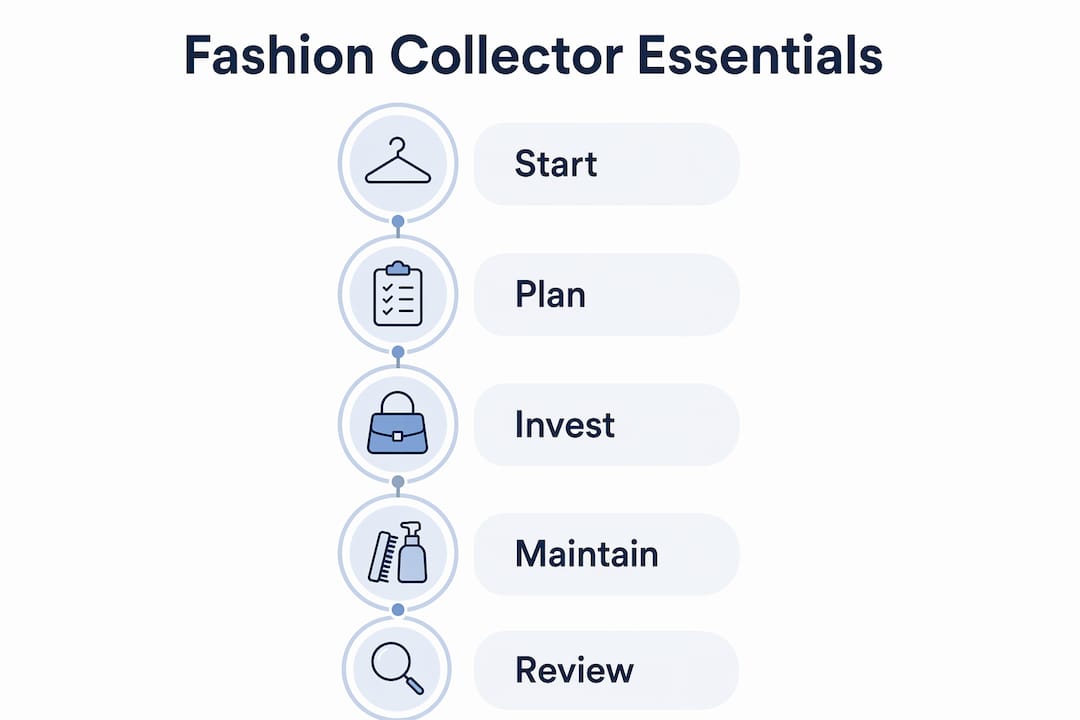
How do you plan and structure a cohesive fashion collection?
Structure separates collectors from shoppers. A cohesive collection follows a deliberate framework, not impulse. The capsule collection model is the most proven approach for building a wardrobe that looks intentional and holds value.
The capsule collection framework
A well-designed capsule collection follows three visual rules:
- Limit your palette. A focused palette of 3–5 colors creates visual cohesion across every piece you own. Black, ivory, camel, and one accent color cover most luxury wardrobes effectively.
- Define 2–3 hero silhouettes. Choose silhouettes that suit your body and lifestyle, then buy across categories within those shapes. A collector who loves a relaxed, oversized silhouette should apply that preference to blazers, coats, and knitwear alike.
- Commit to one signature fabric. Whether it is cashmere, silk, or fine leather, a signature material ties your collection together and signals a clear aesthetic identity.
Financial planning for collectors
A financially healthy capsule collection targets a 65%–70% gross margin after all costs, with an upfront investment between $20,000 and $80,000 for around 10 SKUs. That benchmark applies to designers building lines, but it also gives individual collectors a useful reference point for how much a truly curated wardrobe costs to build properly.
Skipping the planning stage is expensive. Ignoring merchandising grids and costing before acquiring pieces leads to overproduction and missed value targets. The equivalent mistake for a collector is buying duplicates, accumulating pieces with no clear role, and ending up with a wardrobe that feels full but functions poorly.
| Planning element | Why it matters |
|---|---|
| Palette discipline | Prevents mismatched pieces that never get worn |
| Silhouette focus | Builds a consistent visual identity across categories |
| Core vs. seasonal ratio | Protects long-term value and reduces waste |
| Budget allocation | Directs spending toward highest-CPW categories first |
Pro Tip: Map your collection on paper before buying. List every category you own, identify the gaps, and set a spending priority. Collectors who plan this way spend less and own more cohesive wardrobes.
How do you select fashion investments that hold their value?
Investment pieces are defined by four traits: quality construction, heritage brand identity, timeless silhouette, and strong resale demand. Not every expensive item qualifies. Price alone does not make something an investment.
The most reliable criteria for identifying true investment pieces:
- Fabric quality. Wool, silk, cashmere, and leather are the materials that age well and signal quality to resale buyers. Synthetic blends depreciate faster and wear out sooner.
- Brand heritage. Houses with decades of consistent design language, like Chanel, Prada, and Valentino, hold value better than trend-driven labels. Learn more about iconic brand heritage before committing to a major purchase.
- Resale market depth. A piece is only an investment if someone else will pay for it later. Check authenticated resale platforms to confirm demand before buying.
- Cost Per Wear. CPW guides smarter purchasing by emphasizing durability and frequency of use over upfront price. A $1,500 coat worn 200 times costs $7.50 per wear. A $300 trend piece worn five times costs $60 per wear.
The most common mistake collectors make is spending the bulk of their budget on statement pieces they rarely wear, while underinvesting in the daily staples that actually define their style. A $2,000 gala gown worn once delivers far less value than a $600 cashmere blazer worn three times a week. Build the foundation first. The statement pieces come after.
Collectors also frequently overbuy in one category while neglecting others. A wardrobe of ten luxury bags with no quality footwear or outerwear is not a collection. It is a category obsession. Spread investment across the full wardrobe ecosystem for maximum cohesion and wearability. For deeper guidance on fashion investment pieces that hold value, the criteria above apply across every category.
How should you maintain and organize a fashion collection?
Preservation is as important as acquisition. A Chanel jacket stored incorrectly loses condition and resale value within a few years. Proper care and organization are non-negotiable for collectors who treat their wardrobes as assets.
Core maintenance practices every collector should follow:
- Steam, don’t dry-clean unnecessarily. A quality garment steamer removes wrinkles and refreshes fabric without the chemical stress of repeated dry-cleaning. Reserve dry-cleaning for genuine stains or seasonal deep cleans.
- Store garments on proper hangers. Wooden or padded hangers preserve shoulder shape. Wire hangers distort structured pieces over time. Fold heavy knitwear rather than hanging it.
- Use breathable garment bags. Plastic bags trap moisture and cause yellowing. Cotton or linen garment bags protect pieces from dust while allowing airflow.
- Control your storage environment. Humidity and direct sunlight are the two biggest threats to luxury fabric. Store pieces in a cool, dry, dark space whenever possible.
- Document every significant piece. Record purchase receipts, authentication certificates, and condition notes for each investment item. This documentation supports resale value and insurance claims. Learn how to organize luxury accessories with a system that scales as your collection grows.
- Declutter annually. A collection that grows without editing becomes unwieldy. Each year, assess every piece against your current palette and silhouette framework. Pieces that no longer fit the vision should be sold or donated.
Pro Tip: Photograph every piece in your collection against a neutral background and store the images in a dedicated folder. This creates a visual inventory that makes outfit planning faster and insurance documentation straightforward.
Key Takeaways
A fashion collection builds lasting value only when collectors apply discipline to acquisition, structure, and care in equal measure.
| Point | Details |
|---|---|
| Start with high-CPW anchors | Prioritize outerwear, footwear, and blazers before adding statement or trend pieces. |
| Apply the capsule framework | Limit your palette to 3–5 colors and commit to 2–3 hero silhouettes for visual cohesion. |
| Invest in natural fabrics | Wool, silk, cashmere, and leather outperform synthetic blends in durability and resale value. |
| Plan finances before buying | A well-structured collection requires deliberate budget allocation across all wardrobe categories. |
| Maintain and document everything | Proper storage, care, and provenance records protect both condition and long-term resale value. |
Why discipline is the real secret to a great collection
I have seen collectors with unlimited budgets end up with wardrobes that feel chaotic, and collectors with modest means build something genuinely impressive. The difference is never money. It is always discipline.
The hardest lesson I have learned from years of watching collections grow and stagnate is this: the pieces you do not buy matter as much as the ones you do. Every impulse purchase that falls outside your palette or silhouette framework costs you twice. Once when you buy it, and again when it sits unworn and eventually gets sold at a loss.
The collectors I respect most treat their wardrobes the way a gallery curator treats wall space. Every addition displaces something else, so every addition has to earn its place. That mindset shifts buying from emotional to intentional, and intentional buying is what separates a collection from a closet.
The trend toward limited-edition fashion and authenticated luxury resale has made discipline even more valuable. The market rewards collectors who know exactly what they want and wait for the right piece at the right price. Patience, paired with a clear framework, is the most underrated skill in this space.
— Camila
Naiseshopper’s curated picks for serious collectors
Collectors who know what they want deserve a platform that delivers authenticated luxury without compromise.
Naiseshopper carries authenticated designer footwear that fits directly into a well-planned collection. The Prada knit slip-on sneakers bring bold proportion play to casual looks, while the Versace leather logo pumps deliver the kind of eveningwear anchor every serious wardrobe needs. Both pieces meet the investment criteria covered in this guide: heritage brand, quality materials, and strong visual identity. Naiseshopper offers deep discounts on authenticated pieces from Gucci, Chanel, Prada, Valentino, Bottega Veneta, Saint Laurent, and Balenciaga, with international shipping and flexible payment options built in.
FAQ
What is a fashion collector’s essential starting point?
The best starting point is outerwear and footwear. These categories have the highest Cost Per Wear and the strongest resale demand, making them the safest first investments for any new collector.
How many pieces should a capsule collection contain?
A typical capsule collection contains 10–15 pieces built around 3–5 palette colors and 2–3 hero silhouettes. That size is large enough to cover all occasions and small enough to stay cohesive.
What fabrics should fashion collectors prioritize?
Collectors should prioritize wool, silk, cashmere, and leather. These materials age well, hold resale value, and signal quality to buyers in authenticated secondary markets.
How do I calculate whether a piece is worth the price?
Use Cost Per Wear: divide the purchase price by the number of times you expect to wear the item. A $900 coat worn 150 times costs $6 per wear, which outperforms a $200 trend piece worn four times at $50 per wear.
How often should collectors edit their wardrobes?
An annual edit keeps a collection focused and functional. Assess every piece against your current palette and silhouette framework, and sell or donate anything that no longer fits the vision.