TL;DR:
- Building a luxury fashion wishlist requires intentional selection based on long-term satisfaction rather than impulse.
- Prioritize timeless staples, evaluate items using criteria like urgency, use frequency, and style impact, and leverage secondhand markets for value.
Building a great luxury fashion wishlist takes more than scrolling through your favorite designer’s new arrivals and bookmarking everything that catches your eye. The pieces that actually deliver long-term satisfaction are chosen with intention, not impulse. Whether you’re drawn to quiet luxury staples, on-trend statement accessories, or exclusive fashion pieces that hold resale value, your wishlist should reflect your lifestyle and reward every dollar spent. This guide breaks down exactly how to evaluate, prioritize, and shop luxury fashion wishlist items so your next purchase feels like the best decision you’ve made all year.
Table of Contents
- Key takeaways
- 1. Key criteria for evaluating luxury fashion wishlist items
- 2. Elevated classics: timeless luxury fashion wishlist staples
- 3. Trending luxury fashion wishlist items for 2026
- 4. Smart strategies for budget-conscious luxury shoppers
- 5. Comparing and prioritizing your luxury wishlist picks
- My honest take on building a luxury wishlist that actually works
- Shop the wishlist picks we love at Naiseshopper
- FAQ
Key takeaways
| Point | Details |
|---|---|
| Use a scoring system | Rate each item on urgency, frequency of use, and impact to cut impulse buys and prioritize smartly. |
| Anchor with timeless classics | Capsule pieces like cashmere sweaters and structured bags deliver the highest cost-per-wear in any wardrobe. |
| Mix investment pieces with budget staples | Prioritize outerwear, shoes, and bags for visual impact, then fill gaps with quality basics. |
| Leverage the secondhand market | Resale platforms give you access to authenticated luxury at a fraction of retail price. |
| Maintain what you own | Proper care and fit adjustments extend the life and perceived value of every luxury item. |
1. Key criteria for evaluating luxury fashion wishlist items
Not every beautiful piece deserves a spot on your wishlist. Great wishlist curation starts with a clear decision framework, and three factors consistently separate smart buys from regrettable ones: urgency, frequency of use, and impact on your daily style. Score each potential item on all three before it makes the cut.
Here’s how to apply that framework in practice:
- Urgency: Do you need it now, or is it more of a seasonal want? A trench coat you’ll wear through spring and fall scores higher than a sequined minidress with one occasion a year.
- Frequency of use: Silk scarves, quality leather loafers, and cashmere turtlenecks earn their price through heavy rotation. If you’d reach for it fewer than 20 times a year, reconsider.
- Impact: Will this piece visibly upgrade your overall look? Prioritizing outerwear, shoes, and bags for high visual impact is the most reliable way to look polished immediately.
Beyond the scorecard, segment your wishlist into three buckets. The first is needs, which are gaps your wardrobe genuinely lacks. The second is upgrades, which are replacing lower-quality versions of things you already wear. The third is inspiration, which are aspirational pieces you admire but don’t yet need. Keep the first two buckets active and treat inspiration as a parking lot to revisit every quarter.
Pro Tip: Add items to your wishlist and wait two weeks before buying. If you’re still thinking about the piece, it belongs. If you forgot about it, it was just a moment of excitement.
2. Elevated classics: timeless luxury fashion wishlist staples
Some pieces never need a trend to justify them. These are the high-end fashion essentials that anchor a wardrobe for years and deliver a near-perfect cost-per-wear calculation. A $90 cashmere-blend sweater worn 200 times outperforms fast fashion alternatives on every metric, and that logic scales directly to investment-level designer pieces.
The strongest timeless wishlist staples include:
- A fine cashmere turtleneck or crewneck from a brand like Loro Piana or Brunello Cucinelli. Wear it alone, layered under a blazer, or tied over shoulders for that polished off-duty look.
- Tailored wool trousers in camel, ivory, or charcoal. These are the workhorses of quiet luxury prioritizing fit and craftsmanship over any logo.
- A classic trench coat. Burberry remains the benchmark, but authenticated secondhand versions maintain serious resale strength. Trench coats can resell at up to 70% of their original price on major resale platforms.
- A structured leather bag in a neutral shade. Think Celine’s Box Bag or the Bottega Veneta Arco. Clean silhouettes in tan, black, or off-white work across every outfit.
- Refined leather shoes in a single block color. Loafers, pointed-toe kitten heels, and ballet flats all qualify. Avoid heavy branding on the toe or sole if longevity is the goal.
- A silk scarf in a medium-sized square. It triples as a neck accessory, bag charm, or hair tie, and top luxury brands like Hermès hold remarkable secondary market value.
A 20-piece capsule wardrobe built on 70% neutral staples and 30% accent pieces is the foundation that makes every new purchase feel intentional rather than random. Build from this base and your wishlist stops feeling overwhelming.
3. Trending luxury fashion wishlist items for 2026
Timeless staples anchor your wardrobe. Trend-forward pieces keep it alive. The best luxury apparel trends of 2026 are less about maximalism and more about texture, depth, and quiet confidence. Think elevated neutrals accented with deep tones like burgundy, forest green, and navy.
Right now, these are the trending designer fashion must-haves worth adding to your list:
- Minimalist structured jewelry. Gold cuff bracelets, architectural ear climbers, and simple chain necklaces with a single pendant are everywhere. Cartier, Bottega Veneta, and emerging fine jewelry labels are delivering these with restraint and quality.
- Textured leather accessories. Crocodile-embossed or grained leather bags in muted tones are replacing smooth leather as the go-to for understated luxury. Prada and Loewe are particularly strong here.
- Oversized blazers in rich tones. Deep burgundy, mocha, and midnight navy blazers in wool or bouclé add dimension to any outfit without committing to a full statement look.
- Sheer and layered tops. When done with quality fabrics, sheer silk camisoles worn under structured outerwear deliver maximum style for minimal effort.
- Slim-strap evening sandals. A single pair of heeled sandals in a neutral leather tone covers more occasions than any trend item, especially for travel or event-heavy seasons.
Pro Tip: Before adding any trend item permanently to your wishlist, try styling a lower-cost version first. Auditing your closet and testing new items for two weeks stops trend-driven regret before it costs you.
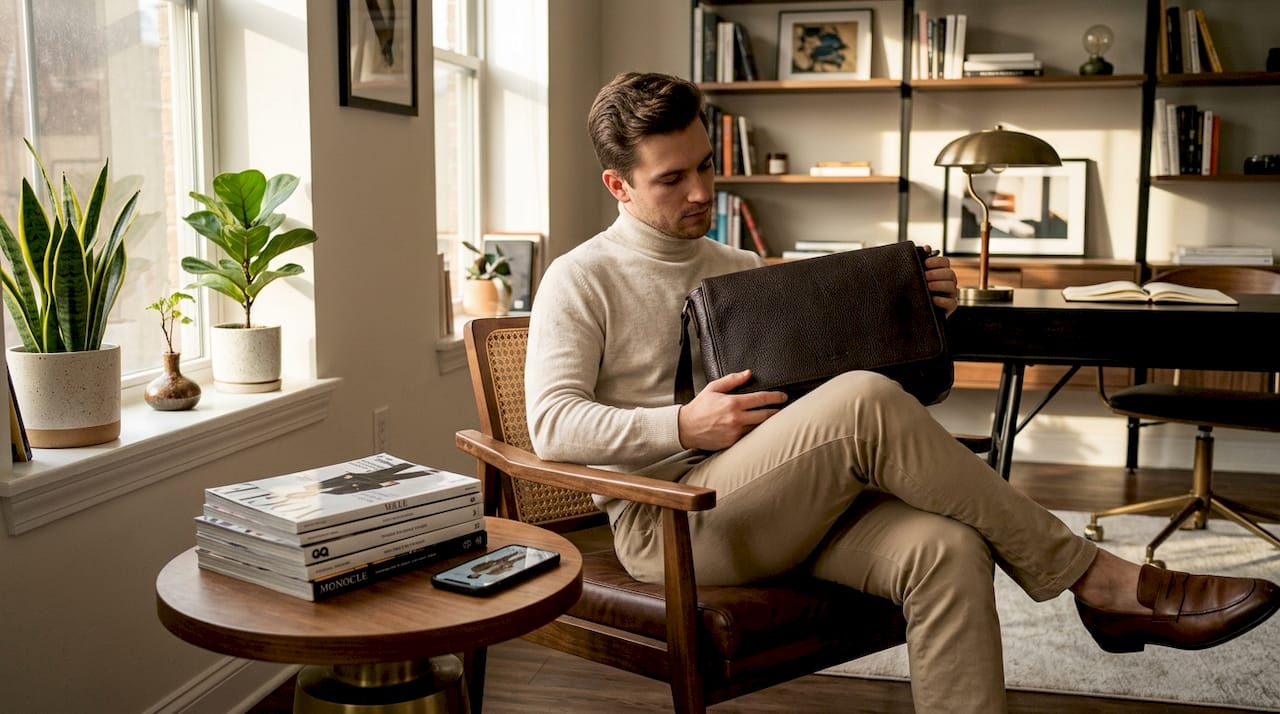
How to style: Pair a textured leather bag with slim wool trousers and a cashmere knit for that clean, pulled-together aesthetic that works from office to dinner without changing a thing.
4. Smart strategies for budget-conscious luxury shoppers
Loving luxury and being strategic about spending are not opposites. The most effective luxury shoppers treat their wardrobe as a portfolio, and every acquisition as an allocation decision.
- Build a dedicated luxury fund. Allocating 10 to 15% of monthly disposable income to a luxury fund removes guilt from purchases and keeps spending controlled. When the fund is full, you buy. When it isn’t, you plan.
- Buy fewer, better pieces. Two excellent bags worn constantly beat six mediocre ones. This is the core discipline of smart luxury shopping.
- Work the secondhand market. Authenticated resale platforms give you access to must-have designer items at 30 to 60% below retail. Condition matters, but many pre-owned pieces look nearly new with proper care.
- Invest in fit before brand. A 12-week focus on fit and foundation pieces creates a more polished look than a designer label worn incorrectly. A tailor is one of the best investments you can make.
- Maintain what you own. Steaming clothes and keeping shoes clean extends the life and perceived quality of your wardrobe for almost no cost. Read up on caring for designer accessories before the wear shows.
Pro Tip: Working with a personal shopper for curated picks saves time and reduces costly mistakes. They know what’s in stock, what’s about to go on sale, and what will still feel right in three years.
5. Comparing and prioritizing your luxury wishlist picks
Once your wishlist has several strong contenders, the final step is ranking them so you know exactly what to buy first. Use a simple three-factor scorecard. Rate each item from 1 to 5 on urgency, versatility, and investment value. The highest combined score wins the next purchase slot.
Here’s how common luxury fashion wishlist items stack up:
| Item | Urgency | Versatility | Investment value | Total score |
|---|---|---|---|---|
| Cashmere turtleneck | 5 | 5 | 3 | 13 |
| Structured leather bag | 4 | 5 | 5 | 14 |
| Tailored wool trousers | 4 | 5 | 3 | 12 |
| Slim-strap heeled sandals | 3 | 4 | 3 | 10 |
| Oversized bouclé blazer | 3 | 4 | 3 | 10 |
| Silk scarf | 3 | 5 | 4 | 12 |
| Statement jewelry cuff | 2 | 3 | 4 | 9 |
The structured leather bag scores highest because it checks every box: used daily, works across outfits, and holds resale value better than almost any apparel item. The best luxury wardrobe balances elevated classics with subtle modern updates that complement each other, so don’t neglect the cashmere or silk scarf just because the bag wins the first round.
Timing matters too. Outerwear and transitional pieces are best bought late in season when prices drop and secondhand inventory is strongest. Bags and shoes tend to hold price year-round at retail, making resale the smarter route for most shoppers.
My honest take on building a luxury wishlist that actually works
I used to think a good wishlist meant knowing which Chanel or Gucci releases to watch. It took me years to realize the list itself was the problem. It was reactive, driven by what I saw on runways or in my feed, and almost nothing on it reflected how I actually dress every day.
What changed everything was doing a real wardrobe audit. I pulled out every piece I owned, looked at what I actually reached for, and compared that to what had tags still attached. The results were embarrassing. I had spent more on exciting trend pieces than on the quiet, well-made staples that composed 90% of my daily outfits.
True luxury stems from intentionality, not from visible logos or price tags. Once I internalized that, my wishlist shrank from 30 items to eight. Every one of those eight was specific, purposeful, and tied to something I wore regularly. My cost-per-wear on new purchases dropped, my overall satisfaction went up, and I stopped feeling like I was always chasing something.
The advice I give anyone building a luxury wishlist now: start with your lifestyle, not the trends. If you work from home four days a week, a structured office blazer is inspiration, not a need. If you travel constantly, a lightweight wool coat and a single great bag will serve you better than a full capsule wardrobe refresh. Let your actual life tell you what belongs on the list.
— Camila
Shop the wishlist picks we love at Naiseshopper
Ready to act on your wishlist? Naiseshopper carries authenticated pieces from top luxury brands at prices that make investing in quality feel genuinely accessible.
Right now, two pieces stand out for wishlist shoppers. The Prada black leather floral heels deliver that rare combination of sculptural detail and real wearability, scoring high on both impact and versatility. For a more neutral option with serious elegance, the Valentino Garavani beige stiletto sandals are the kind of shoe that completes five different outfits. Both are authenticated, available now, and ship internationally with full purchase protection. Browse both before your next wishlist review at Naiseshopper.
FAQ
What makes a luxury item worth adding to a wishlist?
An item earns its place when it scores well on urgency, frequency of use, and overall style impact. If you’d reach for it regularly and it fills a genuine gap in your wardrobe, it qualifies.
How do I avoid impulse buys on luxury fashion?
Add potential purchases to your wishlist and wait at least two weeks before buying. Items that still feel necessary after the waiting period are the ones worth the investment.
Which luxury categories offer the best resale value?
Structured handbags, classic outerwear like trench coats, and fine jewelry consistently hold the strongest secondhand value. Trench coats in particular can resell at up to 70% of their original price.
Is it worth buying luxury items secondhand?
Absolutely. Authenticated resale platforms offer high-end pieces at significantly reduced prices, and many arrive in near-new condition. It’s one of the most practical ways to access exclusive fashion pieces within a planned budget.
How many items should be on a luxury wishlist at one time?
Keep it focused. A wishlist with five to ten items is far more useful than one with thirty. Prioritize the top three as active targets and move others into an inspiration section to revisit quarterly.