TL;DR:
- Luxury resale marketplaces handle over $32 billion annually and are rapidly approaching $100 billion by 2030. They offer authenticated, curated, pre-owned luxury items at significant discounts, combining expert inspection with advanced technology to ensure authenticity. Most buyers prefer full-service platforms for maximum safety, driven by buyer protections and sustainability benefits.
Over $32 billion in authenticated luxury fashion changes hands through resale marketplaces every single year, and that number is climbing fast toward $100 billion by the mid-2030s. For years, “discounted luxury” carried a whisper of doubt. But today’s most sophisticated shoppers know better. Fashion resale marketplaces have completely rewritten the rules, combining rigorous authentication, curated collections, and real price advantages to deliver the Chanel, Gucci, and Bottega Veneta pieces you love at prices that actually make sense.
Table of Contents
- What is a fashion resale marketplace?
- How authentication works: Building buyer confidence
- Comparing resale marketplace models: Consignment vs. peer-to-peer
- Why purchase luxury fashion through resale marketplaces?
- The hidden truth most luxury buyers miss about resale marketplaces
- Ready to explore authentic luxury resale?
- Frequently asked questions
Key Takeaways
| Point | Details |
|---|---|
| Verified luxury access | Fashion resale marketplaces deliver authenticated designer goods at significant savings. |
| Rigorous authentication | Expert and AI-powered checks protect buyers against counterfeits and risk. |
| Multiple buying models | Choose between full-service consignment, peer-to-peer, and hybrid buyout options. |
| Sustainability matters | Shopping pre-owned reduces environmental impact for conscious luxury consumers. |
| Legal and trust pitfalls | Stay alert for authenticity marketing claims—demand transparency and guarantees from platforms. |
What is a fashion resale marketplace?
With these numbers in mind, let’s clarify what exactly a fashion resale marketplace is and how it operates.
A fashion resale marketplace is a curated online platform where pre-owned luxury goods, including designer handbags, shoes, ready-to-wear apparel, watches, and accessories, are bought and sold between parties. What separates these platforms from a basic secondhand shop is the layer of professional curation and authentication that sits between you and the item. You are not browsing through an unverified pile. You are shopping a vetted edit of authenticated pieces, often at 30 to 70 percent below original retail.
The core structure of these platforms follows two main models. Full-service consignment platforms like The RealReal handle everything on behalf of the seller. As explained in The State of Luxury Resale, sellers ship items to the platform, which then handles authentication, professional photography, pricing, listing, and fulfillment, paying sellers a commission of 40 to 85 percent after the sale. Buyers interact with a polished, controlled experience from start to finish. Peer-to-peer platforms like Vestiaire Collective take a different approach, letting individual sellers list their own items while the platform provides authentication as a safety net.
Understanding the designer resale explained model helps you shop smarter. Here is what the best fashion resale marketplaces typically offer:
- Expert authentication on every item before it reaches the buyer
- Curated selections from top houses like Prada, Saint Laurent, Balenciaga, and Valentino
- Deep discounts compared to boutique retail pricing
- Buyer protection policies including money-back guarantees
- Global shipping with insurance options for high-value purchases
| Feature | Full-service consignment | Peer-to-peer |
|---|---|---|
| Authentication | Platform handles fully | Platform checks post-listing or post-sale |
| Seller effort | Minimal | High (listing, pricing, shipping) |
| Buyer confidence | Very high | Moderate to high |
| Price range | Mid to high | Varies widely |
| Best for buyers | Maximum peace of mind | Broader selection, negotiable prices |
Pro Tip: If you are new to luxury resale or purchasing a high-value piece, start with a full-service consignment platform. The end-to-end process is managed for you, and buyer protections are typically the strongest.
How authentication works: Building buyer confidence
Once you understand the platform basics, authentication steps guide what sets luxury resale apart from every other secondhand channel.
Authentication is the beating heart of any credible luxury resale marketplace. Without it, the entire value proposition collapses. The good news is that today’s leading platforms use layered, multi-stage processes that combine human expertise with cutting-edge technology to catch even the most sophisticated fakes.
Here is how a rigorous authentication process typically unfolds:
- Visual and tactile inspection by trained experts who examine stitching quality, hardware finish, leather grain, and label placement specific to each brand
- Serial number and date code verification cross-referenced against proprietary databases of known authentic items
- AI-powered image analysis that scans thousands of micro-details simultaneously, flagging inconsistencies invisible to the human eye
- Blockchain tracking for certain high-value categories, creating an immutable ownership record that follows the item across resales
- Post-sale physical inspection for premium purchases, adding a final layer of confidence before delivery
Authentication methodologies now combine expert inspection of stitching, materials, and serial numbers with AI, blockchain, and proprietary databases. The RealReal, for example, deploys Vision and Shield AI systems, while Vestiaire Collective conducts digital pre-listing review plus a physical post-sale check for high-value items. These are not token gestures. They are serious, layered systems designed to protect you.
“Authentication has become the new gold standard in luxury resale. It is no longer a nice-to-have feature. It is the entire foundation of buyer trust.” — Industry consensus, CNBC 2025
The rise of superfakes remains the top risk in this space. Counterfeit goods have become so sophisticated that even experienced collectors can be fooled. Platforms counter this with AI plus expert review combinations, and most leading marketplaces back their authentication with money-back guarantees. Understanding why authentication matters before you purchase is essential, and reading a thorough authentication guide will help you evaluate any platform’s process before committing.
| Authentication method | The RealReal | Vestiaire Collective | Fashionphile |
|---|---|---|---|
| Expert human inspection | Yes | Yes | Yes |
| AI image analysis | Yes (Vision + Shield) | Partial | Partial |
| Serial database check | Yes | Yes | Yes |
| Blockchain tracking | Selective | Selective | No |
| Money-back guarantee | Yes | Yes | Yes |
Comparing resale marketplace models: Consignment vs. peer-to-peer
Knowing how authentication works, it is important to choose the model that best fits your comfort with risk and convenience.
Not all resale platforms operate the same way, and the model a platform uses directly affects your experience as a buyer. Three main structures dominate the luxury resale landscape today, and each has distinct trade-offs worth understanding before you shop.
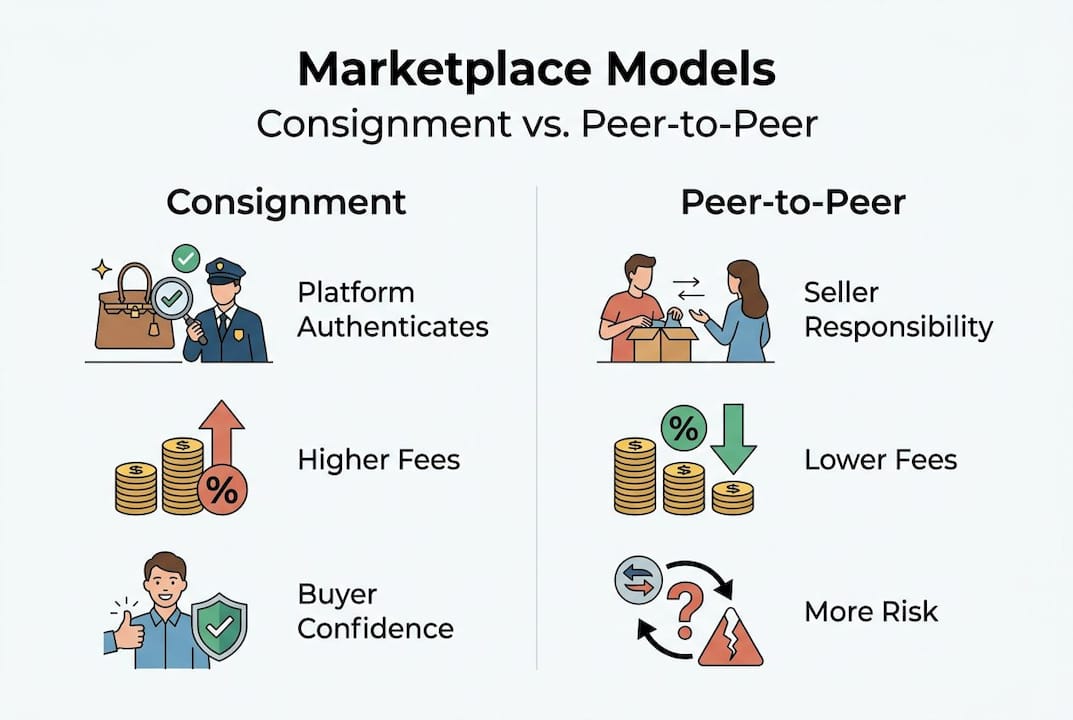
Full consignment is the gold standard for buyer confidence. Sellers ship items directly to the platform. The platform authenticates, photographs, prices, and lists the item. When it sells, the platform handles shipping and customer service. The RealReal is the clearest example of this model. Full consignment platforms like The RealReal allow sellers to keep 40 to 85 percent of the sale price while requiring zero effort beyond shipping the item in. Buyers interact with a polished, fully managed experience.

Peer-to-peer platforms like Vestiaire Collective charge sellers a fee of 12 to 25 percent while placing the responsibility of listing, pricing, and shipping on the seller. Authentication still happens, but the buyer is interacting more directly with an individual seller rather than a centralized, managed inventory. This model can surface a wider variety of items and sometimes lower prices, but the experience is less uniform.
Buyout or hybrid models like Fashionphile offer sellers an instant payout in exchange for the item, which the platform then resells at its own margin. For buyers, this means shopping a fully owned, fully authenticated inventory. Prices can be slightly higher, but so is consistency.
Here is a quick breakdown of what matters most to buyers across each model:
- Consignment: Highest buyer protection, most consistent quality, slightly narrower selection
- Peer-to-peer: Broader selection, potential for lower prices, more variability in condition descriptions
- Buyout/hybrid: Consistent inventory quality, streamlined buying experience, platform assumes full ownership risk
Exploring the benefits of pre-owned luxury across these different models helps you match your shopping style to the right platform. If you value a seamless, worry-free transaction above all else, full consignment is your best bet. If you enjoy the hunt and want maximum selection, peer-to-peer opens up exciting possibilities.
Pro Tip: Affluent buyers who prioritize total peace of mind consistently gravitate toward full-service consignment platforms. The slightly narrower selection is a small trade-off for knowing every step of the process was handled by professionals.
Why purchase luxury fashion through resale marketplaces?
Understanding the key marketplace types leads naturally to the question of why discerning shoppers choose resale for their luxury needs.
The case for resale is stronger than ever, and it goes well beyond saving money. Yes, the price advantages are real and significant. A pre-owned Gucci Dionysus or a gently worn Chanel Classic Flap can be found at 40 to 60 percent below boutique retail. But that is just the beginning of why sophisticated buyers are making resale a core part of their fashion strategy.
Here is what makes resale marketplaces genuinely compelling for the discerning shopper:
- Access to discontinued styles that are no longer available through brand boutiques, including rare colorways and limited editions
- Investment potential on select pieces, particularly Chanel, Hermès, and Rolex, which have historically appreciated in value over time
- Sustainability with style, since buying pre-owned extends the lifecycle of a luxury item and reduces demand for new production
- Immediate availability of pieces that might have waitlists of months or years at retail
- Global reach through platforms that source inventory from sellers worldwide, giving you access to pieces that never appeared in your local market
Sustainability is a genuine growth driver among younger affluent buyers, not just a talking point. Choosing resale is a meaningful way to align your wardrobe with responsible consumption values without compromising on the quality or prestige of what you wear.
“The most stylish decision is often the most considered one. Resale lets you shop beautifully and thoughtfully at the same time.”
The value of designer resale becomes even clearer when you consider the investment angle. Certain Chanel bags have outperformed traditional investment vehicles over the past decade, and the luxury fashion trends shaping 2026 are making specific categories, like structured top-handle bags and quiet luxury accessories, especially desirable on the resale market right now.
Pro Tip: Track resale prices for Chanel, Hermès, and Bottega Veneta regularly. These brands consistently hold or grow in value on the secondary market, making them smart purchases whether you plan to wear them for years or eventually resell.
The hidden truth most luxury buyers miss about resale marketplaces
After outlining mainstream resale benefits, let’s go deeper with a rarely discussed but essential reality.
Here is something most resale guides will not tell you directly: not all authenticity claims are created equal, and some platforms use language that sounds more protective than it actually is. The phrase “100% guaranteed authentic” appears across marketing materials industry-wide, but the legal and practical weight behind that claim varies enormously from platform to platform.
Resale platforms face real legal exposure when they overclaim authenticity, for example by stating “100% guaranteed” without caveats, or by implying a brand affiliation that does not exist. The first-sale doctrine protects the legal right to resell authentic goods, but it does not protect misleading marketing language. Platforms have faced lawsuits for exactly this kind of overclaiming, and the cases are becoming more common as the resale market grows.
What does this mean for you as a buyer? It means you need to read the fine print, not just the marketing headline. A platform with a rigorous, multi-step authentication process and a clear, no-questions-asked money-back guarantee is genuinely protecting you. A platform that uses bold “100% authentic” language but buries vague caveats in its terms of service is not offering the same protection, even if the marketing looks identical.
The rise of superfakes has made this distinction even more urgent. These are counterfeits so technically advanced that they pass casual inspection and sometimes even fool automated systems. The only real defense is a platform that invests deeply in human expertise combined with technology, and that stands firmly behind its authentication with real financial accountability.
We recommend approaching any luxury resale purchase with a clear checklist. Does the platform explain its authentication process in specific, verifiable detail? Does it offer a money-back guarantee with clear terms? Does it have a track record of resolving disputes fairly? These questions matter far more than how confident the homepage looks. The investment perspective on luxury resale is genuinely exciting, but only when you are buying from a platform that earns your trust through transparency, not just bold claims.
Ready to explore authentic luxury resale?
You now have a clear, insider-level understanding of how fashion resale marketplaces work, what separates genuine buyer protection from marketing noise, and why the world’s most discerning shoppers are making resale a core part of their luxury wardrobe strategy.
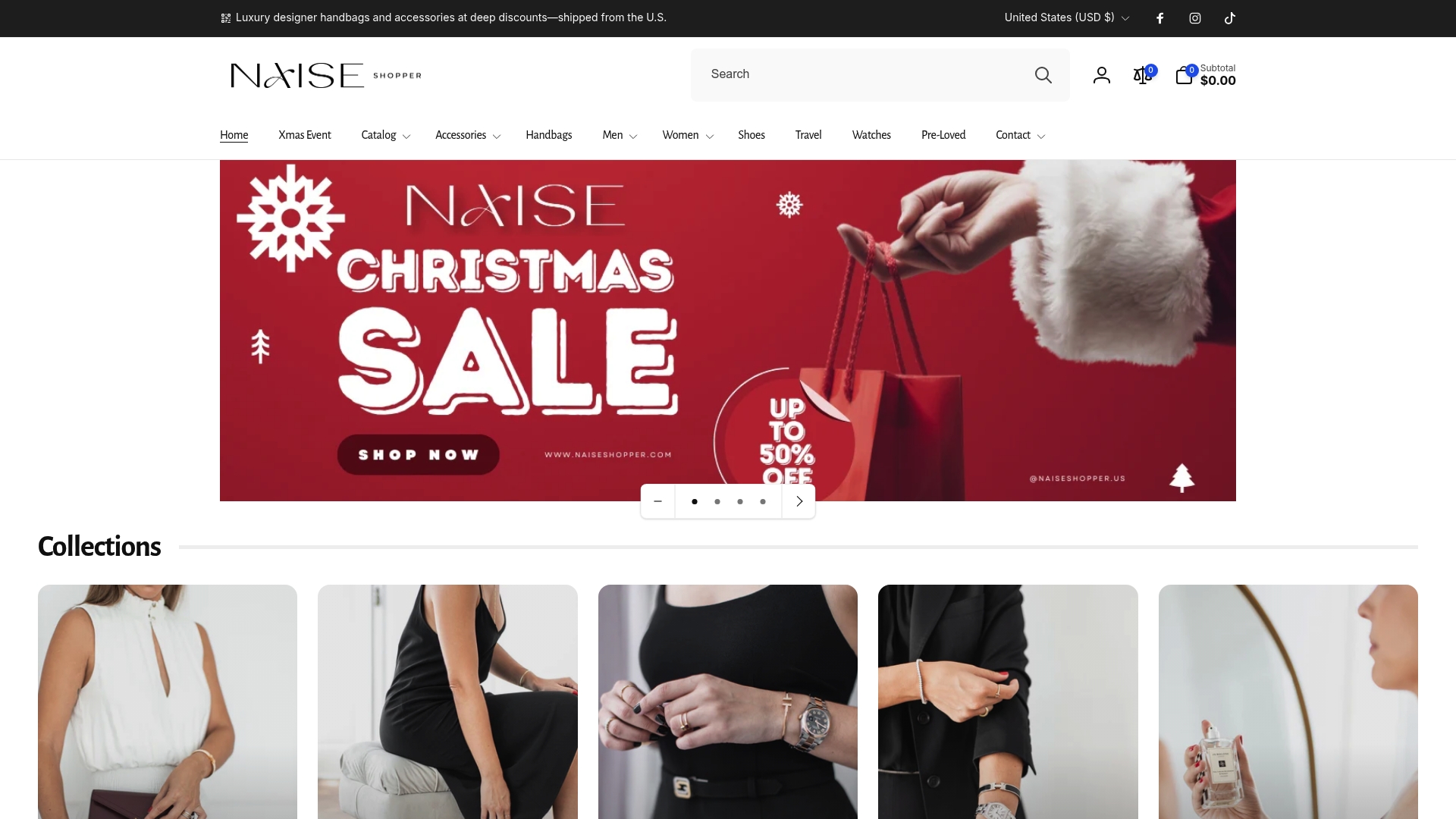
At Naise Shopper, we bring together authenticated pieces from Gucci, Chanel, Prada, Valentino, Bottega Veneta, Saint Laurent, and Balenciaga, all at deep discounts with full authenticity guarantees. Our curated collections are updated regularly, with international shipping, flexible payment options, and personal shopper support available for every purchase. Browse our authenticated luxury collections and discover what it feels like to shop designer fashion with complete confidence, at prices that genuinely surprise you.
Frequently asked questions
How do I know if an item on a resale marketplace is authentic?
Leading platforms use layered authentication methods combining expert inspection of stitching, materials, and serial numbers with AI and proprietary databases, typically backed by a money-back guarantee for full peace of mind.
Why are items on resale marketplaces often much cheaper than retail?
Pre-owned goods are priced below new retail because they have had a previous owner, creating strong value for buyers even as the luxury resale market continues to grow toward $100 billion globally.
What is the difference between consignment and peer-to-peer resale platforms?
Consignment platforms like The RealReal manage the entire process for sellers, while peer-to-peer models like Vestiaire Collective require sellers to list, price, and ship items themselves, with the platform providing authentication as a safety layer.
Is shopping pre-owned luxury sustainable?
Absolutely. Resale extends the lifecycle of high-quality fashion pieces and reduces demand for new production, and sustainability is actively driving growth among younger affluent buyers who want their style choices to reflect their values.