TL;DR:
- Pre-owned designer fashion is gaining popularity due to better access to rare pieces, lower prices, and sustainable consumption. Authenticity verification and quality assessment are essential for protecting investment and ensuring lasting value. Shopping pre-owned offers a more thoughtful, intentional approach to luxury that reshapes traditional notions of status and fashion values.
The idea that only brand-new designer goods can signal real status is quietly falling apart. Savvy shoppers worldwide are discovering that pre-owned luxury offers something the boutique experience often can’t: access to rare pieces, significantly lower prices, and a more thoughtful approach to fashion consumption. This article walks you through why pre-owned designer is gaining serious momentum, how to evaluate quality and authenticity, what sustainability really means in this context, and how to shop with confidence so every purchase feels like a win.
Table of Contents
- What makes pre-owned designer appealing?
- The real value: Quality, style, and lasting impact
- How authentication protects your investment
- Sustainability: The real environmental impact of buying pre-owned
- A smarter way to luxury: What most people miss about pre-owned designer
- Experience the benefits with authenticated pre-owned luxury
- Frequently asked questions
Key Takeaways
| Point | Details |
|---|---|
| Real luxury, real savings | Pre-owned designer offers authentic style and quality at a fraction of the new price. |
| Proof of authenticity | Buy only from trusted sources that back every item with real inspection and certificates. |
| Sustainability with intention | Genuine environmental impact comes when secondhand purchases replace buying new. |
| Access rare and classic pieces | Explore unique finds and vintage designs no longer sold in stores. |
| Smart, stylish investment | With careful curation, pre-owned luxury can retain or even grow in value over time. |
What makes pre-owned designer appealing?
Pre-owned designer fashion has moved well beyond the image of dusty thrift store racks. Today, it represents one of the most exciting corners of the luxury market, and the numbers back that up. Nearly 28% of respondents’ closets are now bought secondhand, with affordability ranking as the top driver in both North American and European markets. Authentication and verification features also rank high among consumer priorities.
The appeal is layered. Yes, price plays a major role, but so does access. Pre-owned channels are often the only place you can find discontinued Prada styles, vintage Chanel flap bags from specific seasons, or limited-edition Bottega Veneta pieces that sold out years ago. Buying new simply cannot offer that.
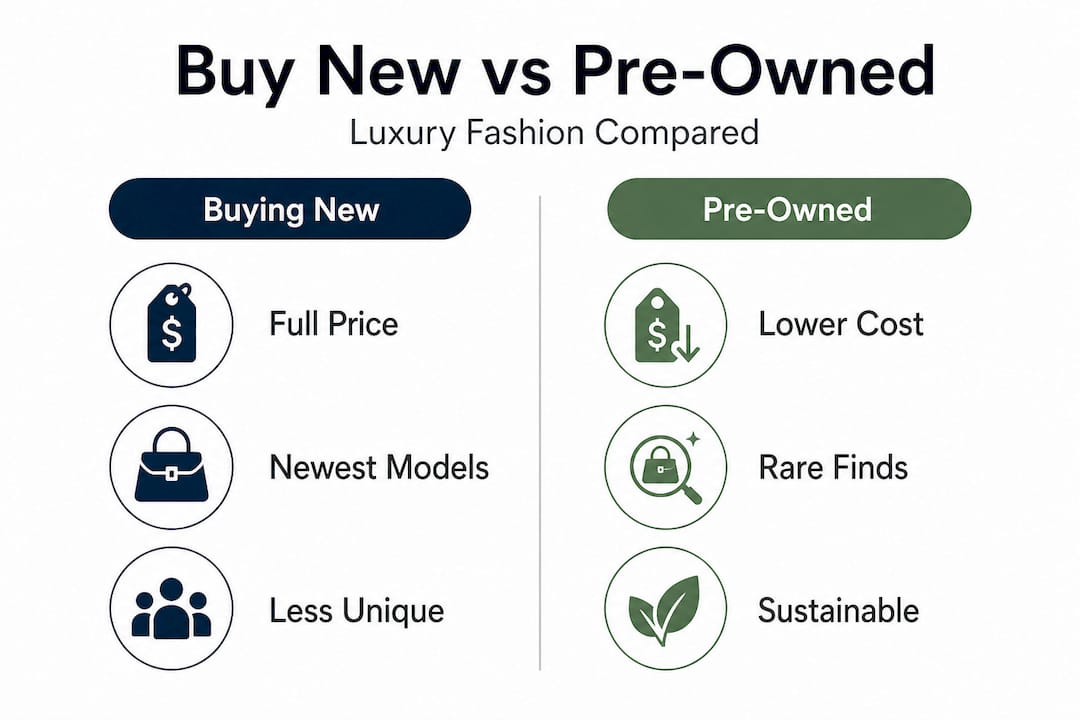
Here is a quick comparison of buying new versus pre-owned designer:
| Factor | Buying new | Buying pre-owned |
|---|---|---|
| Price | Full retail or above | Typically 30% to 70% lower |
| Access to rare pieces | Limited to current inventory | Wide access to vintage and discontinued |
| Sustainability | Higher environmental cost | Lower footprint when displacing new buys |
| Authenticity assurance | Guaranteed by brand | Depends on seller verification |
| Resale potential | Depreciates quickly | Often retains or gains value |
Understanding the value and investment motivations behind pre-owned purchases helps clarify why this isn’t just a trend. It’s a permanent shift in how fashion-forward consumers relate to luxury.
Why do shoppers choose pre-owned designer? Here are the most compelling reasons:
- Save significantly on pieces that would cost two to three times more new
- Access rare and discontinued styles from Gucci, Saint Laurent, Balenciaga, and more
- Enjoy luxury with less financial risk, since pre-owned items depreciate more slowly
- Discover unique vintage pieces that add character and individuality to any wardrobe
- Reduce environmental impact by extending the life of existing garments and accessories
The smart appeal of discounted designer fashion goes beyond frugality. It is about shopping with intention and getting more from every dollar you spend.
The real value: Quality, style, and lasting impact
Appeal is just the start. Now, let’s go deeper into what delivers true value in the world of pre-owned luxury.
Designer pieces are built differently. The stitching on a Chanel classic flap, the buttery leather of a Saint Laurent Sac de Jour, the architectural hardware on a Valentino Rockstud bag: these are not details that fade with time. High-quality craftsmanship and premium materials are precisely why pre-owned designer items hold their appeal across decades. A well-maintained Gucci bag from ten years ago can look just as striking today as it did when it first hit the runway.
BCG reports nearly 28% of respondents’ closets are bought secondhand, and a key reason is that consumers recognize the enduring quality of designer goods. When you buy a pre-owned Prada nylon backpack or a Balenciaga City bag, you are not buying a compromised product. You are buying a piece that was built to last and has already proven it can.
Here is how to evaluate pre-owned designer items for lasting value:
- Assess materials and construction — Look for intact stitching, original hardware, and quality leather or fabric with no structural damage.
- Check for signature design elements — Iconic details like Chanel’s quilting or Bottega Veneta’s intrecciato weave should be precise and consistent.
- Research the item’s history — Limited editions, seasonal exclusives, and heritage styles often carry higher long-term value.
- Review condition grading — Reputable sellers use standardized grades (like “excellent” or “very good”) to help you set accurate expectations.
- Consider resale and heirloom potential — Some pieces, particularly Chanel and Hermès, appreciate in value or become treasured pieces passed down through generations.
The top benefits of designer purchases become even more pronounced in the pre-owned market. You get the same craftsmanship at a fraction of the price, and in some cases, you get a piece that is no longer available anywhere else.
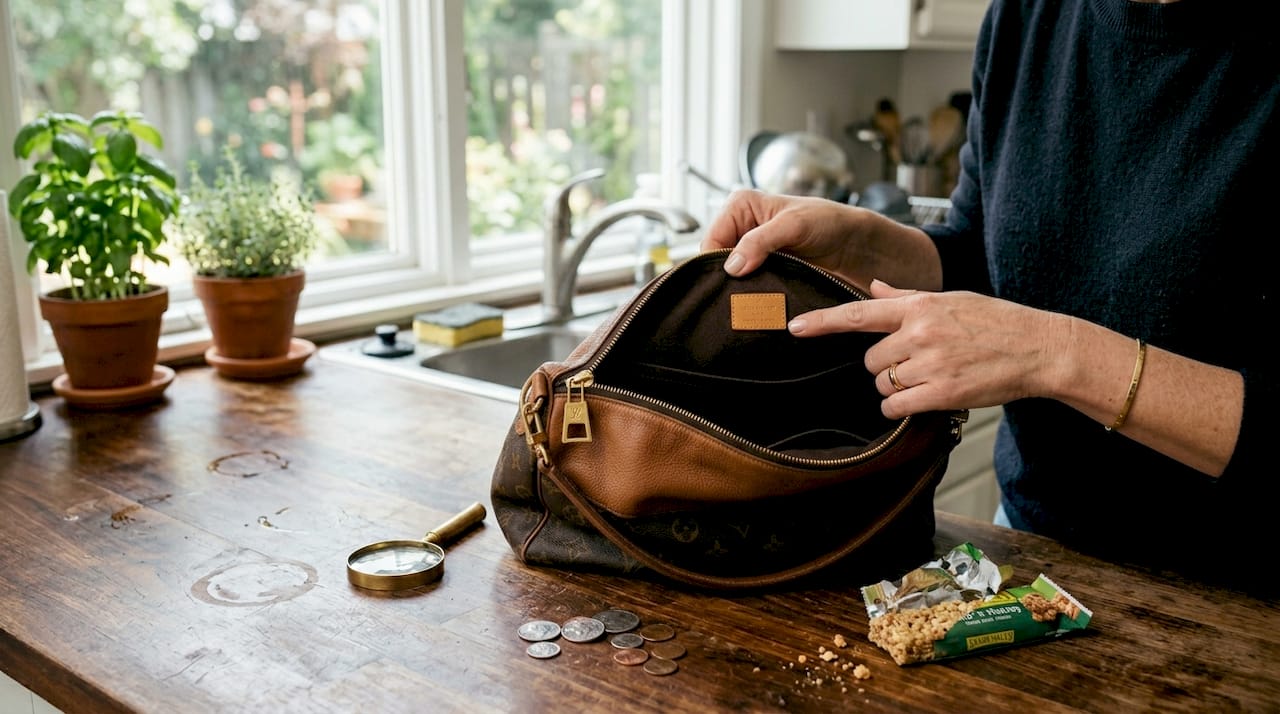
Pro Tip: When evaluating a pre-owned designer bag, focus on the zipper pull and interior lining first. These areas show wear fastest and reveal the most about how the piece was cared for. A pristine interior on a bag with minor exterior patina is actually a great sign of quality.
The 7 key advantages of pre-owned luxury include style versatility, financial value, and access to investment-grade pieces. And the secondhand designer bag investment potential is increasingly hard to ignore, with certain styles consistently outperforming traditional asset classes over time.
How authentication protects your investment
As value and style draw you in, authentication ensures your choice is protected. Let’s look at this more closely.
Authentication is not optional. It is the single most important factor separating a smart pre-owned purchase from a costly mistake. The proof-of-authenticity infrastructure — including physical inspections and supporting documentation — is what shoppers rely on most when choosing where to buy secondhand designer goods. Alongside this, clarity about item condition and transparent marketing claims are equally critical.
Proof of authenticity is non-negotiable. Without documented verification from a credible source, you are not buying luxury. You are buying a risk.
What does strong authentication actually look like? Here is what to look for and ask about before you commit to a purchase:
- Certificate of authenticity — A written document from the seller or a third-party authentication service confirming the item is genuine
- Inspection report — A detailed assessment of the item’s condition, materials, and identifying features
- Seller authentication policy — A clear, written guarantee that covers what happens if an item is later found to be inauthentic
- Brand-specific identifiers — Serial numbers, date codes, dust bags, and original receipts where available
- Third-party verification — Authentication from recognized services adds an additional layer of confidence
Understanding why authentication matters is especially important as the resale market grows. More volume means more opportunity for counterfeit goods to slip through. The best platforms invest heavily in their verification processes precisely because their reputation depends on it.
Pro Tip: Before purchasing, ask the seller directly: “What happens if this item is independently authenticated as not genuine?” A confident, clear answer with a money-back guarantee is a green flag. Vague or evasive responses are a red flag.
Use this guide to authenticated pre-loved fashion to sharpen your eye, and learn how to spot authentic designer bags by examining specific brand details. You can also explore how to choose authentic accessories across categories beyond handbags.
Common pitfalls to avoid include buying from private sellers with no return policy, ignoring missing hardware or serial numbers, and assuming a low price is always a bargain. Sometimes a price that seems too good signals exactly that.
Sustainability: The real environmental impact of buying pre-owned
Trust and value set the foundation, but what about the environment? Here is where the real impact comes into play.
Pre-owned shopping has been widely celebrated as the eco-conscious choice, and in many cases, it genuinely is. But the full picture is more nuanced. Sustainability outcomes depend on displacement, not just the act of buying secondhand. If a pre-owned purchase replaces something you would have bought new, the environmental benefit is real. If it simply adds to your total consumption, the impact is far less clear.
This is sometimes called the “behavioral rebound” effect. A shopper who buys five pre-owned pieces they would not have otherwise purchased is not necessarily making a greener choice than someone who buys one new, high-quality item they will use for years. Intention matters as much as the transaction itself.
Here is how to ensure your pre-owned purchase genuinely supports sustainability goals:
- Replace, don’t add — Buy pre-owned to replace a new purchase you were already planning, not to expand your collection beyond what you need.
- Choose quality over quantity — One well-made Gucci loafer that lasts a decade beats five fast-fashion alternatives every time.
- Care for what you own — Extend the life of your pre-owned pieces with proper storage, cleaning, and maintenance.
- Sell or donate what you no longer use — Keep items in circulation rather than letting them sit unused in your closet.
- Support transparent sellers — Platforms that clearly communicate sourcing, condition, and environmental practices are more likely to align with genuine sustainability values.
Watch for these red flags that suggest “greenwashing” in the resale space:
- Vague claims like “eco-friendly” with no specific data or practices cited
- No information about how items are sourced, inspected, or shipped
- Excessive packaging that contradicts any sustainability messaging
- Pressure to buy more to “save the planet” without any behavioral guidance
- No policy on returns or unsold inventory
Exploring the impact of pre-owned fashion on both your wardrobe and the environment helps you shop with real clarity. The goal is not just to feel good about your purchase. It is to make choices that are genuinely better.
A smarter way to luxury: What most people miss about pre-owned designer
With the practical considerations clear, let’s step back for a fresh look at the bigger meaning behind the shift to pre-owned designer.
Here is something the mainstream luxury world rarely acknowledges: pre-owned shopping is not a compromise. It is actually a more sophisticated relationship with fashion. When you buy pre-owned, you are making a deliberate choice. You researched the piece. You verified its authenticity. You considered its history, its condition, and its future in your wardrobe. That is not the behavior of someone who couldn’t afford new. That is the behavior of someone who genuinely understands value.
The conventional definition of luxury status is built around newness. The shiny box, the tissue paper, the receipt. But that definition is increasingly outdated. Real status, in 2026, looks like knowing that your vintage Chanel was authenticated by experts, that it carries a history no boutique can replicate, and that you paid a fraction of what it would cost new. That is not frugal. That is sharp.
There is also something worth saying about how pre-owned luxury reshapes our values around fashion. When you invest in a smart investment perspective on a pre-owned Bottega Veneta or a rare Saint Laurent, you are choosing longevity over novelty. You are choosing craft over hype. That shift in mindset has a ripple effect. It makes you more selective, more intentional, and ultimately more satisfied with what you own.
The brands that underestimate this shift are the ones still insisting that only new carries prestige. The consumers who have already moved on know better.
Experience the benefits with authenticated pre-owned luxury
Ready to put everything you have learned into action? Naise Shopper makes it easy to explore a curated selection of authenticated pre-owned designer pieces from the world’s most coveted brands, including Chanel, Gucci, Prada, Valentino, Bottega Veneta, Saint Laurent, and Balenciaga.
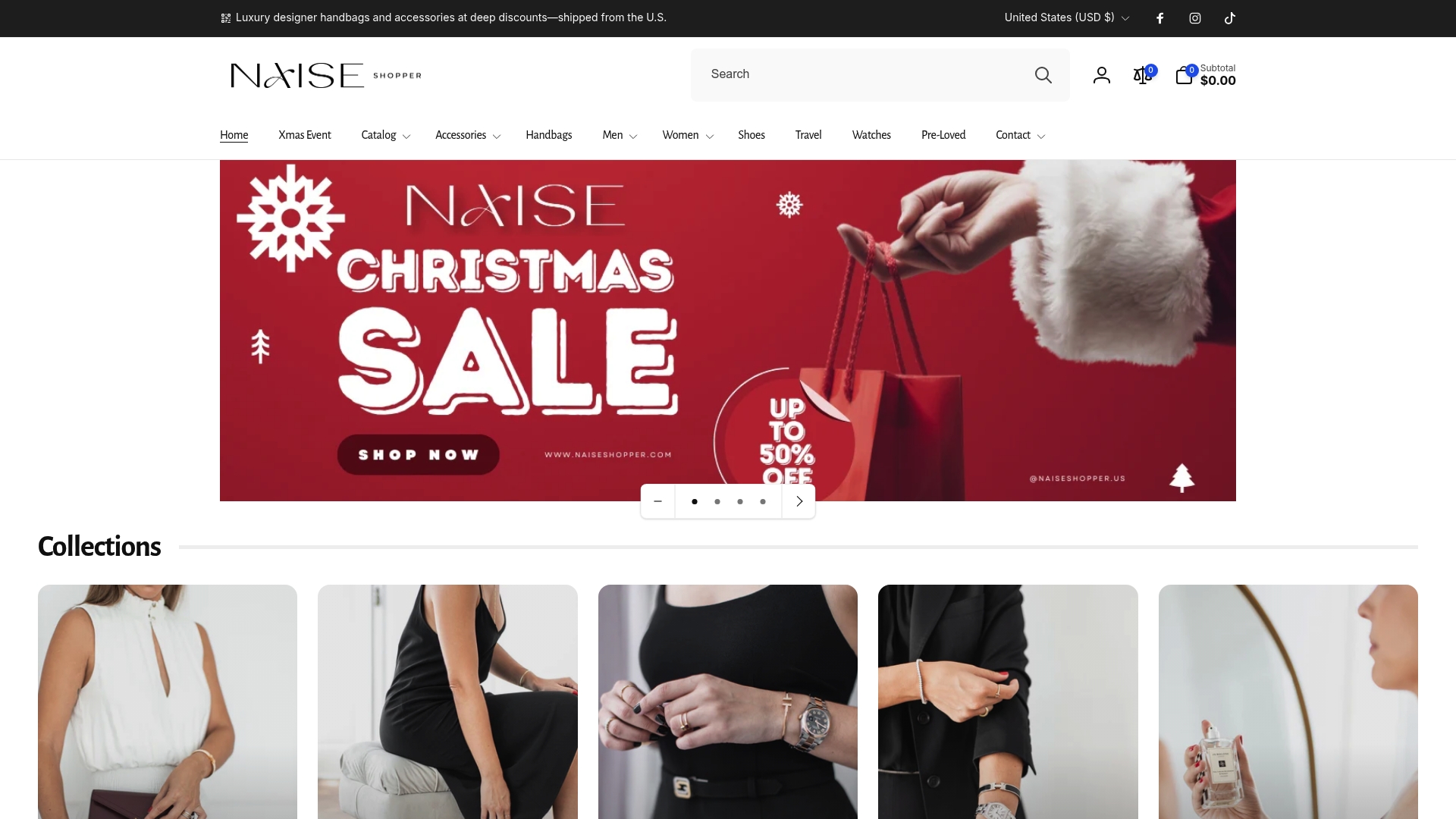
Every item on the platform comes with authenticity guarantees, detailed condition reporting, and the kind of expert curation that turns browsing into a genuinely exciting experience. Whether you are searching for a rare discontinued style or your first entry into designer fashion, the process is seamless. Secure international shipping, flexible payment options, and personal shopper assistance mean you shop with complete confidence from anywhere in the world. Start exploring today and discover what pre-owned luxury really looks like at its best.
Frequently asked questions
Are pre-owned designer items always authentic?
Only if purchased from reputable sources that guarantee and verify authenticity with clear documentation. Proof-of-authenticity infrastructure including inspection and documentation is critical to any trustworthy transaction.
Do secondhand designer purchases actually help the environment?
They do if the purchase replaces what you would have bought new, but not if it simply adds to your total consumption. Sustainability outcomes depend on displacement, not just the act of buying secondhand.
Why are pre-owned designer items less expensive?
Because they are not sold as new, which reduces the price, but buyers still enjoy the same luxury quality and style. Affordability is the top driver for secondhand fashion adoption globally.
What should I check before buying pre-owned designer fashion?
Always verify authenticity, review the item’s condition grade, and confirm there is a return or authenticity guarantee in place. Proof-of-authenticity infrastructure and clear condition claims are the two most critical factors to evaluate before any purchase.