Pre-owned designer luxury items are no longer a secret among savvy shoppers. They are a deliberate, confident choice. The idea that secondhand means second-rate is fading fast, and for good reason. Today’s most discerning buyers are discovering that 20-60% discounts on authentic Chanel, Gucci, and Prada pieces are very real. Whether you are building a curated wardrobe, hunting for a rare vintage find, or treating your closet like a portfolio, pre-owned designer shopping delivers on every front. This guide breaks down the value, the authenticity, the sustainability angle, and exactly how to buy with total confidence.
Table of Contents
- The secondhand luxury boom: Market growth and changing attitudes
- Top reasons affluent buyers choose pre-owned designer items
- Maximizing value: Price, quality, and investment upside
- How to ensure authenticity and buy with confidence
- Sustainability, rarity, and personal style: The luxury resale edge
- Smart shopping: Tips for buying pre-owned luxury online
- Discover authentic pre-owned designer pieces with Naise Shopper
- Frequently asked questions
Key Takeaways
| Point | Details |
|---|---|
| Maximize luxury value | Pre-owned designer items provide luxury brands at up to 60 percent off retail, letting you access more for less. |
| Shop sustainably | Buying pre-owned supports sustainability by extending item life and reducing waste. |
| Find unique treasures | The resale market unlocks rare, vintage, or discontinued pieces otherwise unavailable new. |
| Invest wisely | Many designer goods hold or increase value, with some pieces outperforming traditional investments. |
| Prioritize authenticity | Always choose trusted, reputable sellers with thorough authentication processes to avoid counterfeits. |
The secondhand luxury boom: Market growth and changing attitudes
The pre-owned designer market is not a niche anymore. It is a global force reshaping how affluent consumers think about luxury. The secondhand luxury market is valued at $210-220 billion in 2025, growing three times faster than new luxury, and projected to reach $320-360 billion by 2030. That is a 10% compound annual growth rate that outpaces virtually every other segment in fashion.
What is driving this surge? Three forces stand out:
- Affordability: Buyers access the same iconic pieces at a fraction of retail cost.
- Sustainability: Eco-conscious shoppers want to reduce fashion’s environmental footprint.
- Access: Rare and discontinued styles are only available on the resale market.
Perceptions have shifted dramatically. Pre-owned no longer signals budget constraints. Among affluent Millennials and Gen Z buyers, it signals intelligence. Resale is now a status move, not a compromise. Understanding the key benefits of buying pre-owned luxury helps explain why this shift is permanent, not a passing trend.
“The secondhand luxury market is growing three times faster than the primary market, driven by value-seeking, sustainability, and access to rare pieces.” — BCG, 2025
The value and impact of designer resale go far beyond price tags. This is a cultural and financial movement that is only accelerating.
Top reasons affluent buyers choose pre-owned designer items
With rapid growth explained, let’s look at why the world’s most discerning shoppers are flocking to the resale market. The motivations are layered, personal, and surprisingly strategic.
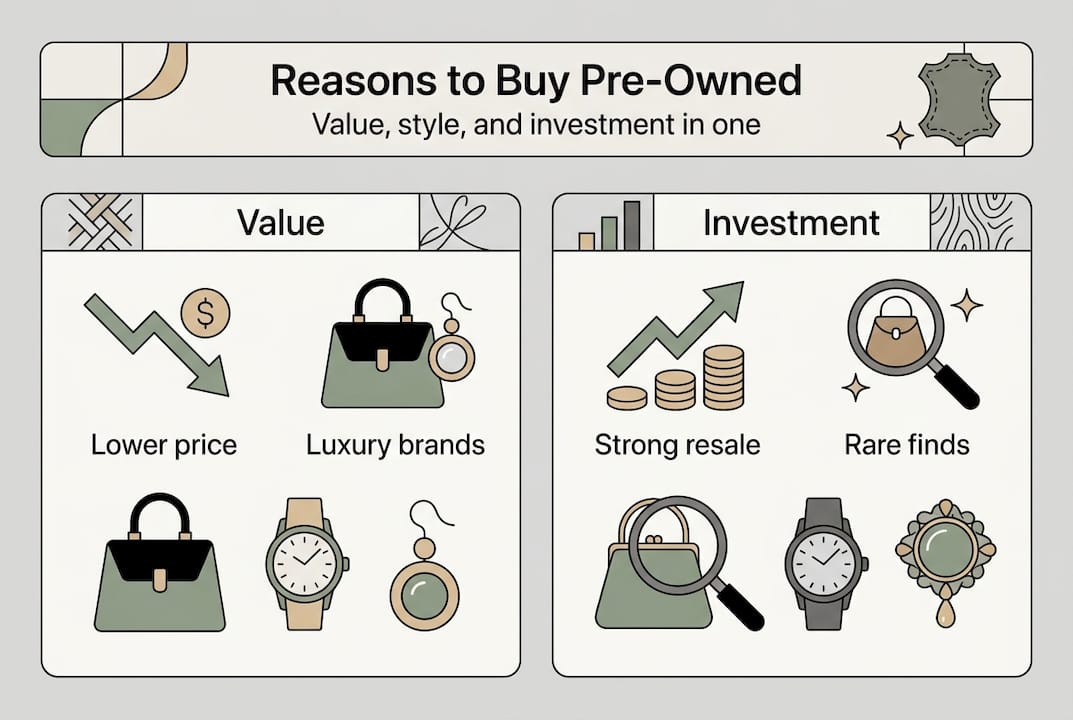
Affluent consumers buy pre-owned for value-maximization, trade-up potential, sustainability signaling, and portfolio diversification. These are not impulse decisions. They are calculated moves.
Here are the core reasons buyers keep coming back:
- Value: Unlock iconic designer pieces for 20-60% less than retail. Your budget stretches further without sacrificing quality.
- Rarity: Find limited-edition, discontinued, or vintage styles that simply do not exist in boutiques anymore.
- Sustainability: Extend a product’s life and reduce waste. 87% of US buyers cite affordability as a top driver, and eco-consciousness is rising fast alongside it.
- Style experimentation: Try a bold Bottega Veneta silhouette or a classic Saint Laurent bag without the full retail commitment.
- Trade-up potential: Buy, enjoy, and resell. Pre-owned pieces often retain value well, making it easy to refresh your lineup.
- Smart signaling: Among fashion insiders, buying pre-owned signals taste and knowledge, not limitation.
Pro Tip: Before purchasing, research the specific model’s resale history. Pieces with strong resale demand, like classic Chanel flap bags or Gucci Dionysus styles, give you the most flexibility to trade up later.
Understanding the major buying motivations behind pre-owned luxury helps you shop with intention. And trusting online luxury shops starts with knowing what reputable platforms offer beyond just a price tag.
Maximizing value: Price, quality, and investment upside
Beyond initial motivations, the numbers tell a compelling story about what you really get when you buy pre-owned. New luxury items can lose 10-20% of their value the moment they leave the boutique. Pre-owned pieces avoid that rapid depreciation, and some actually appreciate over time.
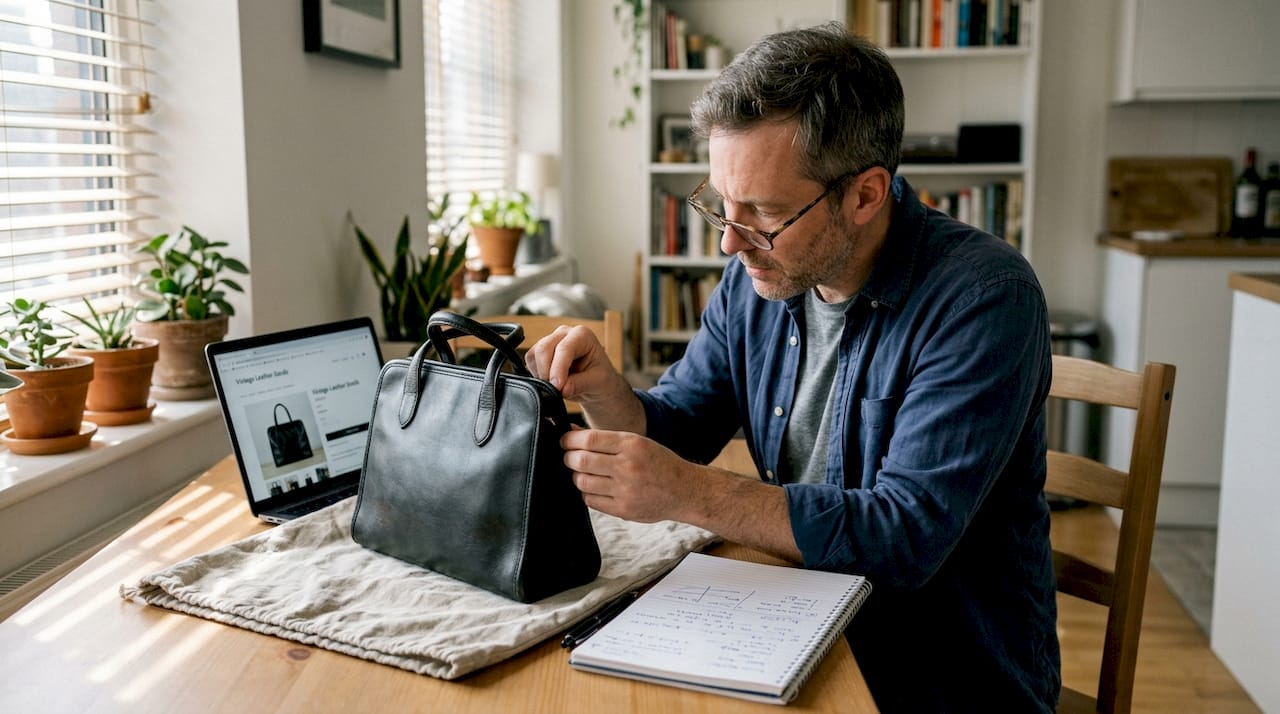
The most famous example? The Hermès Birkin bag delivers a 14.7% annual return over decades, outperforming many traditional asset classes. But it is not just Birkins. Classic Chanel flap bags, limited Prada nylon pieces, and select Balenciaga styles have all shown strong resale performance.
| Item | Retail price (new) | Pre-owned price | Potential resale value |
|---|---|---|---|
| Chanel Classic Flap (medium) | $10,800 | $6,500-$8,000 | $7,500-$11,000+ |
| Hermès Birkin 30 | $12,000+ | $15,000-$25,000 | $18,000-$30,000+ |
| Gucci Dionysus (GG Supreme) | $3,200 | $1,200-$1,800 | $1,500-$2,200 |
| Saint Laurent Loulou | $2,650 | $900-$1,400 | $1,100-$1,700 |
What features signal strong investment potential? Look for iconic silhouettes, limited production runs, classic colorways, and hardware in excellent condition. Pieces from heritage houses with consistent demand hold value best.
Pro Tip: Focus on choosing investment-value pieces with timeless appeal rather than trend-driven styles. A classic black Chanel will always outperform a seasonal novelty bag on resale.
For a deeper look at the numbers, explore luxury bag investment basics and the specific case for vintage bags value and returns.
How to ensure authenticity and buy with confidence
If the opportunity is so great, what is the catch, and how do you guard your investment? Counterfeits are real, and the market has grown sophisticated. But so have authentication methods.
Modern multi-point authentication checks, including AI-driven tools like Entrupy and expert human review, now achieve 99%+ accuracy. Here is what a thorough authentication process covers:
- Serial numbers and date codes: Every major designer uses internal coding systems. Mismatched or missing codes are immediate red flags.
- Stitching quality: Authentic pieces have consistent, tight stitching. Uneven threads or skipped stitches signal a fake.
- Hardware weight and finish: Genuine hardware feels substantial. Lightweight or tarnished metal is a warning sign.
- Lining and interior stamps: Check font consistency, spacing, and material quality inside the bag.
- Logo alignment: On monogram pieces, patterns should align precisely at seams. Misalignment is a classic counterfeit tell.
- Smell and material texture: Authentic leather has a distinct, rich scent. Synthetic materials feel and smell different.
“Over 60% of online luxury listings fail professional inspection, making platform-level authentication non-negotiable for serious buyers.” — The Fashion Law
The risks of unofficial sellers are significant. Stick to platforms that provide documented authentication and buyer protection. Learn how to start spotting authentic designer pieces yourself, and deepen your knowledge by understanding authentication logic. When in doubt, only buy from trusted online sources with a proven track record.
Sustainability, rarity, and personal style: The luxury resale edge
Beyond money, buyers care more than ever about sustainability, uniqueness, and personal identity in luxury. Pre-owned shopping delivers on all three.
Buying pre-owned reduces carbon footprint and waste significantly. Producing a single luxury handbag requires enormous resources, from raw materials to global shipping. Choosing pre-owned keeps that item in circulation and out of landfill. It is a meaningful choice, and 60% of Millennials and Gen Z actively prioritize this when shopping.
But sustainability is just one part of the appeal. The resale market is also the best place to find pieces that simply cannot be bought new:
- Discontinued styles: That Prada Re-Edition bag from a few seasons ago? It lives on the resale market.
- Vintage icons: A 1990s Chanel double flap or a classic Gucci bamboo bag carries history and cachet that new pieces cannot replicate.
- Limited editions: Collaboration pieces and runway exclusives surface regularly in pre-owned collections.
- Unique colorways: Rare colors and leathers that sold out instantly are often available pre-owned at fair prices.
As Vogue reports, access to rare, discontinued, and vintage designer pieces is one of the primary reasons ultra-wealthy buyers engage with the resale market. It is about wardrobe refinement, not just savings.
Explore the rise of pre-loved luxury and why investing in vintage is one of the smartest moves a collector can make right now.
Smart shopping: Tips for buying pre-owned luxury online
Armed with the facts and inspiration, here is how you can put this knowledge to work and buy with total confidence. The resale market rewards prepared buyers. Fragmented pricing can make it tricky to know if you are getting a fair deal, but a clear process eliminates the guesswork.
- Research market prices first. Check multiple platforms to understand the going rate for your target piece. Price outliers in either direction deserve scrutiny.
- Use only authenticated platforms. Never buy from unverified sellers. Reputable platforms document every step of their authentication process.
- Request proof of authentication. Ask for certificates, inspection reports, or platform guarantees before committing.
- Review seller reputation. Look at ratings, reviews, and return policies. A strong track record matters more than a low price.
- Consider aftercare costs. Factor in cleaning, conditioning, or minor repairs when calculating total value.
- Tap into collector communities. Forums, Instagram groups, and style blogs offer real-world insights on specific models, sellers, and pricing trends.
Pro Tip: Set up alerts on your preferred platforms for specific models. The best pieces move fast, and being first to see a new listing gives you a real edge.
For a full breakdown of what to look for, read our guide on buying from online luxury shops and what separates trustworthy platforms from risky ones.
Discover authentic pre-owned designer pieces with Naise Shopper
Ready to elevate your style and portfolio? Naise Shopper brings together a curated selection of authenticated pre-owned designer pieces from Gucci, Chanel, Prada, Saint Laurent, Balenciaga, and more. Every item goes through rigorous authentication before it reaches you, so you shop with complete confidence.
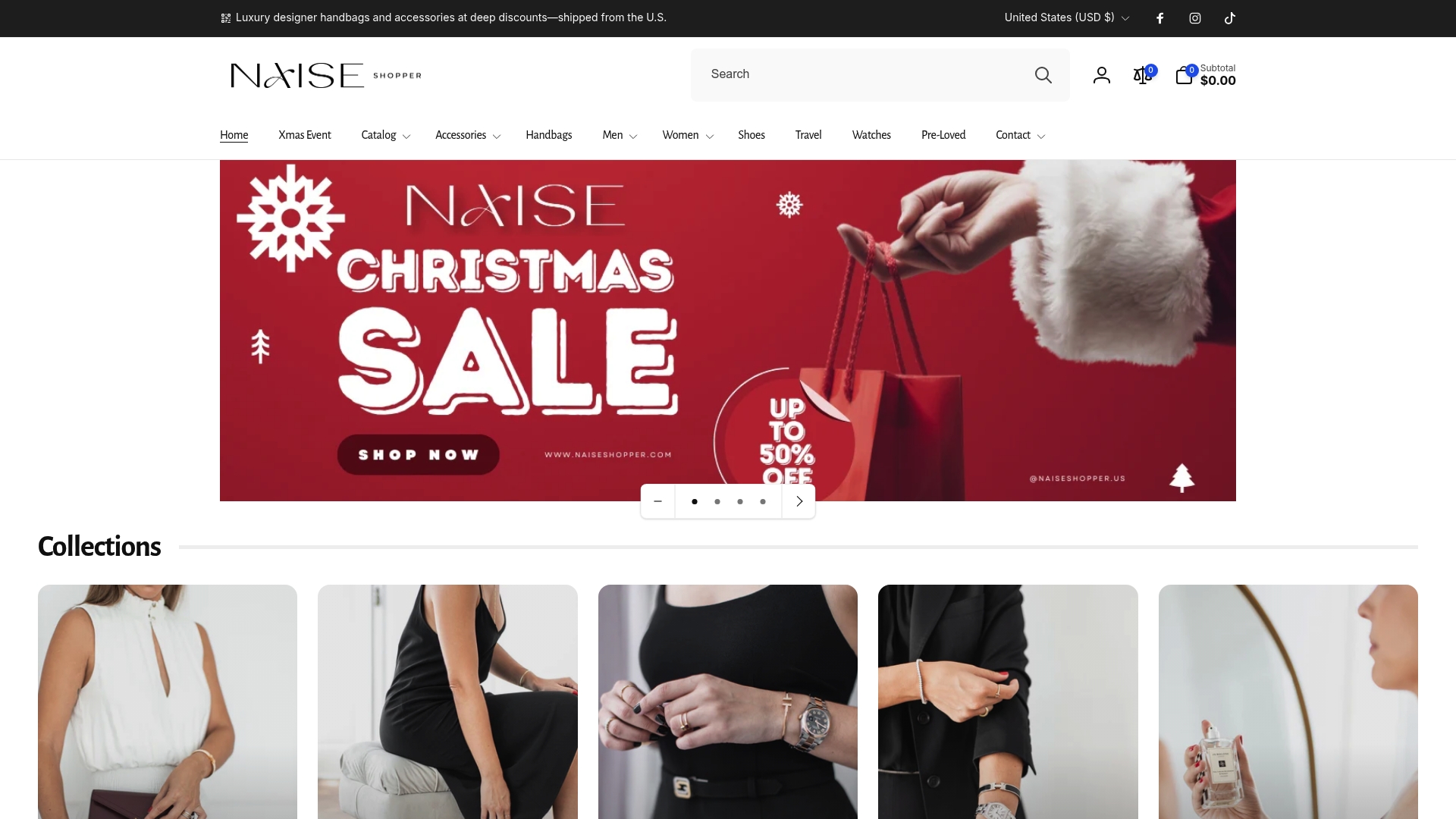
Whether you are searching for a statement piece like the Saint Laurent mid-top sneakers or a timeless investment like the Gucci G-Timeless Watch, the collection is built for buyers who know exactly what they want. Explore rare finds, classic icons, and investment-worthy pieces all in one place. Shop authenticated luxury at Naise Shopper and find your next great acquisition today.
Frequently asked questions
Are pre-owned designer goods always authentic?
Pre-owned designer items are authentic when purchased from platforms that use multi-step authentication and expert review. Always buy from reputable sellers with documented verification processes.
What makes pre-owned designer items a smart investment?
Top pre-owned pieces avoid the steep depreciation of new items, and some, like Hermès Birkin bags with a 14.7% annual return, can grow significantly in value over time.
Why is buying pre-owned luxury more sustainable?
Choosing pre-owned extends a product’s life and reduces carbon footprint compared to buying new, making it a meaningful choice for eco-conscious shoppers.
How do I avoid counterfeits when buying pre-owned online?
Select only top-rated platforms that provide documented authentication and buyer protection. Over 60% of listings from unofficial sellers fail professional inspection, so platform choice is everything.
Can I find rare and discontinued pieces more easily pre-owned?
Yes. The resale market is often the only source for rare, vintage, or discontinued designer items that are no longer available through official boutiques.