TL;DR:
- Choosing versatile colors and classic styles helps ensure your luxury shoes match most of your wardrobe and last longer.
- Pay attention to materials and craftsmanship, focusing on full-grain leather and careful stitching to ensure quality.
The best luxury shoe selection tips share one common thread: prioritize versatility, craftsmanship, and fit above all else. Selecting high-end footwear, what industry insiders call designer footwear curation, is not just about the label on the box. It is about making confident, informed choices that serve your wardrobe for years. The right pair of Gucci loafers or Valentino pumps can anchor an entire outfit. The wrong pair, bought on impulse, collects dust. These tips will help you shop with purpose and style.
1. How to choose versatile colors and styles for your luxury shoes
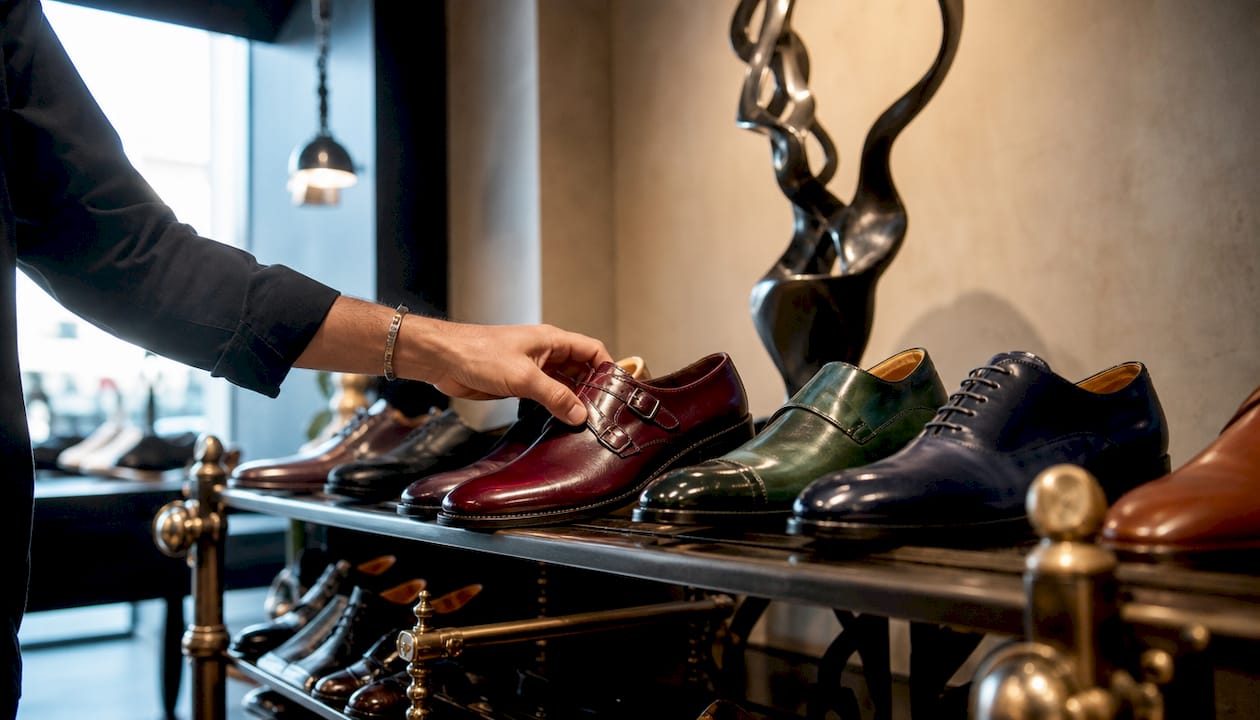
Color is the single most powerful decision you make when buying designer shoes. Neutral colors like black, white, dark brown, navy, grey, and beige cover at least 80% of a typical wardrobe. That number means one well-chosen pair in a neutral tone works across dozens of outfits, from tailored trousers to weekend denim.
Classic styles follow the same logic. A clean pointed-toe pump, a sleek Chelsea boot, or a minimalist leather sneaker from Prada or Balenciaga will outlast any seasonal trend. Bold colors and statement silhouettes have their place, but they belong later in your collection, not at the foundation.
Pro Tip: Start your luxury shoe collection with one neutral pump, one flat, and one boot before adding statement pieces. This trio covers formal, casual, and transitional occasions without overlap.
- Black: pairs with everything, day or night
- White or cream: works with spring and summer palettes and monochrome looks
- Dark brown or cognac: complements earth tones, denim, and tailored suits
- Navy: a sophisticated alternative to black for evening and office wear
- Beige or nude: extends the visual line of the leg and pairs with bold clothing
Trend-driven colors like neon green or cobalt blue deliver maximum style impact in the moment. They also limit how often you reach for them. Timeless, versatile designs consistently outperform hype purchases in long-term wearability. Buy bold as a reward, not a starting point.
2. What materials and craftsmanship qualities define luxury shoes
Luxury footwear is defined by its materials first. Full-grain leather, calfskin, and suede are the gold standards. These materials breathe, mold to your foot over time, and develop a patina that cheaper synthetics cannot replicate. A leather lining, rather than a fabric or synthetic one, signals genuine quality and improves long-term comfort.
Craftsmanship is the second layer of quality. Quality markers include clean stitching lines, symmetrical shape, a balanced sole profile, rich leather finish, and minimal glue marks. These details separate true luxury footwear from lower-quality imitations. Run your hand along the seams. If stitching is uneven or glue residue is visible at the welt, the construction does not meet luxury standards regardless of the price tag.
“The difference between a $400 shoe and a $40 shoe is not the logo. It is the full-grain leather upper, the hand-stitched welt, and the leather sole that breathes and flexes with your foot. Those details determine whether a shoe lasts two seasons or two decades.”
Watch for these material red flags:
- Vague material descriptions: terms like “man-made upper” or “synthetic leather” are not luxury materials
- Plastic-looking finish: genuine leather has natural variation in texture and tone
- Lightweight soles with no flex: quality soles have structure and a slight give
- Fabric lining in a premium price point: leather lining is the standard in true luxury footwear
Brands like Bottega Veneta and Saint Laurent use full-grain calfskin and hand-finished edges as baseline standards. When you know what to look for, you can spot quality at a glance, whether you are shopping in-store or reviewing product images online.
3. How to ensure the perfect fit when selecting luxury shoes
Fit is the most overlooked factor in high-end shoe selection. Many shoppers assume their standard size translates across all designer brands. It does not. Luxury shoe sizing can deviate from standard sizes by 0.5 to 1 full size depending on the brand and model. That gap is enough to turn a beautiful shoe into a painful one.
Follow these steps to get the fit right every time:
- Measure both feet. Feet are rarely identical. Always size to the larger foot.
- Consult brand-specific size charts. Designer sizing is not standardized; brands use different fits, including narrow, wide, and regional sizing. A size 38 in Chanel fits differently than a size 38 in Balenciaga.
- Read verified customer reviews. Shoppers who have already bought the shoe often note whether it runs narrow, wide, long, or short.
- Try shoes later in the day. Feet expand naturally throughout the day, and full-grain leather does not stretch easily. A shoe that fits at 9 AM may pinch by 4 PM.
- Check return and exchange policies before you buy. Rigid luxury materials leave little room for breaking in a poor fit. A clear exchange policy is your safety net.
Pro Tip: When buying luxury shoes online, filter for retailers that offer size exchanges, not just returns. A size exchange means you get the right fit without losing the shoe you wanted.
Fit also affects how a shoe looks. A heel that slips or a toe box that crowds your foot changes the entire silhouette of the shoe. The right fit delivers both comfort and the clean lines that make luxury footwear worth the investment.
4. How to evaluate style longevity and cost-per-wear value in luxury footwear
Cost-per-wear is the most rational framework for evaluating luxury shoe purchases. Luxury shoes have higher upfront costs but deliver better cost-per-wear value than multiple cheap pairs, thanks to durability and timeless design. A $900 pair of leather loafers worn 150 times costs $6 per wear. A $90 pair worn 15 times costs the same, with none of the quality or longevity.
Timeless designs are the key to maximizing that value. Styles like the Gucci Horsebit loafer, the Valentino Rockstud pump, or a clean leather Oxford have appeared in collections for decades. They do not go out of style. Trend-driven silhouettes, by contrast, often feel dated within two seasons.
Practical steps to extend the life of your shoes:
- Use cedar shoe trees after every wear to maintain shape and absorb moisture
- Rotate pairs so no single shoe takes daily wear
- Condition leather every 4–6 weeks with a product designed for full-grain leather
- Resole before the sole wears through to protect the upper and extend the shoe’s life by years
You can also learn more about why designer shoes are worth the investment before committing to your first high-end pair. The financial case is stronger than most shoppers realize.
5. Where and how to buy luxury shoes wisely in 2026
Buying luxury shoes online requires a different level of diligence than shopping in-store. The upside is access to a wider selection, often at better prices. The risk is receiving a shoe that does not fit or, worse, is not authentic.
Use this checklist when shopping for high-end footwear online:
- Verify authenticity guarantees. Trusted platforms authenticate every item before listing it. Look for explicit authenticity statements and certificates where applicable.
- Check return and exchange policies first. Verifying return and exchange policies before purchase is the single most important step for online luxury shoe buying. Rigid leather and precise sizing make exchanges necessary more often than with casual footwear.
- Review product photography carefully. Authentic luxury shoes show natural leather grain, precise stitching, and clean finishing. Flat or overly filtered images hide quality issues.
- Time your purchase strategically. End-of-season sales and promotional events offer genuine discounts on authenticated luxury footwear. Naiseshopper runs seasonal events that include verified designer shoes at reduced prices.
- Use a platform with personal shopper support. For first-time buyers or unfamiliar brands, a personal shopper service removes guesswork from sizing and selection.
The benefits of online luxury shopping in 2026 extend well beyond convenience. Access to global inventory, authenticated products, and competitive pricing make online the preferred channel for savvy luxury shoppers. The key is choosing the right platform.
For collectors interested in building a broader luxury portfolio beyond footwear, understanding luxury authentication principles across categories builds sharper instincts for spotting quality and value anywhere.
Key takeaways
The most effective luxury shoe selection strategy combines neutral color choices, verified craftsmanship markers, brand-specific sizing, and cost-per-wear thinking to build a wardrobe that lasts.
| Point | Details |
|---|---|
| Start with neutral colors | Black, white, navy, and beige cover 80%+ of your wardrobe and maximize cost-per-wear value. |
| Inspect materials and construction | Full-grain leather, clean stitching, and minimal glue marks are the baseline for genuine luxury quality. |
| Size by brand, not by habit | Luxury sizing varies by up to 1 full size; always consult brand-specific charts and verified reviews. |
| Calculate cost-per-wear | A durable luxury pair worn 150 times outperforms cheap alternatives on both value and style. |
| Verify policies before buying online | Confirm return and exchange options before purchasing to protect against sizing and fit issues. |
Why I always tell people to buy the boring shoe first
I have watched too many fashion-conscious shoppers make the same mistake. They walk into their first luxury shoe purchase and go straight for the statement piece. The embellished mule. The neon platform. The limited-edition collab. And then, six months later, they tell me they never wear it.
The boring shoe is not boring. A clean black Prada loafer or a simple Saint Laurent ankle boot is the shoe that gets worn three times a week. It is the shoe that makes every outfit look more considered. It is the shoe that, five years from now, still looks current because it never chased a trend in the first place.
Fit matters more than brand prestige. I have seen people squeeze into a half-size-too-small Chanel flat because they did not want to admit the size they needed. A shoe that hurts does not get worn. A shoe that does not get worn is not a luxury purchase. It is an expensive mistake sitting in a box.
Build your collection the way a stylist builds a wardrobe: foundation first, personality second. Once you have two or three versatile pairs that work across your life, then you earn the statement shoe. That is when buying bold actually makes sense. You can find great guidance on styling luxury shoes for every occasion to help you think through how each pair will actually live in your wardrobe.
Luxury shoes should make you feel confident the moment you put them on. If you are second-guessing the fit, the color, or whether you will ever wear them, that is your answer.
— Camila
Naiseshopper’s curated selection for every luxury shoe buyer
Naiseshopper brings together authenticated designer shoes from Gucci, Prada, Valentino, Bottega Veneta, Saint Laurent, Balenciaga, and more, all at competitive prices with full authenticity guarantees.
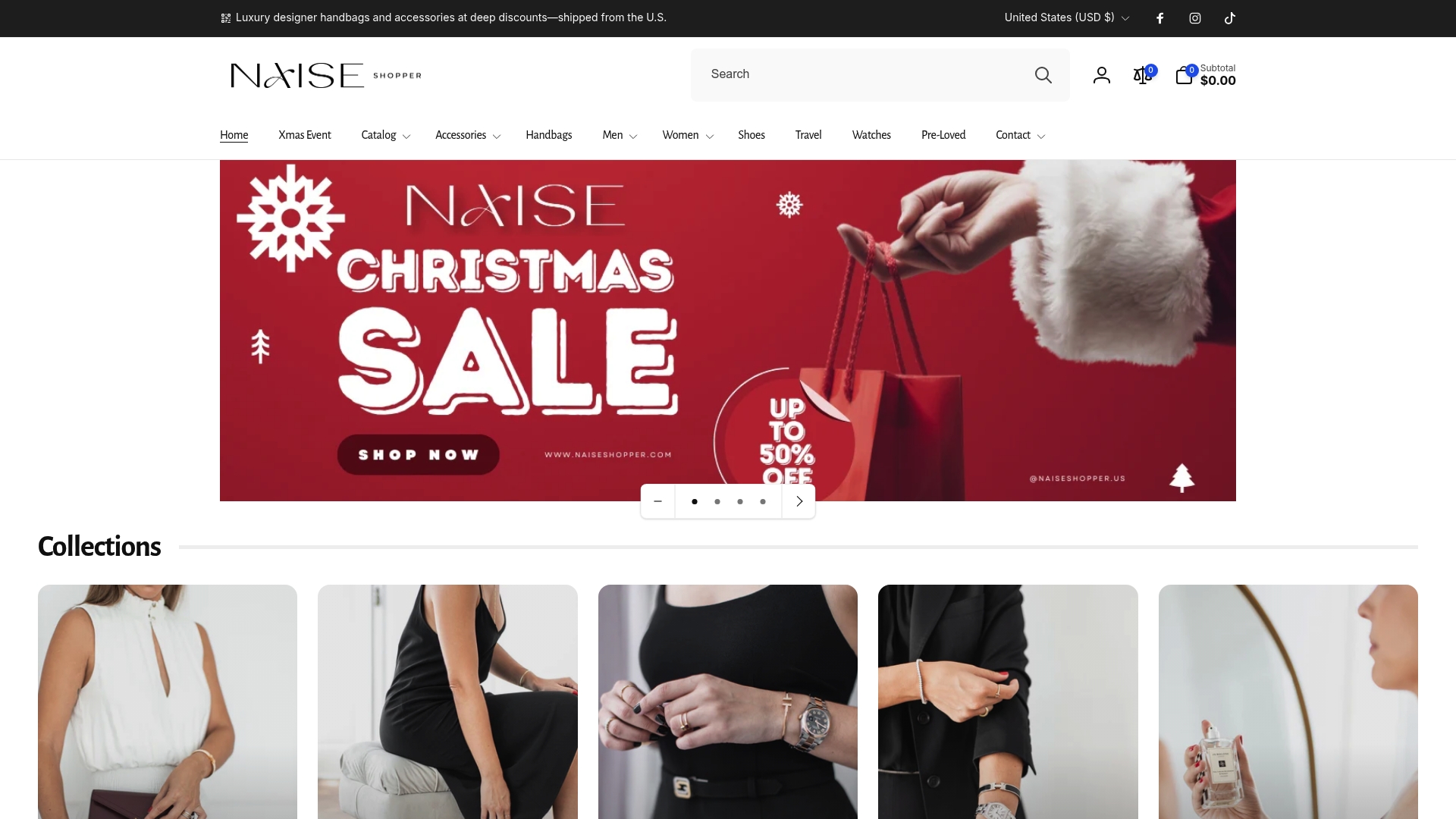
Every listing on Naiseshopper includes detailed sizing information, clear return and exchange policies, and verified product photography so you can shop with confidence. Whether you are building your first luxury shoe collection or adding a statement pair to an established wardrobe, Naiseshopper’s curated designer shoe collection gives you access to the best luxury shoes at prices that make the investment even smarter. Personal shopper support is available for buyers who want expert guidance before committing to a purchase.
FAQ
What are the best luxury shoe colors to buy first?
Black, dark brown, and nude are the most versatile starting points. Neutral tones cover at least 80% of a typical wardrobe and deliver the highest cost-per-wear value over time.
How do I know if luxury shoes are authentic?
Authentic luxury shoes show clean, even stitching, a rich leather finish, minimal glue marks, and a balanced sole profile. Always buy from platforms that provide explicit authenticity guarantees and detailed product photography.
Why does luxury shoe sizing vary so much between brands?
Designer sizing lacks standardization, with brands using different fits including narrow, wide, and regional sizing. Always consult the brand’s own size chart and read verified buyer reviews before ordering.
When is the best time to try on luxury shoes?
Try shoes later in the day when your feet have naturally expanded. Full-grain leather does not stretch easily, so a shoe that fits in the morning may feel tight by evening.
Is buying luxury shoes online safe?
Buying luxury shoes online is safe when you use authenticated platforms with clear return and exchange policies. Verify the retailer’s authenticity guarantee and review their exchange process before completing any purchase.