Finding a designer handbag that offers both style and true investment value can feel daunting for savvy shoppers. The global luxury resale market is growing three times faster than the primary market, driven by consumer demand for authenticity and affordability. Understanding what shapes resale value gives you the power to select coveted pieces from iconic brands like Hermès, Chanel, and Louis Vuitton, ensuring smarter purchases and lasting returns.
Table of Contents
- Defining Resale Value For Designer Handbags
- How Designer Bag Resale Markets Operate
- Key Factors Affecting Resale Value
- Top Luxury Brands With Strong Resale Demand
- Maximizing Profit When Reselling Bags
Key Takeaways
| Point | Details |
|---|---|
| Resale Value Factors | Key components influencing designer handbag resale value include brand reputation, condition, rarity, material quality, and original packaging. |
| Importance of Authenticity | Buyers prioritize authenticity, and providing verification documentation significantly enhances resale potential. |
| Market Dynamics Understanding | Trends in fashion and collector interest can cause significant fluctuations in bag values, making awareness of these dynamics essential for sellers. |
| Top Brands for Investment | Brands like Hermès, Chanel, and Louis Vuitton consistently outperform in resale markets, suggesting they are strategic choices for investment. |
Defining Resale Value for Designer Handbags
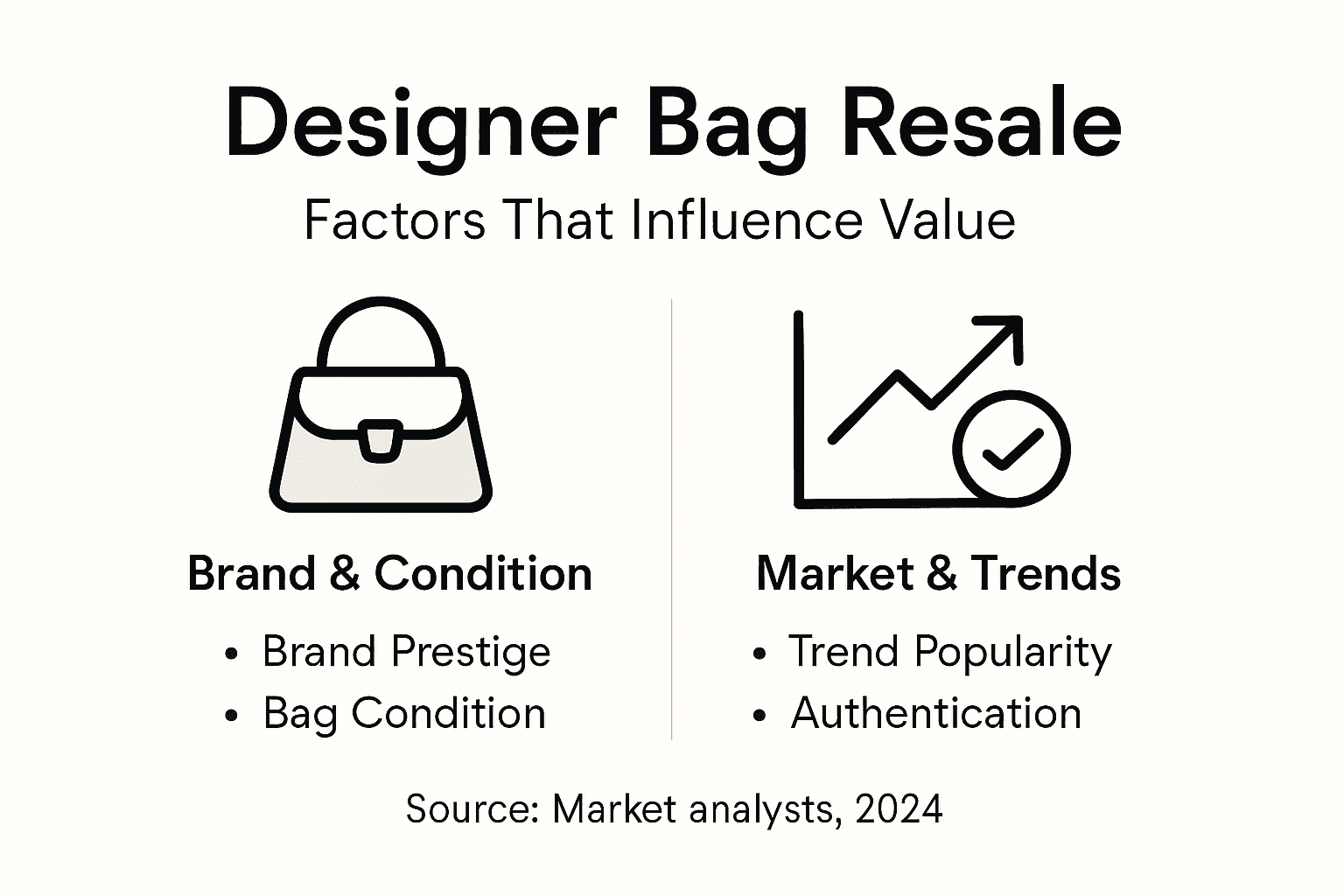
Resale value represents the potential financial return a designer handbag can generate when sold in the secondary marketplace. Unlike standard retail purchases, luxury handbags from prestigious brands can maintain or even appreciate in value over time, making them unique investment assets. Designer handbag resale economics depend on multiple complex factors beyond initial purchase price.
The core components determining a designer handbag’s resale value include several critical attributes:
- Brand Reputation: Luxury brands like Chanel, Hermès, and Louis Vuitton typically retain higher resale percentages
- Condition: Pristine, well-maintained bags command significantly higher secondary market prices
- Rarity: Limited edition or discontinued styles increase potential resale value
- Material Quality: Exotic leathers and high-end materials enhance long-term value retention
- Original Packaging: Keeping original dust bags, authenticity cards, and boxes can boost resale potential
Authenticity plays a paramount role in resale valuation. Buyers in the secondary market scrutinize every detail, from stitching precision to hardware quality. Potential purchasers want absolute certainty they are acquiring a genuine designer piece, which means documentation and provenance become critical value indicators.
Understanding market dynamics is crucial for potential sellers. Handbag values fluctuate based on fashion trends, brand positioning, and collector interest. Some bags become instant collectibles, while others depreciate rapidly. Tracking auction results, consulting luxury resale platforms, and understanding brand-specific appreciation patterns can help investors make informed decisions.
Pro tip: Keep your designer handbags in pristine condition by storing them in dust bags, avoiding direct sunlight, and maintaining original packaging to maximize potential resale value.
How Designer Bag Resale Markets Operate
The designer handbag resale market has transformed dramatically in recent years, evolving from niche consignment shops to sophisticated digital platforms. Luxury fashion resale dynamics demonstrate a rapidly expanding ecosystem driven by technological innovation and changing consumer preferences.
Key characteristics of modern designer bag resale markets include:
- Digital Authentication: Advanced verification technologies ensuring product genuineness
- Global Marketplace: Online platforms connecting sellers and buyers worldwide
- Transparent Pricing: Real-time market value tracking for designer handbags
- Sustainability Focus: Increasing consumer interest in circular fashion economies
- Investment Perspective: Treating luxury bags as potential financial assets
Digital platforms have become the primary infrastructure for designer bag resale, offering comprehensive services beyond simple transactions. These platforms provide detailed condition assessments, professional photography, secure payment systems, and sophisticated pricing algorithms that help both sellers and buyers make informed decisions.
The economic model of designer bag resale markets relies on creating trust through rigorous authentication processes. Professional resellers invest significant resources in expert verification, utilizing advanced techniques like microscopic hardware analysis, leather authentication, and provenance documentation. The rise of pre-loved luxury has transformed how consumers perceive second-hand luxury items, positioning them as desirable investments rather than mere used products.
Here’s a comparison of how leading digital resale platforms add value for designer handbag sellers:
| Platform Feature | Value to Seller | Value to Buyer |
|---|---|---|
| Authentication Services | Ensures trust and higher sale price | Guarantees genuine products |
| Global Reach | Access to a larger buyer pool | More options and inventory |
| Price Transparency | Realistic, data-driven pricing | Confidence in fair market value |
| Professional Photography | Attracts premium buyers | Clear detail for purchase decisions |
| Secure Payments | Reliable transaction completion | Protection from fraud |
Pro tip: Research multiple resale platforms and compare their authentication processes and commission structures before listing your designer handbag to maximize your potential return.
Key Factors Affecting Resale Value
Designer bag resale economics reveal a complex ecosystem where multiple interconnected factors determine a handbag’s potential financial value. Understanding these elements is crucial for both investors and fashion enthusiasts seeking to maximize their luxury accessory investments.
The primary factors influencing resale value include:
- Brand Reputation: Established luxury houses with consistent market presence
- Condition Quality: Pristine bags with minimal wear and tear
- Rarity and Limited Editions: Bags with restricted production numbers
- Historical Significance: Models with cultural or fashion moment importance
- Material Integrity: High-quality leather and craftsmanship
- Original Packaging: Complete set with authenticity cards and dust bags
Authentication plays a critical role in determining resale potential. Potential buyers meticulously examine every detail, from hardware quality to stitching precision. Designer bag market trends demonstrate that bags with comprehensive documentation and provenance command significantly higher prices in the secondary market.
Social media and fashion influencer trends can dramatically impact a bag’s perceived value. Certain styles gain sudden popularity, creating temporary market spikes, while classic designs maintain steady value over time. Collectors and investors must stay attuned to these dynamic market shifts to make informed purchasing and selling decisions.
Pro tip: Photograph your designer bag from multiple angles immediately after purchase and maintain a detailed maintenance log to enhance its future resale documentation.
Top Luxury Brands With Strong Resale Demand
Global luxury resale markets demonstrate that certain designer brands consistently outperform others in maintaining and appreciating value. Understanding these top-tier brands can help investors and fashion enthusiasts make strategic purchasing decisions.
The most sought-after luxury brands in the resale market include:
- Hermès: Known for exceptional craftsmanship and limited production
- Chanel: Classic designs with enduring global appeal
- Louis Vuitton: Strong brand recognition and consistent demand
- Gucci: Trendsetting styles with significant collector interest
- Bottega Veneta: Emerging brand with growing resale potential
- Prada: Sophisticated designs with steady market value
Each of these brands has developed a unique strategy for maintaining brand value in the secondary market. Their controlled production, consistent quality, and iconic designs create a sustainable ecosystem that attracts collectors and investors worldwide. Luxury brand consignment has transformed how these brands maintain their market positioning, allowing them to benefit from secondary market dynamics.
The investment potential of these brands extends beyond mere fashion trends. Sophisticated buyers understand that certain handbag models from these manufacturers can appreciate in value, functioning more like financial assets than traditional accessories. Factors such as limited editions, historical significance, and cultural moments can dramatically influence a bag’s long-term monetary worth.
Below is a summary of investment drivers for the top luxury handbags brands:
| Brand | What Drives Value | Typical Appreciation Potential |
|---|---|---|
| Hermès | Scarcity, craftsmanship | Often increases over time |
| Chanel | Cultural icons, limited editions | High retention, some appreciation |
| Louis Vuitton | Brand heritage, timeless models | Holds value well |
| Gucci | Trend cycles, design innovation | Can vary, may spike with trends |
| Bottega Veneta | Unique styles, rising demand | Growing but less predictable |
| Prada | Quality, classic popularity | Steady but modest returns |
Pro tip: Research historical price trends and collect detailed documentation for each designer bag purchase to maximize potential future resale value.
Maximizing Profit When Reselling Bags
Designer bag resale strategies reveal complex considerations for successfully selling luxury handbags in the secondary market. Successful resellers understand that maximizing profit requires strategic planning, market knowledge, and meticulous attention to detail.
Key strategies for optimizing resale value include:
- Platform Selection: Choose reputable resale platforms with established luxury buyer networks
- Authentication Verification: Ensure professional authentication documentation
- Condition Maintenance: Keep bags in pristine, near-original condition
- Timing Market Trends: Monitor seasonal and fashion cycle demand
- Original Packaging: Preserve and include all original packaging materials
- Detailed Documentation: Maintain comprehensive purchase and maintenance records
Successful resellers approach luxury handbag sales as strategic financial transactions. Why pre-owned designer bags represent significant investment opportunities requires understanding nuanced market dynamics. Professional resellers invest time in researching current market values, understanding brand-specific appreciation trends, and presenting bags with professional-quality imagery and comprehensive condition descriptions.
Digital platforms have transformed the resale landscape, offering sophisticated tools for pricing, marketing, and connecting sellers with global luxury consumers. Advanced algorithms and machine learning now help predict potential bag values, allowing sellers to make more informed pricing decisions. The most successful resellers leverage these technological innovations to maximize their returns.
Pro tip: Photograph your designer bag from multiple professional angles, highlighting unique features and documenting exact condition to attract serious buyers and command premium prices.
Unlock Lasting Value with Authentic Designer Handbags from Naise Shopper
Understanding the resale value of designer bags involves navigating complex factors like brand reputation, condition, and authenticity. If you want to invest in luxury handbags that retain or appreciate over time, securing genuine pieces from trusted sources is essential to protect your investment and enjoy peace of mind. Naise Shopper specializes in authenticated designer handbags from world-renowned brands, ensuring every purchase meets the highest standards of quality and provenance.
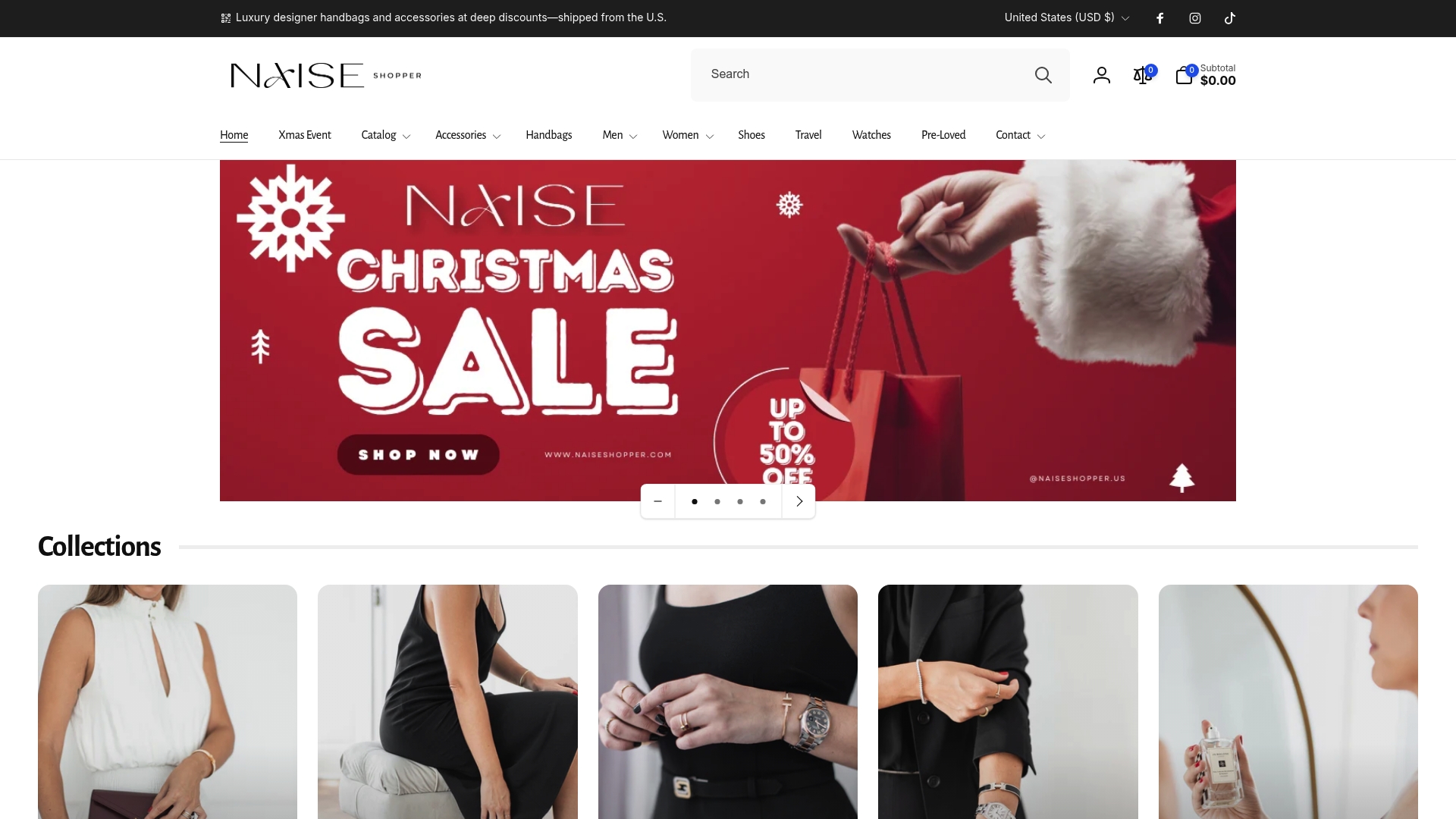
Explore our curated selection today at Naise Shopper where you can find iconic handbags from Hermès, Chanel, Louis Vuitton, Gucci, and more with deep discounts and guaranteed authenticity. Don’t miss the chance to enhance your luxury collection with pieces that offer both style and strong resale potential. Visit Naise Shopper now and take advantage of expert personal shopper services and secure worldwide shipping to make your luxury purchase effortless and rewarding.
Frequently Asked Questions
What factors determine the resale value of designer handbags?
Several critical factors affect resale value, including brand reputation, condition, rarity, material quality, and whether original packaging is included.
How can authenticity impact the resale value of a designer bag?
Authenticity is vital in resale; buyers want to ensure they are purchasing a genuine item. Well-documented authenticity can significantly enhance a bag’s value in the secondary market.
What are the best practices for maintaining a designer handbag to maximize its resale value?
To keep a handbag in pristine condition, store it in dust bags, avoid direct sunlight, and maintain original packaging. Completing regular maintenance logs and taking photos of the bag can also help confirm its condition.
How do market trends influence the resale value of designer bags?
Market trends can cause fluctuations in handbag value. Certain styles may suddenly become popular, leading to temporary spikes in value, while classic designs often maintain steady appreciation over time.