TL;DR:
- Genuine designer apparel is produced under a valid brand license and exhibits superior quality and craftsmanship. Recognizing authenticity involves inspecting internal construction, fabric quality, labels, and packaging, supported by digital verification tools like blockchain and AI services. Buying from verified sources or using professional authentication services reduces the risk of counterfeits and guarantees genuine luxury items.
Genuine designer apparel is clothing produced under a brand’s legitimate licensing and distinguished by superior materials, craftsmanship, and consistent quality control. The term “authentic designer clothing” is the recognized industry standard for this category, and understanding what separates real pieces from counterfeits is the most valuable skill any luxury shopper can develop. Brands like Gucci, Chanel, Prada, Valentino, and Balenciaga build their reputations on every stitch, every label, and every box. When you know what to look for in designer wear, you stop guessing and start buying with confidence.
What is genuine designer apparel, really?
Genuine designer apparel is defined by two pillars: legitimate brand authorization and verifiable construction quality. A garment does not need to be sewn by the original founder to qualify as authentic. Designer clothing is often produced by licensees operating under official brand agreements, and those pieces are fully genuine as long as the license is valid and the brand maintains oversight.
This distinction matters more than most buyers realize. When Gucci or Saint Laurent extends a license to a manufacturing partner, that partner must meet the brand’s design and quality standards. The resulting garment carries the brand’s identity and counts as real designer apparel. What makes it genuine is the authorization chain, not the factory address.
Authenticity also extends beyond the garment itself. Luxury brands create value through exclusivity and consistent experience across every touchpoint, meaning packaging, labeling, and presentation are all part of the authenticity signal. A Chanel jacket in a flimsy plastic bag with a crooked label is a red flag, even before you inspect a single seam.
How does licensing shape designer brand identity?
Licensing is the backbone of how major fashion houses scale production without losing brand control. Understanding it helps you recognize what “authentic” actually means when you shop.
Here is how licensing works in practice for luxury fashion:
- Brand authorization: The original house grants a licensee the right to produce specific product categories, such as ready-to-wear or accessories, under the brand name.
- Design oversight: Some licensing agreements allow designers to vet designs before production, keeping the aesthetic consistent with the brand’s identity.
- Quality variance: Licensing scope can vary. A tightly controlled agreement produces pieces nearly indistinguishable from in-house production. A looser arrangement may result in items that feel slightly off, yet remain technically authentic.
- Brand examples: Prada and Bottega Veneta maintain strict in-house production for core lines. Other houses, including some Valentino fragrance and eyewear lines, operate through licensed partners.
The practical takeaway is this: a licensed piece is genuine, but the quality ceiling depends on how much control the brand exercises over its licensee.
Pro Tip: When researching a specific product, check whether it falls under a licensed category. Brand websites and official press releases often disclose which product lines are produced by licensed partners versus in-house.
How do you spot genuine designer apparel by quality?
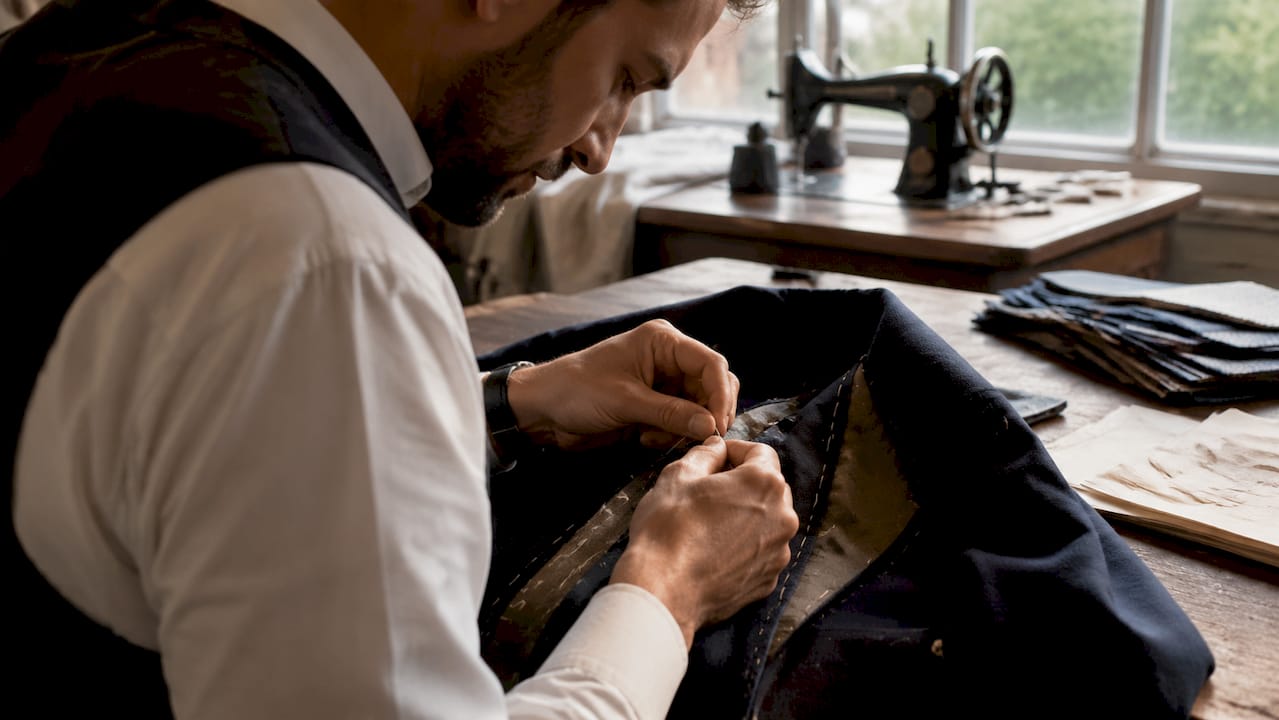
Quality inspection is the most reliable method for identifying authentic designer clothing, and it starts on the inside of the garment. Counterfeiters rarely replicate the high-quality interior construction and fine seam finishing found in genuine pieces. That interior view is your best diagnostic tool.
Follow these steps when inspecting any designer piece:
- Flip it inside out. The inside of a genuine designer garment looks nearly as polished as the outside. Clean seam allowances, consistent stitching, and no loose threads are the standard.
- Check seam integrity. Pull gently at the seams. Authentic pieces hold firm. Seams on counterfeits often pucker, fray, or separate under light tension.
- Assess the fabric. Real designer apparel uses materials appropriate to the garment type. A Prada wool coat feels dense and structured. A Gucci silk blouse drapes without stiffness. Synthetic substitutes feel lighter and less substantial.
- Read the label. Font consistency, correct country of origin, and proper care symbols are all authenticity markers. Misspellings or blurry printing are immediate disqualifiers.
- Inspect the packaging. Dust bags, boxes, and tissue paper on genuine pieces carry the same quality standard as the garment. Flimsy or mismatched packaging signals a problem.
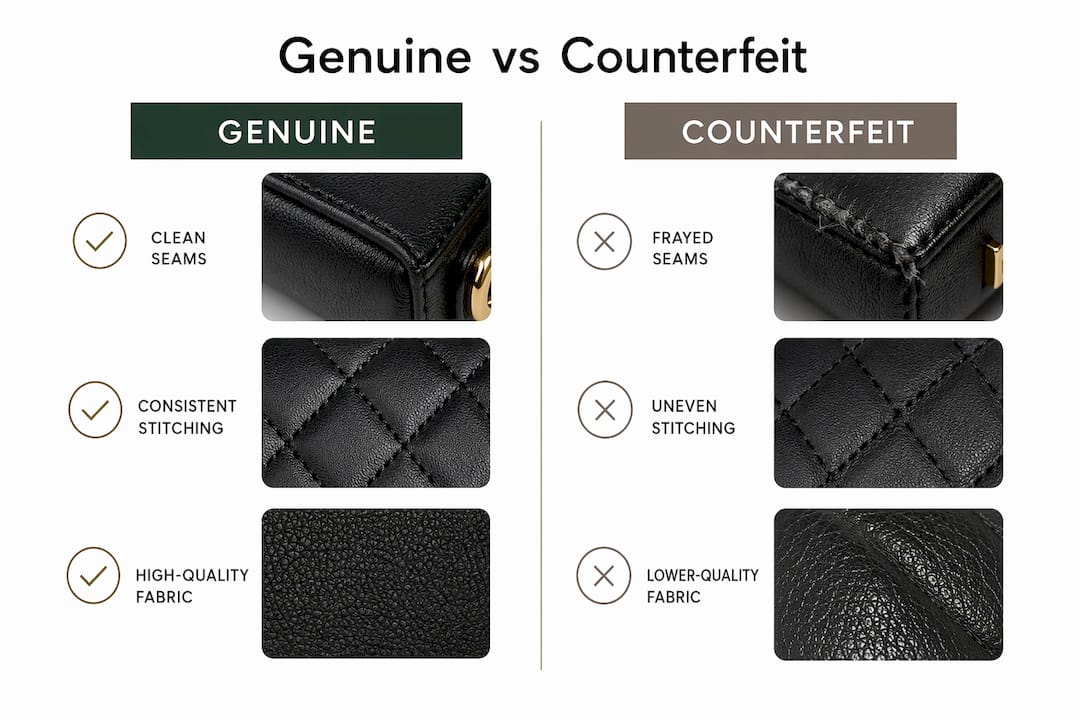
Here is a quick reference for what separates genuine construction from counterfeit shortcuts:
| Feature | Genuine Designer Apparel | Counterfeit Apparel |
|---|---|---|
| Interior seams | Clean, finished, consistent | Rough, uneven, or fraying |
| Fabric weight | Appropriate for garment type | Often lighter or synthetic |
| Label printing | Sharp, consistent font | Blurry or misspelled |
| Stitching density | High and uniform | Loose or irregular |
| Packaging | Brand-matched, high quality | Generic or mismatched |
Pro Tip: Bring a small flashlight when shopping in-store. Holding it against the fabric at an angle reveals weave quality and any inconsistencies in construction that are invisible under standard lighting.
What authentication technologies exist for luxury fashion?
Digital authentication has transformed how buyers verify real designer apparel. Third-party services and blockchain technology now offer verification methods that go far beyond visual inspection alone.
The most significant developments include:
- AI-powered authentication services: LegitApp authenticates designer apparel using multiple expert reviews combined with AI checks, then issues tamper-proof digital certificates. This approach removes the guesswork from individual buyer assessment and provides documented proof of authenticity.
- Digital certificates of authenticity: These certificates travel with the garment and can be verified by any future buyer, making them especially valuable in the secondhand market.
- Blockchain provenance: The Aura Blockchain Consortium represents a collaboration among major luxury groups to use blockchain technology for transparent, traceable authenticity communication across the supply chain. Brands including Louis Vuitton, Prada Group, and Cartier participate in this initiative.
“Human and AI-powered authentication vendors specialize in pattern matching across known authenticity markers like labels, stitching, and materials, offering a more reliable verification than individual buyer assessment.” — LegitApp
These technologies do not replace physical inspection. They add a second layer of confidence that is especially useful when buying online or in the secondhand market, where you cannot handle the garment directly.
How should you verify designer apparel before buying?
A practical verification workflow protects you whether you are buying new from a retailer or pre-owned from a resale platform. The steps differ slightly depending on the purchase channel.
Follow this process for any designer apparel purchase:
- Request detailed photos. For pre-owned pieces, ask for images of the interior seams, label, care tag, hardware, and packaging. Obtaining multiple detailed photos and using third-party authenticators significantly reduces the risk of buying a counterfeit.
- Use a professional authentication service. Submit photos to a service like LegitApp before completing any significant purchase. The cost of authentication is always lower than the cost of a fake.
- Check brand-specific markers. Gucci uses a specific serial number format on its labels. Chanel includes hologram stickers with matching authenticity cards. Prada attaches a metal plate with a serial number. Learn the markers for the brand you are buying.
- Do not rely on logos alone. Counterfeiters reproduce logos with high accuracy. Authenticity verification requires confirming both brand identity and construction quality evidence to avoid false negatives.
- Buy from verified sources. Platforms that authenticate luxury goods before listing them remove a significant layer of risk from the transaction.
Here is a comparison of verification approaches by purchase type:
| Purchase Type | Best Verification Method | Risk Level Without Verification |
|---|---|---|
| New from authorized retailer | Check retailer authorization | Low |
| New from online marketplace | Request proof of authorization | Medium |
| Pre-owned from resale platform | Third-party authentication service | High |
| Pre-owned from private seller | Authentication service plus detailed photos | Very High |
Learning how to spot counterfeits online is a skill that pays for itself on the first purchase.
Key takeaways
Genuine designer apparel is defined by legitimate brand authorization and verifiable construction quality, and both must be confirmed to avoid counterfeits.
| Point | Details |
|---|---|
| Licensing defines authenticity | A garment is genuine if produced under a valid brand license, regardless of who made it. |
| Interior quality is the strongest signal | Clean seams, finished edges, and quality fabric inside the garment are hard for fakes to replicate. |
| Digital tools add verification power | Services like LegitApp and blockchain systems like Aura Consortium provide documented proof beyond visual checks. |
| Logos alone are not enough | Counterfeiters reproduce logos accurately; construction quality and brand-specific markers are more reliable. |
| Source matters as much as the piece | Buying from authenticated platforms or verified retailers removes the highest-risk variables from any purchase. |
Why authenticity knowledge is your real luxury asset
By Camila
After years of working in and around luxury fashion, the thing that surprises me most is how many experienced shoppers still treat the logo as the final word on authenticity. It is not. It has not been for a long time.
The counterfeit industry has become genuinely sophisticated. A fake Balenciaga hoodie can have a perfect logo, correct colorway, and accurate tag font. What it almost never has is the interior finish of the real thing. That is where I always start. Flip the garment, look at the seams, feel the fabric weight. If the inside looks like an afterthought, walk away.
The licensing complexity is the part that confuses even informed buyers. I have seen people reject a legitimate Valentino piece because it was produced by a licensed partner rather than in-house. That is a mistake. The question is not who sewed it. The question is whether the brand authorized it and maintained quality control over the process.
What excites me about where this space is heading is the technology. Blockchain provenance through initiatives like the Aura Blockchain Consortium means that within a few years, verifying a garment’s full production history will be as easy as scanning a tag. Until then, combining physical inspection with a service like LegitApp is the most reliable approach available. The luxury authentication process is no longer reserved for auction houses and high-end consignment shops. It is accessible to every buyer, at every price point.
— Camila
Discover authenticated luxury at Naiseshopper
If you want to experience what genuine designer craftsmanship feels like without the verification anxiety, Naiseshopper has you covered. Every piece on the platform is authenticated before it reaches you, from Prada ready-to-wear to Gucci accessories.
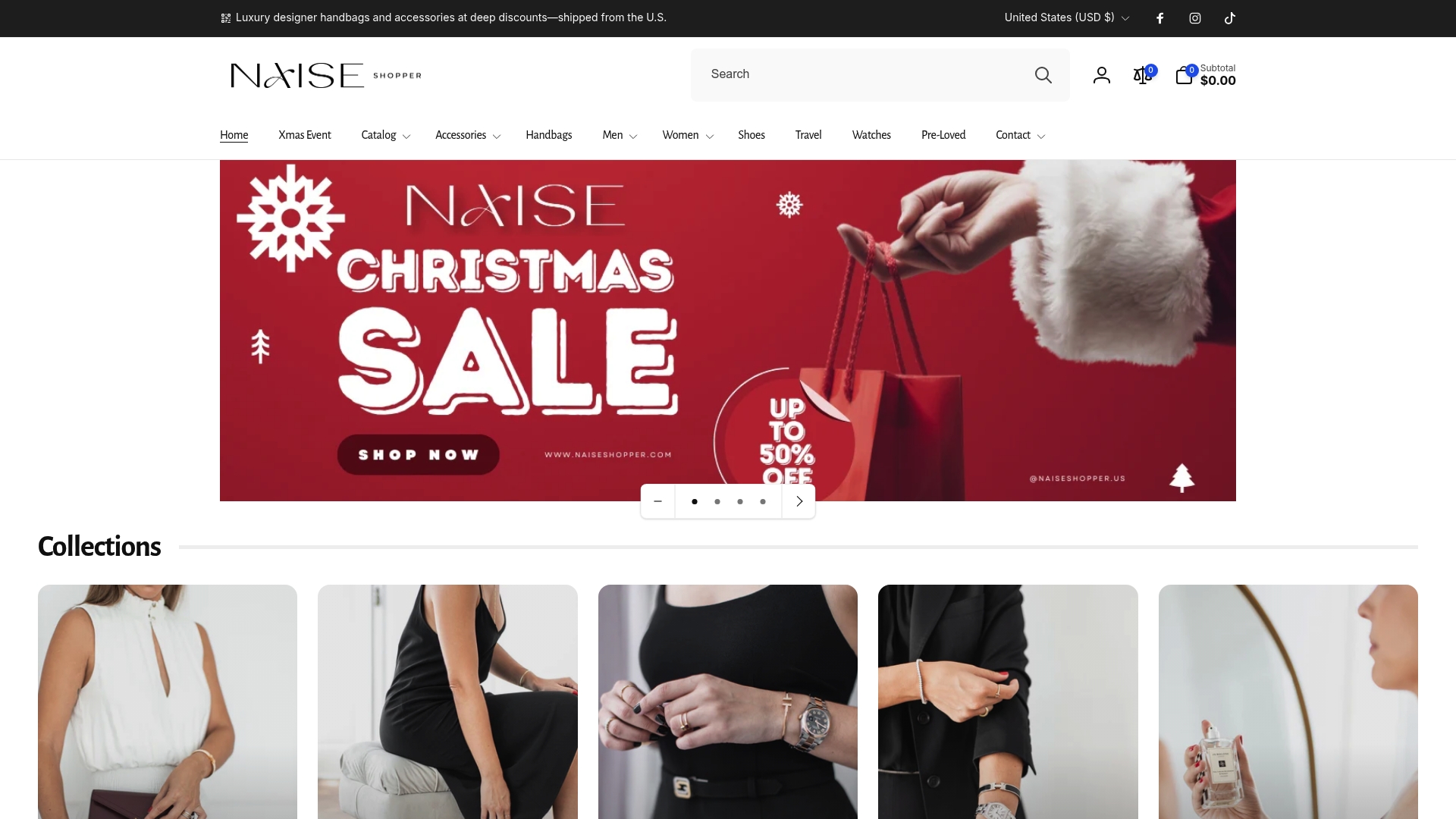
A standout example of authentic luxury is the Gucci G-Timeless Quartz Black Watch 38mm, a piece that delivers the full Gucci experience in construction, finishing, and presentation. Naiseshopper carries curated collections from Gucci, Chanel, Bottega Veneta, Saint Laurent, and more, all at discounted prices with guaranteed authenticity. Explore the full range and shop with the confidence that every item has passed expert verification.
FAQ
What makes designer apparel genuinely authentic?
Genuine designer apparel is produced under a legitimate brand license and meets the brand’s construction and quality standards. Both authorization and physical quality must be present for a piece to qualify as authentic.
Can licensed designer clothing be considered genuine?
Yes. Licensed designer clothing is fully authentic as long as it is produced under a valid brand agreement. The license, not the factory, determines authenticity.
What is the best way to spot a fake designer garment?
Inspect the interior construction first. Authentic garments show clean seams, consistent stitching, and quality finishing inside, details counterfeiters rarely replicate accurately.
Are authentication services worth using for designer apparel?
Yes, especially for secondhand purchases. Services like LegitApp combine expert review with AI checks and issue digital certificates, providing a level of confidence that individual inspection alone cannot match.
Where is the safest place to buy authentic designer clothes?
Authorized brand boutiques and verified luxury platforms like Naiseshopper are the safest options. These sources authenticate items before sale and stand behind the authenticity of every piece they offer.