Yes, Saint Laurent raised prices in 2026, with reports citing roughly a 7% increase concentrated on classic handbag lines like the Sac de Jour and Kate. If you have a specific model in mind, the smart move is deciding now: buy authenticated stock before shortages deepen, or pivot to pre-owned to sidestep the new pricing entirely. The model-by-model breakdown below tells you exactly where the increase hit hardest.
TL;DR:
- The 7% price hike mainly affects the core bestselling Saint Laurent handbags, with the Loulou, Kate, and Sac de Jour experiencing the most significant increases.
- Inventory tightens quickly after the increase, with fewer discounts and faster buying surges as consumers rush to purchase before new prices take effect.
- Resale values remain strong for models like the Sac de Jour Nano, which typically retain 70% to 85%, making investment pieces more attractive for long-term value.
- Buying pre-owned or from stock not yet adjusted to the new prices can save significant money, especially for sought-after classic styles.
- Price variations across regions occur due to different rollout timelines, but these gaps tend to close fast once pricing updates are fully implemented.
Table of Contents
- What Happened With The YSL Price Increase In 2026?
- Which Saint Laurent Bags Got More Expensive?
- Why Did Saint Laurent Raise Prices This Year?
- How Does This Affect Resale Value And Dollar Exposure?
- How Can You Avoid Paying Full New Retail?
- Which YSL Bag Should You Buy First?
- How Naiseshopper Tracks These Price Shifts For You
- Should You Buy Now Or Wait?
- Get Your Saint Laurent Bag Without Paying Full New Retail
- Sources
- FAQ
What Happened With The YSL Price Increase In 2026?
Luxury pricing trackers flagged the change early in the year, with multiple outlets converging on the same headline figure: an average uplift near 7% across Saint Laurent’s classic handbag catalog. That’s not a blanket markup on everything with the brand’s name on it. Reporting consistently describes the increase as concentrated on the house’s core, best-selling silhouettes rather than spread evenly across seasonal drops.
Here’s what shifted at the retail level once the new pricing landed:
- Boutiques and authorized sellers began tightening inventory almost immediately, according to coverage of the rollout.
- Discounting slowed to a crawl. Sales and markdowns that used to appear on classic bags became noticeably scarcer.
- Shoppers who wanted a specific bag rushed to buy before the new tags hit shelves, creating a short-lived buying surge reported across multiple luxury retail roundups.
- Some regional boutiques appeared to implement the change on slightly different timelines, which explains why you might see two friends quote different prices for the same bag purchased weeks apart.
That inconsistency matters if you’re price-shopping across countries or waiting for a specific boutique to restock. A bag priced under the new structure in one market could still show old pricing somewhere else for a brief window, simply because inventory systems and regional rollouts don’t flip overnight. If you’re chasing a bargain internationally, that gap is worth watching, but it tends to close fast once corporate pricing directives filter down to every location.
The bigger story here is what this confirms about the pattern: Saint Laurent isn’t randomly nudging prices. It’s following a now-familiar luxury playbook where the flagship, revenue-driving bags absorb the increase first, while newer or more experimental pieces get adjusted more cautiously. That’s useful to know if you’re trying to predict where the next hike lands.
Which Saint Laurent Bags Got More Expensive?
The models most frequently named in 2026 pricing coverage are the ones you’d expect: the brand’s proven, high-volume sellers. Here’s how the lineup shakes out.
- Loulou — the quilted, slouchy shoulder bag that built Saint Laurent’s casual-luxury reputation. Post-increase pricing is now solidly in the four-figure range, and it saw one of the more noticeable percentage jumps given how often it sells.
- Kate — the tasseled, structured flap bag. Kate’s pricing climbed alongside Loulou, reflecting its status as one of the house’s most consistent movers.
- Sac de Jour — the boxy, architectural tote considered Saint Laurent’s answer to the classic structured “it” bag. It remains among the pricier options in the lineup, and the increase pushed it further into investment-piece territory.
- Cassandre — named for the brand’s monogram hardware, this line spans several silhouettes and saw pricing adjustments roughly in step with the other classics.
- Niki — the slouchier, more relaxed hobo-style bag. Niki’s increase was reported as moderate compared to Loulou and Kate, keeping it a comparatively accessible entry point.
- Mombasa — the structured top-handle bag with wooden ring hardware, often treated as a semi-collectible piece. Pricing here has shown more volatility historically, and reissues or limited runs can command different price points than standard stock.
If you’re watching for the smallest jump, Niki and some Cassandre styles appear to have absorbed a lighter percentage increase than Loulou or Sac de Jour. Seasonal or limited pieces, meanwhile, tend to swing more unpredictably, since they’re priced closer to launch demand than to a fixed catalog rate.
Why Did Saint Laurent Raise Prices This Year?
Three forces are doing the heavy lifting here, and they’re not mutually exclusive.
- Positioning. Commentary tied to the 2026 pricing shift frames it as part of a broader push to reinforce Saint Laurent’s premium tier, keeping pace with how competitors price their own icons.
- Materials and labor costs. Leather sourcing, hardware production, and skilled craftsmanship don’t get cheaper over time, and brands increasingly cite these as drivers when justifying increases publicly.
- Sustainability investment. Several reports point to supply chain and sustainability upgrades as contributing factors, though this is more commonly cited as industry context than as an official, itemized company statement.
Pro Tip: Treat “sustainability” and “craftsmanship” explanations as directional, not literal accounting. Brands rarely publish a cost breakdown, so these reasons should be read as part of the story rather than the whole story.
It’s worth separating fact from speculation here. What’s documented is the pricing change itself and its rough scale. What’s speculative is the precise weighting between materials, labor, and brand strategy. Forum chatter has also pointed to isolated jumps of several hundred dollars on specific large styles, which suggests some SKU-level variance beyond the headline average.
This isn’t happening in a vacuum, either. Gucci’s 2026 pricing moves and other houses across the segment have followed similar logic, treating price increases as both a cost response and a subtle signal of exclusivity.
How Does This Affect Resale Value And Dollar Exposure?
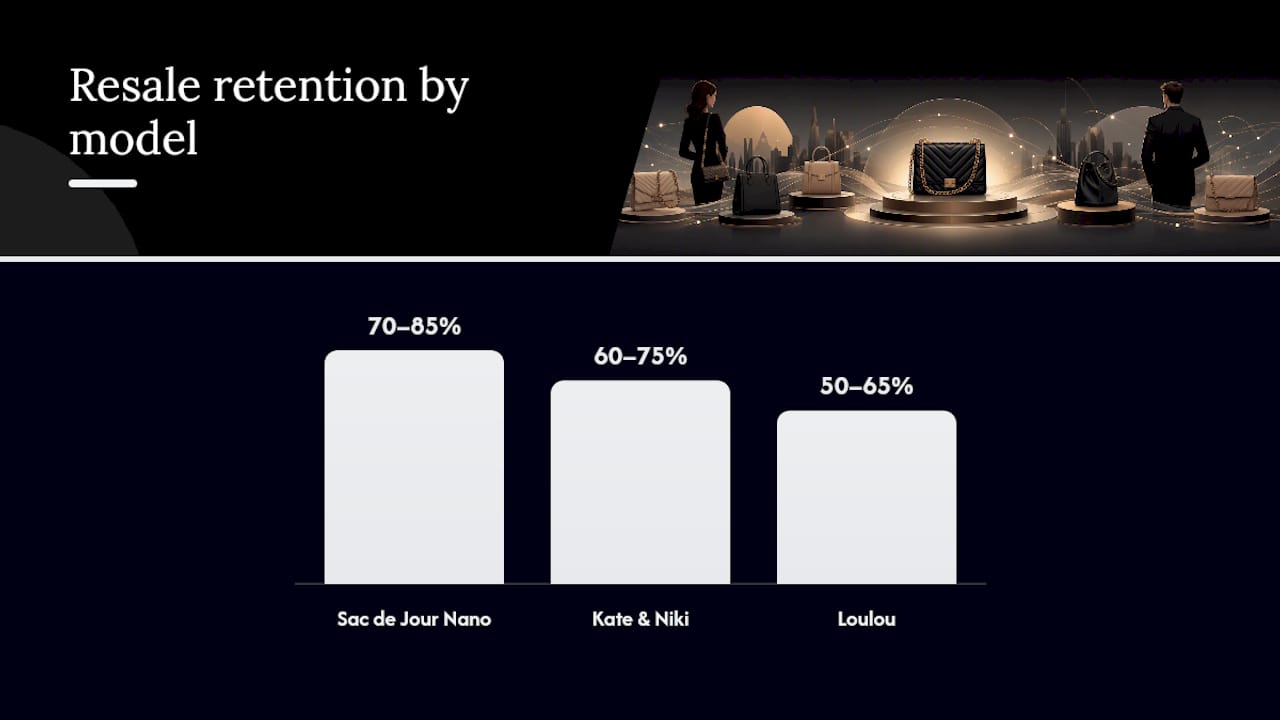
Resale retention is simply the percentage of original retail price a bag holds when resold later. Dollar exposure is the flip side: the actual dollar amount you stand to lose if the bag depreciates, which matters more than the percentage once retail prices climb.
Here’s how that plays out with current resale data:
- Sac de Jour Nano holds roughly 70% to 85% of retail value after several years, the strongest retention in the lineup.
- Kate and Niki typically hold 60% to 75%, a solid middle tier.
- Loulou runs lower, around 50% to 65%, depending on size and leather finish.
A 7% retail increase on a bag with 80% resale retention barely changes your dollar exposure. The same 7% increase on a bag holding only 50% retention means you’re risking more absolute dollars if you ever resell.
Dealers tend to think in these dollar terms rather than pure percentages, and that’s the more useful lens for you too. A bag that costs more upfront but holds value tightly, like the Sac de Jour, often protects you better long term than a cheaper bag that depreciates fast. If resale matters to you, structured, in-demand shapes with steady collector interest tend to outperform seasonal or logo-heavy pieces. For a deeper breakdown of how retention math works across brands, resale value guides on luxury bags walks through the same principle applied more broadly.
How Can You Avoid Paying Full New Retail?
You have four real paths forward, and each comes with tradeoffs worth weighing before you commit.
- Buy new now, if a boutique still has pre-increase stock. Some locations haven’t fully cycled through old inventory, so calling ahead can save you the difference.
- Go pre-owned through an authenticated platform. This sidesteps the increase entirely, often at a meaningful discount versus new retail.
- Use a personal shopper service. This helps you track down specific colors or sizes without spending hours calling boutiques yourself.
- Wait for pricing to stabilize. Prices rarely drop after a luxury increase, but the initial post-hike rush usually cools within a few months.
Pro Tip: Before paying full price anywhere, ask the seller directly when their listed price took effect. Some retailers are slow to update, and that gap can work in your favor.
The tradeoff is straightforward: new retail gives you warranty coverage and easy returns, while pre-owned demands more diligence on authentication but can save real money right now.
Which YSL Bag Should You Buy First?
Your priority should match your goal. If resale value matters most, the Sac de Jour Nano and Kate Medium are the strongest bets given their retention ranges above. For everyday wear where practicality outweighs investment thinking, the Loulou and Niki offer flexibility without the premium price tag of the structured totes. If you’re drawn to collector appeal, the Mombasa and its occasional reissues carry more upside but also more price volatility, so go in accepting that swings are part of the territory.
How Naiseshopper Tracks These Price Shifts For You
Watching luxury pricing move in real time is basically Naiseshopper’s daily job. Every authenticated bag in the collection, including Saint Laurent styles, goes through verification before it’s listed, and localized pricing means you’re seeing figures relevant to where you actually shop. Shipping insurance and secure international delivery round out the practical side of buying luxury online.
When a brand-wide increase like this hits, that market tracking becomes especially useful. It’s how Naiseshopper curates pre-owned Saint Laurent options that sit below current new-retail pricing, giving you a side-by-side view of what you’d pay new versus what the same bag costs through authenticated resale.
Should You Buy Now Or Wait?
If you know exactly which bag you want and it’s still available at current pricing, buy it now or look for authenticated pre-owned before demand pushes resale prices up too. Everyday buyers can afford to be selective and wait for the right piece; collectors chasing specific models should move faster, since scarcity tends to compound after a price increase.
— Camila
Get Your Saint Laurent Bag Without Paying Full New Retail
There are platforms offering authenticated Saint Laurent inventory at discounted pricing, verified before it ever reaches you.
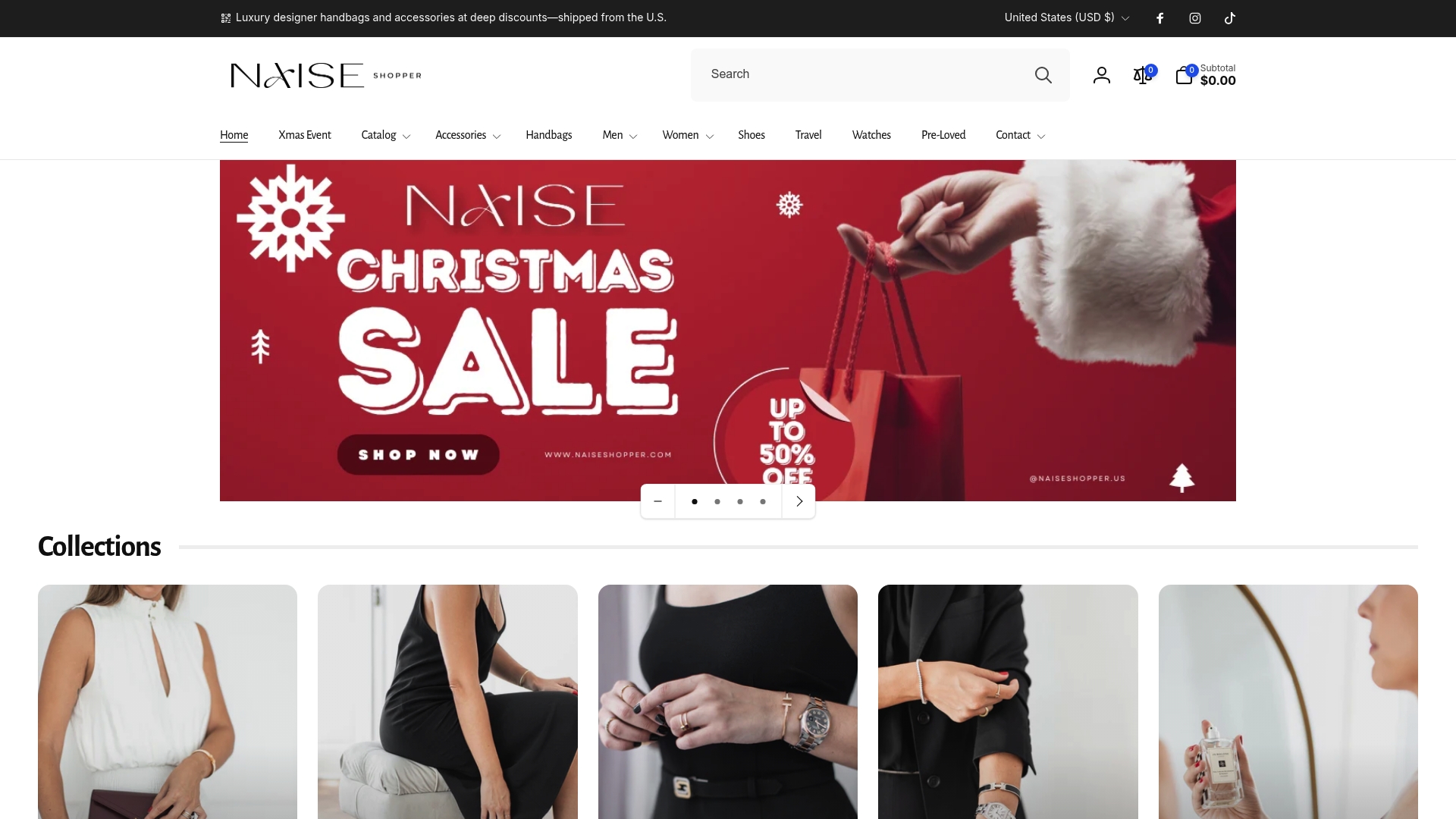
That matters right now specifically because boutique discounting has dried up since the 2026 increase took hold. Collections include classic styles like the Sac de Jour alongside other major houses, authenticated and sometimes backed by shipping insurance on international orders. Localized pricing can help in comparing approximate numbers for different markets, rather than a generic global rate. Personal shopper services can handle the search across US retailers for specific sizes or colors.
If you’ve been pricing out a Saint Laurent bag since the increase, browse Naiseshopper’s current collection and compare what authenticated pre-owned costs against new retail before you buy.
Sources
- Saint Laurent 2026 Price Increase: Classic Bags Up 7% (luxurydesigner-goods)
- Saint Laurent Bags Guide 2026: Which YSL Models Hold Value (InvestedLuxury)
- YSL Price Increase Summer 2026: Latest Updates And News (StreetStylis)
- Saint Laurent Brand Guide 2026 (HaoPicks)
FAQ
In Which Country Is YSL The Cheapest?
Pricing varies by region due to import duties, VAT, and local currency strength, and no single country holds a permanent price advantage since brands adjust regional pricing regularly. Checking current authorized pricing in your specific market, or comparing through localized platforms, gives a more reliable answer than relying on outdated country rankings.
Will Louis Vuitton Raise Prices In 2026?
Louis Vuitton has a long history of periodic price increases across recent years, following the same industry pattern seen with Saint Laurent and other major houses. Specific 2026 figures for Louis Vuitton aren’t covered in this reporting, but the broader luxury sector trend points toward continued gradual increases.
What Will Chanel Bags Cost In 2026?
Naiseshopper’s own reporting found most Chanel bags rose between $150 and $400 in 2026, with resale signals suggesting certain classic styles held value better than others after the hike. That mirrors the pattern seen with Saint Laurent, where classic lines absorbed the bulk of the increase.
Is YSL Losing Value?
No, Saint Laurent bags aren’t broadly losing value. Resale retention on core models like the Sac de Jour Nano still runs 70% to 85%, though lower-retention styles like the Loulou hold closer to 50% to 65%, so value trends depend heavily on the specific model you own or plan to buy.