TL;DR:
- Luxury fashion influencer marketing emphasizes authenticity, exclusivity, and strategic model selection over sheer reach. Selecting the right influencer tier and method for each campaign ensures genuine engagement that builds long-term brand equity. Prioritizing quality, restraint, and personalized relationships sustains desirability and maximum ROI.
Fashion influencer marketing isn’t just hype. It delivers ROI between $4 and $18 for every $1 spent in fashion, with micro-influencers averaging 5 to 6.8x return. For luxury brands managing Gucci campaigns or seeding Bottega Veneta pieces, those numbers signal a real strategic opportunity. This guide breaks down exactly what fashion influencer marketing means for luxury, which models work best, how to choose the right influencer tier, and how to build campaigns that protect brand equity while driving measurable results. Whether you’re launching your first ambassador program or refining an existing strategy, you’ll leave with a clear, actionable framework.
Table of Contents
- Defining fashion influencer marketing
- Models and methodologies: how luxury brands engage influencers
- Choosing the right influencer tier for luxury campaigns
- Best practices, benchmarks, and pitfalls in luxury fashion influencer marketing
- Application: building a winning luxury influencer strategy
- What most guides miss: selectivity, restraint, and true luxury value
- Explore authentic luxury for your next campaign
- Frequently asked questions
Key Takeaways
| Point | Details |
|---|---|
| Select authentic partners | Prioritize influencers whose style and values align with your luxury brand for maximum credibility and resonance. |
| Micro beats mega | Micro-influencers deliver stronger engagement, better ROI, and more authentic connections compared to celebrities. |
| Track and optimize | Use affiliate tracking and long-term partnerships to maximize sales attribution and campaign effectiveness. |
| Restraint is essential | Limit influencer quantity to preserve luxury exclusivity and brand desirability. |
| Avoid common pitfalls | Watch for fake followers and clarify briefs to sidestep wasted spend and brand damage. |
Defining fashion influencer marketing
Fashion influencer marketing is the practice of partnering with social media creators who have engaged audiences around style, beauty, and lifestyle to promote fashion brands and products. It’s built on trust. When a creator shares a Prada bag or styles a Saint Laurent blazer, their audience sees it as a personal recommendation, not an ad. That distinction is everything in luxury.
“The most powerful luxury campaigns don’t look like campaigns at all. They look like genuine moments of desire.”
For luxury fashion specifically, the stakes are higher and the rules are different. You’re not just selling a product. You’re selling aspiration, exclusivity, and a story that resonates emotionally. A Chanel influencer partnership that feels transactional can actually damage brand equity. One that feels organic and exclusive? It elevates the entire brand narrative.
The core outcomes luxury brands pursue through influencer marketing include:
- Awareness among high-intent, affluent audiences who aren’t reachable through traditional media
- Engagement that signals genuine desire rather than passive scrolling
- Sales conversion through curated product moments and affiliate tracking
- Authenticity that reinforces trust in luxury retail and validates premium pricing
The luxury segment demands a different mindset. Volume isn’t the goal. Resonance is.
Models and methodologies: how luxury brands engage influencers
Now that we know what fashion influencer marketing is, let’s examine the core methods luxury brands actually use and when each works best.
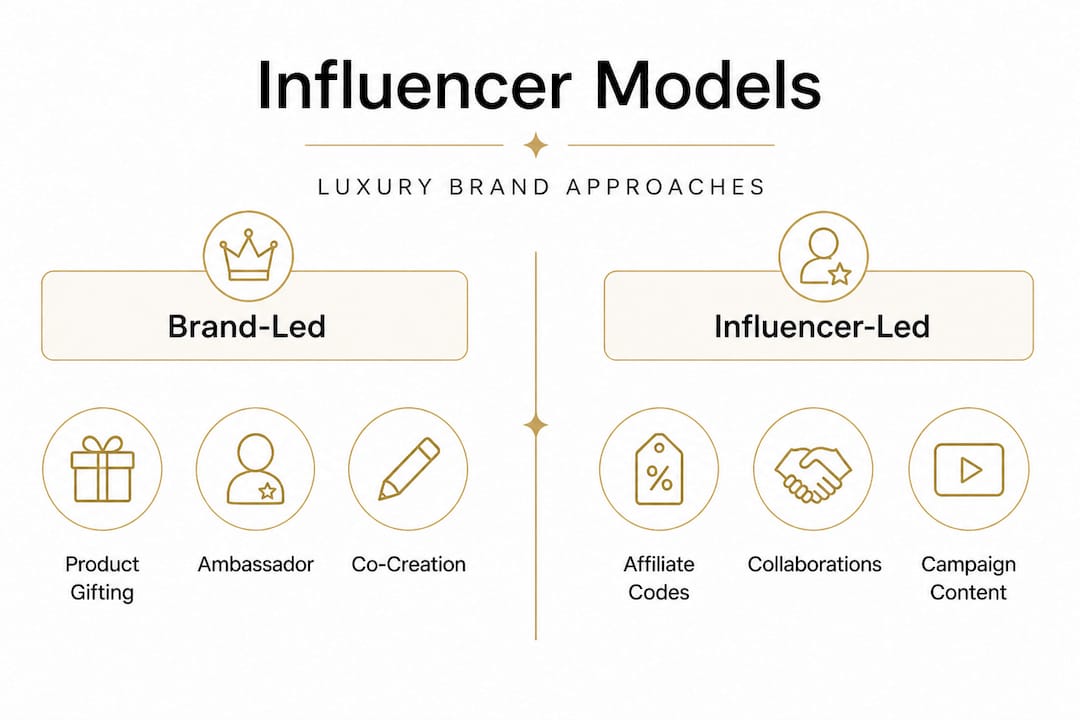
Key methodologies include product seeding/gifting, affiliate/promo code campaigns, ambassador programs, co-creation of collections, and event invitations for exclusive content. Each model serves a different strategic purpose, and choosing the wrong one for your goal is one of the most common mistakes marketers make.
Here’s a quick comparison to guide your decision:
| Method | Best for | Luxury fit | Typical timeline |
|---|---|---|---|
| Product gifting/seeding | Organic awareness, UGC | High, when selective | 2 to 4 weeks |
| Affiliate/promo codes | Trackable sales, conversions | Moderate, use carefully | Ongoing |
| Ambassador programs | Brand equity, long-term loyalty | Very high | 6 to 12 months |
| Co-creation/collabs | Buzz, exclusivity, press coverage | Very high | 3 to 6 months |
| Event invitations | Content creation, VIP positioning | High | Event-based |
For a luxury brand like Valentino, gifting a limited edition piece to a carefully selected creator generates organic content that feels earned. An affiliate campaign with a promo code, on the other hand, can cheapen the perception of exclusivity if not handled with care. Ambassador programs and co-created collections are where luxury brands shine because they build narrative depth over time.
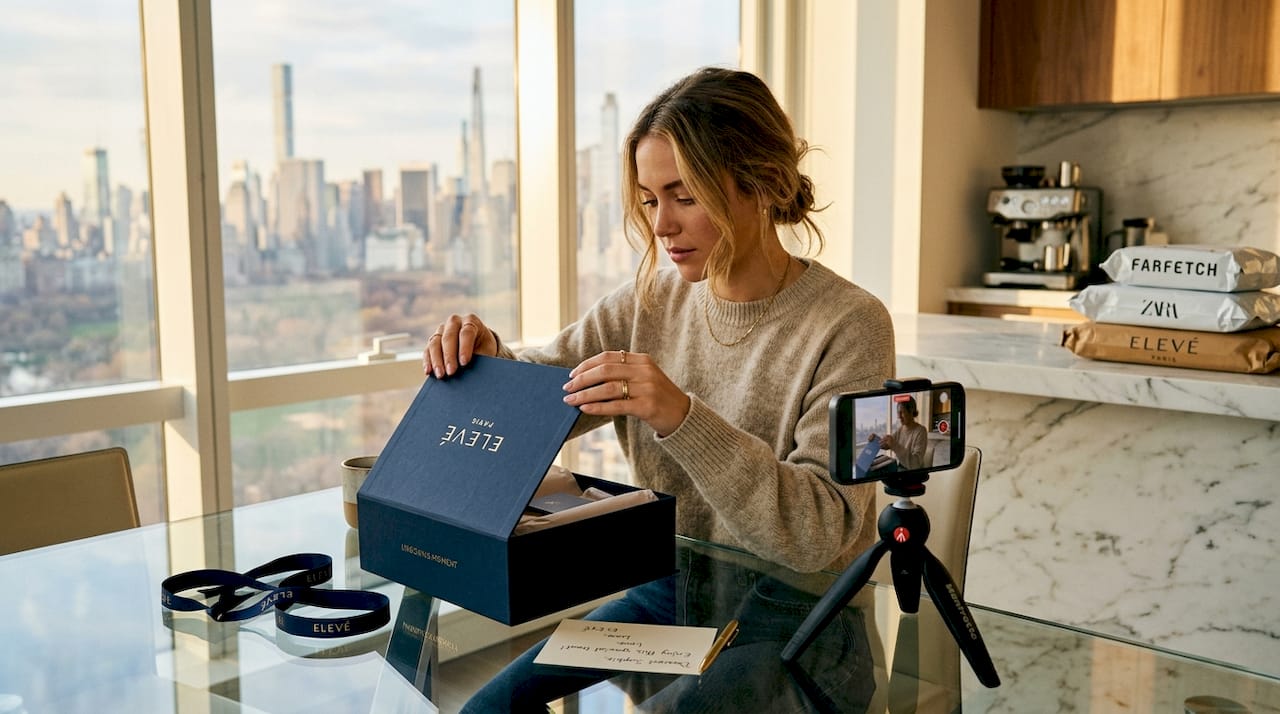
Consider this scenario: a brand manager at a Balenciaga-adjacent label wants to drive awareness for a new sneaker drop. Product seeding to 15 highly curated micro-influencers will generate authentic unboxing content. But for a runway-level bag launch? A co-created capsule with one iconic creator, paired with a private event, delivers far more prestige.
Aligning your luxury brand promotion strategies with the right influencer model is what separates campaigns that build equity from those that burn it.
Pro Tip: For luxury gifting campaigns, always personalize the unboxing experience. A handwritten note, custom packaging, or a personal styling card transforms a product send into a brand moment worth sharing.
Choosing the right influencer tier for luxury campaigns
Understanding the methods is only half the battle. It’s just as vital to know which kinds of influencers create real luxury value.
Influencer tiers are typically defined by follower count and engagement level:
- Nano influencers (1K to 10K followers): Hyper-engaged, niche communities. Authentic and personal. Ideal for grassroots seeding and community building.
- Micro influencers (10K to 100K followers): Strong engagement rates, trusted voices in specific niches like sustainable fashion or streetwear. Excellent for targeted campaigns.
- Macro influencers (100K to 1M followers): Broader reach with moderate engagement. Good for awareness campaigns with a defined audience segment.
- Mega/celebrity influencers (1M+ followers): Maximum reach, aspirational positioning. High cost, lower engagement rates, best for global brand moments.
Micro and nano influencers often outperform larger tiers for engagement and conversions. Luxury brands should select influencers who embody the brand spirit for authenticity, not just those with the biggest numbers. A creator with 40K followers who genuinely wears Bottega Veneta and speaks to a design-conscious audience will outperform a celebrity post that feels like a paid placement.
The data backs this up. Nano and micro tiers earn 49% of influencer spend, and micro-influencer engagement rates on TikTok range from 2.26% to 4.2%, while Instagram rates sit between 0.48% and 1.59%. For luxury fashion, even modest engagement from the right audience is worth more than massive reach from the wrong one.
Here’s a practical tier selection checklist:
- Does this creator’s aesthetic align with the brand’s visual identity?
- Does their audience match your target customer profile (age, income, geography, taste)?
- Do they have a genuine relationship with luxury fashion, or does it feel aspirational but misaligned?
- What is their engagement rate relative to their follower count?
- Have they worked with competing luxury brands recently?
Keeping up with luxury fashion trends in 2026 also helps you identify which creators are actively shaping cultural conversations around the styles your brand is pushing.
Pro Tip: Don’t ignore creators in the 15K to 50K range who have a highly specific niche, like vintage Chanel collectors or minimalist wardrobe enthusiasts. Their audiences are often more purchase-ready than those of larger generalist accounts.
Best practices, benchmarks, and pitfalls in luxury fashion influencer marketing
With the ideal influencer, model, and campaign type chosen, it’s critical to avoid common and often expensive mistakes, and understand what makes luxury fashion different.
Best practices include acting on clear briefs and objectives, vetting thoroughly, tracking with affiliates and UTM parameters, reusing UGC, and prioritizing long-term partnerships. These aren’t just good habits. For luxury brands, they’re non-negotiable standards.
Here’s what separates high-performing luxury influencer programs from the rest:
- Set a creative brief that guides without restricting. Luxury creators need room to express their voice. Overly scripted content reads as fake and undermines the trust you’re paying for.
- Vet every influencer for audience quality, not just size. Fake followers are a serious and growing problem.
- Use affiliate links and UTM tracking to measure actual sales impact, not just likes and views.
- Repurpose strong UGC (user-generated content) across paid social, email, and your own channels for extended campaign value.
- Invest in long-term relationships. A creator who has worn your brand three times is far more credible than one who posts once and disappears.
“Luxury brands that treat influencer partnerships as transactions rather than relationships will always underperform those that invest in genuine creative collaboration.”
The fraud risk is real and growing. 37% to 41% of influencers have fake followers, which means a significant portion of your budget could be reaching bots rather than buyers. Tools like HypeAuditor, Modash, and Sprout Social’s influencer analytics can flag suspicious engagement patterns before you commit.
Special challenges unique to luxury fashion influencer marketing include:
- Overexposure risk. If a creator is simultaneously promoting five luxury brands, the exclusivity signal disappears entirely.
- Brand misalignment. A creator known for fast fashion hauls will undermine the premium positioning of a Gucci campaign, no matter how large their following.
- Short-term thinking. Chasing a viral moment at the expense of long-term brand narrative is a trap many marketers fall into, especially under quarterly performance pressure.
Understanding luxury fashion ecommerce dynamics also helps you connect influencer activity to actual purchase behavior, which is where the real ROI conversation happens.
Application: building a winning luxury influencer strategy
To turn insight into ROI, here’s how to architect and execute your own high-impact luxury fashion influencer program.
Long-term ambassador partnerships and selectivity are keys to luxury success. Measure customer lifetime value (CLV) and incremental impact, and keep authenticity and exclusivity at the center of every decision.
Follow this step-by-step framework:
- Define your campaign objective. Are you driving awareness, building brand equity, or converting sales? Each goal requires a different influencer type, model, and KPI set.
- Research and build your influencer shortlist. Use discovery tools (Aspire, Upfluence, or Creator.co) to identify creators whose content, audience, and values align with your brand.
- Vet rigorously. Check engagement authenticity, past brand partnerships, audience demographics, and content quality. Look for creators who already wear or reference your brand category organically.
- Craft a personalized outreach. Generic partnership emails get ignored. Reference specific content of theirs you admire and explain why the collaboration feels natural.
- Build the campaign structure. Decide on deliverables, timelines, exclusivity clauses, and creative direction. For luxury, always allow creative latitude within brand guidelines.
- Track everything from day one. Set up affiliate links, UTM parameters, and social listening before the campaign launches. Establish baseline metrics so you can measure true incremental impact.
- Optimize in real time. Monitor which content formats and creators are driving the most engagement and conversion. Reallocate budget toward what’s working.
- Evaluate and extend. After the campaign, assess CLV impact and relationship quality. The best luxury influencer programs evolve into multi-season partnerships.
Realistic roadblocks you’ll face include creator scheduling conflicts, content that doesn’t match brand standards, and attribution challenges when customers touch multiple channels before purchasing. Plan for these upfront. Build in review rounds, set clear approval timelines, and use multi-touch attribution models to get an accurate picture of influencer contribution.
Tying your influencer program to broader luxury promotions impact planning ensures your campaigns work in concert with seasonal moments and editorial calendars rather than in isolation.
Pro Tip: Build a “creator alumni” network from past campaigns. Creators who already understand your brand and have delivered strong results are your most efficient future partners. Reactivating them costs less and performs better than starting from scratch each season.
What most guides miss: selectivity, restraint, and true luxury value
Most influencer marketing guides focus on scale. More creators, more posts, more reach. But for luxury fashion, that logic can actively destroy what you’re trying to build.
Luxury success is rooted in restraint and selectivity. Overexposure and chasing followers can seriously hurt brand value. This is the uncomfortable truth that most performance marketers don’t want to hear: in luxury, doing less is often doing more.
Think about the brands that have maintained their prestige over decades. Chanel doesn’t flood Instagram with sponsored posts. Hermès is famously selective about who carries their pieces, let alone who promotes them publicly. That scarcity creates desire. When every creator on your feed is wearing the same bag, the bag loses its power.
We believe the future of luxury influencer marketing will demand two things simultaneously: creative depth and data-driven selectivity. Brands that can identify the exact right creator, build a genuinely compelling narrative, and then resist the urge to scale it too fast will win. Those that treat influencer marketing as a volume game will find their brand equity eroding quietly over time.
The risk of dilution is real. When a luxury brand partners with dozens of influencers across every tier simultaneously, the message fragments. The brand starts to feel accessible in the wrong way, not aspirational but ordinary. Protecting that sense of authenticity in luxury retail is not a soft metric. It directly affects purchase intent, price tolerance, and long-term customer loyalty.
The smartest luxury marketers we see are treating influencer partnerships the way fashion houses treat their guest lists: curated, intentional, and always slightly exclusive. That’s the standard worth aspiring to.
Explore authentic luxury for your next campaign
Ready to put these strategies into action? The pieces you feature in your campaigns need to be as compelling as the creators you choose to wear them.
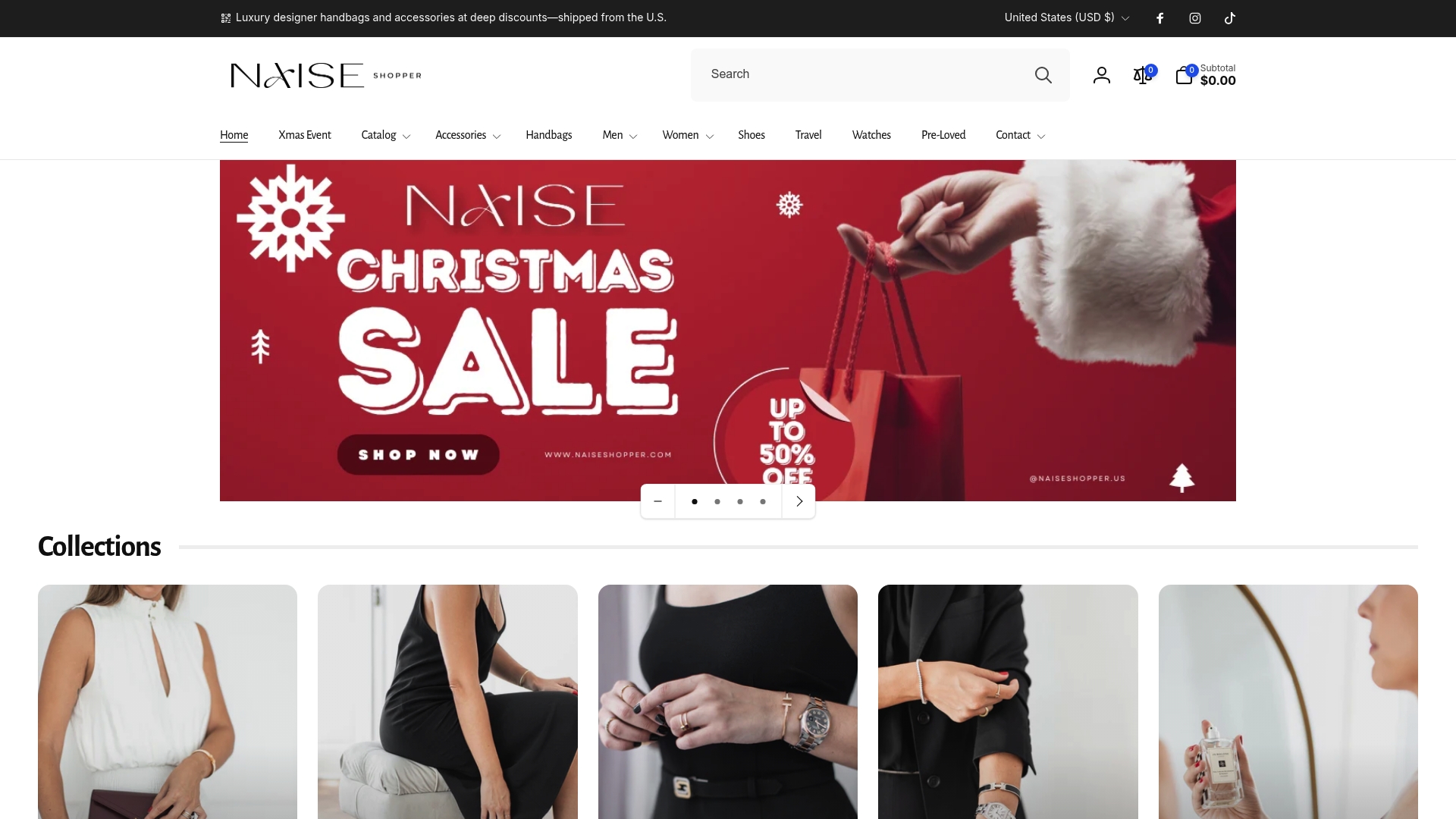
At Naise Shopper, we specialize in authenticated luxury fashion from Gucci, Chanel, Prada, Valentino, Bottega Veneta, Saint Laurent, and Balenciaga, all available at exceptional prices with guaranteed authenticity. Whether you’re sourcing statement pieces for an influencer gifting program or curating a co-creation capsule, our luxury watches collection and full range of designer accessories give you the editorial quality your campaigns deserve. Explore our curated collections and discover how authentic luxury pieces can elevate every campaign moment.
Frequently asked questions
How does influencer marketing boost luxury fashion sales?
Influencers drive trust, exclusivity, and purchase intent among high-value audiences. In fact, 62% of fashion consumers make purchases based on influencer endorsement, making creator partnerships one of the most direct paths to conversion in luxury retail.
What makes an influencer campaign successful for luxury brands?
Success comes from selective, authentic partnerships built around clear objectives and genuine creative freedom. Best practices include using micro-influencers for engagement, enabling trackable sales through affiliate links, and prioritizing long-term relationships over one-off posts.
How do you measure ROI on luxury influencer marketing?
Track conversions using affiliate links and UTM parameters, and measure customer lifetime value to capture the full downstream impact. Multi-touch attribution gives you a more accurate picture than last-click models, especially for luxury purchases with longer consideration cycles.
What are the risks or pitfalls to avoid?
The biggest risks are fake followers, brand overexposure, and chasing vanity metrics instead of real business outcomes. 37% to 41% of influencers have fake followers, so thorough vetting with audience quality tools is essential before committing budget.
Should luxury brands use mega-celebrities or micro-influencers?
For authentic engagement and stronger ROI, micro-influencers typically outperform mega-celebrities in most luxury campaigns. Celebrities work best for global brand moments and aspirational positioning, but micro-influencers deliver the trust and conversion rates that actually move product.
Recommended
- Role of Promotions in Luxury Fashion: Impact and Strategy
- Luxury Fashion Investing Guide for Handbags and Apparel
- Aspirational shopping: how to access luxury fashion smartly
- Step by step luxury shopping guide for authentic deals 2026
- The Fashionista, wearing technology without compromising his style – Smartlet