TL;DR:
- Aspirational shoppers, making up 50-60% of the luxury market, seek quality and self-expression over status.
- They use strategies like entry-level items, seasonal sales, and resale platforms to access authentic luxury affordably.
- The luxury industry is evolving with personalized digital platforms, micro-drops, and certified resale to cater to this segment.
Aspirational shoppers represent 50-60% of total luxury market value, yet most people assume designer fashion belongs exclusively to the ultra-wealthy. That assumption is wrong, and it’s costing everyday fashion lovers real opportunities. Aspirational shopping is a legitimate, strategic approach to owning authentic luxury pieces without requiring a billionaire’s bank account. In this guide, we break down exactly what aspirational shopping means, who does it, how it works in practice, what the real benefits and risks look like, and how the entire luxury industry is shifting to respond to this powerful consumer segment.
Table of Contents
- What is aspirational shopping?
- How aspirational shoppers access luxury fashion
- Benefits and risks of aspirational shopping
- Industry impact: how aspirational shoppers reshape luxury fashion
- The truth about aspirational shopping most guides miss
- Discover curated authentic designer deals
- Frequently asked questions
Key Takeaways
| Point | Details |
|---|---|
| Aspirational shopping defined | Buying luxury items to emulate a desired lifestyle is accessible to more than just the wealthy. |
| Smart strategies | Savvy shoppers use resale, outlets, and sales to find authentic designer pieces for less. |
| Benefits and risks | Aspirational shopping offers satisfaction and style but can lead to overspending or counterfeit risks. |
| Industry impact | Aspirational shoppers shape the luxury market, driving trends and brand strategies. |
What is aspirational shopping?
Now that we’ve disrupted some myths, let’s clarify exactly what aspirational shopping means.
Aspirational shopping is the practice of purchasing luxury or high-status products to emulate a desired lifestyle, social status, or future self. It’s not impulsive or irrational. It’s intentional. Shoppers in this category know what they want, research their options carefully, and make calculated decisions about when and how to invest in a designer piece.
Who actually does this? The short answer: almost everyone who loves fashion. Defining the aspirational luxury shopper goes beyond income brackets. It includes millennials saving for a Gucci belt, a Gen Z professional eyeing their first Prada bag, and mid-income earners who treat themselves to one quality piece per season. The motivation isn’t always status. Often it’s about quality, craftsmanship, and self-expression.
Here’s what drives aspirational shoppers:
- Self-reward: Celebrating milestones with a meaningful purchase
- Quality over quantity: Preferring one lasting designer item over several fast-fashion pieces
- Social signaling: Communicating taste, ambition, and style to peers
- Investment mindset: Recognizing that certain luxury items hold or increase in value
- Gifting: Choosing authenticated luxury for someone special
Aspirational shopping also reshapes luxury industry trends in ways that ripple across the entire market. When this segment grows, brands expand their entry-level offerings. When it contracts, brands pivot toward ultra-high-net-worth clients. Either way, aspirational shoppers set the tone.
“Luxury fashion is no longer a closed club. It’s a spectrum, and aspirational shoppers are writing the rules at the accessible end.”
Understanding luxury fashion trends helps aspirational shoppers make smarter choices, picking pieces that stay relevant beyond one season and deliver lasting style value. The key insight here is simple: aspiration isn’t a flaw in your shopping habits. It’s a strategy.
How aspirational shoppers access luxury fashion
With the fundamentals understood, let’s examine exactly how aspirational shoppers make smart purchases.
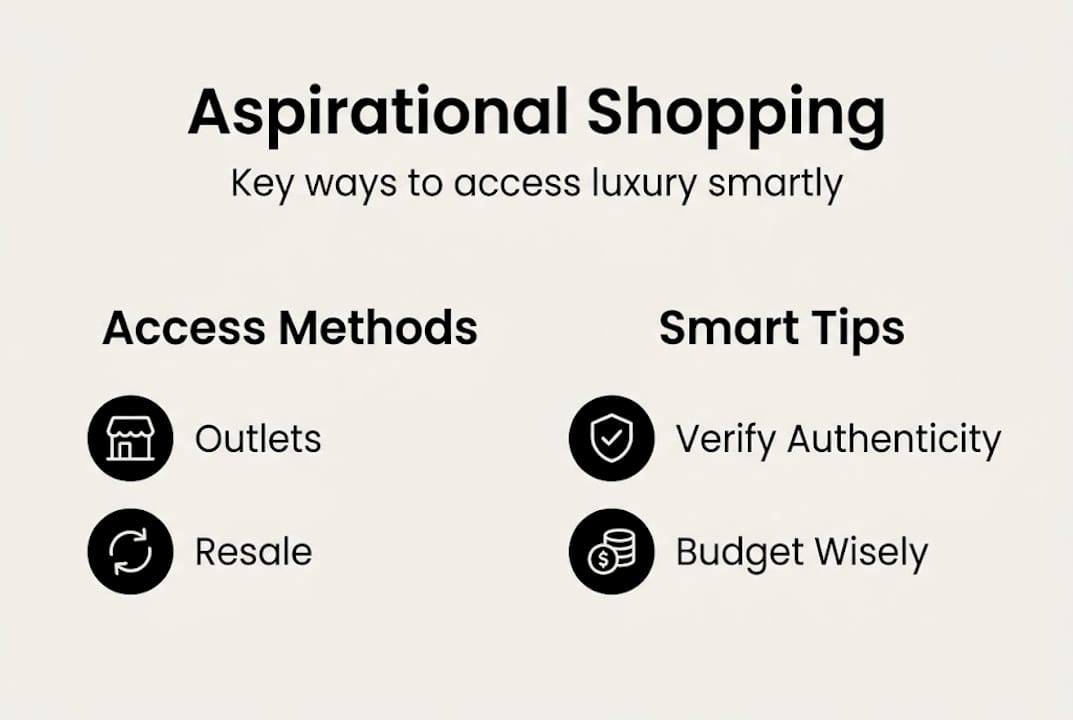
According to luxury shopping strategies, the most effective mechanics include saving for one major item yearly, buying entry-level products, using discounts and seasonal sales, exploring pre-owned and resale markets, visiting outlet stores, and seeking curated experiences. Each approach offers a different balance of price, access, and authenticity.
Here are the top five strategies ranked by accessibility:
- Entry-level items: Start with accessories like scarves, wallets, or sunglasses from top houses. These carry the brand’s DNA at a fraction of the cost of a full handbag.
- Seasonal sales and promotions: Many authenticated retailers offer significant markdowns during end-of-season events. Timing your purchase right can save you 20-40%.
- Pre-owned and resale platforms: The pre-owned designer value proposition is strong. Authenticated second-hand pieces often cost 40-70% less than retail.
- Outlet shopping: Designer outlets carry past-season pieces at reduced prices, though selection varies.
- Curated discount platforms: Vetted luxury retailers offer authenticated items with luxury resale discounts of 30-70%, combining trust with savings.
| Access method | Typical savings | Authenticity risk | Best for |
|---|---|---|---|
| Entry-level items | 50-80% vs. flagship | Very low | First-time buyers |
| Seasonal sales | 20-40% | Very low | Patient shoppers |
| Pre-owned resale | 40-70% | Low (if vetted) | Value seekers |
| Outlet stores | 20-50% | Very low | Bargain hunters |
| Curated discount platforms | 30-70% | Low (if certified) | Convenience buyers |
Luxury shopping trends in 2026 also show a rise in AI-powered personalization, where platforms tailor recommendations to your style profile and budget. This makes finding the right piece faster and more satisfying than ever.
Pro Tip: Always verify authenticity in luxury purchases by checking for certificates of authenticity, reviewing seller reputation, examining detailed product photos, and confirming return policies before committing to any discounted item.

Benefits and risks of aspirational shopping
Having seen the main strategies, it’s crucial to weigh the benefits and potential downsides.
The rewards of aspirational shopping are real and varied. On the emotional side, owning a piece from Chanel or Bottega Veneta delivers genuine satisfaction. It’s a personal milestone, a confidence boost, and in gifting contexts, an unforgettable gesture. On the financial side, certain luxury items, particularly iconic handbags from Hermès or Chanel, have historically appreciated in value, making them smarter long-term holds than most fast-fashion purchases.
Key benefits at a glance:
- Emotional reward: The pride of owning something beautifully crafted
- Quality longevity: Designer pieces typically outlast fast-fashion alternatives by years
- Style uniqueness: Curated luxury pieces set your wardrobe apart
- Investment potential: Select items hold or grow in resale value
- Sustainability alignment: Buying less but better reduces overall consumption
But the risks are equally real. Overspending leads to debt and anxiety, counterfeit goods lurk in discount channels, and trend shifts can leave you holding a piece that feels dated faster than expected. Gen Z and millennials increasingly favor resale for sustainability and authenticity, but even resale carries risk if the source isn’t verified.
| Factor | Benefit | Risk |
|---|---|---|
| Financial | Investment value, savings via resale | Debt, overspending |
| Emotional | Satisfaction, self-reward | Buyer’s remorse, anxiety |
| Style | Uniqueness, quality | Trend obsolescence |
| Authenticity | Genuine craftsmanship | Counterfeit exposure |
Understanding what is luxury resale and why shop luxury online helps you navigate these trade-offs with confidence rather than guesswork.
Pro Tip: Set a clear annual budget for luxury purchases before you start browsing. Decide on your maximum spend per item and stick to it. Aspiration should energize your style, not strain your finances.
Industry impact: how aspirational shoppers reshape luxury fashion
Beyond personal experiences, aspirational shopping profoundly influences the entire luxury market.
The numbers are striking. Aspirational shoppers make up 50-60% of luxury market value, yet the segment declined by 20% year over year in 2024, with an estimated 50 million customers stepping back from luxury purchases. Brands are now caught between two competing strategies: doubling down on ultra-high-net-worth individuals or rebuilding accessible entry points to recapture aspirational buyers.
Here’s how the industry is responding:
- Price laddering: Brands are creating clear tiers from entry accessories to flagship pieces, giving shoppers a path to grow into the brand
- AI personalization: Digital platforms now use machine learning to match shoppers with pieces that fit their style and budget in real time
- Micro-drops: Limited, small-batch releases create urgency and excitement without flooding the market
- Pre-owned integration: Major houses are launching or partnering with certified resale programs to capture sustainability-focused buyers
- Experiential luxury: Brands invest in in-store events, personalized styling sessions, and VIP access to deepen emotional connection
“The aspirational shopper isn’t gone. They’re just smarter, more selective, and more demanding of authenticity than ever before.”
2025-2026 luxury trends confirm an industry-wide shift toward premiumization, experiential luxury, and digital access. Resale market maturity is accelerating, with authenticated platforms gaining credibility fast.
For you as a shopper, this means more options, better tools, and greater transparency than at any point in luxury fashion history. Staying informed about 2026 luxury trends gives you a real edge when deciding where to invest your fashion budget.
The truth about aspirational shopping most guides miss
Most articles celebrate aspirational shopping as a pure win: get the luxury look for less, feel amazing, done. But there’s an important perspective most resources don’t address, and experience teaches it clearly.
Buying luxury at a discount is only a win when the source is trustworthy and the purchase is intentional. We’ve seen shoppers chase the lowest price and end up with a convincing fake, or worse, a genuine item they couldn’t afford and regretted immediately. The aspiration itself isn’t the problem. The rush is.
The real challenge is matching your aspiration with financial wellness and a commitment to authenticity. That means slowing down, researching platforms, and choosing certified luxury resale in 2026 over unverified bargains. It means enjoying the process of saving for something meaningful rather than impulse-buying a discounted piece that doesn’t fit your actual wardrobe.
Sustainability matters here too. Buying fewer, better pieces from authenticated sources is genuinely better for the planet and for your personal style. The most stylish aspirational shoppers we know treat each purchase as a deliberate choice, not a reaction to a sale notification.
Discover curated authentic designer deals
Ready to put smart aspirational shopping into action? Start here.
At Naise Shopper, we curate authenticated designer pieces at genuine discounts, so you can shop with confidence whether you’re treating yourself or finding the perfect gift. Every item is verified for authenticity, and our collections span the full range of luxury fashion from statement shoes to iconic timepieces.
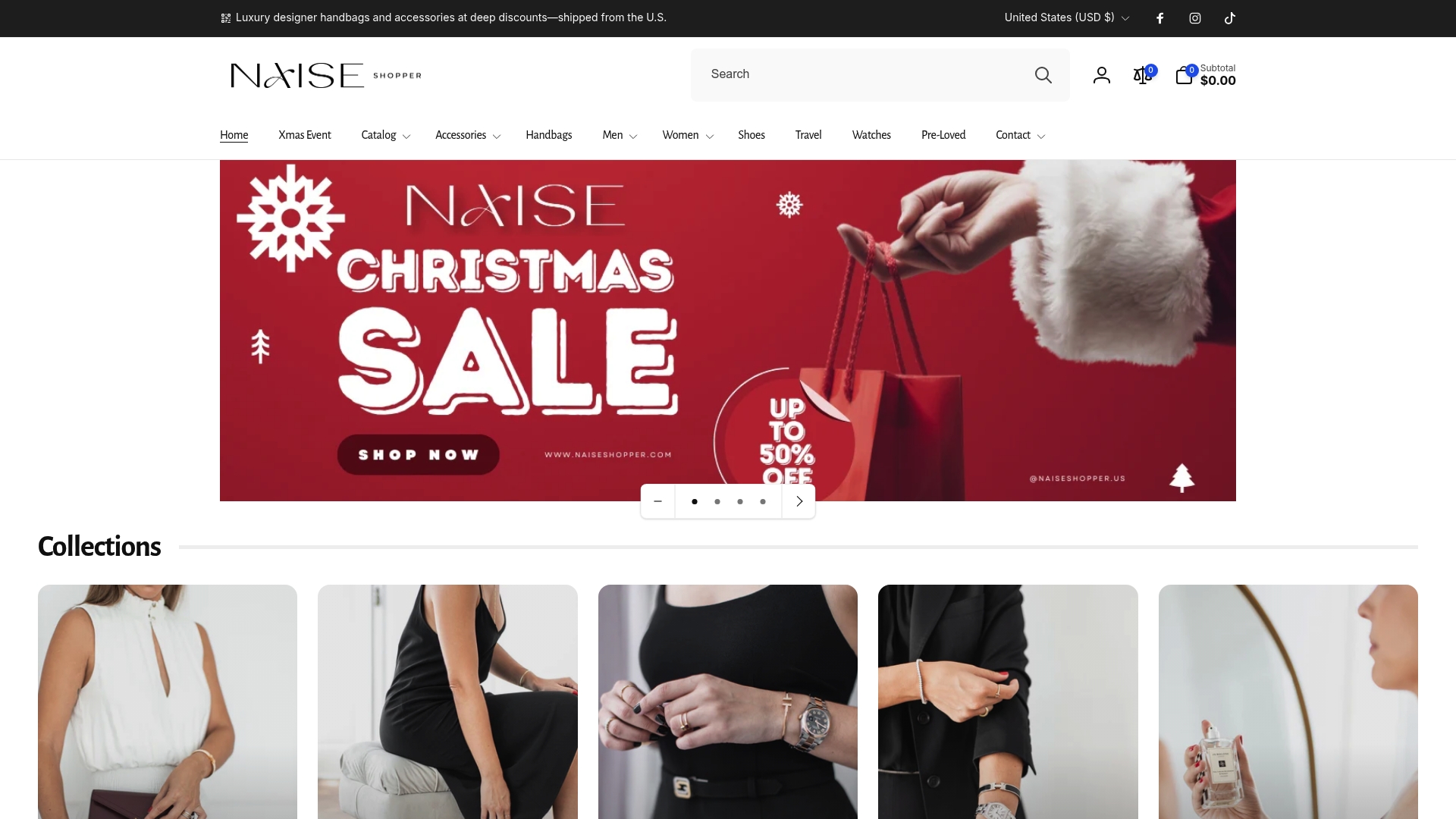
Explore pieces like the stunning Prada leather heels that deliver runway elegance at a fraction of boutique pricing, or the classic Gucci G-Timeless watch that makes an unforgettable gift. When you’re ready to explore more, browse more luxury deals across our full curated collection and find your next signature piece today.
Frequently asked questions
How can I tell if a discounted designer item is authentic?
Look for detailed product photos, certificates of authenticity, strong seller reputation, and clear return policies. Relying on reputable sources is the single most effective way to avoid counterfeits.
What are the risks of aspirational shopping for luxury fashion?
Overspending and counterfeit risks are the two biggest concerns. Chasing deep discounts without vetting the seller can lead to financial strain or receiving a fake item.
Is shopping pre-owned designer fashion a good idea?
Absolutely. Pre-owned markets offer 40-50% savings and strong authentication services, making them one of the smartest ways to access genuine luxury at a lower price point.
Why are brands raising prices on entry-level luxury items?
Brands are targeting high-net-worth individuals and responding to inflation, which pushes entry-level prices higher and makes aspirational access slightly harder without smart shopping strategies.