The fastest path to a cohesive luxury wardrobe across seasons is a three-step plan: audit what you own, rotate and store pieces correctly, then make one high-impact seasonal purchase. That’s the whole framework. Everything else is execution.
Start this week with these three moves:
- Spend 30 minutes on a focused audit. Pull every item out and sort it into three piles: Keep, Store, and Release. Anything unworn for a full season belongs in the Release pile.
- Identify your three non-negotiable keeper pieces. These are your year-round anchors: the tailored coat, the cashmere knit, the structured bag. They don’t leave the active rotation.
- Schedule maintenance for your most delicate items now. Cashmere, silk, and fine leather need attention before storage, not after.
Copy this: Audit your wardrobe this weekend, store off-season pieces properly, and commit to one intentional seasonal purchase before buying anything else.
Table of Contents
- How do you audit a luxury wardrobe and set a realistic transition timeline?
- Which pieces should you keep, and what’s worth adding each season?
- How do you evaluate materials, construction, and fit beyond the label?
- What rotation and storage routines actually protect luxury materials?
- How should you budget and time purchases during a wardrobe transition?
- How do you layer and style pieces during a seasonal transition?
- What do stylists and practitioners actually recommend?
- Why do sustainable practices matter in a luxury wardrobe transition?
- How do you integrate vintage and heirloom luxury pieces into a modern wardrobe?
- Key Takeaways
- The part most style guides get wrong about wardrobe transitions
- Naiseshopper makes your next seasonal addition easier to get right
- Useful sources
How do you audit a luxury wardrobe and set a realistic transition timeline?
The reason for your transition shapes everything. A seasonal refresh looks different from a lifestyle shift after a new job or a move. Before touching a single hanger, write one sentence defining your goal: “I’m transitioning from a corporate wardrobe to a refined casual one over eight weeks.” That sentence becomes your filter for every keep-or-release decision.
The Keep, Store, Release method gives you objective criteria when emotion creeps in. Keep means active rotation. Store means off-season but worth returning to. Release means consign, sell, or donate. Items untouched for a full season are strong resale candidates, full stop.
Pro Tip: Label stored pieces with the date you put them away. If you pull them out six months later and still hesitate, that hesitation is data.
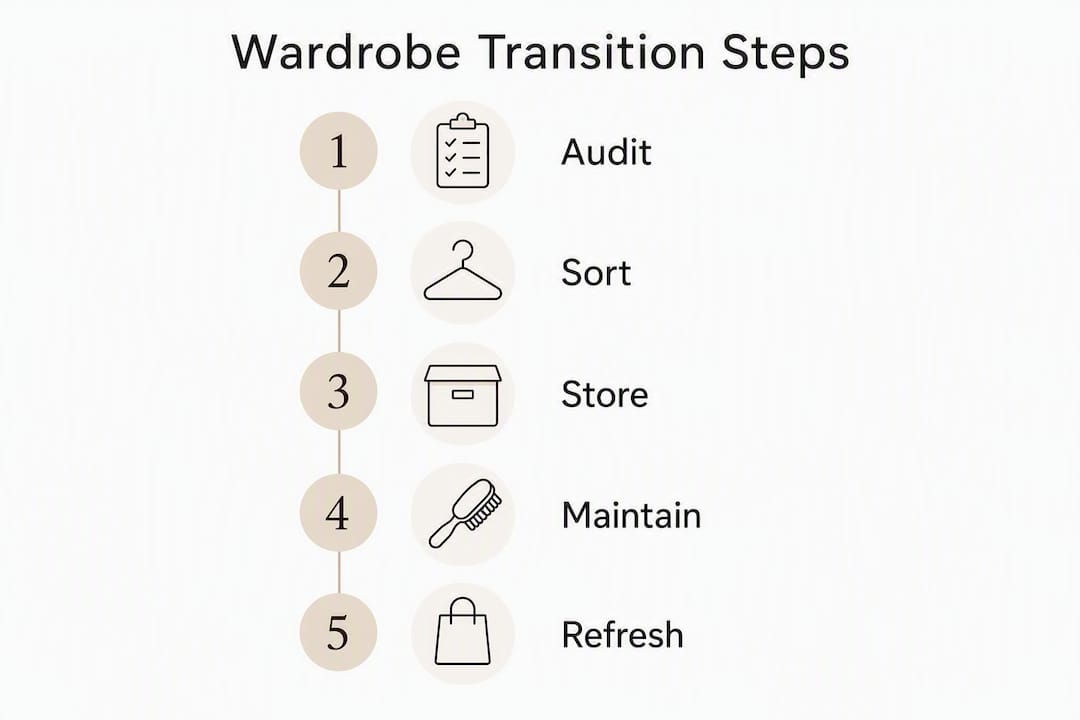
For budget, a practical split looks like this:
| Budget Category | Allocation | Examples |
|---|---|---|
| Foundational investments | 80% | Tailored coat, heritage leather bag, quality footwear |
| Seasonal accents | 15% | Silk scarf, transitional shoe, textured knit |
| Maintenance and care | 5% | Professional cleaning, resoling, alterations |
A several-week transition timeline works well for most wardrobe overhauls:
| Week | Action |
|---|---|
| 1–2 | Full audit; sort into Keep, Store, Release |
| 3–4 | Deep clean and repair all keepers; consign releases |
| 5–6 | Identify one seasonal purchase; research sourcing |
| 7 | Buy, integrate, and style new piece with existing anchors |
Which pieces should you keep, and what’s worth adding each season?
A luxury capsule of 20–30 exceptional pieces costs less per wear and feels more cohesive than a closet stuffed with trend buys. The math is simple: fewer pieces worn more often means each item earns its place.
Keepers meet all four criteria: timeless silhouette, excellent fit, superior fabric, and frequent wear. Release candidates fail at least two: rarely worn, damaged, or a duplicate silhouette you already own in a better version.
The priority keep list for a luxury wardrobe essentials foundation:
- A perfectly fitted tailored blazer in navy, camel, or charcoal
- A cashmere knit in a neutral (two-ply, tight knit for durability)
- Straight-leg wool trousers that work dressed up or down
- A structured leather bag in black or tan
- Leather loafers or clean ankle boots
- A trench coat or long wool overcoat
- A silk blouse or slip dress in ivory or cream
Seasonal additions by lever:
- Spring: One lightweight trench in a warm neutral or soft color
- Summer: A linen or silk-blend wide-leg trouser; swap the knit for a fine cotton shirt
- Fall: A rich-toned cashmere cardigan or a suede loafer
- Winter: One statement coat in a textured fabric (boucle, herringbone, shearling)
Pro Tip: Buy the seasonal piece only after you’ve worn your existing anchors for two full weeks in the new season. You’ll know exactly what’s missing rather than guessing.
How do you evaluate materials, construction, and fit beyond the label?
The label tells you the brand. The fabric, seams, and shoulder line tell you whether the piece is worth keeping or investing in.
Material cues to check:
- Cashmere: Two-ply or higher resists pilling. Rub the fabric against your wrist; it should feel smooth, not scratchy.
- Silk: Heavier momme weight (16mm and above) drapes better and lasts longer than lightweight alternatives.
- Leather: Full-grain leather develops a patina; corrected-grain leather peels. Check the cut edges on a bag’s strap.
- Wool: Super 100s and above signals finer fiber. Hold it to light; a tight, even weave means durability.
Construction cues:
A well-made garment reveals itself at the seams. Look for flat-felled or bound seam finishes on the interior, consistent stitch density (no skipped stitches), and hardware that feels heavy and moves smoothly. A lining that pulls or bunches under the arm is a sign of poor pattern-making, not just bad luck.
Fit and tailoring signals: Check the shoulder seam first. It should sit exactly at the shoulder’s edge, not drooping toward the arm. The waist should balance without pulling. Sleeve length on a blazer should show a quarter-inch of shirt cuff.
Pro Tip: A $150 alteration on a $2,000 coat that fits 90% correctly is almost always worth it. A tailor can reset a shoulder, take in a waist, or shorten a hem. What they can’t fix is poor fabric or bad construction, so evaluate those first.
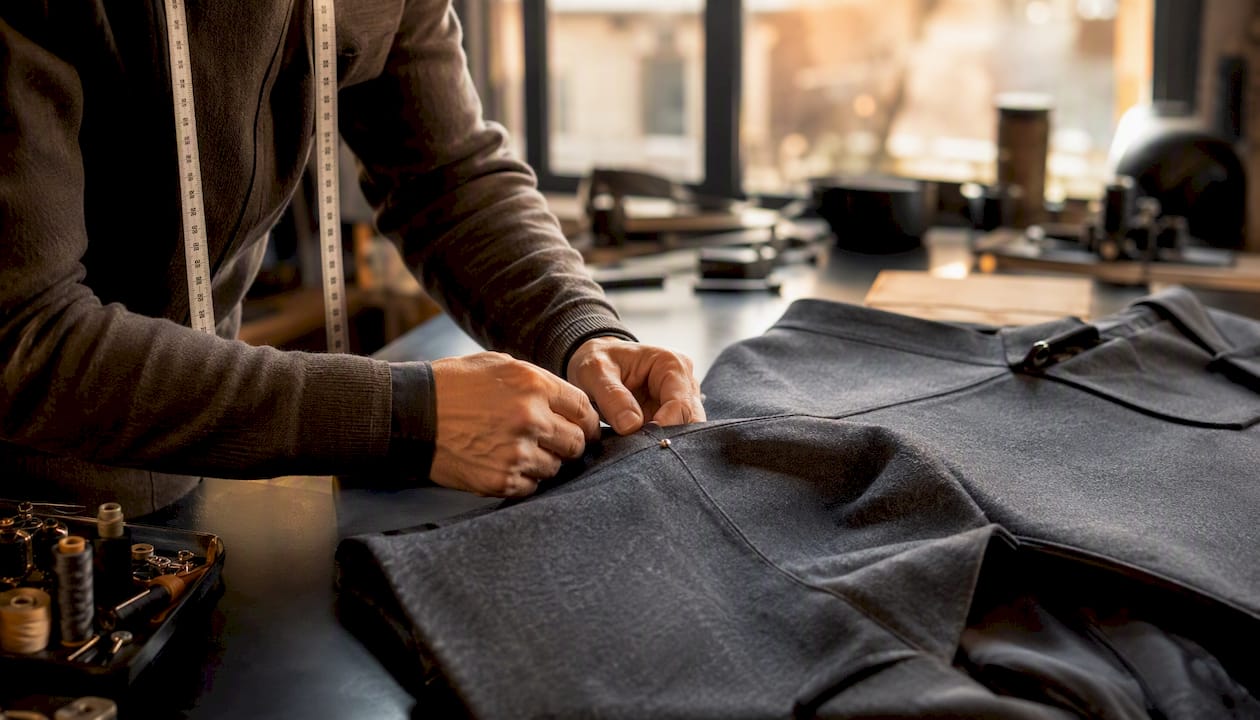
Knowing how to identify fashion investment pieces that hold value makes every keep-or-release decision faster and more confident.
What rotation and storage routines actually protect luxury materials?
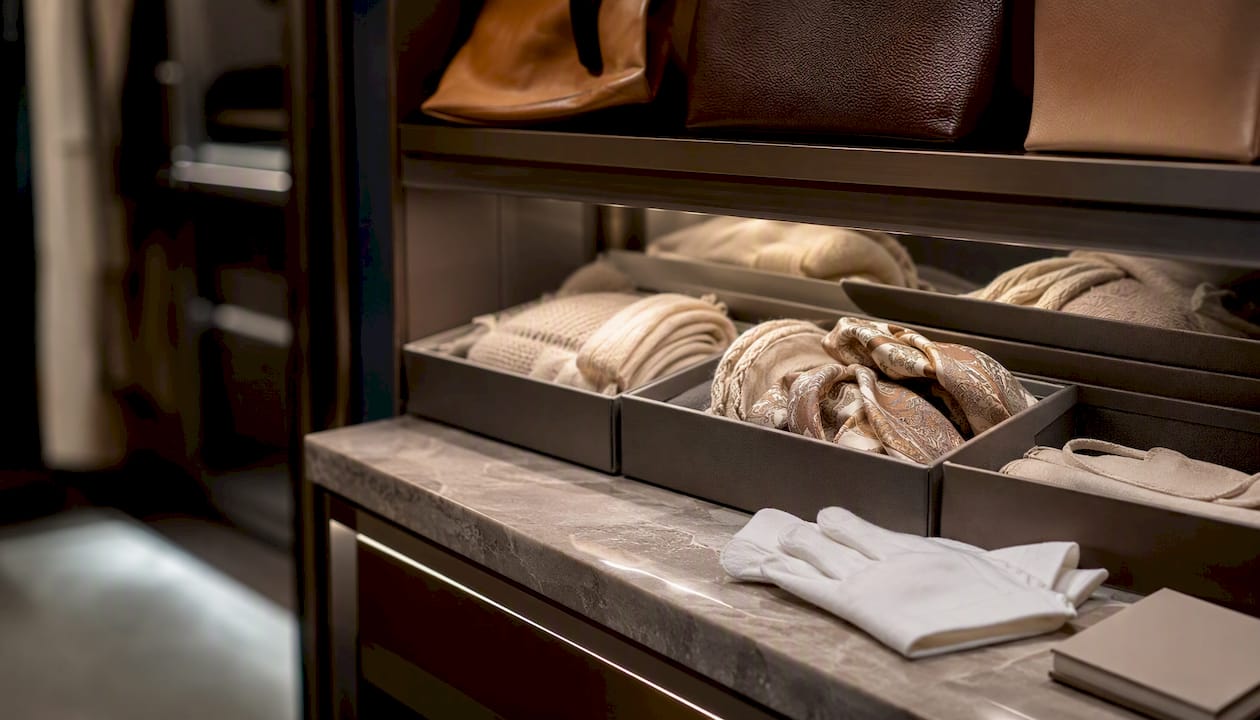
Rotation is a preservation strategy, not just an organizational habit. Cycling pieces actively extends the life of leather, cashmere, and structured outerwear by giving materials time to recover between wears.
| Item Type | Wear Cadence | Rest Period |
|---|---|---|
| Leather shoes | Every other day maximum | 24+ hours between wears |
| Knitwear | Every 2–3 weeks per piece | Fold flat; never hang |
| Structured coats | 2–3 wears before airing | 24 hours on a wide hanger |
| Silk blouses | After each wear | Air flat before storing |
| Structured bags | Rotate weekly | Stuff with tissue when stored |
Storage best practices:
- Use acid-free tissue inside leather bags and shoes to hold shape and absorb moisture.
- Store knitwear in breathable cotton boxes, never on hangers (gravity stretches the shoulder).
- Climate-controlled storage (ideally 60–70°F, 40–50% humidity) prevents mold and fiber degradation for rare or off-season pieces.
- Use professional cleaning before long-term storage, not after. Oils and residue set permanently over months.
Maintenance checklist:
- Inspect all pieces at the start of each season for loose buttons, worn soles, and small tears
- Resole leather shoes before the heel wears through to the rand
- Schedule professional cleaning for coats and structured bags twice a year
- Track designer accessory care routines for bags and small leather goods
Pro Tip: Set a calendar reminder at the start of March and September to run through your maintenance checklist. Catching a loose sole or a fraying lining early costs a fraction of a full repair.
For footwear specifically, a structured shoe care routine keeps leather supple and soles intact far longer than reactive care.
How should you budget and time purchases during a wardrobe transition?
The 80/20 rule applies directly here: put 80% of your purchase budget toward foundational investments and 20% toward seasonal accents. A $3,000 seasonal budget means $2,400 toward a heritage leather piece or a quality coat, and $600 toward a scarf, a shoe, or a textured accessory.
| Purchase Type | When to Invest | Expected Lifespan |
|---|---|---|
| Tailored outerwear | Any season; buy the best you can afford | 10–20 years |
| Heritage leather bag | Year-round; buy authenticated, classic silhouette | 15+ years |
| Seasonal accent shoe | Post-season sales (January, July) | 3–5 years with care |
| Trend accessory | Only if it works with 5+ existing pieces | 1–3 seasons |
When to invest vs. experiment:
Coats, tailored trousers, and heritage leather bags reward investment. These are the pieces that define a quiet-luxury wardrobe and appreciate in condition and character with wear. Accessories and lower-cost seasonal shoes are where you can experiment with color or proportion without long-term commitment.
Timing your purchases: Post-season markdowns (late January for winter, late July for summer) offer the best price-to-quality ratio on investment pieces. Brand trunk shows and authenticated resale platforms let you access rare silhouettes outside the retail calendar.
Pro Tip: Before any purchase, ask: does this work with at least five pieces I already own? If you can’t name them immediately, wait.
For curated seasonal ideas, the luxury fashion wishlist for 2026 is a strong starting point.
How do you layer and style pieces during a seasonal transition?
Expensive wardrobes change less because they rely on year-round anchors. The seasonal lever is always at the edges: outerwear, footwear, or one textural accent. The center of the outfit stays stable.
Three outfit formulas that work across seasons:
- Trousers + fine knit + structured coat. Swap the coat weight by season; the core stays identical.
- Silk blouse + tailored blazer + leather loafers. Add a lightweight scarf for spring or a cashmere layer for fall.
- Midi dress + trench + ankle boot. Change the trench weight (cotton for spring, wool for fall) and the boot height.
Layering dos and don’ts:
- Do change the outer layer, not the entire outfit. One new piece over a proven combination is always cleaner than rebuilding from scratch.
- Do mix three fabric weights for spring transitions: light (silk), medium (cotton), medium-heavy (blazer). Textural contrast reads as intentional, not accidental.
- Don’t stack more than three layers. Beyond that, the silhouette collapses.
- Don’t add accessories to compensate for a look that isn’t working. Edit the outfit instead.
Pro Tip: Proportion is the real styling skill. A wide-leg trouser needs a fitted top; a slim trouser can carry an oversized knit. Get the proportion right and the rest follows.
For more on layering luxury pieces without losing the clean lines that define quiet luxury, Naiseshopper’s styling guide covers the most common errors in detail.
What do stylists and practitioners actually recommend?
The most consistent advice from working stylists points in one direction: restraint.
“The most elegant outfits let fabric and fit do the work. Over-layering during transitions creates a cluttered look that undermines the quality of the pieces underneath.” — Marina Ingvarsson, stylist, via InStyle
The practitioner routines that actually protect investments are unglamorous but effective. Shoes need 24+ hours of rest between wears so leather can release moisture and retain shape. Knitwear should be folded flat, never hung, and rested between wears to prevent fiber fatigue and stretching. These aren’t suggestions; they’re the difference between a piece lasting three years and lasting fifteen.
The “one-in, one-out” rule keeps the wardrobe from expanding beyond the capsule target. Every new purchase triggers a release decision. This discipline is what separates a curated wardrobe from an expensive one.
Scheduling professional maintenance:
- Book a cobbler appointment at the start of fall and spring
- Send structured bags for conditioning and hardware check annually
- Track wear frequency; pieces worn fewer than five times a season are release candidates
Why do sustainable practices matter in a luxury wardrobe transition?
A capsule-leaning approach is inherently more sustainable than trend-driven shopping. Fewer, better pieces mean less textile waste, lower per-wear environmental cost, and a wardrobe that doesn’t need constant replacement.
Authenticated resale is one of the most direct ways to keep luxury goods in circulation. Consigning a Chanel flap or a Bottega Veneta intrecciato piece extends its life by years and recovers real value. Platforms that guarantee authenticity make resale a more credible option rather than a risk.
Choosing brands with transparent supply chains and durable construction also matters. Heritage houses that use full-grain leather, hand-stitched seams, and natural fibers produce pieces that last decades. That longevity is the most sustainable choice available in luxury fashion.
Care extends the sustainability argument further. A cashmere knit that’s properly stored and cleaned lasts 10–15 years. The same piece neglected lasts two. Maintenance is not optional in a sustainable wardrobe; it’s the whole strategy.
How do you integrate vintage and heirloom luxury pieces into a modern wardrobe?
Vintage and heirloom pieces often carry the best construction quality available, because many were made before cost-cutting reached luxury manufacturing. A 1990s Prada nylon bag or a grandmother’s Hermès scarf can anchor a modern capsule if treated correctly.
Authentication and condition assessment come first. Before integrating any vintage piece, have it authenticated and assessed for structural integrity. Leather that’s dried and cracked, hardware that’s corroded, or lining that’s deteriorated may need professional restoration before it’s wearable.
Styling vintage into a modern wardrobe: The key is contrast. A heritage piece reads strongest against clean, contemporary basics. A vintage Chanel jacket over straight-leg trousers and a white cotton shirt is a complete outfit. Stacking vintage with other statement pieces creates visual noise.
Heirloom care specifics: Store inherited pieces in acid-free tissue and climate-controlled conditions immediately. Don’t assume they’ve been stored correctly before they reached you. A professional conservator can assess leather, silk, and structured pieces for hidden damage.
The one-in, one-out rule applies to vintage additions too. Integrating a heirloom piece means releasing something else to keep the capsule count disciplined.
Key Takeaways
A disciplined luxury wardrobe transition comes down to auditing honestly, rotating consistently, and buying one high-impact piece per season rather than accumulating.
| Point | Details |
|---|---|
| Audit with three categories | Sort every item into Keep, Store, or Release; anything unworn for a full season is a release candidate. |
| Rotate to preserve materials | Give leather shoes 24+ hours of rest between wears; fold knitwear flat and rotate every 2–3 weeks. |
| Buy on the 80/20 rule | Put 80% of your purchase budget toward foundational investments, 20% toward seasonal accents. |
| Change the edges, not the center | Swap outerwear, footwear, or one textural accent per season; keep core pieces stable. |
| Naiseshopper for authenticated additions | Naiseshopper offers authenticated, discounted pieces from Gucci, Chanel, Prada, and more, with personal shopper assistance for targeted seasonal buys. |
The part most style guides get wrong about wardrobe transitions
The conventional advice is to “invest in quality.” That’s true, but it misses the harder discipline: knowing when to stop buying. Most affluent wardrobes don’t suffer from a lack of quality pieces. They suffer from too many of them, accumulated without a rotation system, stored incorrectly, and never properly edited.
The quiet-luxury approach works not because it’s minimalist for its own sake, but because a smaller, better-maintained wardrobe is genuinely easier to dress from. When every piece fits, works with five others, and is in excellent condition, getting dressed becomes effortless. That’s the real payoff.
What I find most underestimated is the maintenance piece. Spending $150 on a cobbler visit or a professional cleaning feels like an expense. Replacing a $1,800 pair of shoes because the sole wore through feels like bad luck. They’re the same decision, made at different points. The readers who get the most from their wardrobes treat maintenance as non-negotiable, not optional.
Naiseshopper’s capsule wardrobe guide reflects this philosophy directly: authenticated pieces, personal shopper guidance, and a focus on pieces that earn their place long-term.
Naiseshopper makes your next seasonal addition easier to get right
Authenticated inventory at a real discount is the sharpest advantage Naiseshopper offers readers mid-transition. Instead of paying full retail for a seasonal addition you’re not certain about, you access verified pieces from Gucci, Saint Laurent, Bottega Veneta, Prada, and Chanel at prices that make the 80/20 budget rule genuinely workable.
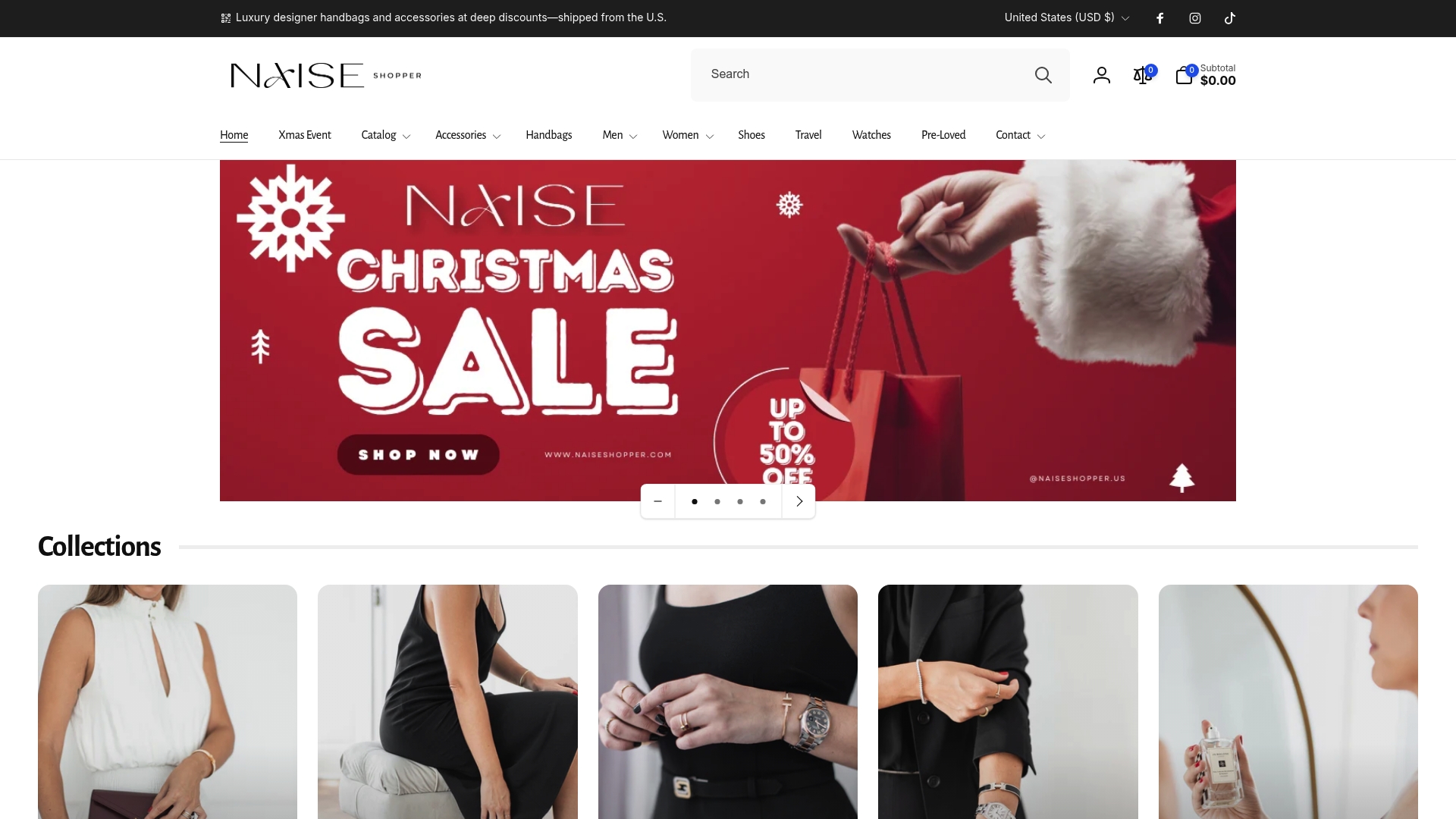
The personal shopper service is particularly useful here. If you’ve completed your audit and know exactly what your wardrobe is missing, a personal shopper can source that specific piece across the authenticated inventory rather than leaving you to browse. Secure international shipping and flexible payment options mean the logistics stay simple wherever you’re buying from.
For a high-impact seasonal addition, the Saint Laurent mid-top blue luxury sneakers are a strong transitional-season choice: a clean silhouette that works with trousers, straight-leg denim, or a midi skirt. Browse the full curated collection at Naiseshopper and use the personal shopper service to find the exact piece your wardrobe needs next.
Useful sources
| Source | What it contributes |
|---|---|
| Stylist-approved transitional capsule wardrobe — InStyle (Marina Ingvarsson) | Stylist guidance on restraint, layering, and quality-driven transitional looks |
| The smart way to rotate seasonal luxury pieces — Perkler | Rotation cadence, footwear rest protocols, and storage preservation strategies |
| The luxury capsule wardrobe — Robb Chateau | Capsule philosophy: 20–30 pieces, cost-per-wear logic, and cohesion principles |
| Capsule wardrobe guide — Vetirapp | The Keep, Store, Release audit method and consignment decision criteria |
| Seasonal dressing: Why expensive wardrobes change less — Manglyco | Framework for keeping the wardrobe core stable and changing only seasonal levers |
| The art of spring transition outfits — LivingLesh | Practical layering advice: three fabric weights, textural contrast for spring |
| How to create a luxury capsule wardrobe that lasts — Naiseshopper | Publisher’s own capsule guide; author and E-E-A-T reference for Camila’s perspective |
| Shoe care best practices — YDA UK | Structured shoe-care workflows that extend leather sole and upper life |