TL;DR:
- Luxury fashion photography emphasizes precise lighting, deliberate composition, and thorough pre-shoot planning to highlight craftsmanship and exclusivity. A standard industry setup involves three key lights, with natural or mixed lighting preferred for cinematic effects, while careful framing and posing showcase design details. Proper preparation, collaboration, and restraint are essential for creating high-quality images that feel considered and luxurious.
Luxury fashion photography is defined as the art of capturing designer clothing, accessories, and footwear in a way that communicates exclusivity, craftsmanship, and brand identity through every frame. Knowing how to photograph luxury fashion means mastering three core disciplines: lighting that reveals fabric texture honestly, composition that directs the eye with intention, and shoot planning that leaves nothing to chance. The difference between a forgettable product shot and a campaign-worthy image is not budget. It is precision, creative control, and a clear visual story. This guide gives you the exact techniques professionals use on set.
What lighting setups best create the luxury fashion aesthetic?
Lighting is the single most powerful tool in high-end fashion photography. It determines whether silk reads as luminous or flat, whether leather looks rich or dull, and whether the overall image feels editorial or amateur.
The industry standard for high-fashion editorial work is a basic three-light setup: a key light, a fill light, and a hair or background light. The key light shapes the subject and defines shadows. The fill light softens those shadows without erasing them. The hair light separates the model from the background and adds dimension. Mastering this setup alone separates working professionals from beginners.
Natural and mixed lighting also play a major role in luxury fashion imagery. 67% of popular editorial imagery on Pinterest was captured using natural or mixed natural light rather than studio strobes. That number reflects a real preference for the cinematic, skin-flattering quality that window light and reflectors produce.
For e-commerce photography of designer clothing, color accuracy is non-negotiable. A Chanel tweed jacket or a Bottega Veneta leather bag must appear on screen exactly as it looks in person. Luxury images require lighting that maintains honest fabric color and reveals texture, with no color casts from uncalibrated sources. Use manual Kelvin temperature settings rather than auto white balance to lock in consistency across every frame.
Here are the key lighting principles to apply on every luxury shoot:
- Editorial shoots: Use soft, directional natural light or a large octabox as your key source. Add a V-flat reflector on the shadow side to preserve detail without flattening the image.
- E-commerce shoots: Use a three-light setup with a neutral gray or white background. Keep shadows controlled and color calibration tight.
- Texture emphasis: Use a single hard light source at a 45-degree angle to a garment’s surface. This rakes across fabric and makes weaves, embroidery, and leather grain visible.
- Monochromatic palettes: Pair restrained lighting with silk, marble, or leather surfaces to signal exclusivity without visual noise.
Pro Tip: When photographing dark garments like a Versace black leather pump or a Saint Laurent blazer, add a subtle rim light behind the subject. It defines the garment’s silhouette and prevents it from disappearing into a dark background.
How to compose and pose to highlight designer clothing
Composition in luxury fashion photography follows one rule above all others: the garment is the story. Every framing decision, every angle, and every pose must serve the clothing first.
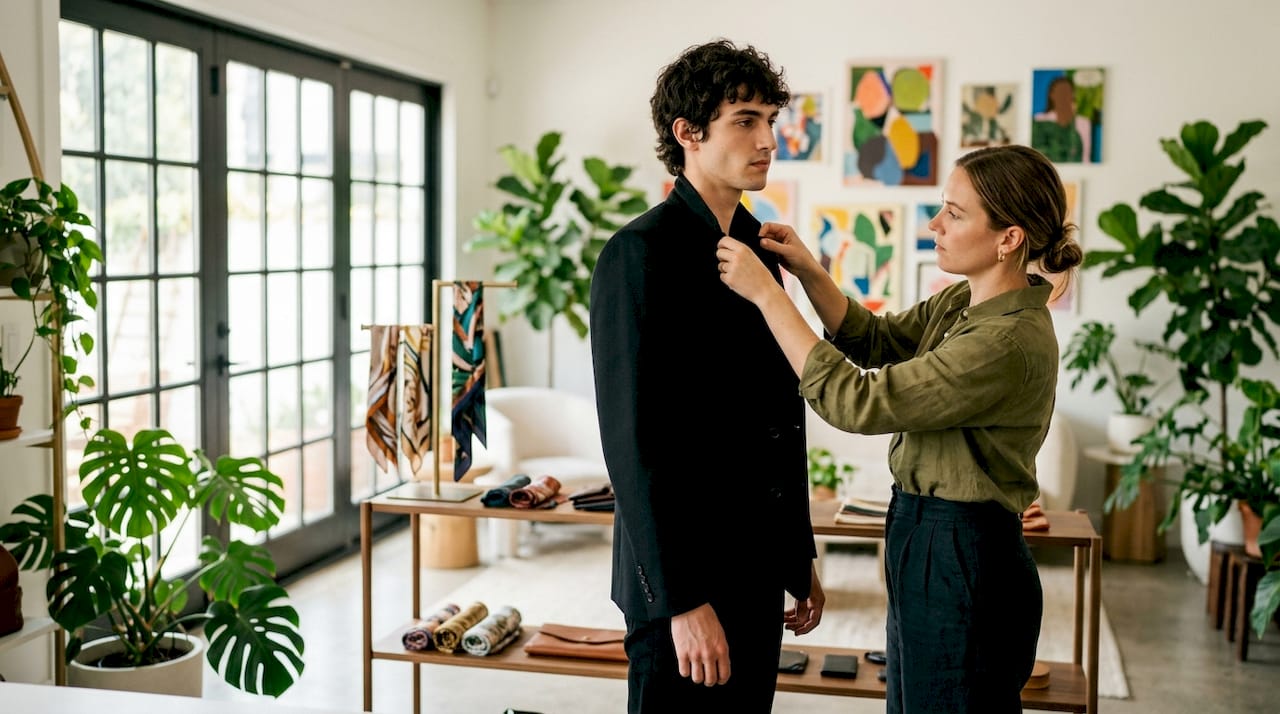
Start with negative space. Luxury brands use it deliberately in their campaigns because empty space communicates confidence and exclusivity. A single Prada heel placed in the lower third of a wide frame, surrounded by clean white or marble, reads as aspirational. A cluttered frame reads as budget.
Posing is where many aspiring photographers lose control of the image. These five techniques will sharpen your direction on set:
- Break symmetry deliberately. A model standing perfectly straight looks stiff. Shift the weight to one hip, drop one shoulder slightly, and the garment drapes naturally.
- Direct hand placement with intention. Hands near the face draw attention upward. Hands near the waist emphasize fit. Careless hand placement is one of the most common errors that degrade luxury image quality.
- Use controlled movement. Fashion e-commerce assets with controlled movement show a 28% increase in conversion rates compared to static shots. Ask the model to walk slowly toward the camera or turn mid-step to capture natural fabric movement.
- Shoot from slightly below eye level. This angle lengthens the body, makes garments hang better, and gives the image a commanding, editorial feel.
- Frame for the detail. If the garment has embellishment, an unusual collar, or a signature hardware detail, build a tight composition around it. Shoot the full garment and the detail separately to give the client both asset types.
Pro Tip: Before the model steps in front of the camera, put the garment on a dress form and photograph it. This gives you a reference for how the clothing should hang and helps you spot styling issues before they cost you time on set.
What preparatory steps ensure successful luxury fashion shoots?
The most underestimated skill in luxury fashion photography is pre-shoot planning. Structured preparation with mood boards, shot lists, and call sheets distributed 48–72 hours before the shoot eliminates chaos and aligns the entire team. Without that documentation, even experienced photographers waste hours on set making decisions that should have been made in advance.
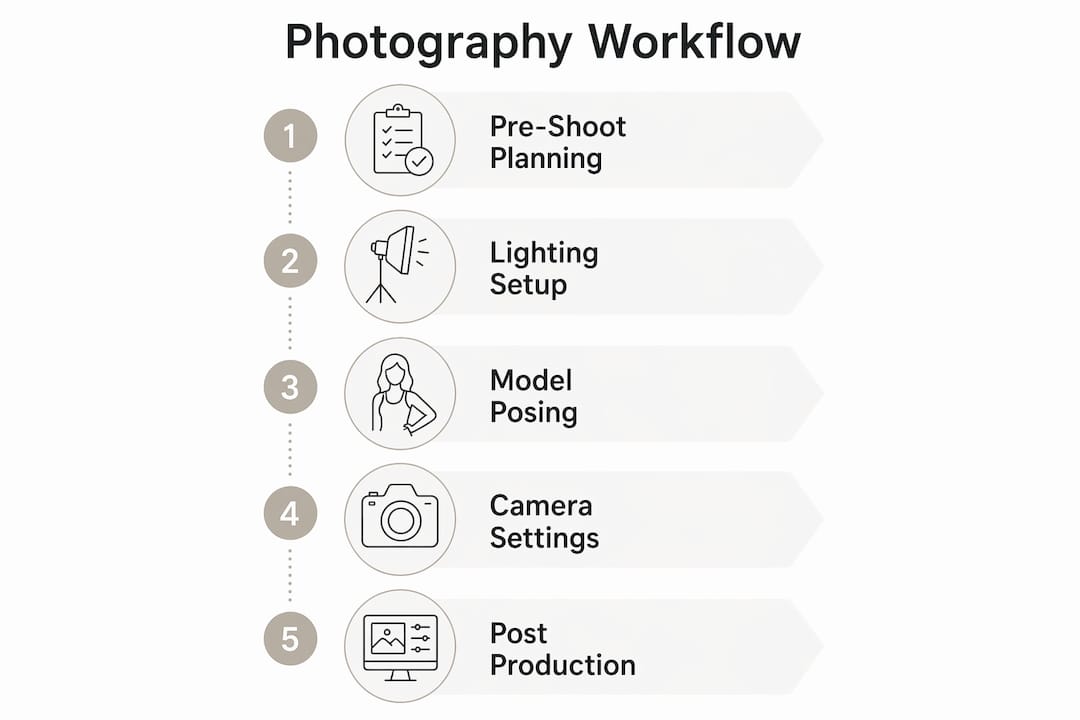
The 80/20 rule applies directly here: 80% of your effort should go into planning, and 20% into the actual shoot. That ratio feels counterintuitive, but it is the reason professional shoots run on time and produce consistent results.
Here is a practical pre-shoot checklist:
- Mood board: Collect reference images that define the color palette, lighting mood, and posing direction. Share it with your stylist, hair and makeup team, and model before the day.
- Shot list: Document every required image by garment, angle, and format. Include both full-body and detail shots for each look.
- Call sheet: List the shoot schedule, location address, team contacts, and equipment list. Send it 48–72 hours in advance.
- Wardrobe prep: Steam every garment the night before. Wrinkles in a Gucci silk blouse or a Valentino dress are not fixable in post-production without visible artifacts.
- Casting: Choose models whose proportions and energy match the garment’s personality. A structured Balenciaga coat reads differently on a model with a sharp, angular presence than on someone with a softer look.
- Format-banking: Plan to capture every garment in multiple formats during the same setup. Format-banking can recover 50–70% more usable imagery per garment, which directly increases your return on investment.
Location and background choices also carry significant weight. A marble floor, an industrial concrete wall, or a sun-drenched terrace each tell a different story about the brand. The background should enhance the garment without competing with it. For a leather portfolio or structured accessory shoot, a full-grain leather surface as a prop adds tonal richness and reinforces the luxury material story.
What camera gear and technical techniques support high-end fashion photography?
Camera settings in luxury fashion photography are not set-and-forget. Professionals customize every parameter for the specific shoot environment.
For lens selection, an 85mm f/1.4 or a 70–200mm f/2.8 is the standard choice for full-body and three-quarter fashion shots. The 85mm compresses the background slightly and flatters the subject without distortion. The 70–200mm gives you working distance on location and produces beautiful subject separation. For tight detail shots of hardware, embroidery, or shoe construction, a 100mm macro lens captures the craftsmanship that justifies a luxury price point.
Professional photographers use back-button focus and manual Kelvin temperature calibration to maintain consistent focus and accurate color in mixed lighting environments. Back-button focus separates the autofocus function from the shutter release, giving you precise control when a model is moving. Manual Kelvin settings prevent the camera from shifting white balance between frames, which creates color inconsistency in post-production.
| Scenario | Aperture | Shutter Speed | ISO |
|---|---|---|---|
| Studio editorial | f/8 | 1/125 | 100 |
| Controlled movement | f/5.6 | 1/500 | 200 |
| Natural light location | f/2.8 | 1/1000 | 100–400 |
| Detail and texture | f/11 | 1/200 | 100 |
For post-production, shoot in RAW format without exception. RAW files preserve the full tonal range of silk, leather, and metallic fabrics, giving you the latitude to correct color and exposure without degrading image quality. Apply a consistent color grade across the full shoot to maintain brand cohesion across all assets.
Key Takeaways
Mastering luxury fashion photography requires precise lighting, deliberate composition, and structured pre-shoot planning to produce images that communicate exclusivity and craftsmanship.
| Point | Details |
|---|---|
| Three-light setup is standard | Key, fill, and hair lights form the industry foundation for editorial fashion work. |
| Planning drives results | Mood boards, shot lists, and call sheets distributed 48–72 hours early prevent on-set chaos. |
| Controlled movement converts | Fashion assets with controlled movement show a 28% lift in e-commerce conversion rates. |
| Format-banking multiplies output | Capturing multiple formats per garment in one setup recovers 50–70% more usable images. |
| Manual settings ensure consistency | Back-button focus and manual Kelvin calibration lock in color and focus across every frame. |
What I’ve learned about restraint in luxury photography
The biggest mistake I see aspiring photographers make is confusing complexity with quality. They add more lights, more props, more poses, and more editing. The result looks busy, not luxurious. Luxury is defined by what you leave out.
The 80/20 planning principle changed how I approach every shoot. When 80% of your energy goes into preparation, the actual shoot becomes almost effortless. The team knows the plan, the garments are perfect, and you spend your time making creative decisions instead of solving preventable problems.
Collaboration also matters more than most photographers admit. The best luxury images I have seen come from sets where the photographer, stylist, and model are genuinely communicating. The photographer directs with clarity, the stylist catches a wrinkle before it hits the frame, and the model understands the story they are telling. That kind of teamwork does not happen by accident. It comes from a clear brief and a shared mood board prepared well in advance.
One more thing: do not let pressure push you toward safe, predictable shots. Luxury brands want images that feel considered and slightly unexpected. A tight crop on a Gucci watch face, a reflection of a stiletto heel in a rain puddle, a Prada bag resting on raw concrete. These choices communicate that the photographer has a point of view. That is what separates a portfolio that gets noticed from one that gets ignored.
— Camila
Luxury pieces worth adding to your photography practice
Photographing real designer pieces is the fastest way to develop your eye for luxury fashion imagery. The weight of genuine leather, the sheen of authentic hardware, and the precision of high-end construction give you material that rewards careful lighting and composition.
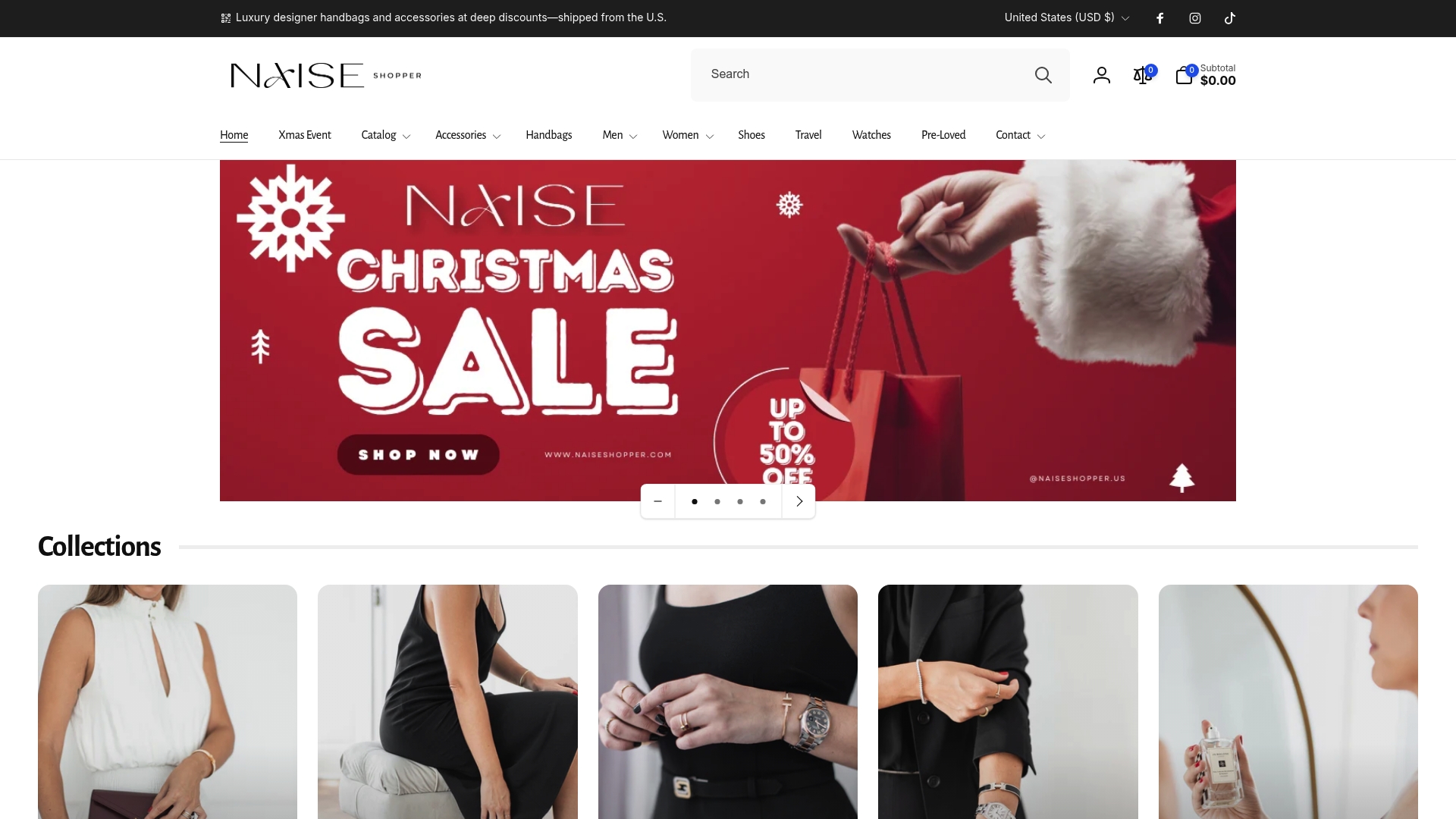
Naiseshopper carries authenticated designer pieces that are ideal for practice shoots and styling inspiration. The Prada black leather floral heels offer rich texture and sculptural detail that respond beautifully to raking light. For a softer, editorial mood, the Valentino Garavani beige leather sandals deliver clean lines and premium material that photograph with quiet elegance. Naiseshopper also stocks the Gucci G-Timeless watch, a compact accessory that adds a precision detail element to any flat-lay or styled shoot. All pieces are authenticated and available with international shipping.
FAQ
What is the best lighting for luxury fashion photography?
A three-light setup with key, fill, and hair lights is the industry standard for studio editorial work. Natural or mixed light works equally well for cinematic, skin-flattering results, and is preferred in a majority of top-saved editorial imagery.
How do I make designer clothing look expensive in photos?
Use negative space, controlled shadows, and a monochromatic background to let the garment speak. Steam every piece before the shoot and direct deliberate hand placement to avoid careless postures that undercut the luxury feel.
What camera settings should I use for fashion photography?
Shoot in RAW at f/8 with ISO 100 for controlled studio work. Use f/5.6 and 1/500 shutter speed when capturing controlled movement. Always set white balance manually using Kelvin temperature to maintain color consistency across the full shoot.
How much planning does a professional luxury fashion shoot require?
Professional shoots follow an 80/20 rule, with 80% of effort going into pre-shoot preparation. Mood boards, shot lists, and call sheets should be distributed to the full team 48–72 hours before the shoot date.
What lenses work best for photographing designer clothing?
An 85mm f/1.4 is the standard choice for full-body and three-quarter shots. Use a 70–200mm f/2.8 for location work and subject separation. A 100mm macro lens captures hardware, embroidery, and material details that communicate craftsmanship.