Prioritize separability first, construction second, and occasion fit third. That order is the whole game when you’re choosing matching designer sets: a set that only works as a set is a costume, not a wardrobe investment.
Run this three-step check before you buy:
- Split test. Picture each piece worn alone with two things already in your closet (jeans, a blazer, a silk cami).
- Touch test. Look for stitched seams that lay flat and a waistband with real structure, not a flimsy elastic pull.
- Occasion test. Confirm you have an actual place to wear it within 30 days, not just an aspirational one.
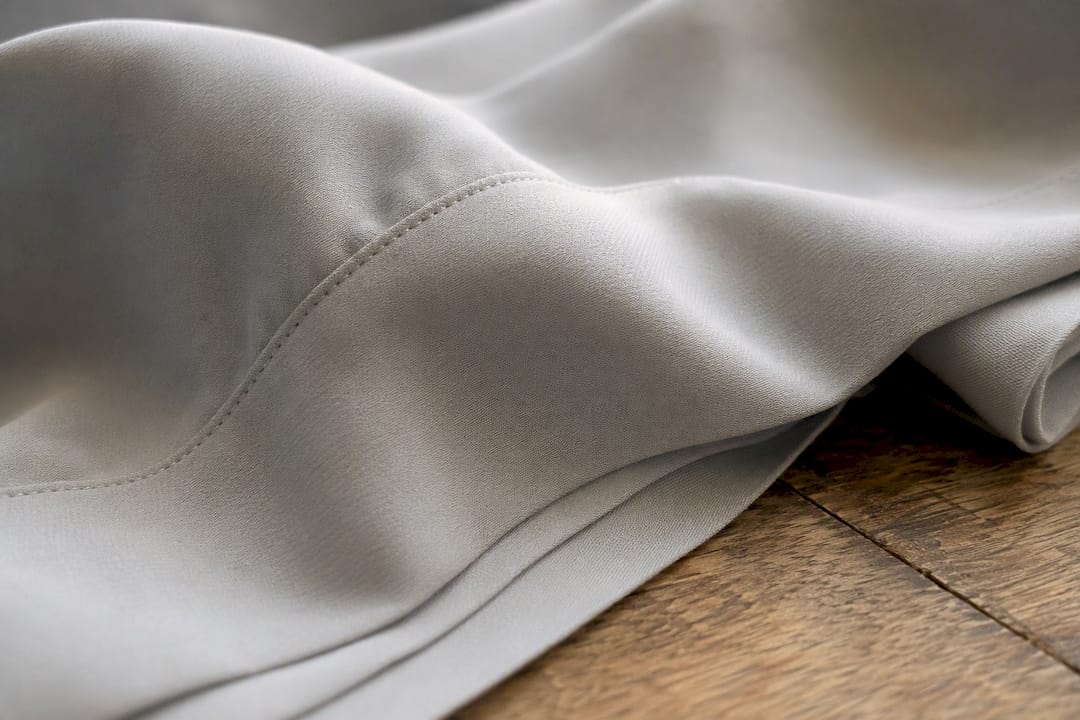
Flat-lay photos with visible seam lines and a fabric close-up are your fastest visual cues for both quality and separability.
Key Takeaways
Sets that function as separates and pass a basic construction check outlast trend-driven purchases by years, not seasons.
| Point | Details |
|---|---|
| Separability comes first | Test each piece against two wardrobe staples before buying. |
| Construction reveals quality | Check for flat seams, a stable waistband, and finished linings. |
| Balance volume for fit | Pair a relaxed piece with a structured one to avoid a costumey look. |
| Color follows 60-30-10 | Use a neutral base, secondary tone, and one accent color for cohesion. |
| Naiseshopper offers a starting point | Browse authenticated tailored and knit sets with construction details verified before purchase. |
Table of Contents
- How to Select Matching Designer Sets for Everyday Wear
- Fabric and Construction: Signals of Real Designer Quality
- How Do You Avoid a Costumey or Pajama-Like Look?
- Color, Pattern, and Palette Choices That Last
- Which Designer Set Should You Buy for Each Occasion?
- Accessories, Shoes, and Finishing Touches
- What to Inspect Before You Buy a Designer Matching Set
- How Should You Care for Designer Sets to Make Them Last?
- What Mistakes Do Shoppers Make Most Often With Matching Sets?
- Where to Start Shopping for Your Next Designer Set
- Sources
How to Select Matching Designer Sets for Everyday Wear
Some sets earn their price by being worn exactly as photographed: matching top and bottom, zero decisions required, a great example of occasion-based buying. That’s the appeal for travel, events, or any morning where you need to look pulled together in under five minutes. A tailored set that reads as a single, considered outfit is doing its job.
But the real payoff of a well-made set comes from breaking it up. A structured blazer top over jeans, a knit bottom under a leather jacket, each half doing double duty in your rotation. Fashion editorials consistently show sets styled both ways: the top with a skirt for one look, the trousers with a blouse for another.
- Casual: knit top from the set, worn with denim and sneakers.
- Smart-casual: the set together, sleeves pushed up, no jacket needed.
- Elevated: set trousers with a fitted white shirt, heels swapped in.
Pro Tip: Before buying, ask yourself if you can name two outfits for the top and two for the bottom, separately. If you can’t, you’re buying a costume, not a wardrobe piece.
Fabric and Construction: Signals of Real Designer Quality
Structure beats softness every time. Ponte, high-density knits, and structured linen hold their shape through a full day of wear and resist rippling at the seams. Thin jersey and flimsy synthetics look fine on a hanger and sad by noon.
What to check on any product page or in person:
- Seams that lie flat with no visible puckering.
- A reinforced, stable waistband, not a single thin elastic band.
- A finished interior lining rather than raw or serged edges.
- GSM or fabric weight listed in the description, when available.
Guides on shopping for matching sets consistently point to premium fabrics and durable stitching as the line between a designer set and a fast-fashion imitation.
Pro Tip: Zoom into product photos at the seams and hem. If the fabric looks like it’s rippling under its own stitching in a still photo, it will ripple on your body.
How Do You Avoid a Costumey or Pajama-Like Look?
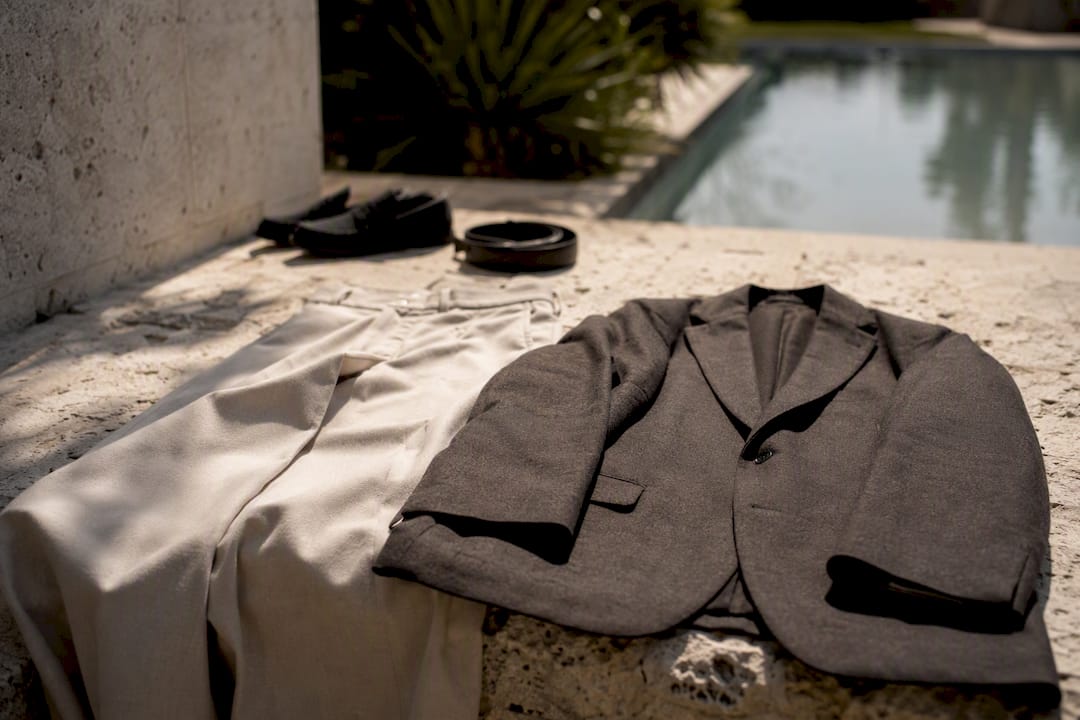
Balance volume, always. Pair a relaxed trouser with a structured top, or a boxy top with tailored, closer-fitting bottoms. Two loose pieces together read as pajamas; two structured pieces together read as a uniform. One of each reads as styled.
Style consultant Cindy Hattersley points to this exact mismatch as the most common styling mistake with sets: choosing a silhouette that skews toward loungewear rather than clothing with intention.
Before buying, check:
- Shoulder seams sit at the actual shoulder point, not sliding down the arm.
- Waist fit is close enough to define shape, even in relaxed cuts.
- Sleeve length and hemline relationship to your natural waist look proportional in photos.
Pro Tip: Look at the model photos straight on and from the side. A set that looks shapeless from the side profile will look shapeless on you, regardless of size.
Color, Pattern, and Palette Choices That Last
Build around a neutral base plus one accent. The 60-30-10 rule, borrowed from interior design, applies directly here: 60% dominant neutral, 30% secondary tone, 10% accent color or texture. That proportion keeps an outfit balanced instead of visually competing with itself.
Small prints wear quieter and pair easier with existing pieces. Large prints make a statement but limit how often you’ll reach for them. Match warm or cool undertones to what already hangs in your closet, so the new set slots in rather than sitting isolated.
- Neutral base (camel, black, ivory) plus one accent color.
- Small-scale print for versatility, large-scale for occasion-only wear.
- Check that the set’s undertones harmonize with your existing staples before buying.
Pro Tip: Hold the set fabric against a piece you already wear constantly. If the undertones clash under natural light, that “perfect” set will sit unworn.
Which Designer Set Should You Buy for Each Occasion?
A balanced wardrobe needs four set types, not one impulse buy. Building a capsule around a small color palette and versatile fabrics multiplies your outfit count from just a handful of pieces.
| Set Type | Best For | Dress Up | Dress Down |
|---|---|---|---|
| Tailored | Work, formal events | Add a blazer, heels | Swap in loafers |
| Knit | Everyday, travel | Layer a coat, boots | Sneakers, tote bag |
| Lightweight/linen | Warm weather, weekends | Structured sandals | Slides, straw bag |
| Statement print | Social events, one-off occasions | Minimal jewelry | Denim jacket over it |
If you attend a lot of client meetings, buy tailored first. If you travel often, knit earns its keep fastest. Save statement print for last: it’s the least versatile and the easiest to over-buy.
Accessories, Shoes, and Finishing Touches
A structured coat, blazer, or crisp shirt layered over a set instantly moves it out of lounge territory, whether the layering happens with a blazer or a lighter jacket depending on season.
For shoes, match formality rather than exact color: a tonal boot or oxford in the same color family reads more current than a literal match. Polished footwear like a leather oxford finishes a tailored set fast.
- One structured accessory (bag, belt) rather than three small ones.
- Minimal jewelry to avoid a dated, overly coordinated look.
- Shoe color family over exact match for a modern finish.
What to Inspect Before You Buy a Designer Matching Set
In person, check seam quality under bright light, test the zipper or closure for smooth operation, and press the waistband to confirm it holds shape rather than folding flat. Look inside for a clean lining and finished interior seams.
Shopping online:
- Read full measurements, not just size labels.
- Look for close-up photos of seams, hems, and closures.
- Check for fabric weight or GSM in the description.
- Confirm the return policy before checkout.
For high-value purchases, verifying authenticity through stitching consistency and hardware detail protects you from an expensive mistake, whether you’re buying a bag or a full set.
How Should You Care for Designer Sets to Make Them Last?
Knits and ponte generally hand-wash or machine-wash cold on a gentle cycle. Linen and silk blends usually need dry cleaning to avoid shrinkage or shape loss. Skip high heat entirely, it’s the fastest way to kill structured fabric.
Store knits folded with tissue between layers to avoid stretching on a hanger. Hang tailored pieces with padded hangers to protect shoulder shape. Use breathable garment bags for seasonal storage, never plastic.
- Cold water, gentle cycle for knits and ponte.
- Dry clean linen and silk blends unless labeled otherwise.
- Repair loose seams or hems immediately, before they run.
Pro Tip: A set that survives its first proper wash without pilling or losing shape is a strong sign the fabric was worth the price tag.
What Mistakes Do Shoppers Make Most Often With Matching Sets?
The three repeat offenders: buying for the trend photo instead of the silhouette, ignoring how the pieces will function apart, and skipping the seam and waistband check entirely.
Fit is paramount when styling a set: balance a relaxed-fit trouser with a structured top, and avoid pairing a relaxed bottom with an equally boxy top, or the whole look slides into pajama territory.
Three things to act on immediately:
- Buy the size that fits your waist accurately, not the size that fits the top best.
- Test each piece against two staples already in your closet before checkout.
- Inspect the waistband and seams in photos or in person before adding to cart.
First-person take
Separability is the difference between a set you wear four times and one you wear forty. I’ve watched too many closets fill with beautiful matching pieces that only worked as a single, forgettable outfit. Buy the set that survives being broken up.
Where to Start Shopping for Your Next Designer Set
Once you know what to inspect, authenticated shopping removes the biggest risk in buying designer sets online: wondering if what arrives matches the listing. Naiseshopper curates verified pieces from Gucci, Chanel, Prada, Valentino, Bottega Veneta, Saint Laurent, and Balenciaga at real discounts, so you’re not paying full retail to test the fit-and-separability rules covered here.
Start with tailored sets or structured knits if you’re building a capsule that needs to earn its keep across work and weekend. Both categories tend to separate well and hold shape through repeated wear. If you’re finishing a look, a designer watch like the Gucci G-Timeless adds polish without competing with a printed set’s pattern. For high-value purchases, Naiseshopper’s personal shopper assistance can help you evaluate construction details before you commit. Browse the current tailored and knit set listings and check measurements against your own wardrobe staples before you buy.
Sources
- 25 best ways to style matching sets after 50 — Cindy Hattersley Design
- Two’s a Pair! 11 Ways to Style Summer’s Matching Sets — Vogue
- What Colours Go Together? Outfit Colour Guide | Stylin
- How to Build a Capsule Wardrobe with Matching Sets | BuzzingAbout