The simplest rule for layering designer apparel: start with a fitted base, add a texture-rich mid layer, then anchor the whole look with one statement outer piece. That’s it. Every polished layered outfit you admire on the street or the runway follows this exact sequence, whether it’s a silk tee under a cashmere crew under a structured wool coat, or a cotton poplin shirt under a fine-gauge knit under a leather jacket.
Before you walk out the door, run these three quick checks:
- Silhouette check: Does the overall shape read as intentional? Fitted pieces should stay fitted; oversized pieces should be the deliberate statement, not an accident.
- Weight progression: Are fabrics moving from lightest (base) to heaviest (outer)? Reversing this creates bulk and restricts movement.
- Color anchor: Is there one dominant tone or a clear tonal story? One statement color or print per outfit, placed on the most visible layer.
Pro Tip: The non-obvious move is to leave one shirt collar or cuff deliberately visible beneath a knit or blazer. That flash of contrast fabric signals intentionality and keeps the look from reading as “I just threw this on.”
Key Takeaways
Layering designer apparel works best when you build from a fitted base outward, scale textures by weight, and let one layer carry the statement while the others stay tonal and quiet.
| Point | Details |
|---|---|
| Fitted base is non-negotiable | Silk or fine cotton poplin closest to the body prevents bulk and protects delicate fabrics. |
| Scale textures outward | Smooth base, textured mid, structured outer — reversing this order creates visible lumps. |
| One statement per outfit | Bold print, oversized silhouette, or statement color belongs on one layer only; the others stay quiet. |
| Proportion contrast modernizes | Cropped mid over a longer base creates a leaner, more current silhouette than equal-length layers. |
| Naiseshopper for authenticated pieces | Curated designer apparel from Gucci, Saint Laurent, and Bottega Veneta, with personal shopper support for US buyers. |
Table of Contents
- How to layer designer apparel: base, mid, and outer fabrics that actually matter
- Pro techniques that make luxury layers look intentional, not bulky
- Season-by-season outfit recipes for designer pieces
- Common layering mistakes with designer pieces and how to fix them
- Which designer pieces are worth investing in for layering?
- Why maximalist designer layering is trending and how to adapt it to real life
- The un-stuffy truth about experimenting with luxury layers
- Authenticated designer pieces for layering, curated and ready to shop
- Sources
How to layer designer apparel: base, mid, and outer fabrics that actually matter
Each layer has a job. The base layer sits against your skin, so it needs to be smooth, breathable, and thin enough not to create bulk under everything stacked on top. For designer pieces, silk and fine cotton poplin are the gold standard here. A Prada silk tee or a crisp Saint Laurent cotton shirt gives you a clean foundation that won’t pill or bunch under a knit.
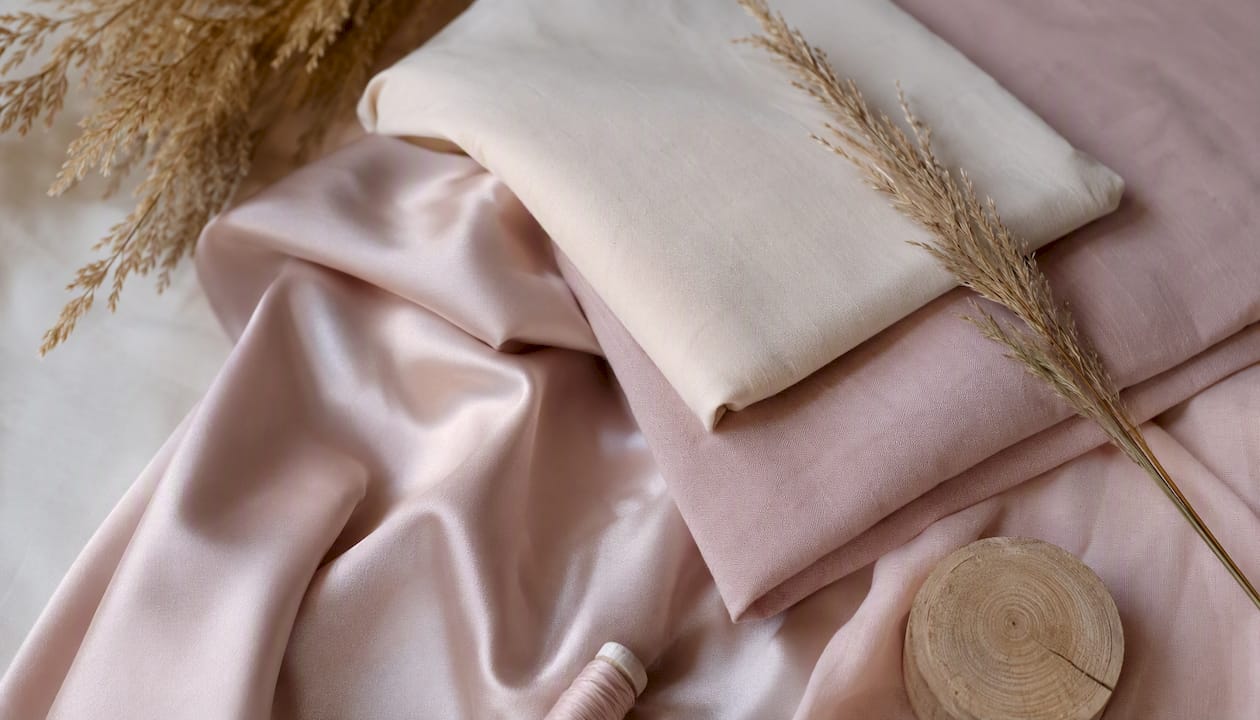
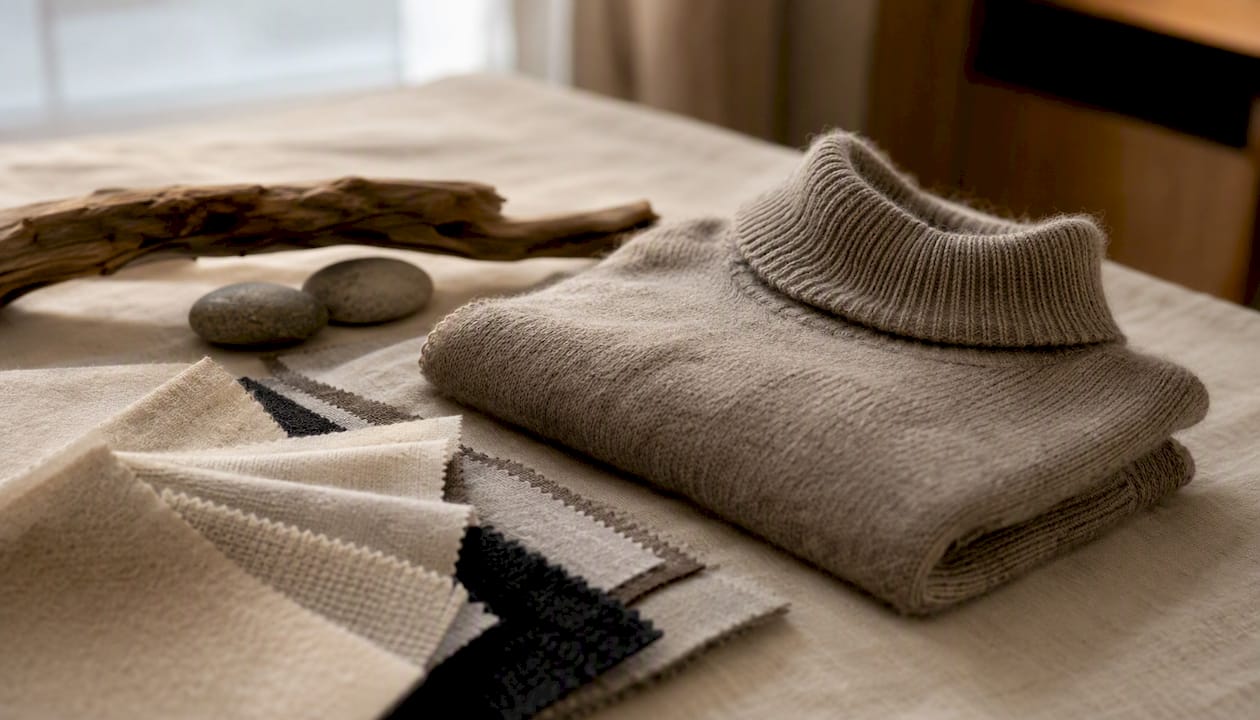
The mid layer adds warmth, texture, and visual interest. This is where cashmere, merino, and fine-gauge knits earn their place. According to editorial trend roundups, fine-gauge knits and soft wools keep layered looks streamlined rather than bulky, which matters enormously when you’re working with expensive fabrics you don’t want distorted. A lightweight cashmere crew from Bottega Veneta or a merino turtleneck from Loro Piana sits beautifully over a silk base without adding visual noise.
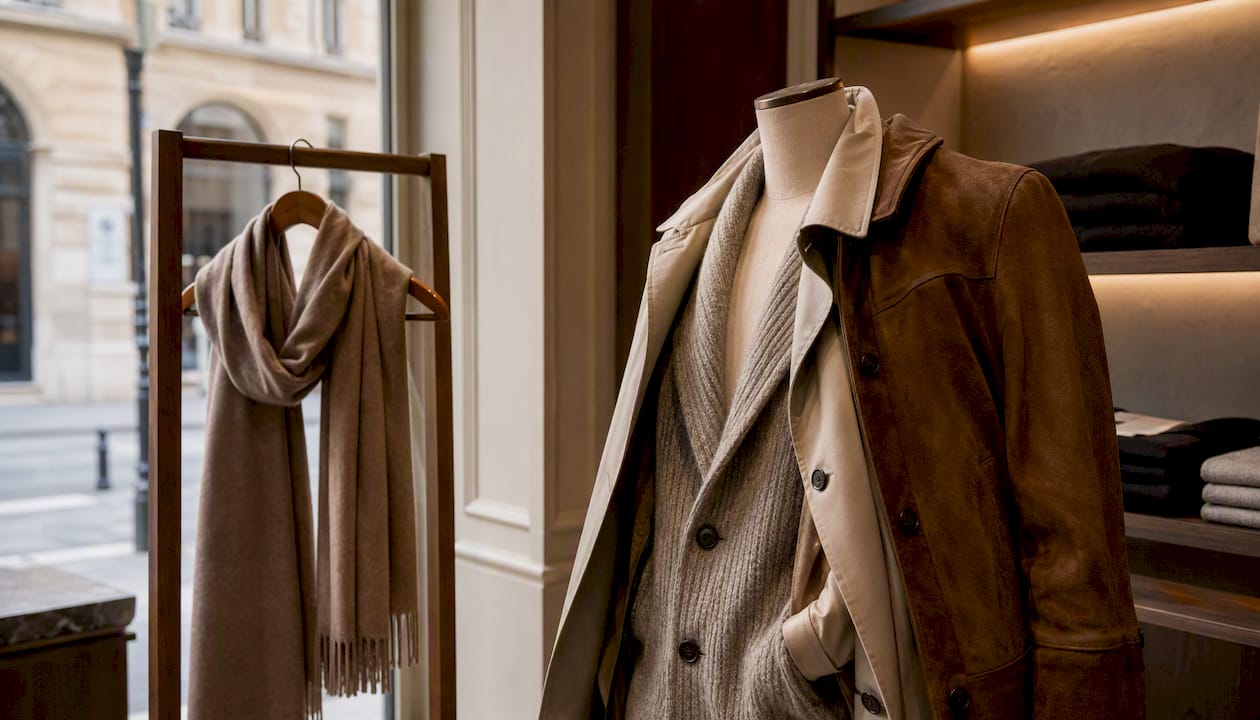
The outer layer is your statement. Structured suiting fabrics, leather, and heavy wool coats belong here. They define the silhouette and protect everything underneath. Macy’s layering guide confirms the thin-to-thick outward rule as the foundation of volume control, and it holds whether you’re building a casual street look or a tailored evening outfit.
| Fabric | Best layer role | Practical note |
|---|---|---|
| Silk | Base | Hand-wash only; use a smooth inner to prevent snags from rough mid layers |
| Fine cotton poplin | Base or mid | Breathable and press-friendly; iron before layering to keep collar crisp |
| Merino wool | Mid | Resists odor and pilling; store folded, not hung, to preserve shape |
| Cashmere | Mid | Dry-clean or hand-wash cold; avoid rough leather contact at cuffs |
| Fine-gauge knit | Mid | Cropped versions work well over longer base layers for proportion contrast |
| Leather | Outer | Condition regularly; avoid prolonged contact with delicate silk bases |
| Structured wool suiting | Outer | Steam, don’t press flat; hang on wide-shoulder hangers between wears |
Designer-friendly pairing example: A silk base + merino mid + structured wool coat gives you three distinct textures that each occupy a clear visual plane. The silk stays invisible, the merino adds warmth and subtle texture, and the coat does all the talking. Swap the merino for a fine-gauge knit cropped at the waist and you shift the proportion story entirely, exposing more of the silk base and creating a longer, leaner line.
Pro techniques that make luxury layers look intentional, not bulky
The difference between a layered look that reads as polished and one that reads as overdressed comes down to four decisions made in sequence.
- Pick your silhouette anchor. Decide upfront whether the look is slim or relaxed. A slim silhouette means fitted base, fitted mid, and one oversized outer. A relaxed silhouette means a looser mid and outer, but the base must still be fitted to prevent internal bulk.
- Scale textures by weight. Smooth textures go closest to the body; heavier, more tactile textures move outward. Silk under cashmere under leather works. Chunky knit under a structured blazer does not.
- Place the statement deliberately. One layer gets to be the focal point. If your outer coat is the statement, keep the base and mid tonal and quiet. If a bold-print mid layer is the star, wear a neutral outer and a plain base.
- Finish with a structured accessory. A belt, a watch, or a structured bag pulls the look together and signals that the layering was intentional. Naiseshopper’s accessory pairing workflow walks through exactly how to match accessories to layered outfits without overwhelming the clothing.
Three outfit recipes using this technique:
- Multiple shirts: A slim-fit Oxford under a slightly oversized cotton poplin shirt, left open, under a tailored blazer. Harper’s Bazaar recommends starting with the fitted base and adding progressively larger outer shirts to manage proportions, which is precisely why the open shirt reads as deliberate rather than accidental.
- Sweater over shirt: A fine-gauge cashmere crew over a crisp white shirt, collar and cuffs visible. The collar detail does the work of an accessory, so keep jewelry minimal.
- Polo layering: A fitted polo under a lightweight knit vest, then a softly structured overcoat. The polo collar peeks above the vest neckline for that intentional layered detail.
Pro Tip: Manage hems before you leave the house. A full tuck keeps the base layer streamlined and protects it from friction against the mid layer’s hem. A partial front-tuck adds casual dimension without bunching. For designer pieces prone to bunching at the waist, swap a regular tee for a high-quality bodysuit — it stays put all day and eliminates the mid-layer bulk problem entirely.
Season-by-season outfit recipes for designer pieces
Layering isn’t just a winter strategy. The weight and number of layers shift by season, but the structure stays the same.
Spring (lightweight layering)
- Silk tee + fine-gauge knit vest + unlined linen blazer. Swap: replace the linen blazer with a lightweight trench for cooler mornings.
- Cotton poplin shirt + cropped cashmere cardigan + tailored wide-leg trousers. Swap: swap the cardigan for a silk scarf tied at the neck for a warmer afternoon.
- Fitted ribbed tank + open cotton overshirt + minimalist leather belt. Swap: add a lightweight denim jacket over the overshirt for an evening temperature drop.
Summer (minimal layering)
- Silk slip top + sheer organza blouse worn open + linen trousers. Swap: replace the organza blouse with a fine-knit mesh top for a more structured look.
- Fitted cotton tee + lightweight silk bomber jacket + tailored shorts. Swap: swap the bomber for a linen overshirt for a more relaxed silhouette.
- Bodysuit + cropped fine-knit cardigan + wide-leg silk trousers. Swap: replace the cardigan with a structured blazer for evening.
Fall (transitional layering)
- Merino turtleneck + tailored wool blazer + straight-leg trousers. Swap: add a lightweight cashmere scarf for colder days.
- Cotton shirt + fine-gauge knit + unlined leather jacket. Swap: replace the leather jacket with a softly structured wool coat for a more formal register.
- Silk blouse + cashmere crew + belted midi skirt. Swap: swap the cashmere crew for a fine-knit vest to reduce warmth on milder days.
Winter (full layering)
- Silk base tee + heavyweight cashmere crew + structured wool overcoat. Swap: replace the cashmere crew with a quilted vest for extra warmth without bulk.
- Cotton poplin shirt + merino rollneck + double-breasted wool coat. Swap: add a leather jacket between the rollneck and coat for a maximalist layered look.
- Fitted ribbed turtleneck + tailored blazer + oversized shearling coat. Swap: replace the shearling with a belted wool coat for a cleaner silhouette.
WhoWhatWear’s 2026 outfit ideas highlight proportion contrast — cropped over longer — as the key move for keeping seasonal layers modern rather than heavy.
| Season | Ideal layer weights | Example items |
|---|---|---|
| Spring | Light + light + unlined | Silk tee, knit vest, linen blazer |
| Summer | Light + sheer + minimal | Silk top, organza blouse, linen trousers |
| Fall | Medium + medium + structured | Merino knit, wool blazer, leather jacket |
| Winter | Light base + heavy mid + heavy outer | Silk base, cashmere crew, wool overcoat |
Common layering mistakes with designer pieces and how to fix them
The most frequent errors, each with a fast remedy:
- Too much bulk at the waist: Caused by multiple untucked layers. Fix: full-tuck the base layer and use a belt to define the waist over the mid layer.
- Competing statement pieces: Two bold prints or two oversized silhouettes fighting for attention. Fix: keep one layer as the statement and make the other two tonal and quiet.
- Wrong fabric order: A heavy knit under a lightweight blazer creates visible lumps. Fix: always move from smooth and thin (base) to textured and heavy (outer).
- Collar and cuff chaos: Multiple visible collars at different heights with no hierarchy. Fix: choose one collar to show deliberately; tuck or cover the others.
- Accessory overload: A statement belt, a bold bag, and a chunky watch all at once. Fix: pick one accessory as the focal point and keep the others understated. The luxury accessories styling guide covers this balance in detail.
Three pre-wear checks:
- Silhouette check: Step back from the mirror. Does the overall shape look deliberate, or does it look like you’re wearing everything you own?
- Fabric friction check: Move your arms and sit down. Are any layers pulling, bunching, or riding up? Friction between layers causes pilling on cashmere and silk over time.
- Accessory balance check: Count your statement accessories. If you have more than one, remove the weakest.
A note on garment care: layering creates friction, and friction is the enemy of fine fabrics. Cashmere pills fastest where layers rub at the shoulders and cuffs. Silk snags against rough textures. Use smooth inner layers as a barrier, and store layered pieces separately after wearing rather than folded together.
Which designer pieces are worth investing in for layering?
Not every designer piece multiplies your outfit options equally. The best investment pieces for layering share five qualities: fabric versatility, a silhouette that works both alone and under/over other pieces, low-maintenance care, a neutral or tonal colorway, and strong resale value if you ever want to move them on.
Buying checklist before any layering investment:
- Does it work as a base, mid, or outer? Pieces that can play two roles are worth more.
- Is the fabric durable enough to handle regular layering friction?
- Does the silhouette stay clean under or over other pieces, or does it create bulk?
- Can you care for it at home, or does it need frequent dry-cleaning?
- Does the brand hold resale value? (Chanel, Hermès, and Bottega Veneta consistently do.)
Three investment-level pieces that multiply looks:
A lightweight cashmere crew (Loro Piana, Brunello Cucinelli, or Bottega Veneta) is the single most versatile mid layer you can own. It works over a silk base, under a leather jacket, and alone with tailored trousers. A structured wool coat in camel or charcoal (Max Mara, Totême, or Saint Laurent) functions as the outer layer for every fall and winter recipe in this guide. A classic leather jacket (Balenciaga, Saint Laurent, or Acne Studios) bridges casual and tailored looks and adds structure without weight.
Two budget-friendly alternatives that serve the same layering role:
A fine-gauge knit from a contemporary brand like Theory or Vince performs nearly identically to a luxury cashmere mid layer for everyday layering. An unlined blazer from a quality contemporary label fills the structured-outer role for spring and fall without the investment-piece price. For timing your purchases strategically, Naiseshopper’s guide to designer sale events covers how to score investment pieces at reduced prices.
When layering expensive fabrics, authentication matters as much as styling. Buying from a platform that guarantees authenticity protects both your investment and the integrity of the look. Esquire’s tailor interviews reinforce that natural fibers from verified sources interact better and last longer than synthetic alternatives that mimic the look.
Why maximalist designer layering is trending and how to adapt it to real life
Runways in 2026 are firmly in the maximalist layering camp. Vogue’s Spring 2026 coverage documents designers doubling shirts, stacking knits, and sometimes layering two outerwear pieces to build dimension and new color stories. The look feels contemporary precisely because it rejects the spare minimalism that dominated the previous decade. The trick, as Harper’s Bazaar notes, is making multiple layers read as intentional by anchoring color and scaling textures.
The key runway moves and how to scale them down:
- Doubled shirts: On the runway, two fully structured shirts worn open over each other. In real life, one fitted shirt as a base with one oversized shirt worn open on top, collar visible. Same effect, half the bulk.
- Sweater stacking: Designers are layering two knits of different weights. Street translation: a fine-gauge turtleneck under a chunky crew, with the turtleneck collar visible above. Keep both in the same tonal family.
- Doubled outerwear: A blazer under a coat is the accessible version. Elle reports that simplifying one element when adapting a runway look for everyday wear is the key to keeping it wearable. So if the coat is oversized, the blazer underneath should be fitted and tonal.
Pro Tip: When translating a runway proportion, reduce one element’s volume. Swap a heavy outer layer for a lighter knit, or replace a structured blazer with an unlined one. The layered effect reads the same; the bulk does not.
Naiseshopper’s curated selection of ready-to-wear designer pieces and authenticated apparel takes the procurement and authentication steps off your plate, so you can focus on the styling.
The un-stuffy truth about experimenting with luxury layers
Luxury layering has a reputation for being intimidating, and that reputation is mostly undeserved. The rules in this guide are real, but they’re also forgiving. The fitted-base-to-statement-outer structure gives you a framework, not a straitjacket.
Start with one new combination per week. Try a cashmere crew over a silk blouse before you attempt a triple-shirt stack. Protect your investment pieces by using smooth inner layers as barriers and checking for friction points before you commit to a full day’s wear. The Naiseshopper layering guide has deeper examples of runway-inspired looks built around blazers, knitwear, and coats if you want to go further.
Pro Tip: Start with your most versatile mid layer — a lightweight cashmere crew in a neutral tone — and build three different outfits around it before buying anything new. You’ll quickly see which base and outer pieces you’re actually missing.
Authenticated designer pieces for layering, curated and ready to shop
Naiseshopper carries authenticated designer apparel from Gucci, Chanel, Prada, Valentino, Bottega Veneta, Saint Laurent, and Balenciaga — exactly the brands that produce the cashmere crews, structured coats, leather jackets, and silk bases this guide recommends. Every piece is verified for authenticity before it ships, so you’re not guessing about what you’re buying.
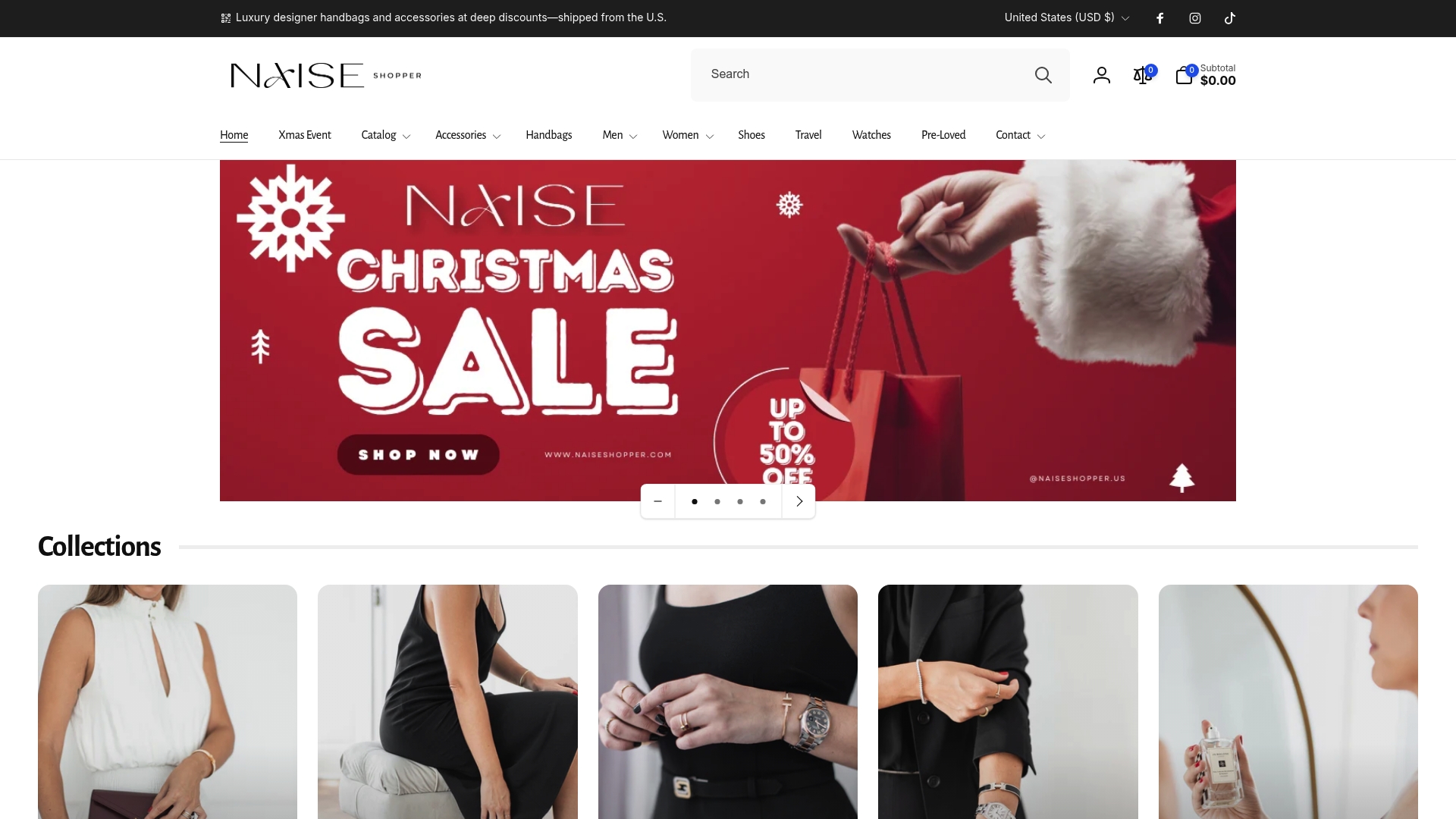
Two reasons this matters for layering specifically: the curated selection skews toward versatile, season-spanning pieces that work across multiple outfit recipes, and the personal shopper service for US buyers helps you source the right sizes and silhouettes for your specific layering goals. Shipping insurance covers every order. To complete a layered look from the ground up, the Saint Laurent mid-top blue luxury sneakers are a strong finishing piece that grounds any of the outfit recipes above. Browse the full collection at Naiseshopper.
Sources
- Spring 2026 layering tricks
- How to style layers
- Chic layering outfit ideas to copy in 2026 and beyond
- How to layer your clothes like a fashion stylist in 2026
- Tips to layer clothes like a fashion expert