TL;DR:
- Designer fashion offers superior craftsmanship and long-lasting quality compared to fast fashion.
- Certain designer items can appreciate in value and outperform traditional investments like gold.
- Buying authentic designer pieces supports sustainability, exclusivity, personal expression, and peace of mind.
Is designer fashion truly worth the price? It’s a question every style-conscious shopper eventually faces. Mass-market alternatives flood the market with trendy pieces at low price points, making the case for spending more on a Gucci bag or a Prada coat feel harder to justify on the surface. But the real conversation goes much deeper than logos and labels. Designer fashion offers a combination of superior craftsmanship, long-term investment potential, distinctive style, and peace of mind that fast fashion simply cannot match. Here’s a clear breakdown of the five most compelling reasons to invest in authentic designer pieces.
Table of Contents
- Unmatched quality and craftsmanship
- Investment value and resale potential
- Distinctive style, exclusivity, and personal expression
- Security, authenticity, and sustainable shopping
- Why the smart luxury buyer combines value and values
- Explore authentic designer finds at unbeatable prices
- Frequently asked questions
Key Takeaways
| Point | Details |
|---|---|
| Superior quality and durability | Designer fashion offers better materials and craftsmanship for long-term use. |
| Positive investment return | Many designer pieces hold or grow in resale value, outpacing traditional assets. |
| Distinctive style and status | Owning designer delivers exclusivity and personal expression not found in mass-market brands. |
| Risk reduction and authenticity | Buying from trusted retailers ensures you get the real product and lasting value. |
| Sustainable shopping | Choosing durable designer pieces means fewer replacements and less waste. |
Unmatched quality and craftsmanship
When you pick up a designer handbag, the difference is immediate. The weight of the hardware, the precision of the stitching, the suppleness of the leather. These are not accidents. They are the result of skilled artisans, premium raw materials, and production standards that prioritize longevity over volume.
Designer pieces offer superior quality and last significantly longer than their fast-fashion counterparts, which directly reduces replacement costs over time. A $1,500 designer coat worn 300 times over a decade costs $5 per wear. A $150 fast-fashion version that falls apart after 30 wears costs the same per use but delivers a fraction of the experience and none of the resale value.
This is the cost-per-wear concept, and it reframes how you think about price entirely. When you invest in authentic luxury retail, you are buying something designed to last, not just to look good for one season.
Here are the tangible quality markers that separate designer from mass-market:
- Full-grain or exotic leather with consistent texture and minimal blemishes
- Solid brass or gold-plated hardware that resists tarnishing and scratching
- Hand-stitched or reinforced seams that hold under daily use
- Exclusive fabrics sourced from heritage mills in Italy, France, or Japan
- Precise color matching across all components of a single piece
Understanding the real value in luxury fashion starts with recognizing these markers before you buy. They are not superficial details. They are indicators of how a piece will age and perform.
Pro Tip: Before purchasing, run your fingers along the interior lining. Designer brands finish the inside of their pieces with the same care as the outside. Rough edges, uneven stitching, or flimsy lining are immediate red flags.
The resale report from BCG confirms that quality-driven designer items consistently outperform lower-tier fashion in both longevity and retained market value. Quality is not just a luxury. It’s a financial strategy.
Investment value and resale potential
Few people think of a handbag the same way they think of a stock portfolio. But for select designer pieces, that comparison is more accurate than you might expect.
Designer items can appreciate and outperform traditional investments, with Hermès Birkin bags surpassing gold returns over comparable periods. That is not a marketing claim. It is backed by auction data and secondary market performance tracked across major resale platforms.
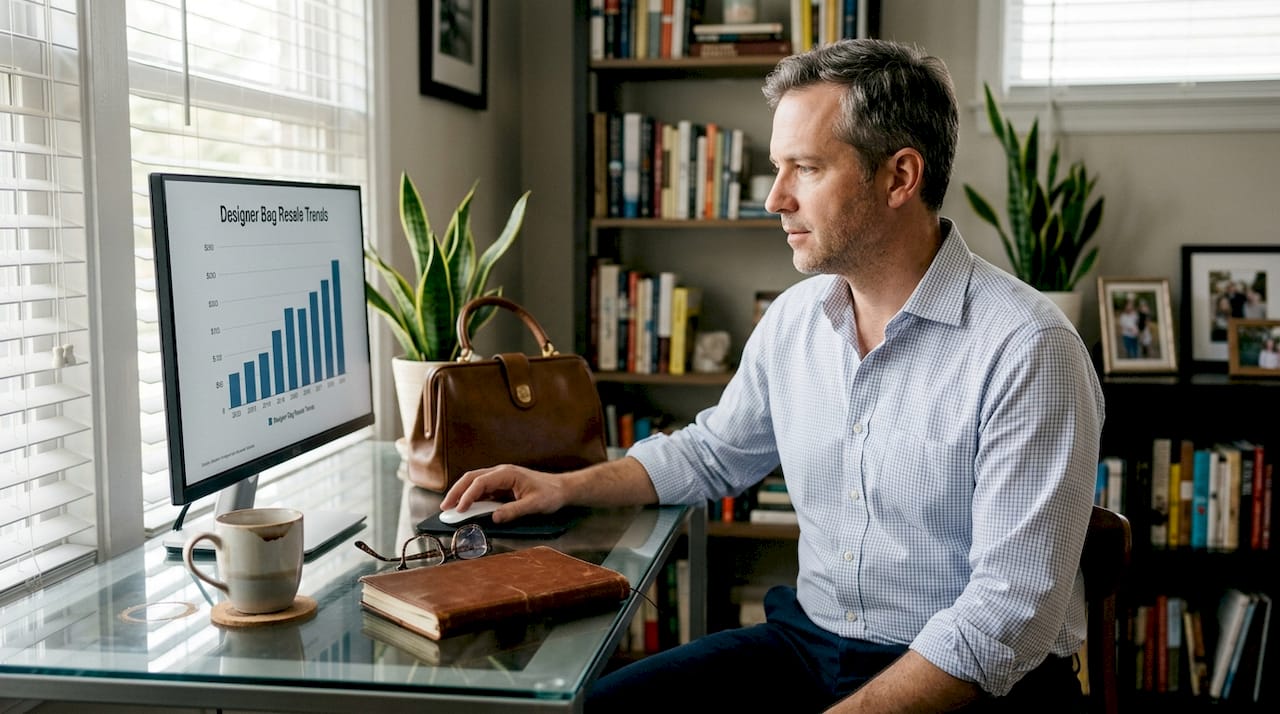
Consider the numbers. A Birkin purchased in 2010 for around $10,000 could sell today for $30,000 or more, depending on the leather and hardware combination. Gold over the same period has delivered strong but more volatile returns. The designer resale market report shows the pre-owned luxury segment growing at a rate that outpaces many traditional asset classes.
| Asset | 10-year avg. return | Liquidity | Enjoyment factor |
|---|---|---|---|
| Hermès Birkin | ~14% annually | High (resale platforms) | Very high |
| Gold | ~8% annually | High (commodity markets) | Low |
| S&P 500 index | ~10% annually | Very high | Low |
| Fast fashion | Negative | Very low | Low |
Not every designer piece performs this way. But knowing how to evaluate designer handbags as investment pieces before buying gives you a serious edge.
Here’s how to evaluate resale potential before you buy:
- Research the brand’s resale history on platforms like The RealReal or Vestiaire Collective
- Prioritize classic silhouettes over trend-driven styles (the Chanel Classic Flap vs. a seasonal novelty bag)
- Choose neutral or iconic colorways that attract the widest pool of future buyers
- Keep all original packaging, dust bags, receipts, and authentication cards
- Assess condition maintenance and factor in storage and care costs
Understanding bag investment in luxury means thinking like a collector, not just a consumer. And for those curious about which pieces hold their value best, exploring designer bags resale value data by brand is a smart first step.
“A Hermès Birkin bag has consistently outperformed the S&P 500 and gold over the past two decades, making it one of the most reliable alternative assets in the luxury market.”
While quality and investment matter, there’s a deeper satisfaction in what designer fashion represents for many buyers.
Distinctive style, exclusivity, and personal expression
Designer fashion is not just about what you own. It’s about what you communicate. Every Bottega Veneta intrecciato weave, every Chanel quilted flap, every Saint Laurent logo tells a story about taste, confidence, and intentionality.
Designer fashion carries intangible prestige, a confidence boost, and a unique style edge that mass-produced labels simply cannot replicate. This is not vanity. It is the psychology of self-expression through carefully chosen objects.
Exclusivity drives desirability in a very real way. Limited production runs, seasonal drops, and designer collaborations create genuine scarcity. When Balenciaga releases a limited colorway or Valentino drops a capsule collection, those pieces become cultural moments, not just products.
Here are the signature design elements that signal something beyond the label:
- Iconic hardware and closures that are instantly recognizable (Gucci’s horsebit, Prada’s triangle logo plate)
- Signature prints and patterns developed over decades of brand history
- Architectural silhouettes that photograph differently from every angle
- Artisan finishes like hand-painted edges or custom embroidery
The confidence effect is real. Wearing a piece you love, one that fits perfectly and was made with intention, changes how you carry yourself. It’s not about impressing others. It’s about feeling aligned with your own sense of style.
According to modern designer style trends, a growing percentage of luxury buyers cite uniqueness and personal expression as their primary motivation for purchasing designer, surpassing status signaling as the top driver. That shift reflects a more mature, values-driven approach to luxury consumption.
Beyond style and value, one crucial benefit for today’s discerning shopper is peace of mind.
Security, authenticity, and sustainable shopping
The counterfeit luxury market is enormous and getting more sophisticated. Fakes are no longer obvious knockoffs. They are engineered to deceive, and the consequences of buying one go beyond wasted money. You lose the craftsmanship, the investment value, and the ethical assurance that comes with a genuine piece.
Buying authentic designer items supports sustainability and reduces waste by keeping high-quality pieces in circulation longer. This is the core argument for circular fashion, and it aligns perfectly with the growing movement toward mindful consumption.
Here is a quick look at what the data tells us about the counterfeit market versus authenticated resale:
| Category | Counterfeit market | Authenticated resale |
|---|---|---|
| Global market size | $500B+ annually | $50B+ and growing |
| Quality assurance | None | Certified and guaranteed |
| Resale value | Zero | Retained or appreciated |
| Environmental impact | High waste | Reduced through reuse |
The luxury resale trends report highlights that authenticated pre-owned luxury is one of the fastest-growing segments in fashion, driven by buyers who want both value and verified quality.
Here are secure online shopping tips for luxury items:
- Buy only from platforms that offer authentication guarantees in writing
- Check for detailed product photography showing hardware, serial numbers, and interior labels
- Look for return policies that protect you if authenticity is disputed
- Verify seller ratings and reviews across multiple sources
Pro Tip: Authentic designer pieces always include consistent font and spacing on interior labels. Misaligned text, spelling errors, or irregular stitching on the label are immediate warning signs. Certified sellers in authenticity in designer shopping provide documentation that removes all guesswork.
Why the smart luxury buyer combines value and values
Most conversations about designer fashion focus on one of two things: prestige or ROI. But the smartest luxury buyers we see are thinking about something more nuanced. They are building a wardrobe that reflects who they are, holds its value, and does not contribute to the cycle of disposable consumption.
The surprising truth is that buying designer, when done thoughtfully, is one of the most sustainable choices you can make. One well-chosen Chanel bag replaces dozens of fast-fashion alternatives over a lifetime. That is a genuine environmental and financial win.
Following luxury fashion investing tips is not just about chasing appreciation. It is about selecting pieces that align with your personal style, your values, and your long-term financial goals. The logo is almost secondary. What matters is the intention behind the purchase.
The real flex in 2026 is not owning the most expensive piece in the room. It’s owning the right piece, bought smart, worn with confidence, and held for years.
Explore authentic designer finds at unbeatable prices
Ready to put these benefits into practice? At Naise Shopper, every piece in our collection is authenticated, curated, and priced to give you real access to the designer market without the full retail premium.
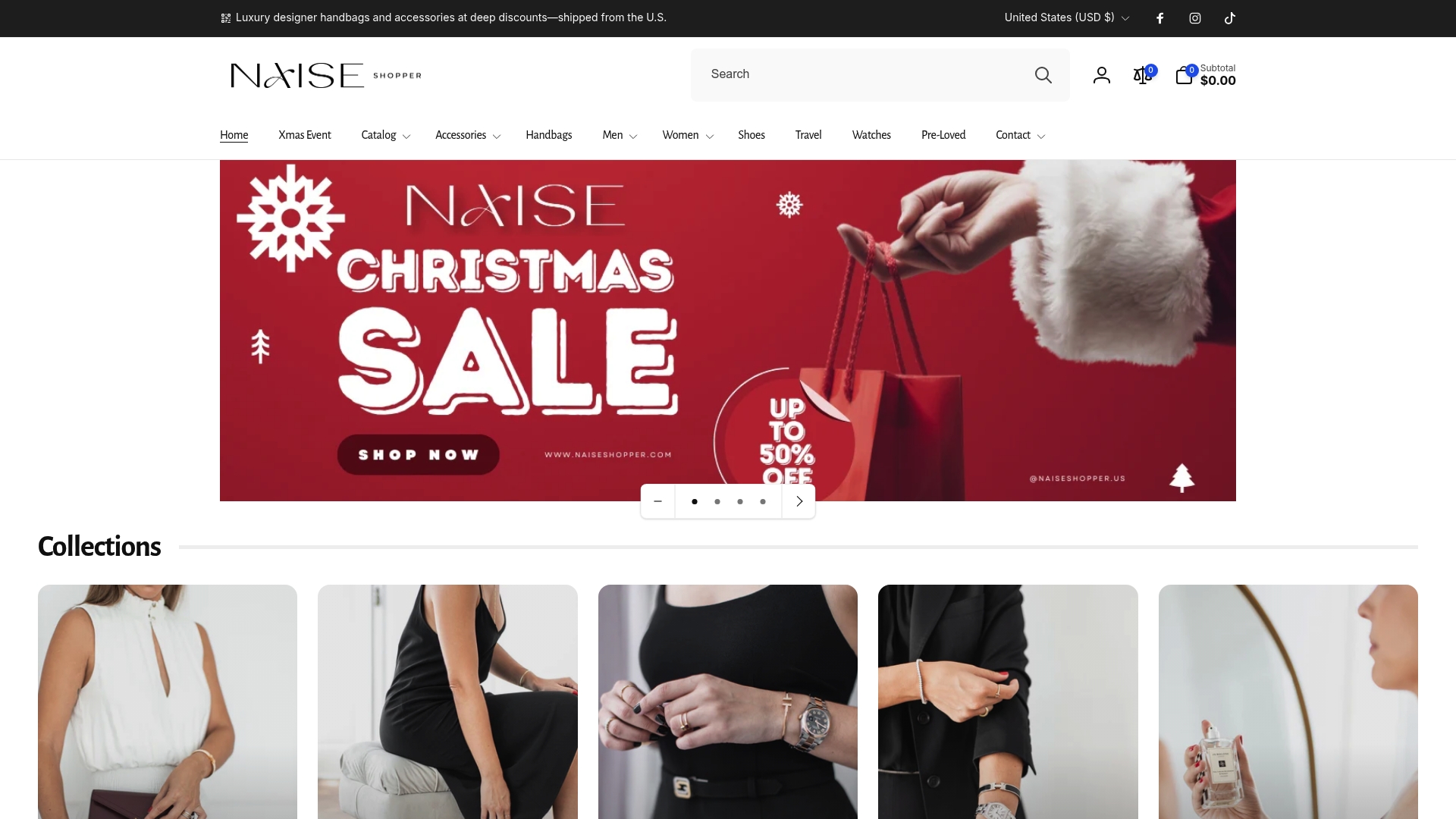
From sleek Jimmy Choo flats to bold Saint Laurent sneakers, our catalog spans the full spectrum of luxury style. Every item ships securely with full authentication documentation. Whether you are building your first investment piece or expanding a curated wardrobe, secure designer shopping at Naise Shopper gives you the confidence to buy smart and wear boldly.
Frequently asked questions
Can designer fashion really save money in the long run?
Designer items last longer, lowering replacement costs and delivering better cost-per-wear over time, which often makes them the more economical choice across years of use.
Are all designer goods good investments?
Not every designer piece appreciates, but select brands and silhouettes, like Hermès Birkin bags, consistently hold or grow in value well above inflation.
How can I be sure my designer item is authentic?
Shop from trusted, authorized platforms that provide written authentication guarantees, and always verify serial numbers, labels, and hardware before completing your purchase.
Does buying designer fashion support sustainability?
Yes. High-quality pieces last longer, stay in circulation through resale, and reduce the demand for disposable fast fashion, making authentic designer items a genuinely sustainable choice.