TL;DR:
- Global luxury collections differ greatly by region due to market-specific demand, supply chain timing, and allocation strategies.
- Understanding these regional nuances and building relationships with boutique associates allow collectors to access rarer, authentic pieces more effectively.
Most collectors assume that a Chanel or Prada collection looks the same in Tokyo, Dubai, and New York. It doesn’t. Explaining global luxury collections means confronting a more interesting reality: what you can buy, when you can buy it, and even at what price depends heavily on where you are standing. Market forces, regional consumer profiles, supply chain realities, and brand allocation strategies all shape what ends up on the shelf in front of you. This article breaks down exactly how and why global luxury collections diverge, so you can shop and collect with sharper awareness.
Table of Contents
- Key Takeaways
- Explaining global luxury collections: scope and categories
- How regional markets shape collection differences
- How brands curate and allocate collections globally
- Supply chains, geopolitics, and collection timing
- What collectors need to know about accessing global collections
- My take on what most collectors get wrong
- Shop global luxury at Naiseshopper
- FAQ
Key Takeaways
| Point | Details |
|---|---|
| Collections vary by region | Market-specific allocation, timing, and clienteling create different access experiences worldwide. |
| Growth markets drive assortment shifts | China, Japan, the Middle East, and India each pull collections in distinct product directions. |
| Scarcity is a managed strategy | Brands use waitlists and curated access deliberately to protect brand equity and resale value. |
| Supply chains affect timing | Geopolitical and logistics disruptions create real differences in when collections arrive globally. |
| Collectors benefit from market knowledge | Understanding regional dynamics and relationship systems unlocks access to the best pieces. |
Explaining global luxury collections: scope and categories
Before getting into how collections differ, it helps to be clear on what a “global luxury collection” actually includes. The term covers far more ground than most enthusiasts realize.
Personal luxury goods break into three broad segments. Hard luxury encompasses watches and fine jewelry. Soft luxury covers leather goods, apparel, and footwear. Beauty and cosmetics round out the third category with prestige skincare, fragrance, and makeup. The personal luxury goods market is expected to grow by USD 40.1 billion at a CAGR of 2.4% through 2030, which reflects just how broad and resilient this space remains.
Beyond product categories, distribution channels also shape collection composition significantly. Consider these key formats:
- Flagship stores on prime retail streets like Bond Street, Rue Saint-Honoré, and Rodeo Drive carry full depth of collection and exclusive pieces.
- Travel retail at international airports curates a more condensed, gift-forward assortment designed for transient high-spend customers.
- Cruise ship retail offers destination-inspired assortments that differ entirely from what sits in a flagship boutique.
- Department store concessions carry edited collections chosen in negotiation with the host retailer.
- E-commerce channels vary their assortment by geographic region based on import regulations and demand data.
The takeaway here is clear: “the collection” is not a single uniform catalog. It is a matrix of product categories distributed across channel types, each with its own curation logic. Collectors who understand this matrix source more strategically and spot genuine rarities when they appear.
How regional markets shape collection differences
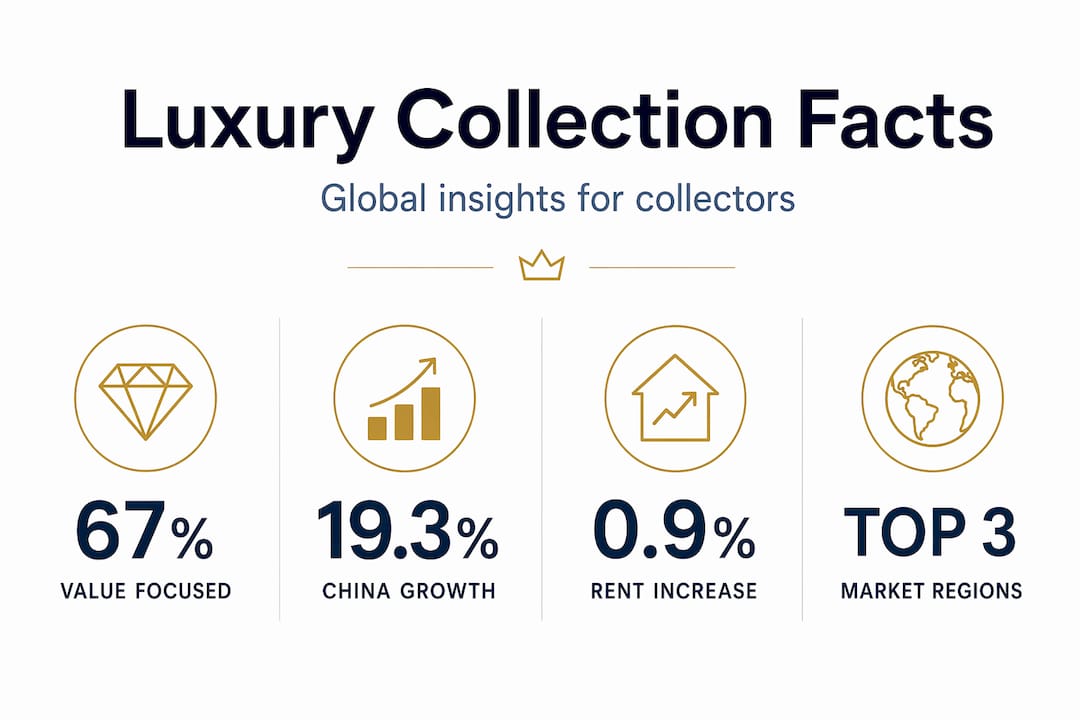
Regional economic power directly influences what brands choose to stock, when they stock it, and at what depth. According to Deloitte’s 2026 outlook, the most influential growth engines for luxury in 2026 are China at 19.3%, Japan at 19.0%, the Middle East at 17.9%, and India at 11.9%. Those percentages translate directly into assortment priority.
| Market | Growth weight | Collection focus |
|---|---|---|
| China | 19.3% | Logo-forward leather goods, ready-to-wear |
| Japan | 19.0% | Precision craft, hard luxury watches, accessories |
| Middle East | 17.9% | Evening wear, fine jewelry, exclusive colorways |
| India | 11.9% | Festive capsules, embellishment, growing footwear |
Japan is a particularly instructive example. The yen’s weakness in recent years has made Japan one of the most attractive markets for tourist luxury purchases, and brands have responded by stocking deeper inventory in Tokyo and Osaka. The Middle East has become a genuine global luxury hub where flagship openings are accelerating and exclusive regional colorways are not uncommon.
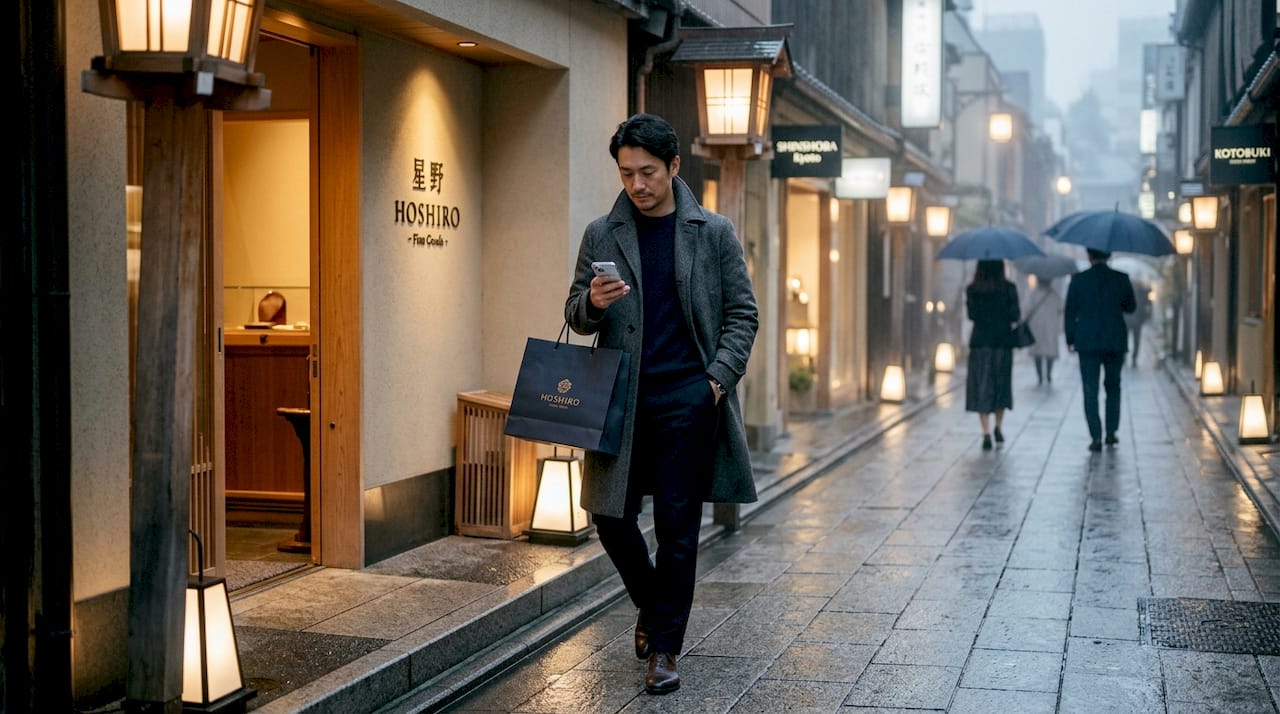
Retail rental dynamics also tell the story. Prime headline rents for luxury retail rose 0.9% globally in 2025, a deliberate sign of selectivity. Brands are not expanding everywhere. They are doubling down on core prime-location streets, which means deeper, better-curated assortments at existing flagships rather than broad geographic spread. Singapore’s luxury retail rents grew 2% in 2025, outpacing the global average and reinforcing its position as a must-stock market across Southeast Asia.
Pro Tip: When planning a purchase trip abroad, research whether your target market is a primary growth region for your desired brand. A Chanel boutique in Tokyo or a Cartier flagship in Dubai will carry depth and exclusivity that a secondary-market location simply cannot match.
How brands curate and allocate collections globally
This is where understanding luxury fashion goes from interesting to genuinely useful for collectors. Brands do not distribute collections passively. They manage access with deliberate precision.
Here is how a typical global allocation strategy plays out:
- Production allocation happens before a collection reaches stores. Factories produce limited runs. The brand’s central merchandising team assigns units by region based on historical sales data, client profiles, and strategic market priorities.
- Waitlists and reservation systems follow. Top-tier clients in key markets get early access notifications before general floor availability. This curated access is a managed scarcity strategy that protects brand equity and supports strong resale values.
- Clienteling is the relationship layer on top. Sales associates in flagship locations maintain detailed records of client preferences, purchase histories, and spending levels. Repeat high-value clients receive calls about pieces before they appear publicly.
- Regional exclusives are released in specific markets to generate local buzz and reward loyal regional clients. A Paris-only leather colorway or a Tokyo-exclusive sneaker collaboration serves both brand storytelling and client loyalty functions.
- Price harmonization reviews happen quarterly. Brands adjust retail prices in response to currency fluctuations to prevent cross-market arbitrage from undermining brand value.
The shift in luxury strategy toward value over volume is visible here. Sixty-seven percent of executives expect stable or growing revenues in 2026, but they are achieving that by selling fewer pieces to better clients rather than by chasing unit volume. Collections get tighter, access gets more selective, and clienteling gets more sophisticated.
Pro Tip: Build a genuine relationship with one or two boutique associates at your priority brand. This is not just social niceties. It is the most reliable way to receive allocation calls before a piece sells out or hits the secondary market at a premium.
Supply chains, geopolitics, and collection timing
Even when a brand plans perfectly, the world does not cooperate. Explaining global luxury item sourcing means being honest about the structural friction that creates timing and availability gaps across markets.
Several factors are shaping collection arrivals right now:
- The Red Sea corridor is a critical pressure point. Over 75% of Europe’s apparel imports from Asia pass through this route. Disruptions add weeks or months to delivery windows, meaning the same collection may arrive in Paris three weeks before it reaches Sydney.
- Currency volatility reshapes collection economics mid-season. A sharp move in the euro or yen forces brands to either absorb margin pressure or implement price adjustments that temporarily disrupt availability as pricing systems update.
- Category mix shifts are a real and underappreciated phenomenon. During periods of geopolitical tension or macroeconomic uncertainty, jewelry and hard luxury tend to hold up better than apparel, leading brands to lean into those categories in their collection emphasis at the expense of ready-to-wear depth.
- Import regulations in specific markets like India or China can delay or restrict certain product categories, creating authentic scarcity that has nothing to do with brand strategy.
- Political events such as new tariffs or trade negotiations can cause brands to pause planned launches in affected markets until clarity emerges.
These are not temporary noise factors. They are structural realities that any serious collector should track. Geopolitical and logistics disruptions represent long-term influences on collection timing, not one-off events.
What collectors need to know about accessing global collections
With the right framework, you can turn market complexity into a genuine advantage. Here is how to approach luxury collection trends with collector intelligence:
- Track launch windows by region. Major brands typically release collections first in their home market (Paris, Milan, or New York), then roll out globally on a staggered schedule. If you monitor runway coverage and official brand channels, you can anticipate regional arrival timing.
- Understand allocation signals. When a boutique tells you a piece “isn’t available yet,” that often means it exists in the allocation queue. A relationship with an associate can tell you whether to wait or look in a different market.
- Use provenance as a value cue. Pieces purchased at flagship stores in primary markets (Paris, Tokyo, Dubai) carry stronger provenance documentation than those sourced from secondary locations. That provenance matters at resale.
- Watch regional exclusives. A curated luxury collection assembled from a market-specific exclusive often holds or appreciates in value better than a globally distributed piece, because supply is genuinely constrained.
- Consider brand sourcing strategies when authenticating. Understanding where and when a piece was meant to be sold helps you spot mismatches that can indicate inauthenticity on the secondary market.
The collectors who build the most impressive holdings are not just people with good taste. They are people who understand the system behind the product.
My take on what most collectors get wrong
I’ve spent years watching collectors focus entirely on aesthetics and brand name while the real mechanics of collection access fly right over their heads. The conventional view is that luxury collections are globally uniform and equally accessible. That view is outdated and costs collectors real money.
What I’ve learned is that two buyers with identical budgets can have completely different experiences buying the same bag, purely because one has a clienteling relationship and the other doesn’t. One gets a call before a piece hits the floor. The other discovers it sold out an hour ago.
The scarcity you experience as a collector is rarely accidental. Brands manage it through data-driven allocation and waitlist systems with real strategic intent. The collectors who recognize this and build the right relationships, in the right markets, at the right time, consistently access the pieces everyone else considers impossible to find. The system rewards those who understand it.
— Camila
Shop global luxury at Naiseshopper
The breadth of global luxury collections across markets, brands, and categories is exactly what Naiseshopper is built to help you access. You get authenticated pieces from Gucci, Saint Laurent, Versace, Prada, and more, with transparent pricing, international shipping, and real discounts off retail.
Right now, the platform features the Saint Laurent mid-top blue sneakers that bring Paris-runway energy to your wardrobe, alongside the sleek Versace logo plaque pumps that define high-impact dressing. If you want help sourcing a specific piece or navigating a regional exclusive, Naiseshopper’s personalized shopping service connects you with experts who know exactly how to work the allocation landscape. Authenticated. Delivered globally. Ready now.
FAQ
What are global luxury collections exactly?
Global luxury collections are curated assortments of personal luxury goods including apparel, leather goods, jewelry, watches, and accessories distributed across international markets. They vary significantly by region due to allocation strategies, local demand, and distribution channel formats.
Why do luxury collections differ between countries?
Brands tailor collections by market based on local consumer profiles, regional demand data, currency factors, and supply chain timing. A flagship in Tokyo or Dubai will carry different depth and exclusivity than a location in a secondary market.
How do luxury brands manage collection scarcity?
Brands use structured allocation systems including waitlists, clienteling relationships, and limited production runs to control access deliberately. This protects brand equity and supports strong resale values.
Which regions drive global luxury collection trends most?
According to Deloitte, China at 19.3%, Japan at 19.0%, the Middle East at 17.9%, and India at 11.9% are the top growth markets shaping luxury collection priorities in 2026.
How can collectors access exclusive pieces from global collections?
Building direct relationships with boutique associates is the most reliable method, combined with tracking regional launch schedules, understanding allocation signals, and working with platforms like Naiseshopper that offer authenticated pieces with global shipping.