Choosing the right investment handbag can feel overwhelming when thousands of dollars hang in the balance. With the 2026 luxury market showing unprecedented volatility, savvy shoppers need more than brand recognition to protect their money. This guide walks you through proven steps to select designer bags that genuinely hold or grow in value, eliminating guesswork and costly mistakes.
Table of Contents
- Introduction To Investment Handbags
- Prerequisites: What You Need Before Buying An Investment Bag
- Step 1: Identify High-Value Brands And Models
- Step 2: Verify Authenticity And Assess Condition
- Step 3: Consider Market Demand And Timing
- Common Mistakes To Avoid When Choosing Investment Bags
- Expected Results And How To Measure Success
- Find Your Authentic Investment Handbag With Naise Shopper
- FAQ
Key takeaways
| Point | Details |
|---|---|
| Brand and rarity drive value | Top investment bags combine brand prestige like Hermès or Chanel with limited production and timeless design elements. |
| Authenticity is non-negotiable | Verified authenticity and excellent condition can boost resale value by 30% while protecting your investment from counterfeit losses. |
| Market timing matters | Strategic purchase timing and choosing classic colors over fleeting trends prevent impulsive buys on oversaturated releases. |
| Avoid common pitfalls | Neglecting authentication, overvaluing mini sizes, and buying immediately after launch lead to significant depreciation. |
| Track resale performance | Success means 100-130% value retention within five years and easy resale liquidity on trusted platforms. |
Introduction to investment handbags
Investment handbags represent a shift from viewing luxury accessories purely as fashion statements to recognizing them as tangible assets with financial potential. Unlike typical handbags that depreciate after purchase, investment pieces from heritage brands can maintain or even appreciate in value over time. This phenomenon stems from carefully controlled production, exceptional craftsmanship, and enduring brand prestige that creates scarcity in secondary markets.
The 2026 luxury handbag resale market demonstrates remarkable growth, driven by affluent consumers seeking alternative investment vehicles and sustainable luxury options. Hermès Birkin bags have resale retention rates reaching up to 250%, making them the top handbag investment. However, market volatility means not every designer bag qualifies as a smart investment. Price fluctuations, shifting consumer preferences, and authentication challenges create both opportunities and risks.
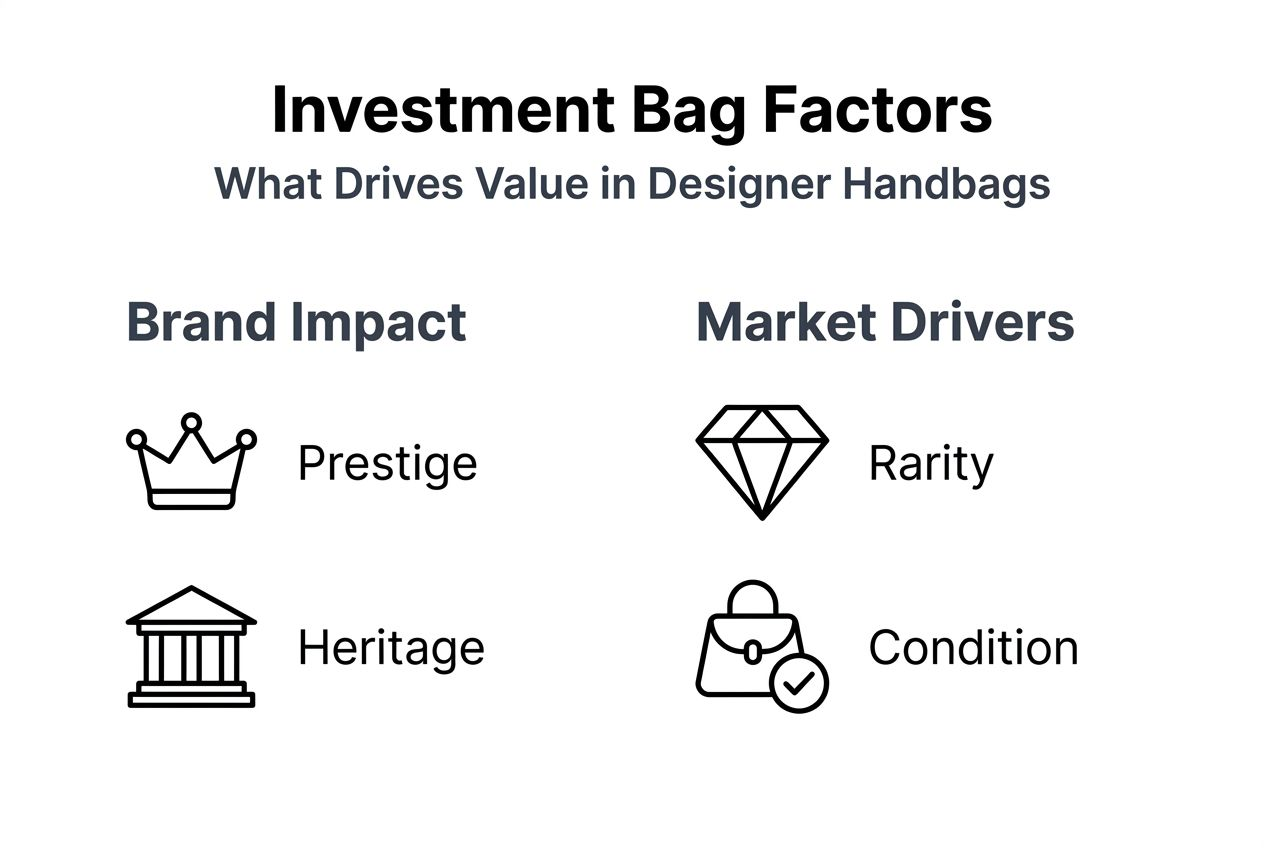
Successful handbag investing requires understanding which factors drive long-term value. Brand heritage matters because houses like Hermès, Chanel, and Louis Vuitton have decades of consistent quality and cultural cachet. Exclusivity plays an equally critical role since limited production runs and waitlists create artificial scarcity that fuels secondary market demand. Craftsmanship ensures durability, allowing bags to remain beautiful and functional for decades.
Key factors that define investment-worthy handbags include:
- Brand heritage spanning decades with consistent prestige and cultural relevance
- Controlled production creating genuine scarcity rather than mass availability
- Timeless design elements that transcend seasonal trends and remain desirable
- Superior materials and construction ensuring durability across generations
- Strong secondary market demand with active buyers and transparent pricing
Understanding bag investment luxury fashion fundamentals helps you distinguish genuine investment opportunities from marketing hype. The intersection of artistry, scarcity, and brand power creates a unique asset class that can outperform traditional investments when selected strategically.
Prerequisites: what you need before buying an investment bag
Before committing thousands to a designer handbag, you need foundational knowledge and resources to make informed decisions. Rushing into purchases without proper preparation leads to expensive mistakes that erode investment potential. Building your knowledge base takes time but protects your capital and maximizes returns.
Brand and model research forms your first priority. Not every bag from prestigious houses qualifies as an investment. You must identify which specific models have proven resale track records versus limited editions that generate buzz but fail to hold value. Investment handbags should combine timeless designs, scarce production, and brand prestige to maximize value retention and appreciation. Studying auction results, resale platform pricing, and market reports reveals which bags consistently command premium prices.
Authentication knowledge protects you from counterfeit losses that destroy investment value instantly. Understanding brand-specific details like serial number formats, logo placements, stitching patterns, and hardware finishes helps you spot fakes. If you lack expertise, establish relationships with professional authenticators or use platforms that guarantee authenticity. The cost of authentication services pales compared to buying a worthless counterfeit.
Budget planning aligned with luxury investment norms ensures you can afford quality pieces that appreciate. Entry-level investment bags from brands like Louis Vuitton start around $2,000, while Hermès Birkin bags command $10,000 to $200,000 depending on leather and hardware. Setting realistic budgets prevents overstretching finances or settling for lesser bags that won’t perform.
Essential preparation steps include:
- Research resale platforms like Rebag, Fashionphile, and Vestiaire Collective to understand current market prices
- Study authentication guides specific to target brands and bookmark trusted authenticator services
- Calculate total investment budget including purchase price, storage, insurance, and potential authentication fees
- Identify reputable retailers and authorized dealers who provide proper documentation and receipts
- Build knowledge of condition grading systems used in luxury resale markets
Access to trusted sources matters enormously. Whether buying new from boutiques or preloved from resale platforms, verify the seller’s reputation and return policies. Documentation including original receipts, dust bags, and boxes significantly impacts resale value.
Pro Tip: Create a spreadsheet tracking target models, average resale prices, condition notes, and seller ratings before making any purchases to maintain objectivity.
Exploring resources like a designer bag investment checklist streamlines your preparation process and ensures you cover all essential factors before buying.
Step 1: identify high-value brands and models
Not all luxury brands offer equal investment potential. Focusing on houses with proven resale performance and specific iconic models dramatically improves your chances of value retention or appreciation. Data from auction houses and resale platforms clearly identifies which brands and bags consistently command premium prices.
Hermès dominates the investment handbag market with unmatched appreciation rates. The Birkin and Kelly bags represent pinnacle investments due to extreme scarcity, artisanal craftsmanship, and decades-long waitlists that create insatiable demand. Each bag takes 18 to 24 hours of skilled labor, and production remains intentionally limited. The Chanel Classic Flap bag resale value averages around 135% of original retail price due to classic design and regular brand price increases.
Chanel ranks second with the Classic Flap as its flagship investment piece. The quilted leather, chain strap, and interlocking CC logo create instant recognition. Chanel’s strategy of annual price increases, sometimes reaching 15 to 20%, drives continuous appreciation as earlier purchases become comparatively affordable on secondary markets. Limited seasonal colors and sizes add collectibility.
Louis Vuitton offers accessible entry points with models like the Neverfull and Speedy maintaining steady demand. While appreciation rates lag behind Hermès and Chanel, these bags hold value well due to brand ubiquity and durability. Special collaborations with artists like Stephen Sprouse or Takashi Murakami can command significant premiums.
Top investment-worthy models by brand:
- Hermès: Birkin (all sizes), Kelly (25cm, 28cm, 32cm), Constance
- Chanel: Classic Flap (Medium, Jumbo), Boy Bag, 19 Bag
- Louis Vuitton: Speedy, Neverfull, Capucines, Twist
- Dior: Lady Dior, Saddle Bag (vintage and reissue)
- Bottega Veneta: Cassette Bag, Jodie Bag (emerging investment potential)
| Brand | Top Model | Avg. Resale Retention | Key Value Drivers |
|---|---|---|---|
| Hermès | Birkin 30cm | 150-250% | Extreme scarcity, waitlists, artisan craftsmanship |
| Chanel | Classic Flap Medium | 130-140% | Annual price hikes, timeless design, brand prestige |
| Louis Vuitton | Speedy 30 | 85-95% | Durability, brand recognition, accessible price point |
Understanding why invest designer handbags perform differently across brands helps you allocate investment capital strategically. Brand price hikes and controlled production contribute to steady appreciation of signature bags like Hermès Kelly and Chanel Classic Flap.
Limited editions require careful evaluation. While exclusivity appeals, many limited releases fail to maintain value if designs feel too trendy or production numbers exceed genuine scarcity thresholds. Focus on classic silhouettes with special materials or colors rather than radical design departures.
Pro Tip: Track retail price increases from your target brands quarterly to identify which models see the steepest climbs, signaling strong investment momentum.
Step 2: verify authenticity and assess condition
Authenticity verification forms the cornerstone of handbag investing since counterfeits have zero value and tarnish your investment portfolio. Even high-quality fakes fool casual observers, making systematic authentication essential before any purchase. Condition assessment follows closely because wear, damage, and missing components drastically reduce resale prices.
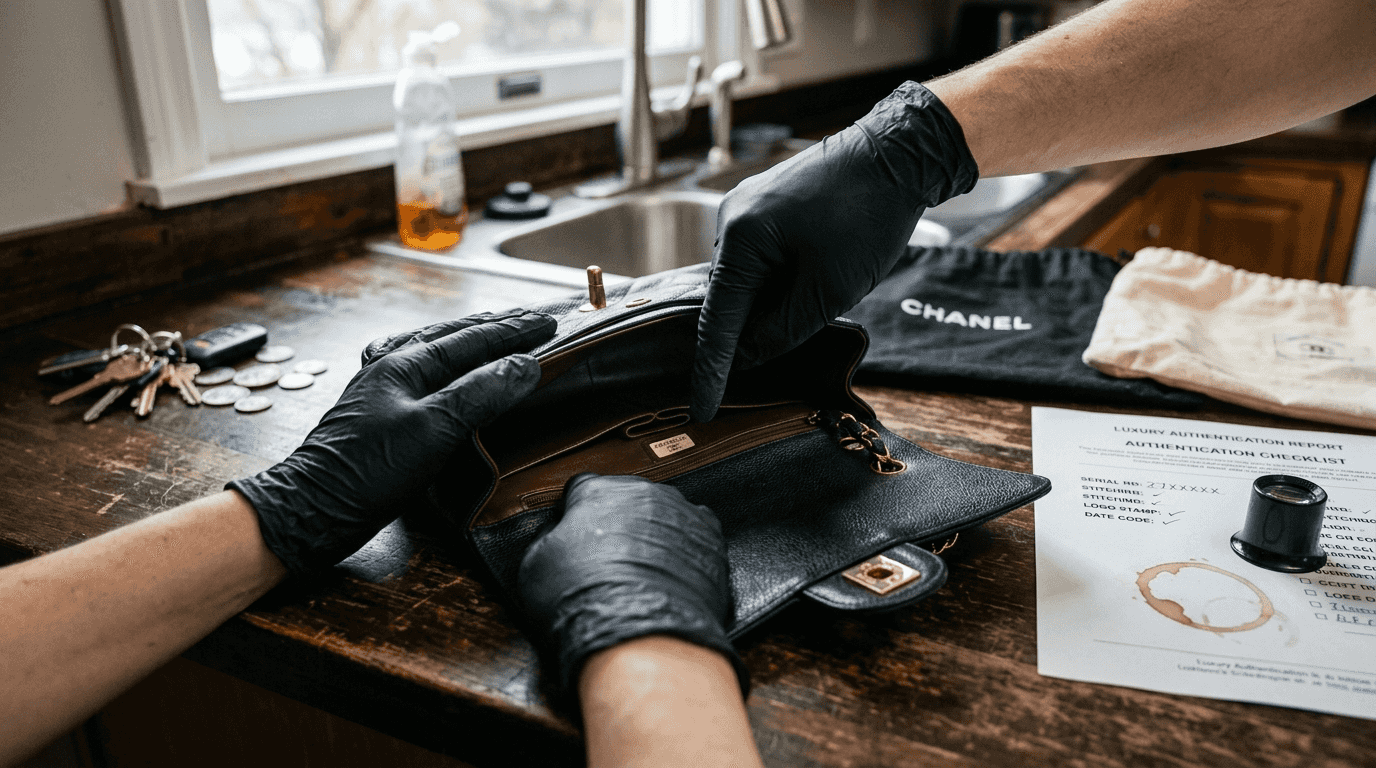
Authentication requires examining multiple details that counterfeiters struggle to replicate perfectly. Start with serial numbers and date codes, which follow brand-specific formats indicating production year and location. Hermès uses blind stamps, Chanel employs hologram stickers transitioning to microchips, and Louis Vuitton features alphanumeric codes inside pockets. Cross-reference these codes against official brand databases or expert authentication services.
Logo details reveal fakes through inconsistent fonts, spacing, or proportions. Examine logo engravings on hardware, embossed leather stamps, and printed linings under magnification. Authentic luxury bags display flawless execution while fakes show irregularities, smudging, or misalignments. Stitching quality separates genuine craftsmanship from counterfeits. Count stitches per inch, verify perfect symmetry, and check that thread color matches specifications.
Systematic authentication steps:
- Verify serial numbers and date codes match brand format and placement standards
- Examine logo engravings and stamps under magnification for perfect execution
- Count and assess stitching for consistent density, straightness, and symmetry
- Inspect leather grain patterns, texture, and smell for genuine materials
- Check hardware weight, finish quality, and engraving depth
- Review packaging including dust bags, boxes, and care cards for authenticity markers
- Request original purchase receipts or certificates of authenticity when available
Condition directly impacts resale value, with pristine bags commanding 20 to 30% premiums over those showing wear. Assess leather for scratches, discoloration, cracking, or odors that indicate damage or poor storage. Hardware should remain shiny without tarnishing, scratches, or missing plating. Interior linings need inspection for stains, tears, or odors that reduce desirability.
Careful evaluation of bag condition can increase resale value by up to 30%. Document all imperfections with clear photos and honest descriptions if you plan to resell. Transparency builds buyer trust and prevents returns or disputes.
Common counterfeit red flags include:
- Misaligned or inconsistent stitching patterns
- Lightweight hardware that feels hollow or plasticky
- Chemical or synthetic smells instead of natural leather aroma
- Crooked logos or fonts that don’t match official brand specifications
- Missing or incorrect serial numbers and date codes
- Poor quality packaging with spelling errors or cheap materials
Pro Tip: Photograph serial numbers, date codes, and all hardware during initial inspection, creating a permanent authentication record for resale documentation.
Learning how to spot authentic designer bags through detailed guides and using a designer handbag authentication checklist ensures you never compromise your investment with counterfeits.
Step 3: consider market demand and timing
Strategic timing and demand analysis separate successful handbag investors from those who lose money on declining assets. The luxury market follows predictable patterns around product launches, seasonal trends, and economic cycles that create optimal buying windows. Understanding these dynamics prevents overpaying during hype cycles and identifies undervalued opportunities.
Resale market monitoring reveals which bags maintain consistent demand versus those experiencing temporary popularity spikes. Study completed sales on platforms like Rebag, The RealReal, and Fashionphile rather than asking prices. Consistent sales volume at stable prices indicates sustainable demand, while volatile pricing suggests risky speculation.
Waiting two months after release before purchasing an investment handbag helps avoid impulsive buys on oversaturated or fleeting trends. Initial launch hype inflates secondary market prices as influencers and early adopters compete for new releases. Prices often drop 15 to 25% within months as supply increases and hype fades. Patient buyers capture better value and avoid trendy pieces that depreciate rapidly.
Color selection dramatically affects long-term demand and resale prices. While classic neutrals like black, navy, and beige traditionally dominate investment advice, certain seasonal or limited colors from prestigious brands can outperform. Hermès exotic leathers in rare colors command enormous premiums, and Chanel introduces seasonal hues that become collectible. However, extremely bold or neon colors typically limit buyer pools and resale potential.
Bag size matters more than many investors realize. Full-sized bags consistently outperform mini or micro versions because they offer greater functionality and appeal to broader buyer demographics. Brand price hikes and controlled production contribute to steady appreciation of signature bags like Hermès Kelly and Chanel Classic Flap in standard sizes. Mini bags may generate social media buzz but often struggle with resale liquidity.
Timing considerations for optimal purchases:
- Post-holiday periods (January, February) when luxury spending slows and deals emerge
- Economic downturns when sellers need liquidity and prices soften temporarily
- Pre-owned platforms during seller promotions or fee reductions
- Off-season for seasonal colors or materials that return to favor cyclically
- After initial launch hype subsides but before models become discontinued rarities
Monitoring brand pricing strategies reveals investment momentum. Brands that regularly increase retail prices create appreciation pressure on earlier purchases in secondary markets. Track announcement patterns and buy before increases when possible, as resale values typically adjust upward following retail price hikes.
Understanding resale value for designer bags through market analysis tools and historical data transforms timing from guesswork into strategic advantage.
Common mistakes to avoid when choosing investment bags
Even experienced luxury shoppers make costly errors when approaching handbags as investments. Recognizing these pitfalls before spending thousands protects your capital and improves returns. Most mistakes stem from emotional decisions, incomplete research, or misunderstanding what drives lasting value.
Buying bags too soon after release often leads to impulse purchases on oversaturated trends. The excitement surrounding new launches creates artificial urgency that clouds judgment. Influencer marketing and limited availability messaging pressure buyers into paying inflated prices for bags that may lose appeal quickly. Waiting reveals whether initial buzz translates into sustained demand or represents fleeting hype.
Sticking rigidly to classic colors can mean missing undervalued opportunities. While black and neutral tones offer safe choices, certain limited edition colors from top brands appreciate faster due to collectibility and scarcity. Hermès seasonal colors like Rose Sakura or Bleu Brume command premiums over basic blacks. Research which alternative colors have historical appreciation before dismissing them.
Mini bags can lose 15-20% more value over five years compared to full-sized versions. Despite their Instagram appeal, minis limit functionality and buyer demographics. Collectors and investors prefer standard sizes that offer versatility and broader resale appeal. The cute factor fades while practical full-sized bags maintain consistent demand across generations.
Neglecting authentication and provenance checks destroys investment value instantly. Assuming seller reputation alone guarantees authenticity leads to catastrophic losses when counterfeits surface. Even well-intentioned sellers sometimes unknowingly list fakes. Independent authentication through professional services provides essential protection. Original receipts, packaging, and documentation significantly boost resale confidence and prices.
Condition oversights reduce returns substantially. Failing to thoroughly inspect leather, hardware, and interior components before purchase means inheriting problems that cost hundreds to repair or make bags unsellable. Water damage, odors, broken zippers, and scratched hardware all diminish value. What appears as minor wear during quick inspection may represent serious degradation requiring professional restoration.
Frequent investment mistakes include:
- Buying based on social media trends rather than sustained market demand data
- Overpaying at retail when comparable preloved options offer better value
- Ignoring storage and care requirements that preserve condition and value
- Failing to track market comparables before listing bags for resale
- Choosing trendy designs over timeless silhouettes with proven longevity
“The biggest mistake I see is people buying what they think will be popular rather than what has already proven its investment value through decades of resale data. Speculation loses money while proven classics build wealth.” - Luxury handbag investment specialist
Avoiding these errors requires discipline, research, and patience. Study resources like a spotting fake handbags guide to protect authentication integrity and review common mistakes thoroughly before purchases.
Expected results and how to measure success
Defining success metrics before investing helps you evaluate performance objectively and make informed decisions about buying, holding, or selling. Unlike traditional investments with clear returns, handbag investments blend financial performance with personal enjoyment, creating unique evaluation frameworks.
Resale value retention represents your primary success indicator. Investment-grade bags should maintain at least 85 to 90% of purchase price after five years of careful use, with top performers exceeding original retail by 30 to 50%. Track current resale prices for your specific model, color, and condition on multiple platforms quarterly. Declining values signal market shifts requiring strategic responses.
Typical resale value benchmarks include retention of 100-130% of original price within five years. Hermès Birkin and Kelly bags routinely surpass these benchmarks, while Chanel Classic Flaps cluster around 130 to 140% appreciation. Louis Vuitton staples like Speedy maintain 85 to 95% retention, providing stable value preservation.
Condition and authenticity compliance ensure your bag achieves expected resale performance. Maintaining pristine condition through proper storage, minimal use, and professional cleaning preserves maximum value. Complete documentation including receipts, certificates, packaging, and service records boosts buyer confidence and justifies premium pricing.
Resale liquidity measures how quickly you can convert bags into cash at fair market value. Consistent demand and liquidity are crucial to measure investment success. Bags that sell within days or weeks on reputable platforms demonstrate strong liquidity, while those languishing for months indicate weak demand or pricing issues. High liquidity provides flexibility and reduces holding costs.
Performance tracking elements:
- Purchase price versus current market comparables adjusted for condition
- Time to sell when listed at fair market value
- Number of inquiries and offers received relative to asking price
- Appreciation rate annualized over holding period
- Transaction costs including authentication, storage, and platform fees
| Purchase Type | Initial Cost | Appreciation Potential | Liquidity | Best For |
|---|---|---|---|---|
| New from boutique | Retail price | High if model appreciates | Excellent with receipt | First-time investors wanting certainty |
| Preloved excellent condition | 70-85% of retail | Moderate | Good with authentication | Value seekers with authentication knowledge |
| Preloved good condition | 60-75% of retail | Lower | Moderate | Budget-conscious investors accepting trade-offs |
Comparing new versus preloved purchases reveals different investment strategies. New bags guarantee condition and provenance but require higher initial capital. Preloved bags offer entry at discounts, potentially improving percentage returns if condition remains excellent. However, preloved purchases demand stronger authentication skills and accept marginally reduced resale premiums.
Success extends beyond pure financial returns to include personal enjoyment and utility. Unlike stocks or bonds, investment handbags provide tangible pleasure through use while building value. This dual benefit justifies slightly lower financial returns compared to traditional assets.
Measuring measuring handbag investment success through comprehensive tracking and realistic benchmarks keeps your portfolio aligned with goals and market realities.
Find your authentic investment handbag with Naise Shopper
Navigating the luxury handbag market requires trustworthy partners who guarantee authenticity while offering genuine value. Naise Shopper specializes in authenticated designer handbags at discounted prices, combining investment potential with accessible pricing. Every bag undergoes rigorous verification by luxury authentication experts, eliminating counterfeit risks that destroy investment value.
Our curated collection features investment-grade pieces from Hermès, Chanel, Louis Vuitton, and other prestigious houses known for value retention. Deep discounts on authentic luxury mean you enter investments at favorable price points, improving potential returns. Comprehensive buyer protections including secure international shipping and flexible payment options reduce transaction risks while maintaining convenience.
Explore our authenticated collection at Naise Shopper and discover investment handbags that blend luxury, authenticity, and lasting value for your portfolio.
FAQ
What makes a handbag a good investment?
Good investment handbags combine brand prestige from houses like Hermès or Chanel with controlled production that creates genuine scarcity. Timeless designs that transcend seasonal trends maintain demand across generations, while superior craftsmanship ensures durability. Verified authenticity and excellent condition preserve maximum resale value, with complete documentation boosting buyer confidence. Strong secondary market demand and liquidity allow relatively quick sales at fair prices when needed.
How can I verify the authenticity of a designer handbag before purchase?
Start by examining serial numbers, date codes, and brand-specific authentication markers that follow documented formats and placements. Inspect logo details, stitching quality, hardware weight, and leather characteristics under magnification for flawless execution. Professional authentication services provide expert verification when you lack confidence in personal assessment. Always request original receipts, packaging, and certificates of authenticity that support provenance. Resources like how to spot authentic designer bags and a designer handbag authentication checklist offer detailed guidance for systematic verification.
What common mistakes should I avoid when buying investment handbags?
Avoid purchasing immediately after release when hype inflates prices and obscures true demand sustainability. Don’t limit yourself exclusively to classic colors since certain limited editions from top brands appreciate faster due to collectibility. Mini versions typically depreciate 15 to 20% more than full-sized bags over five years despite social media popularity. Never skip thorough authentication and condition assessments, as counterfeits have zero value and damage reduces returns substantially. Impulse decisions driven by trends rather than proven resale data consistently underperform strategic purchases based on historical market performance.
Is it better to buy new or preloved handbags for investment?
New handbags from authorized boutiques guarantee perfect condition, complete documentation, and unquestionable provenance, justifying premium prices for risk-averse investors. Preloved bags in excellent condition offer 15 to 30% discounts compared to retail, potentially improving percentage returns if authentication and condition verification succeed. Success depends more on the specific bag’s condition, authenticity, and market demand than purchase type. New purchases suit first-time investors wanting certainty, while preloved options reward experienced buyers with authentication knowledge seeking value. Both strategies work when you select proven models, verify authenticity thoroughly, and maintain condition properly throughout ownership.