TL;DR:
- Following a six-step workflow ensures confident luxury accessory pairing and smart purchases.
- Auditing your collection with the Rule of Three helps identify quality items and prevent clutter.
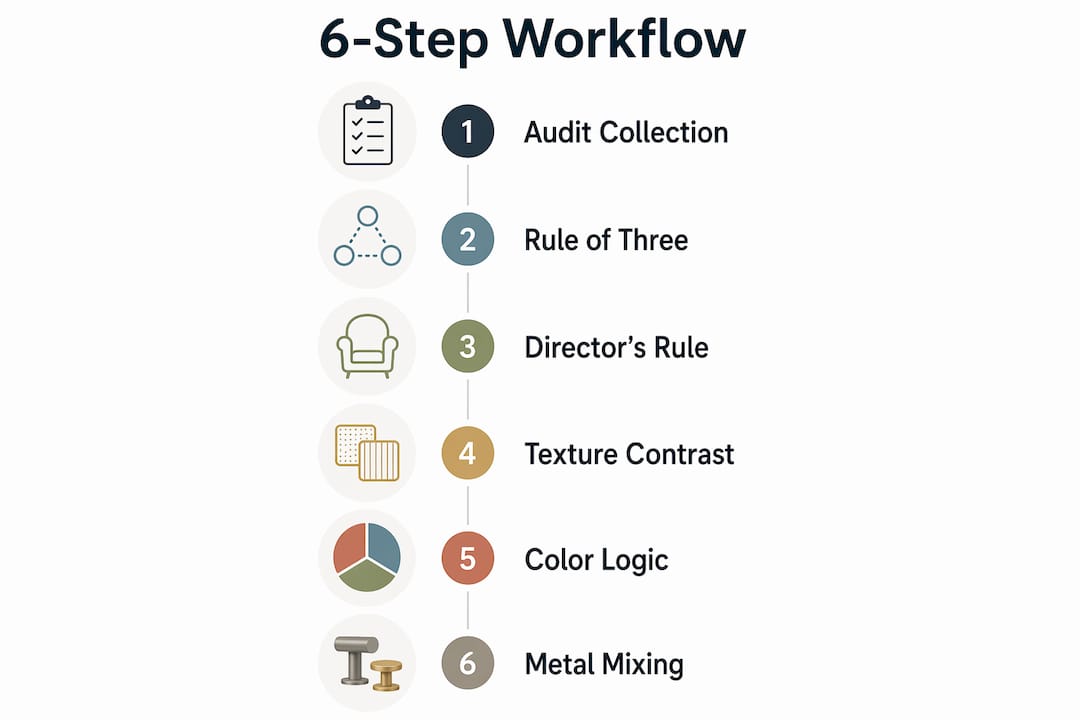
The luxury accessory pairing workflow that actually works runs six steps: audit your collection using the Rule of Three, pick one star piece using the Director’s Rule, limit supporting accents so your total key accessories never exceeds three, test combinations with a quick pairing matrix, run a full authentication and checkout check, then care and insure your new piece the moment it arrives. Follow those six steps in order and you will shop with clarity, style with intention, and never second-guess a purchase again.
TLDR: Audit first, star second, authenticate always. Naiseshopper’s authenticity guarantee and insured international shipping make step five the easiest part of the process.
The Rule of Three: stylists and fashion editors consistently recommend capping any outfit at three key accessories for a polished, deliberate look.
Table of Contents
- How do you execute the luxury accessory pairing workflow step by step?
- Why auditing your collection with the Rule of Three saves money
- How the Director’s Rule helps you choose the right star accessory
- What pairing principles make high-end accessory combinations look deliberate?
- How to build a pairing matrix and test combinations before you buy
- How to use AI styling tools without losing your own taste
- What does the authenticated luxury buying checklist include?
- What timeline and costs should you expect for authenticated online buys?
- How do you care for and store luxury accessories to protect their value?
- Key Takeaways
- Why this workflow matters more than most styling advice suggests
- Naiseshopper makes authenticated, ready-to-pair pieces easy to find
- Sources and further reading
How do you execute the luxury accessory pairing workflow step by step?
-
Audit your collection. Spend 15 seconds on each piece. Keep items that meet at least two of three criteria: quality, versatility, and frequency of use. Anything that fails two criteria gets retired or sold.
-
Pick the star accessory. Apply the Director’s Rule: one bag, watch, or sculptural jewelry piece leads the look. Everything else supports it.
-
Limit supporting accents so the total number of key accessories does not exceed three. The Rule of Three is your hard cap. One star plus two supports is often enough.
-
Test combinations. Photograph your pieces and arrange them digitally. When a pairing feels off, change only one variable at a time to isolate the conflict.
-
Run the authentication and checkout checklist. Verify the authenticity guarantee, provenance photos, serial codes, secure payment, and shipping insurance before you confirm any order.
-
Care and insure immediately. Store in dust bags, schedule leather conditioning, and confirm your shipping insurance covers declared value from day one.
Pro Tip: When a combination feels almost right but not quite, swap only one element before reassessing. Changing two things at once makes it impossible to know which fix actually worked.
Why auditing your collection with the Rule of Three saves money
The Rule of Three is not just a styling guideline; it is a budgeting tool. When you cap your active accessories at three anchor pieces per outfit, you quickly see which items in your closet are earning their place and which are collecting dust.
Run a fast audit before any new purchase. Hold each piece and ask three questions: Is the quality exceptional? Does it work across multiple outfit categories? Have you reached for it in the last 30 days? Keep anything that scores yes on at least two. Retire the rest.
A 15-second audit per item is enough for obvious decisions. For borderline pieces, give yourself two minutes: photograph the item against two different outfits and decide whether it adds or competes. This exercise also reveals gaps, which is exactly when browsing authenticated pieces on Naiseshopper’s curated collections makes sense.
How the Director’s Rule helps you choose the right star accessory
The Director’s Rule is simple: one accessory leads, and the rest follow. Stylists call it the “Protagonist + Support Group” method. Your star sets the visual rules for scale, metal, and texture, and every other piece defers to it.
Common star choices and their natural supports:
- Structured top-handle bag (Prada, Dior): pair with slim gold jewelry and clean leather shoes. No statement earrings competing for attention.
- Signature watch (Gucci G-Timeless, for example): let the watch dominate the wrist. Keep the neckline clean and the bag understated.
- Sculptural cuff or statement earrings: go minimal everywhere else. A sleek crossbody and simple pumps let the jewelry breathe.
Pro Tip: Avoid stacking statement earrings with a bold necklace in the portrait zone. Heavy elements above the collarbone create visual noise that pulls focus away from your face, not toward it.
Visual weight matters here too. Heavy footwear paired with a chunky belt creates a “split silhouette” that reads as two separate outfits. If your shoes are bold, keep the waist and portrait zone light.
What pairing principles make high-end accessory combinations look deliberate?
Four rules separate a polished luxury look from an accidental one.
Texture contrast
Pairing smooth and textured materials adds depth without adding more pieces. Think smooth patent leather against a woven raffia bag, or a silk blouse with a structured crocodile-embossed clutch. Texture contrast creates a refined, deliberate feel that monochromatic matching rarely achieves.
Scale and visual weight
Balance heavy elements across the outfit, never stack them. Bold footwear plus a chunky belt plus statement earrings reads as overloaded. Pick one zone to emphasize and keep the others quiet.
Color logic
Warm and cool palettes rarely mix well without a bridge piece. A camel tote with cognac loafers works because they share a warm undertone. A silver watch with a navy dress works because both read cool. When you cross palettes, use a two-tone piece as the connector.
Metal mixing
The 80/20 rule for metals is the clearest guideline available: let one metal dominate roughly 80% of your accessories and use the other as a subtle accent. Gold watch, gold earrings, silver ring accent. Not three gold pieces and two silver pieces fighting for dominance.
| Principle | Quick-check question |
|---|---|
| Texture contrast | Do I have at least one smooth and one textured piece? |
| Scale balance | Am I loading more than one zone with heavy elements? |
| Color logic | Do my pieces share a warm or cool undertone? |
| Metal mixing | Is one metal clearly leading, with the other as accent only? |
Styling note: The most common mistake in high-end accessory combinations is doubling up on visual weight. One bold zone per outfit is the rule professionals follow.
How to build a pairing matrix and test combinations before you buy
A pairing matrix takes five minutes to build and saves hours of post-purchase regret. Use this template when evaluating any new piece against your existing anchors:
| Star | Support 1 | Support 2 | Metal | Texture | Occasion | Rating /5 |
|---|---|---|---|---|---|---|
| Structured bag | Watch | Simple earrings | Gold dominant | Smooth + matte | Business | 5 |
| Statement cuff | Crossbody | Clean pumps | Silver dominant | Mixed | Evening | 4 |
| Signature watch | Tote | Pendant necklace | Gold dominant | Smooth | Casual | 3 |
Rating thresholds: 4–5 = buy with confidence; 3 = revisit one element; 1–2 = pass.
When shopping online, screenshot the product listing image and drop it into your phone’s photo app alongside photos of your existing anchors. A pre-creation workflow like this surfaces visual conflicts before you spend a dollar. If the new piece scores a 3, change one variable (swap the support piece, not the star) and re-rate.
How to use AI styling tools without losing your own taste
AI styling tools work best as objective visual feedback, not final decision-makers. They compress the learning curve on proportion and color theory, but they cannot account for how a piece feels on your body or what it means to you personally.
Do:
- Upload clear, well-lit photos of the full outfit and the accessory in question.
- Name the occasion specifically (“business lunch,” not just “work”).
- Ask the tool to explain its rationale, not just give a yes or no.
Don’t:
- Accept a suggestion without asking why it works.
- Upload blurry or heavily filtered images; the algorithm reads color and texture from pixel data.
- Let the tool override a combination you love and have worn successfully.
The one-variable method applies here too. If the AI gets close but not perfect, adjust one element and re-prompt rather than starting over.
Pro Tip: Save your highest-rated pairings as a digital set in your phone’s photos or a styling app like the Luxury Set Bundle — Band Bundle | WizeBand | WizeBand. When you shop for a new piece, pull up those sets first. If the new item fits at least two of your saved sets, it earns its place in your collection.
What does the authenticated luxury buying checklist include?
Before you confirm any order for a designer accessory online, run through this list:
- Authenticity guarantee: Is it explicitly stated by the seller, with a clear policy?
- Provenance photos: Do listing images show hardware, stitching, date codes, and serial numbers clearly?
- Condition notes: Is the condition graded honestly, with close-up photos of any wear?
- Return policy: Can you return the item if it does not match the listing description?
- Secure payment: Does the platform offer buyer-protected payment methods?
- Shipping insurance: Is the declared value insured during transit?
- Personal shopper option: Can you request assistance if you have questions before buying?
Red flags to walk away from: inconsistent logo spacing in photos, low-resolution hardware shots, missing provenance documentation, and any pressure to complete the transaction outside the platform.
Naiseshopper checks every box on this list. The platform offers an authenticity guarantee, personal shopper assistance across the US, localized pricing, and insured international shipping. For shoppers who want to research brands and provenance before buying, the luxury brand discovery guide is a useful starting point.
What timeline and costs should you expect for authenticated online buys?
Authenticated luxury purchases move through several stages, and planning around them prevents last-minute stress for gifts or events.
- Listing vetting: 1–2 days if you run the checklist above yourself; instant if a personal shopper pre-screens for you.
- Authentication hold: Some platforms hold items for internal verification before shipping. Budget 1–3 business days.
- Insured shipping: Domestic US delivery typically runs 2–5 business days. International orders vary by destination and customs processing.
- Delivery window: Plan for 5–10 business days total for international orders; 3–7 for domestic.
On costs: shipping insurance premiums are usually a small percentage of the declared value and are worth every cent for high-ticket pieces. Import duties on international orders depend on the declared value and the US Customs threshold for your specific item category. Check current thresholds at the US Customs and Border Protection website before ordering internationally. Authentication fees, when charged separately, typically appear at checkout.
For guidance on treating accessories as long-term investments, the luxury fashion investing guide covers resale value and when to prioritize certain categories.
How do you care for and store luxury accessories to protect their value?
The purchase is only the beginning. How you store and maintain a piece determines whether it holds its value or deteriorates within a season.
- Dust bags: Store every bag, shoe, and soft accessory in its original dust bag. Never stack leather pieces directly on top of each other.
- Climate control: Avoid humidity above 50% and direct sunlight. Both degrade leather and hardware faster than regular use does.
- Leather conditioning: Condition smooth leather every 3–6 months with a product designed for the specific leather type.
- Watch servicing: Mechanical watches typically need professional servicing every 3–5 years. Quartz movements need battery checks annually.
- Professional restoration: For significant scuffs, hardware tarnish, or lining damage, use a specialist restorer rather than DIY solutions.
On insurance: shipping insurance covers transit only. For pieces you plan to keep long-term, a standalone jewelry and accessories rider on your homeowner’s or renter’s policy covers loss, theft, and accidental damage. Use an independent appraisal, not just the purchase price, as the declared value for high-ticket items. Naiseshopper’s designer care guide covers specific care intervals by material.
Key Takeaways
A focused luxury accessory pairing workflow, anchored by the Rule of Three and the Director’s Rule, consistently produces polished looks and confident authenticated purchases.
| Point | Details |
|---|---|
| Rule of Three | Cap every outfit at three key accessories; audit by quality, versatility, and frequency of use. |
| Director’s Rule | Pick one star piece (bag, watch, or jewelry) and let supporting items defer to it. |
| Pairing matrix | Rate new pieces 1–5 against your anchors before buying; 4–5 = confident buy. |
| Authentication checklist | Verify authenticity guarantee, provenance photos, serial codes, insured shipping, and return policy on every listing. |
| Naiseshopper | Shop authenticated Gucci, Chanel, Prada, and more with an authenticity guarantee, personal shopper assistance, and insured shipping. |
Why this workflow matters more than most styling advice suggests
Most accessory guides stop at “less is more” and call it done. What they skip is the connection between styling discipline and purchase confidence. When you know your star piece, your metal palette, and your texture rules before you open a product listing, you stop browsing and start buying with intent.
The authentication side of this workflow is where the real risk lives for online shoppers. A beautiful pairing means nothing if the piece is not genuine. The checklist in this article is not optional; it is the difference between a wardrobe investment and an expensive mistake. Platforms that offer a clear authenticity guarantee, insured shipping, and personal shopper access remove most of that risk structurally, which is exactly why Naiseshopper belongs in this conversation.
One more thing worth saying: seasonal trend updates should refresh your supporting pieces, not your anchors. Your star pieces should be chosen for longevity. Trends like the east-west top-handle silhouette or sculptural pendant necklaces can inform what you add at the support level without destabilizing a collection you have already curated carefully.
Naiseshopper makes authenticated, ready-to-pair pieces easy to find
Authenticated designer pieces should not require a leap of faith. Naiseshopper carries verified inventory from Gucci, Chanel, Prada, Valentino, Bottega Veneta, Saint Laurent, and Balenciaga, with every item backed by an authenticity guarantee and covered by shipping insurance.
Personal shopper assistance is available across the US for shoppers who want expert help matching a new piece to their existing anchors. Localized pricing and flexible payment options mean you can shop in your currency without surprises at checkout. Whether you are looking for a Gucci G-Timeless watch to anchor a look or a pair of Dior leather Oxfords to complete a pairing matrix set, the inventory is curated and the authentication is guaranteed. Browse the full collection at Naiseshopper and contact a personal shopper to get started.
Sources and further reading
For verification and deeper study on the principles covered in this article:
- Rule of Three and texture contrast: Vivien Lauren’s luxury accessory guide covers audit criteria and texture pairing in detail.
- Director’s Rule and metal mixing: MioLook’s accessory combination guide explains the Protagonist + Support Group method and the 80/20 metal rule.
- AI styling tools and pre-creation workflows: The Outfit’s AI stylist guide covers best practices for prompts, image types, and one-variable testing.
- Naiseshopper styling resources: The 2026 Styling Guide for Luxury Accessories and the designer care guide are the best internal starting points for workflow application and care intervals.
- Seasonal trends: For updating your supporting pieces by season, the luxury fashion trends guide tracks what is moving on and off the radar in 2026.