TL;DR:
- Luxury brand discovery in 2026 relies heavily on AI platforms for initial research and brand evaluation. Authenticity hinges on craftsmanship, heritage, and discreet details, verified through physical inspection and security practices. Combining digital tools with in-person research improves confidence when investing in genuine high-end designer pieces.
Luxury brand discovery tips are the methods and knowledge that help you confidently find, verify, and invest in authentic high-end brands and must-have designer pieces. The global luxury market has grown more complex, with AI platforms now shaping how shoppers first encounter brands like Gucci, Chanel, Prada, Bottega Veneta, and Balenciaga before they ever visit a boutique. Discovering premium brands today requires equal parts digital savvy, craftsmanship knowledge, and security awareness. This guide gives you the exact tools to shop with confidence and style.
1. Use AI research platforms before visiting any brand website
AI mediates luxury discovery by synthesizing editorial coverage, reviews, and forums into brand narratives before you ever click a homepage. That means your first impression of a brand is often shaped by sources the brand itself does not control. Use that to your advantage.
Start your search on AI platforms like ChatGPT, Perplexity, or Claude with specific queries. Instead of typing “best luxury bags,” try “Which luxury handbag brands are known for hand-stitched leather and minimal branding?” Specific prompts return specific, useful answers.
- Ask AI to summarize a brand’s heritage, signature materials, and price positioning
- Request comparisons of craftsmanship standards across different house styles
- Look for recurring mentions of quality issues or authentication concerns in AI-generated summaries
- Cross-reference AI answers with editorial sources like Vogue, Harper’s Bazaar, and The Business of Fashion
Pro Tip: Track how a brand is described across multiple AI platforms. Consistent praise for materials and construction is a strong signal of genuine luxury status.
Over 60% of luxury fashion purchases involve AI platform research before any brand website visit. That number tells you where the modern discovery process actually begins.
2. Learn the hallmarks of true luxury: craftsmanship, heritage, and discretion
True luxury is defined by heritage, craftsmanship, and discretion, not by logo size or trend speed. Mass luxury products are easy to recognize and accessible, but they lack the exclusivity and workmanship of genuine high-end pieces. Knowing the difference protects your investment.
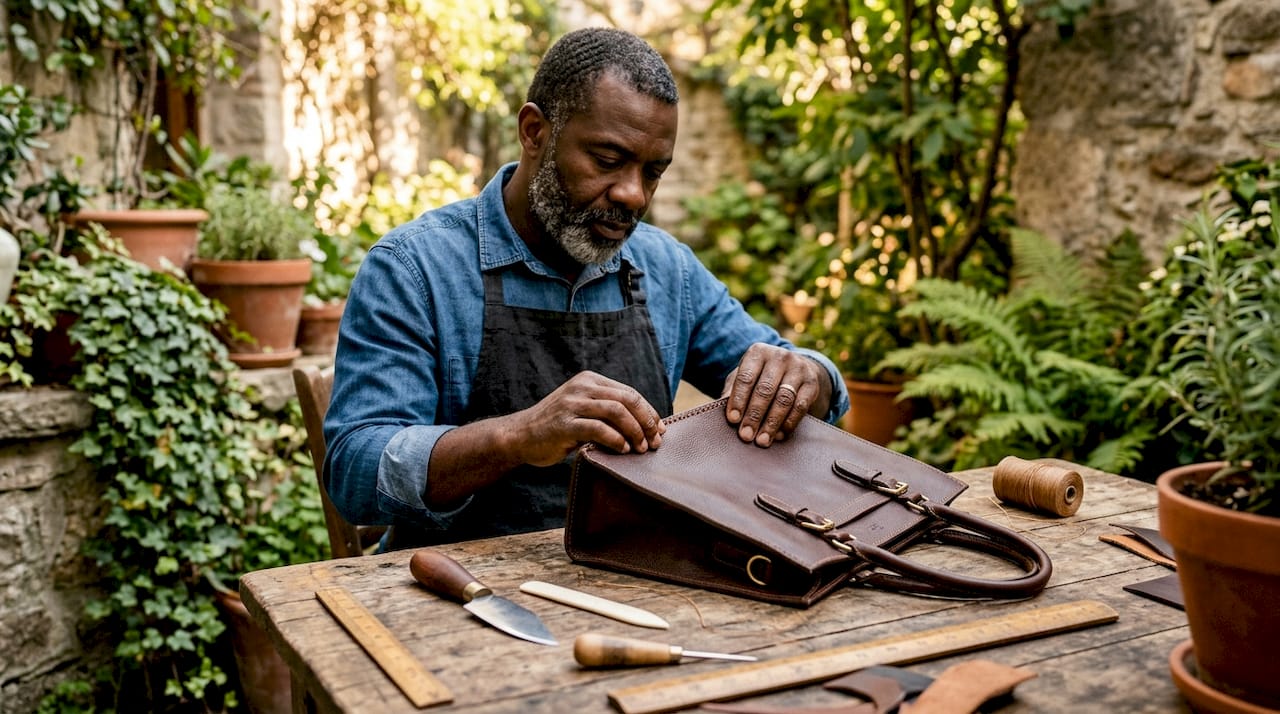
True luxury brands signal quality through subtle details. Look for these markers when evaluating any piece:
- Hardware weight and finish: Authentic pieces use solid brass or gold-plated hardware that feels heavy and resists tarnishing
- Stitching consistency: Hand-stitching on genuine luxury goods shows slight, intentional variation. Machine-stitched fakes are too uniform
- Material grain and smell: Full-grain leather has a natural, irregular surface and a distinct scent that synthetic materials cannot replicate
- Interior finishing: True luxury extends craftsmanship inside the bag, with clean seams, branded linings, and quality zippers
The logo-cover test is a practical method for evaluating a brand’s design ownership. Cover the logo on any piece and ask yourself: would you still recognize the brand from the shape, color palette, and hardware alone? If the answer is no, the brand relies on its name rather than its design codes. Houses like Bottega Veneta and Saint Laurent pass this test with ease.
Pro Tip: Research a brand’s founding story and signature techniques through its official website or established fashion archives. Heritage that spans decades is a reliable signal of true luxury status.
3. Protect yourself from counterfeits when shopping online
Counterfeit luxury platforms use HTTPS certificates and professional photography, so a browser padlock is not enough to confirm legitimacy. Modern fakes are sophisticated. You need multiple verification steps before any purchase.
Follow these steps every time you shop for luxury items online:
- Start with the official brand website. Authorized retailer lists are published directly by brands. If a seller is not on that list, treat it as unverified.
- Check domain age. Use a WHOIS lookup tool to see when the site was registered. Counterfeit sites are often less than one year old.
- Verify price logic. A Chanel Classic Flap at 70% below retail is not a deal. It is a red flag. Genuine discounts on authenticated platforms stay within a credible range.
- Use a dedicated virtual card. Virtual card numbers provide per-transaction security, preventing fraudsters from reusing compromised credentials. Never use your primary debit card for luxury purchases.
- Enable multi-factor authentication on every account tied to luxury shopping platforms.
- Review payment statements within 48 hours of any luxury purchase to catch unauthorized charges early.
For a deeper look at red flags, the guide to spotting counterfeits from Naiseshopper covers the most current tactics used by fake sellers in 2026.
4. Use international price differences to find the best value
Luxury arbitrage is the practice of comparing prices on brand websites by switching location settings and currencies to find the most favorable rate. Price differences exist between USD and local currencies like EUR or GBP, sometimes significantly. A Prada bag purchased in euros during a favorable exchange rate period can represent real savings versus the US retail price.
The process is straightforward. Visit the brand’s official website and use the country or region selector to view local pricing. Compare the converted price in your home currency against your local retail price. Factor in VAT refund eligibility if you plan to purchase while traveling in Europe.
Boutique type also affects your experience and the value you receive. The table below outlines the key differences:
| Boutique type | Best for | Key features |
|---|---|---|
| Flagship store | Full brand experience | Widest selection, personalized service, exclusive pieces |
| Secondary boutique | Quieter shopping | Smaller selection, more relaxed atmosphere |
| Seasonal pop-up | Limited editions | Exclusive capsule items, time-sensitive availability |
| Shop-in-shop | Convenience | Located inside department stores, curated selection |
Aligning your boutique choice with your shopping style matters. If you want personalized styling advice and access to waitlisted pieces, a flagship is your best option. If you prefer a quieter environment and a focused edit, a secondary boutique delivers that experience.
For a broader look at how to approach luxury shopping internationally, Naiseshopper’s 2026 guide walks through the full process step by step.
5. Tap into luxury communities and micro-influencers for real recommendations
Peer recommendations from specialized communities deliver more reliable luxury brand insights than celebrity endorsements. Reddit fashion subforums, private Discord groups, and curated Facebook communities attract buyers who have purchased, worn, and evaluated pieces firsthand. Their feedback is unfiltered and specific.
Micro-influencers with audiences under 50,000 followers consistently produce more authentic content than celebrity brand ambassadors. They purchase pieces with their own money, share honest assessments of quality and sizing, and respond directly to questions. That level of engagement is rare in traditional advertising.
- Follow micro-influencers who specialize in a single category, such as leather goods or fine watches, rather than general lifestyle content
- Use TikTok and Instagram to search for unboxing videos of specific pieces before purchasing
- Look for community posts that include close-up photos of stitching, hardware, and interior finishing
- Join forums where members share authentication experiences and seller reviews
Pro Tip: Build a small, trusted circle of three to five fellow luxury enthusiasts whose taste and standards align with yours. Their direct recommendations will save you more time and money than any algorithm.
The benefits of shopping luxury online extend beyond price. Access to global inventory, detailed product photography, and community-driven reviews make online platforms a powerful discovery tool when used correctly.
Also worth noting: the concept of finding exclusive off-market deals applies across luxury categories. The same community-driven, insider-access approach that works in luxury fashion also drives discovery in markets like fine art, rare watches, and high-end yachts.
6. Verify authenticity through official channels and expert resources
Starting with the official brand website to find authorized retailers is the single most reliable first step in avoiding counterfeit purchases. Every major house publishes a list of approved stockists. If a seller does not appear on that list, the risk of receiving a fake item rises sharply.
Beyond official retailer lists, authentication services add another layer of protection. Platforms that specialize in authenticating luxury bags use trained experts and physical inspection protocols to verify pieces before sale. Look for services that provide written authentication certificates and clear return policies.
Serial numbers, date codes, and dust bags are secondary signals. They matter, but they are also the elements counterfeiters replicate most aggressively. Rely on them as supporting evidence, not as your primary verification method. Craftsmanship details, as covered earlier, remain the most difficult to fake at scale.
Key Takeaways
Effective luxury brand discovery combines AI-driven research, craftsmanship literacy, and strict security practices to consistently identify and acquire authentic high-end pieces.
| Point | Details |
|---|---|
| AI shapes first impressions | Over 60% of luxury buyers use AI platforms before visiting brand websites. |
| Craftsmanship over logos | Use the logo-cover test and inspect hardware, stitching, and materials to verify true luxury. |
| Multi-step security is required | Virtual cards, domain checks, and authorized retailer lists protect against sophisticated counterfeits. |
| Price arbitrage adds real value | Switching website locales and currencies can reveal meaningful price differences on the same item. |
| Communities outperform ads | Micro-influencers and peer forums deliver more reliable brand recommendations than celebrity endorsements. |
My honest take on luxury discovery in 2026
I have spent years watching how luxury shoppers approach brand discovery, and the biggest mistake I see is treating it as a purely digital exercise. AI tools are genuinely useful. They surface brand narratives, flag quality concerns, and help you build a shortlist faster than any magazine could. But they are a starting point, not a final answer.
The shoppers who consistently make the best purchases are the ones who combine digital research with real-world observation. They visit boutiques not always to buy, but to handle pieces, study construction, and develop an eye for what genuine quality feels like. That tactile knowledge is something no algorithm can give you.
I also think the luxury community underestimates how much patience matters. The best finds come from sustained attention, not impulse decisions. When you know a brand’s heritage, understand its signature materials, and have verified its authorized sellers, you buy with confidence. That confidence is the real luxury.
— Camila
Naiseshopper: your trusted source for authenticated luxury
Naiseshopper is an authenticated luxury fashion platform carrying curated collections from Gucci, Chanel, Prada, Valentino, Bottega Veneta, Saint Laurent, and Balenciaga at genuine discounted prices. Every piece listed on the platform comes with an authenticity guarantee, so you shop with the same confidence you would at a flagship boutique.
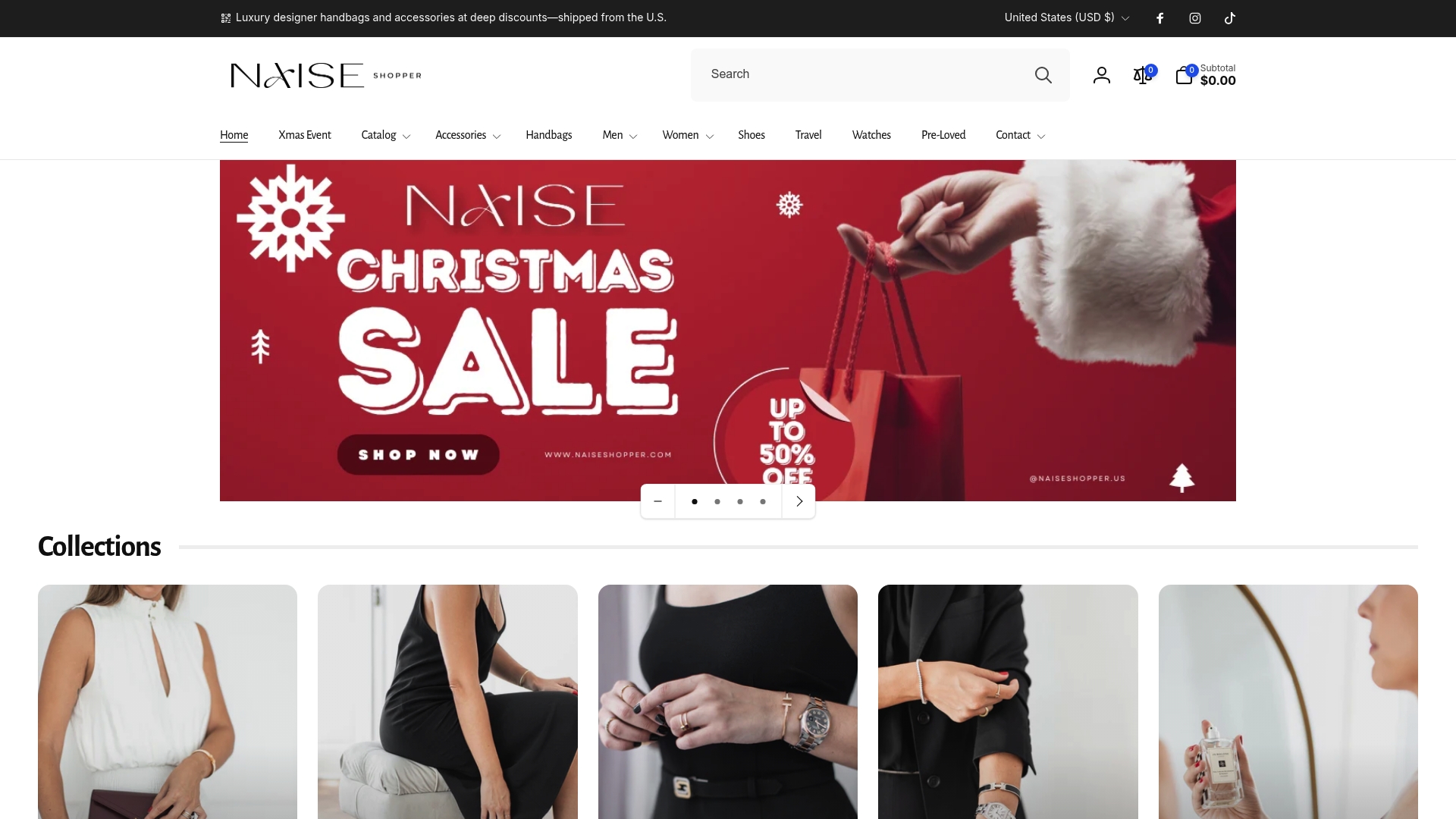
The platform offers localized pricing for shoppers worldwide, secure international shipping, and flexible payment options. Personal shopper assistance is available for buyers who want expert guidance on specific pieces or brands. For fashion-forward shoppers ready to put these luxury shopping tips into practice, Naiseshopper provides the inventory, the security, and the expertise to make every purchase count.
FAQ
What are the best luxury brand discovery tips for beginners?
Start with AI platforms like ChatGPT or Perplexity to research brand heritage and craftsmanship standards before visiting any website. Then apply the logo-cover test and inspect hardware and stitching details to verify genuine quality.
How do I spot a counterfeit luxury website?
Check the domain age with a WHOIS tool, verify the seller against the brand’s official authorized retailer list, and treat any price that falls far below retail as a red flag. Counterfeit sites use HTTPS and professional photography, so browser security icons alone are not reliable.
What is the logo-cover test?
The logo-cover test asks whether you can identify a brand from its design alone, without seeing the logo. If the answer is no, the brand lacks true design ownership and relies on name recognition rather than authentic style codes.
How does luxury price arbitrage work?
Luxury arbitrage means comparing prices on a brand’s official website by switching the country or region setting to view local currency pricing. Price differences between USD, EUR, and GBP can be meaningful, especially when combined with VAT refund eligibility for international travelers.
Where can I find reliable luxury brand recommendations?
Specialized Reddit subforums, private Discord groups, and micro-influencers with focused luxury content deliver the most credible recommendations. Their firsthand purchase experience and close-up product photography provide details that brand advertising never shows.