TL;DR:
- Luxury customer service involves proactive, personalized support that emphasizes relationship depth and emotional resonance. It relies on empowered frontline staff, comprehensive lifestyle management, and perpetual post-sale engagement to foster long-term loyalty. High-end brands distinguish themselves through systems that carry client intelligence and deliver seamless, anticipatory experiences.
Luxury customer service is defined by proactive, anticipatory support that personalizes every interaction using full client history and empowers frontline staff to resolve issues without waiting for approval. The types of luxury customer service go far beyond polite greetings or fast response times. Brands like Ritz-Carlton, Gucci, and Chanel have built entire operational models around emotional resonance and relationship depth, treating each client as an individual with a unique story rather than a ticket number. Understanding these service types helps you recognize what separates a truly elevated shopping experience from one that simply costs more.
1. What are the types of luxury customer service?
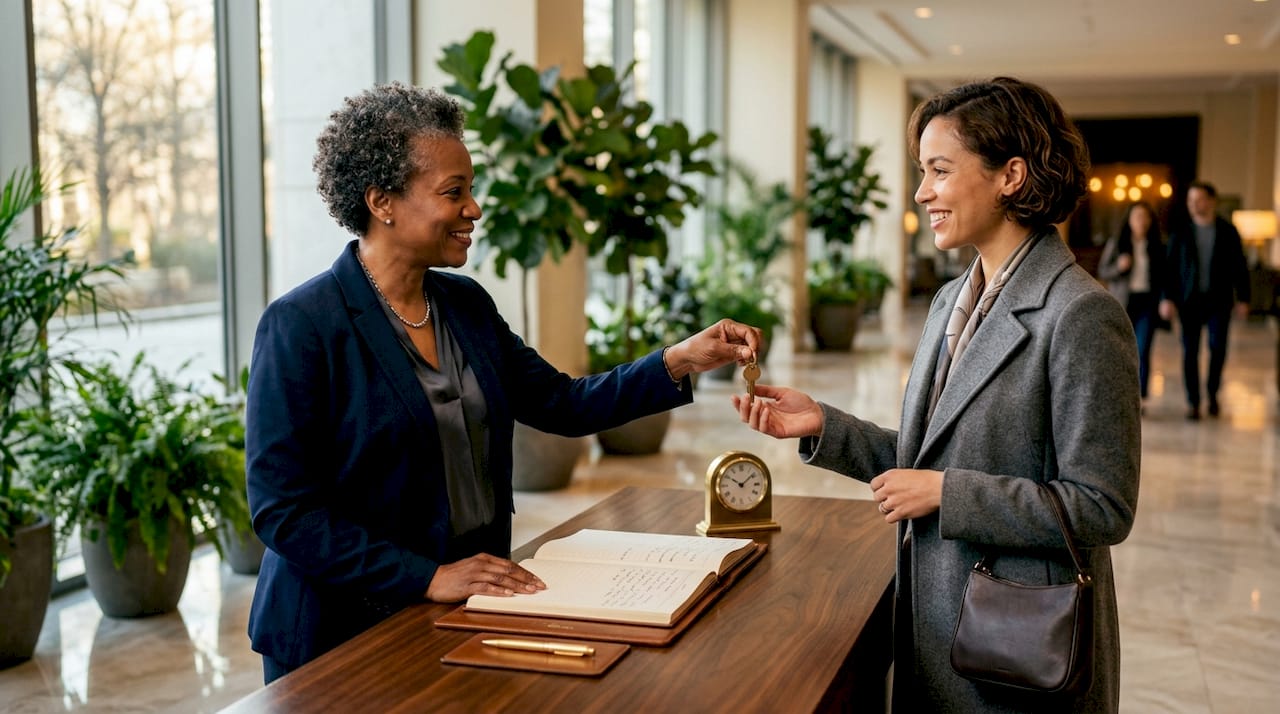
Luxury customer service, also called premium client experience in the industry, covers four primary service types: white-glove service, concierge-style support, dedicated relationship management, and invisible ultra-luxury hospitality. Each type operates on a different model but shares the same foundation: anticipation over reaction, personalization over scripts, and emotional connection over transactional efficiency. Luxury CX prioritizes loyalty over issue resolution speed, which is the single clearest operational difference from standard service. That shift in priority changes everything, from how staff are trained to how success is measured.
2. White-glove service: empowered staff, zero waiting
White-glove service is the luxury standard where frontline employees have full authority to resolve any client issue on the spot, without escalation. The most cited example is Ritz-Carlton, where every employee can spend up to $2,000 per guest incident without managerial approval. That figure is rarely used in full, but its existence signals something more important: the brand trusts its people to make judgment calls. That trust transfers directly to the guest, who feels genuinely cared for rather than processed.
The operational impact of this model is significant. Empowered frontline workers with full client data and decision authority resolve issues at first contact, minimizing customer effort entirely. Ritz-Carlton’s model only works because it pairs spending authority with continuous training and clear judgment protocols, not just a dollar limit. Staff learn to read situations and act decisively, which is a very different skill from following a service script.
Key characteristics of white-glove service include:
- Full resolution authority at the frontline level, no escalation required
- Personalized problem-solving based on individual client context
- Proactive follow-up after resolution to confirm satisfaction
- Staff trained in business judgment, not just courtesy protocols
Pro Tip: When evaluating a luxury brand’s service quality, ask how quickly a frontline associate can resolve your issue without involving a manager. True white-glove service never makes you wait for someone with “authority.”
3. Concierge-style luxury services: orchestrating the extraordinary
Concierge-style service is the luxury model built around comprehensive lifestyle management, handling requests that go far beyond what any standard support team would attempt. Luxury concierge services manage private aviation, yacht charters, exclusive event access, personal shopping, security logistics, and wellness coordination. The defining quality is orchestration: a true luxury concierge does not just book a restaurant, it manages the entire evening from transport to table preference to post-dinner arrangements. That end-to-end ownership is what separates it from a hotel front desk.
For ultra-high-net-worth individuals, discretion is as important as capability. High-end concierge operations are defined by their network strength, privacy protocols, and ability to manage intricate logistics securely. A concierge with access to off-market venues, private properties, and restricted events delivers something money alone cannot buy: access. The quality of that network is the product.
Concierge-style services typically cover:
- Private travel logistics including aviation, ground transport, and yacht charters
- Exclusive event access and VIP reservations at fully booked venues
- Personal shopping and wardrobe curation with brand-direct relationships
- Security management and privacy-sensitive coordination
- Wellness scheduling including private chefs, trainers, and medical appointments
The contrast with standard concierge is stark. A hotel concierge books what is available. A luxury concierge creates availability where none existed publicly.
4. Dedicated relationship managers: your named contact for everything
Dedicated relationship management is the high-end service type where a single named professional handles all your interactions with a brand, building deep knowledge of your preferences over time. Dedicated relationship managers respond within 15 minutes and access full client histories across every channel, so you never repeat yourself. That continuity is the core value. Standard support resets with every contact; luxury relationship management accumulates context and uses it.
Client intelligence following customers across all touchpoints prevents the generic experience that erodes trust in premium brands. When your relationship manager already knows your preferred Chanel bag size, your travel schedule, and your last three purchases, every conversation starts from a position of genuine familiarity. That is not a small detail. It is the difference between feeling like a valued client and feeling like a case number.
Key advantages of dedicated relationship management include:
- Sub-15-minute response times with no hold queues or ticket systems
- Full purchase and preference history accessible in every interaction
- Proactive outreach for new arrivals, exclusive previews, and personalized recommendations
- Long-term loyalty cultivation through emotional recognition, not just rewards points
Luxury CX aims for emotional identification that turns clients into brand ambassadors who feel uniquely known. A dedicated relationship manager is the most direct path to that outcome.
5. Invisible and anticipatory service in ultra-luxury hospitality
Ultra-luxury hospitality defines service through invisibility: the best interactions are the ones clients never consciously notice because everything was already handled. Service at this level is designed to be effortless and discreet, with flexible dining times, customized itineraries, and strict privacy protocols built into every operational layer. Higher staff-to-guest ratios and specialist roles, including villa hosts, private chefs, and wellness experts, make this possible. The staffing model is not a luxury add-on; it is the mechanism that delivers anticipatory care.
What makes this service type distinct is controlled variability. The best luxury experiences leave deliberate slack in the system, allowing staff to adapt dynamically to guest needs rather than executing a rigid script. That flexibility creates the moments clients remember most: a chef adjusting a menu mid-service, a host rearranging an itinerary based on a passing comment. Seamlessness alone does not create emotional depth. Human adaptability does.
| Service element | Standard hospitality | Ultra-luxury hospitality |
|---|---|---|
| Staff-to-guest ratio | Low, shared staff | High, dedicated specialists |
| Request handling | Reactive, on request | Anticipatory, pre-resolved |
| Privacy protocols | Basic | Strict, contractual |
| Dining flexibility | Fixed menus and times | Fully customized, any time |
| Issue resolution | Escalation required | Frontline authority |
Pro Tip: When booking ultra-luxury accommodations, ask specifically about the villa host or personal concierge assignment. The quality of that individual relationship determines your entire experience more than the property itself.
6. Post-purchase continuity: the service that keeps working
Post-purchase service is the luxury type most brands underinvest in, and the one that most directly determines long-term loyalty. 61% of customers want brands to stay connected after purchase to sustain emotional bonds, and 62% expect personalization parity between online and in-store experiences. Those numbers reveal a clear gap: most brands treat the sale as the finish line. Luxury brands treat it as the starting point of a relationship.
Post-purchase continuity means proactive follow-up, exclusive early access to new collections, and personalized care that references your specific purchase. A client who buys a Gucci watch should receive a follow-up that acknowledges that specific piece, not a generic newsletter. Sustaining emotional resonance requires dedicated attention, listening skills, and reliable tools for client-facing teams. The brands that get this right build the kind of loyalty that no discount can replicate.
The role of post-purchase engagement in luxury retail is increasingly recognized as a core service function, not a marketing afterthought. Brands that track client milestones, anniversaries, and preferences and act on them proactively are the ones that retain clients across decades.
7. Personalized luxury shopping services: access before the public
Personalized luxury shopping services give clients access to products, previews, and styling guidance before items reach the general public. This service type is built on brand-direct relationships and deep product knowledge, not just inventory access. A personal shopper at Prada or Saint Laurent does not just pull items in your size. They understand your wardrobe, your lifestyle, and your aesthetic, then curate accordingly. That curation is the service.
Personalized luxury shopper services extend this model online, giving clients the same level of access and guidance without requiring a physical store visit. For global shoppers, this is particularly valuable. Exclusive previews, waitlist priority, and styling consultations delivered digitally match the standard of in-store VIP treatment when executed with genuine client knowledge. The key is that the personalization must be real, not algorithmic.
Key Takeaways
The most effective luxury customer service combines anticipatory personalization, empowered frontline decision-making, and post-purchase continuity to build lasting client relationships that no standard service model can replicate.
| Point | Details |
|---|---|
| White-glove service | Frontline staff resolve issues on the spot with full authority, no escalation needed. |
| Concierge-style support | End-to-end lifestyle management covers private aviation, events, and personal shopping. |
| Dedicated relationship managers | Named contacts respond within 15 minutes using full client history across all channels. |
| Invisible hospitality | High staff-to-guest ratios and controlled flexibility create effortless, anticipatory experiences. |
| Post-purchase continuity | Proactive follow-up and personalized outreach after the sale sustain long-term loyalty. |
Why luxury service is about intelligence, not just politeness
Camila’s perspective: After years of covering the luxury retail space, the pattern I keep seeing is this: brands confuse politeness with service excellence. They train staff to smile and speak softly, then wonder why clients do not return. The brands that consistently win, Ritz-Carlton, Chanel, the top-tier concierge operations, all share one operational trait. They build systems that carry client intelligence forward across every interaction. The moment a client has to re-explain their preferences, the luxury illusion breaks.
What I find most underrated is the role of controlled variability. The best service moments I have witnessed were not scripted. They were a staff member reading a situation and doing something unexpected and perfectly right. That requires training, trust, and genuine autonomy. You cannot script emotional resonance. You can only create the conditions for it.
The other thing I would push back on: the idea that digital luxury service is inherently inferior to in-person. When a brand’s online team has real client data, responds within minutes, and follows up with genuine personalization, the channel matters far less than the intelligence behind it. The gap between in-store and online luxury is a data problem, not a format problem.
— Camila
Luxury shopping at Naiseshopper: premium brands, elevated experience
Naiseshopper brings the principles of high-end service to online luxury shopping, with authenticated pieces from Gucci, Saint Laurent, Jimmy Choo, and more, backed by personal shopper assistance and secure international shipping.
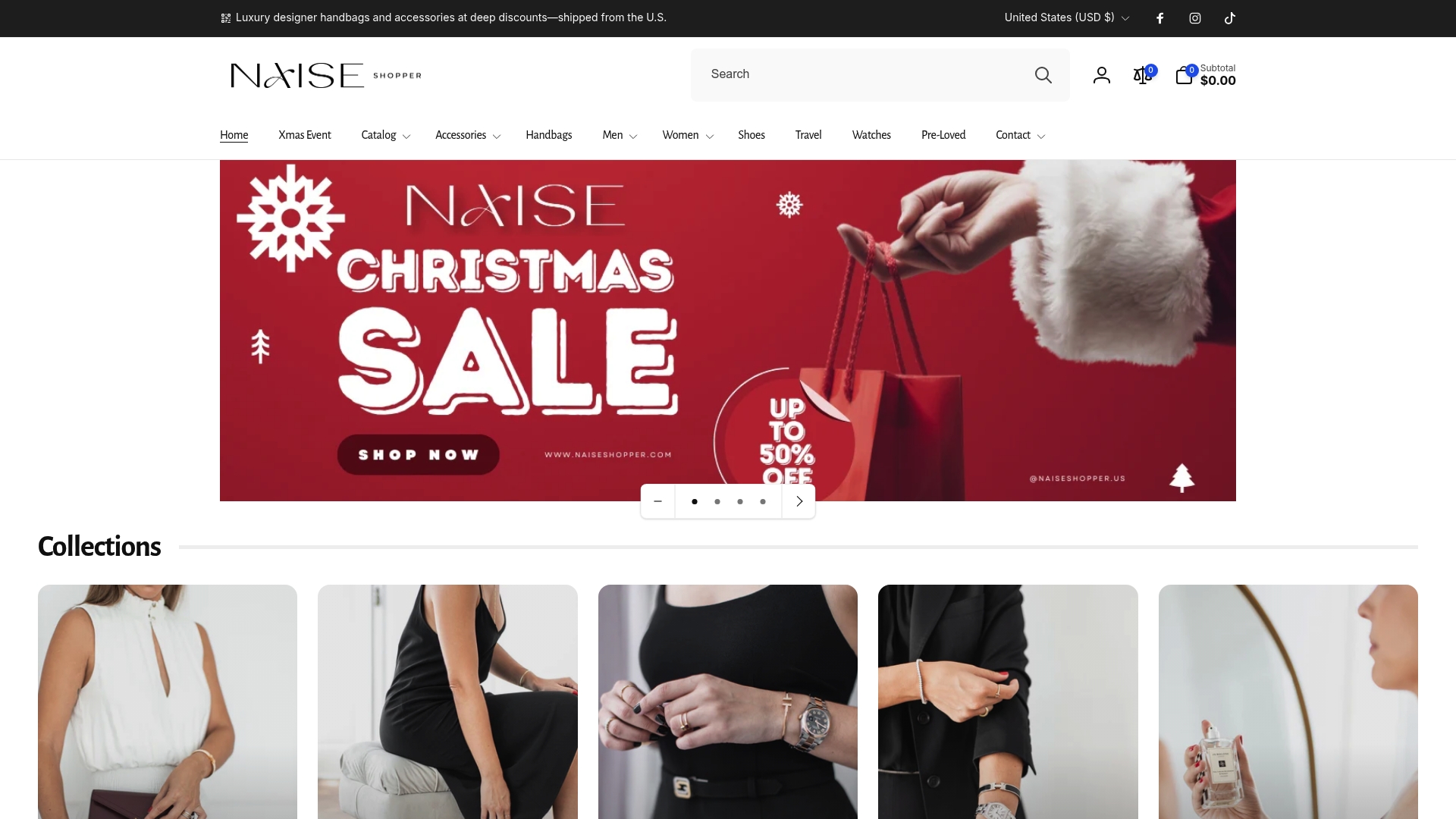
Whether you are after the Saint Laurent mid-top blue sneakers for a bold style statement or the Gucci G-Timeless 38mm watch for a heritage-driven finishing touch, Naiseshopper pairs curated product access with the kind of luxury shopping convenience that makes every purchase feel considered. Authenticity is guaranteed on every item, and flexible payment options reduce friction at checkout. This is luxury shopping built around you.
FAQ
What is luxury customer service?
Luxury customer service is proactive, personalized support that uses full client history, empowers frontline staff to resolve issues without escalation, and prioritizes long-term emotional connection over transactional speed.
What is white-glove service in luxury retail?
White-glove service gives frontline employees full authority to resolve client issues on the spot. Ritz-Carlton’s model, where staff can spend up to $2,000 per incident without approval, is the most recognized example.
How does concierge-style service differ from standard support?
Standard support handles requests reactively within defined limits. Luxury concierge service orchestrates complex, end-to-end logistics including private aviation, exclusive events, and personal shopping with full discretion.
Why do luxury brands use dedicated relationship managers?
Dedicated relationship managers provide sub-15-minute response times and access full client histories across channels, creating consistent, deeply personalized interactions that standard scripted support cannot deliver.
What makes ultra-luxury hospitality service different?
Ultra-luxury hospitality uses higher staff-to-guest ratios, specialist roles like private chefs and villa hosts, and deliberate operational flexibility to deliver anticipatory, invisible service that adapts dynamically to each guest.